Loading…

Loading…
defense & space
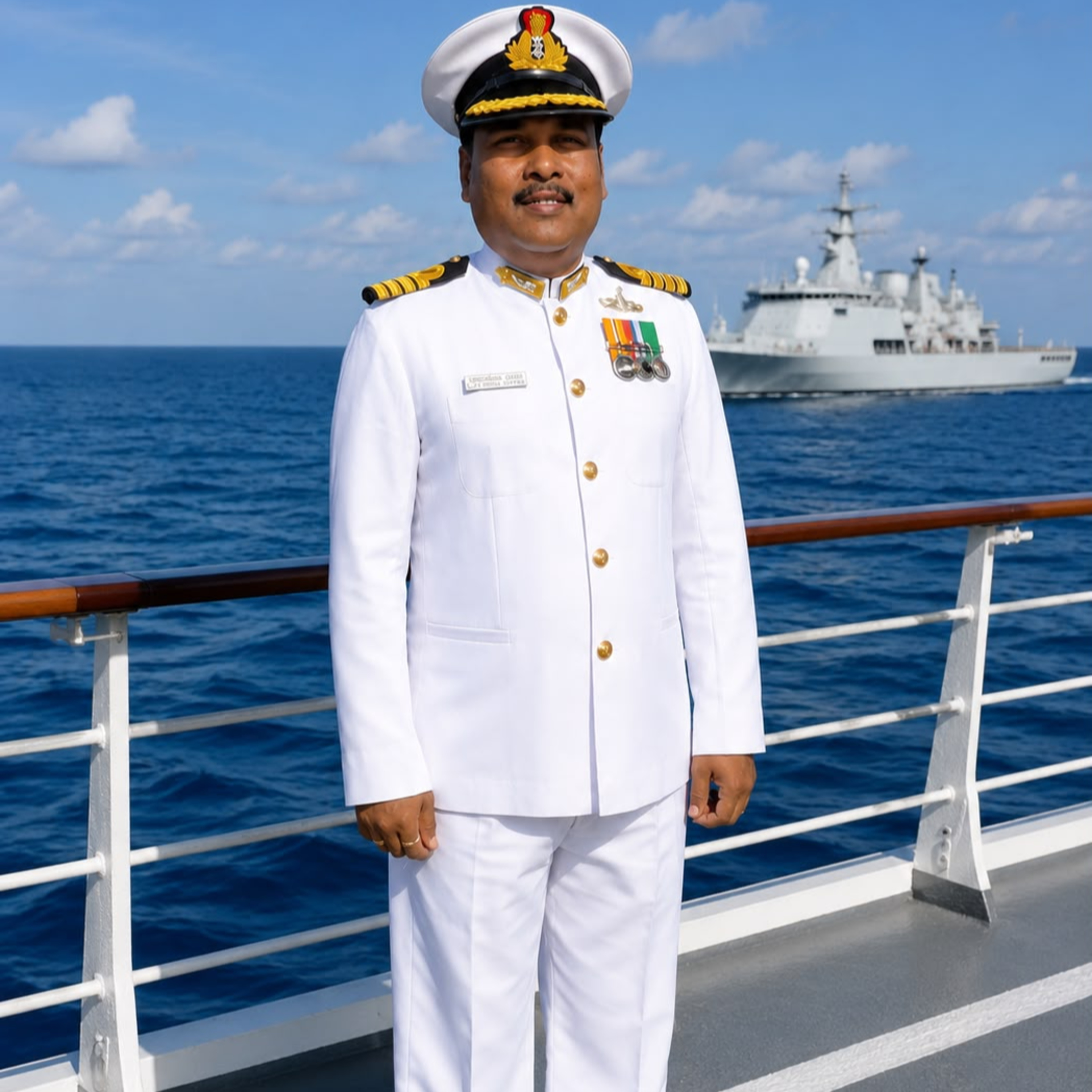
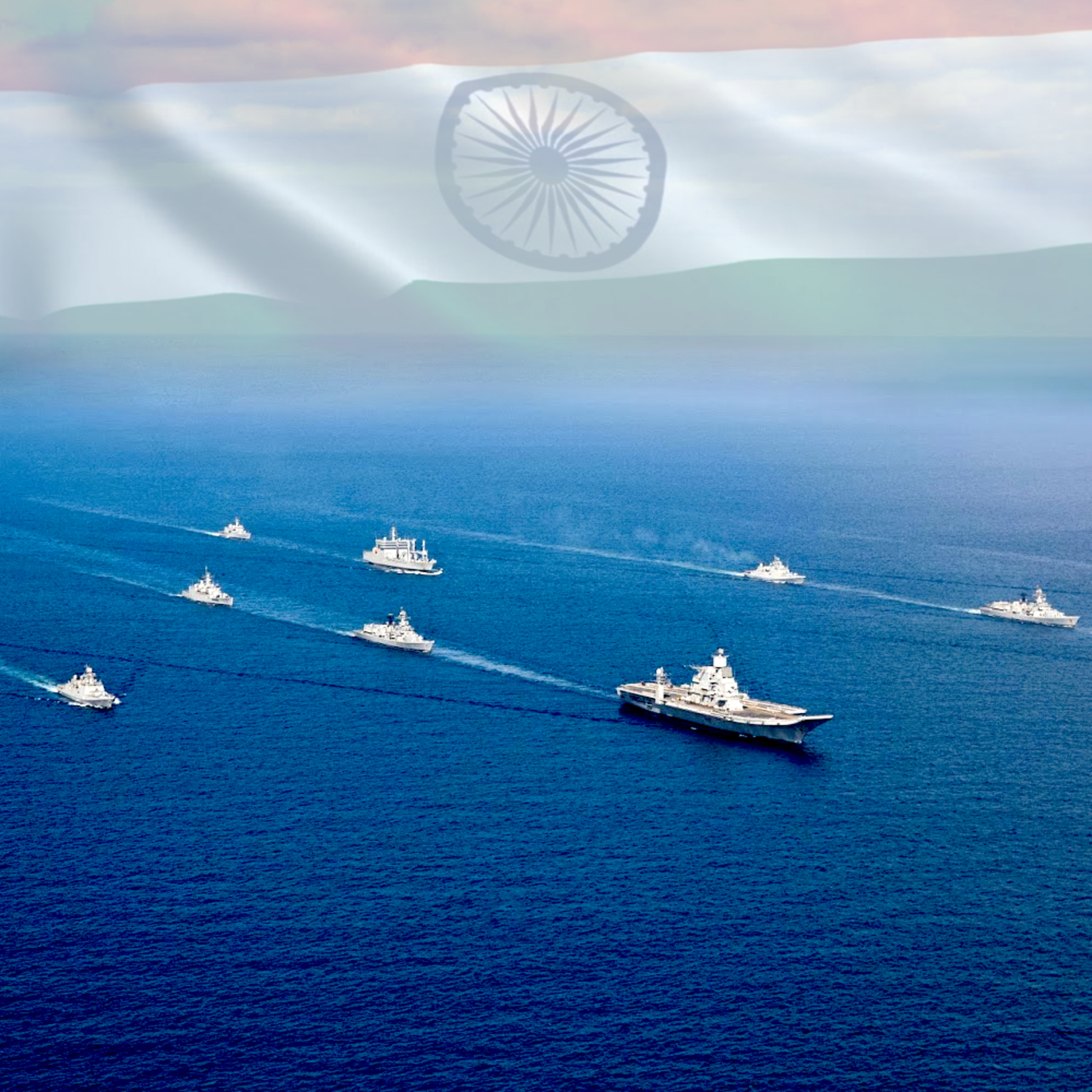
The Indian Navy is a well-balanced and cohesive three-dimensional force, capable of operating above, on and under the surface of the oceans, efficiently safeguarding our national interests. The Indian Navy is the naval branch of the Indian Armed Forces. The President of India is the Supreme Commander of the Indian Navy. The Chief of Naval Staff, a four-star admiral, commands the navy. The Indian Navy traces its origins back to the East India Company's Marine which was founded in 1612 to protect British merchant shipping in the region. In 1793, the East India Company established its rule over eastern part of the Indian subcontinent i.e. Bengal, but it was not until 1830 that the colonial navy was titled as His Majesty's Indian Navy. When India became a republic in 1950, the Royal Indian Navy as it had been named since 1934 was renamed to Indian Navy. The primary objective of the navy is to safeguard the nation's maritime borders, and in conjunction with other Armed Forces of the union, act to deter or defeat any threats or aggression against the territory, people or maritime interests of India, both in war and peace. Through joint exercises, goodwill visits and humanitarian missions, including disaster relief, Indian Navy promotes bilateral relations between nations. As of July 2017, Indian Navy has 67,228 personnel in service and has a fleet of 137 warships and 235 aircraft.[4][5][6] As of March 2018, the operational fleet consists of one aircraft carrier, one amphibious transport dock, eight landing ship tanks, eleven destroyers, thirteen frigates, one nuclear-powered attack submarine, one ballistic missile submarine, fourteen conventionally-powered attack submarines, twenty-two corvettes, one mine countermeasure vessel, four fleet tankers and various other auxiliary vessels. The Chief of the Naval Staff (CNS) exercises operational and administrative control of the Indian Navy from the Integrated Headquarters of Ministry of Defence (Navy).
The Indian Navy is a well-balanced and cohesive three-dimensional force, capable of operating above, on and under the surface of the oceans, efficiently safeguarding our national interests. The Indian Navy is the naval branch of the Indian Armed Forces. The President of India is the Supreme Commander of the Indian Navy. The Chief of Naval Staff, a four-star admiral, commands the navy. The Indian Navy traces its origins back to the East India Company's Marine which was founded in 1612 to protect British merchant shipping in the region. In 1793, the East India Company established its rule over eastern part of the Indian subcontinent i.e. Bengal, but it was not until 1830 that the colonial navy was titled as His Majesty's Indian Navy. When India became a republic in 1950, the Royal Indian Navy as it had been named since 1934 was renamed to Indian Navy. The primary objective of the navy is to safeguard the nation's maritime borders, and in conjunction with other Armed Forces of the union, act to deter or defeat any threats or aggression against the territory, people or maritime interests of India, both in war and peace. Through joint exercises, goodwill visits and humanitarian missions, including disaster relief, Indian Navy promotes bilateral relations between nations. As of July 2017, Indian Navy has 67,228 personnel in service and has a fleet of 137 warships and 235 aircraft.[4][5][6] As of March 2018, the operational fleet consists of one aircraft carrier, one amphibious transport dock, eight landing ship tanks, eleven destroyers, thirteen frigates, one nuclear-powered attack submarine, one ballistic missile submarine, fourteen conventionally-powered attack submarines, twenty-two corvettes, one mine countermeasure vessel, four fleet tankers and various other auxiliary vessels. The Chief of the Naval Staff (CNS) exercises operational and administrative control of the Indian Navy from the Integrated Headquarters of Ministry of Defence (Navy).
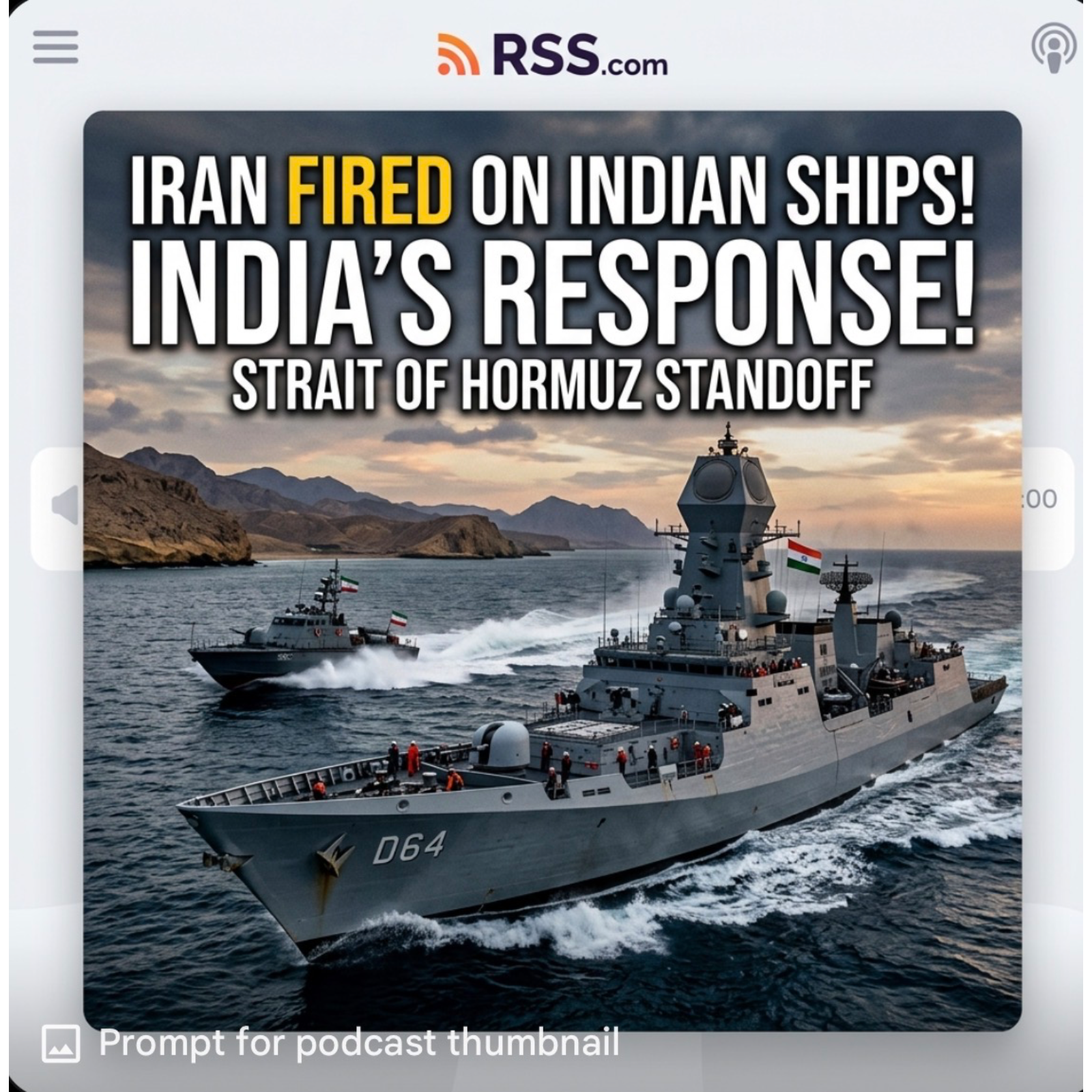













Indian Navy has been mentioned across 71 podcasts.
Represent this company? Request removal or email privacy@pitchcentric.com.
FAQs
If you have a concern about deliverability, AI quality, data privacy, or whether this will actually work for your specific situation, it's probably answered below.
Founder Solo gives you 50 AI pitches per month using the credit model (Standard pitches cost 1 credit, Enriched pitches cost 2). Founder Pro raises that to 200 credits per month and adds full Booking Probability access, unlimited Magic Match, Apollo enrichment credits, and data export capabilities. Both plans use the same credit system, so you can stretch your monthly budget further by using Standard-mode drafting.
Agency tiers have no base fee. You pay per managed client and per talent profile. Agency Standard is $199 per client per month; Agency Pro is $399 per client per month. Both add $39 per talent profile per month. Your own team's user seats are always free.
A talent profile represents one person (founder, executive, or spokesperson) you are booking onto podcasts. It includes their bio, topics, headshots, and outreach history. Team plans include 5 profiles; agency plans are pay-as-you-go.
Yes, at any time. Upgrades take effect immediately; downgrades apply at the end of the current billing period. Contact support if you need help migrating between plan families.
Every paid plan includes a 15-day free trial. Your card is saved at signup but you will not be charged until day 16. Cancel any time from your dashboard.
You keep access until the end of your current billing period. No charges after that. Your data is retained for 30 days in case you reactivate.
Yes. Select Annual on the pricing toggle and the discounted price is applied automatically at checkout. The annual price shown is the full year cost.
That is our Enterprise tier. Contact our sales team and we will build a custom plan with volume pricing, a dedicated account manager, and SLA guarantees.