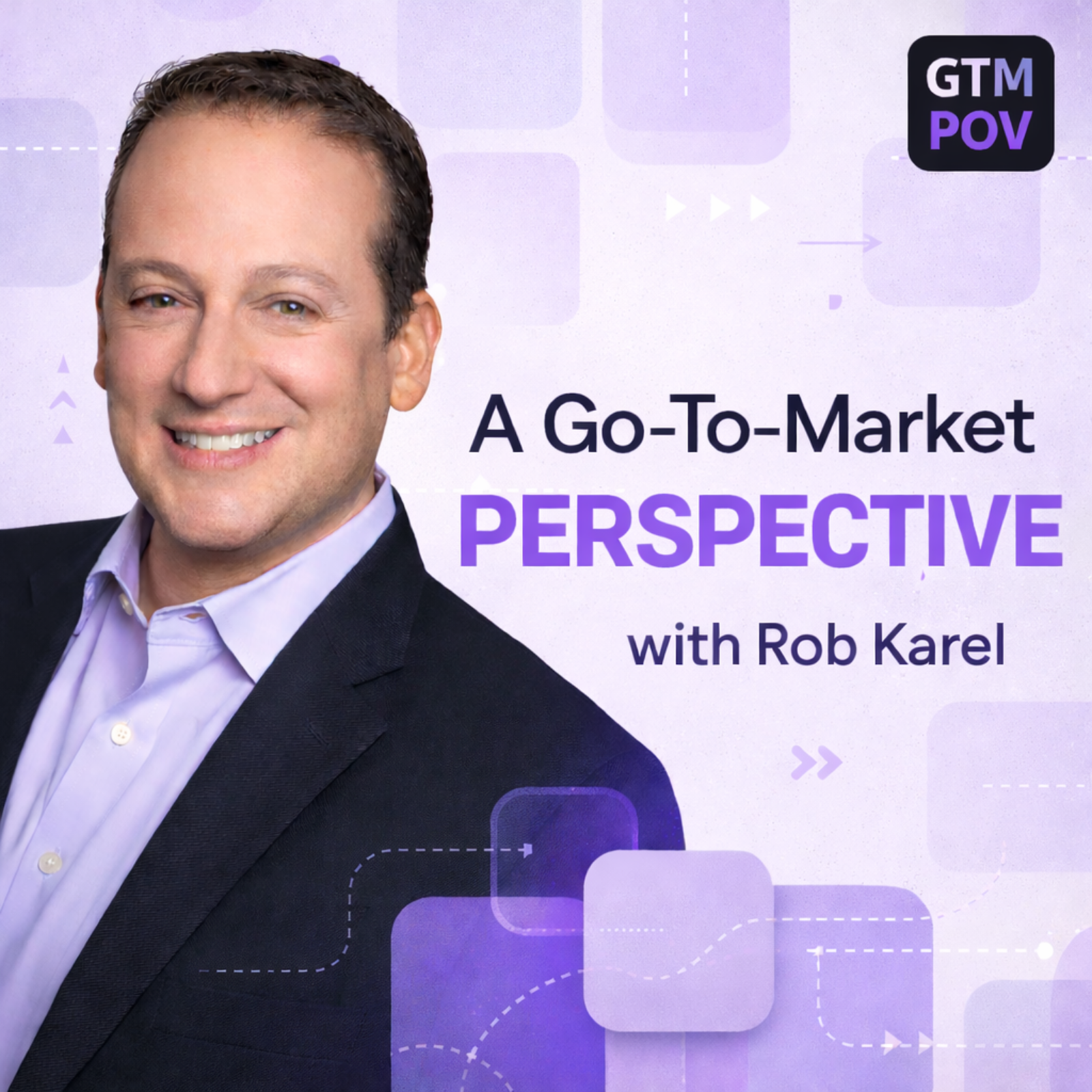
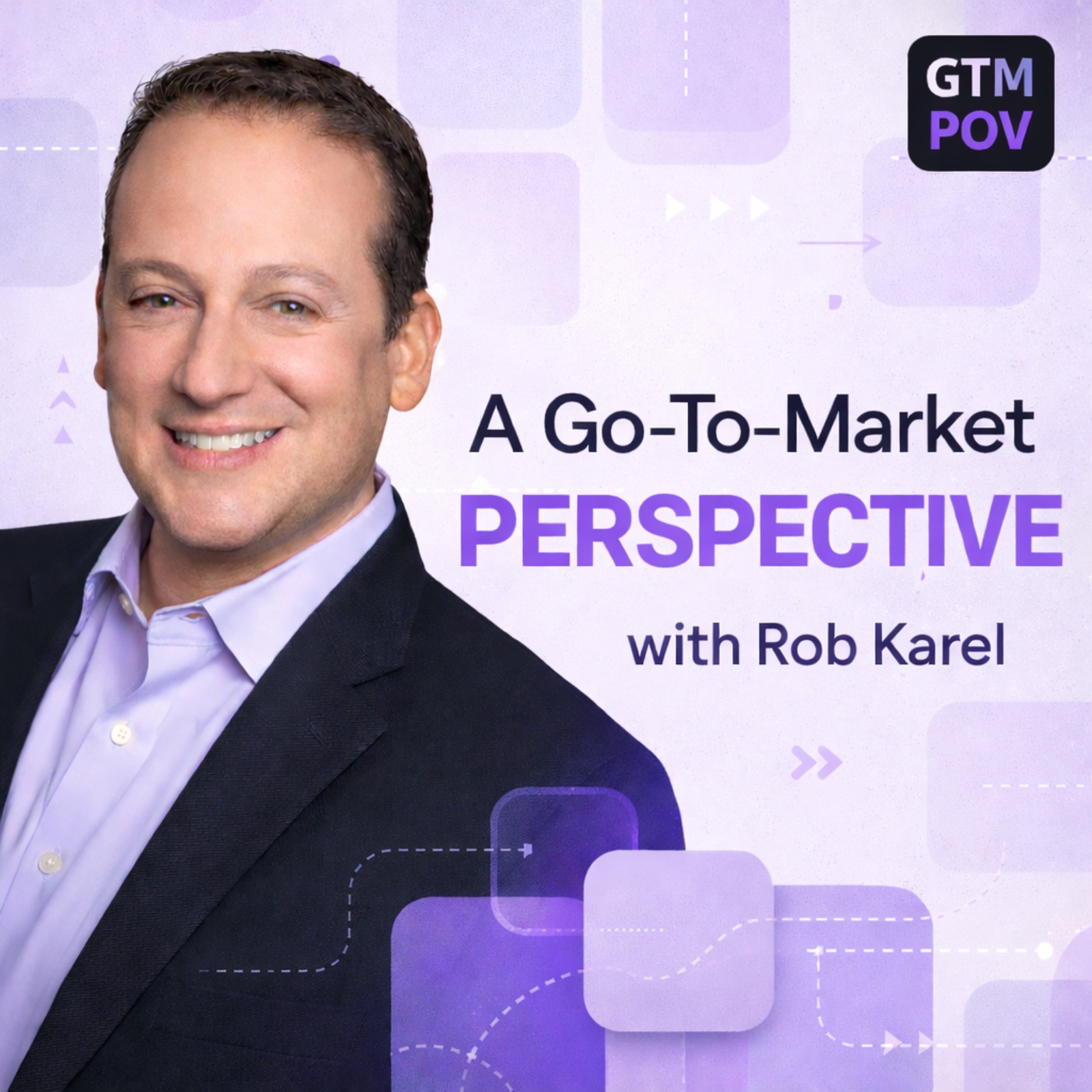
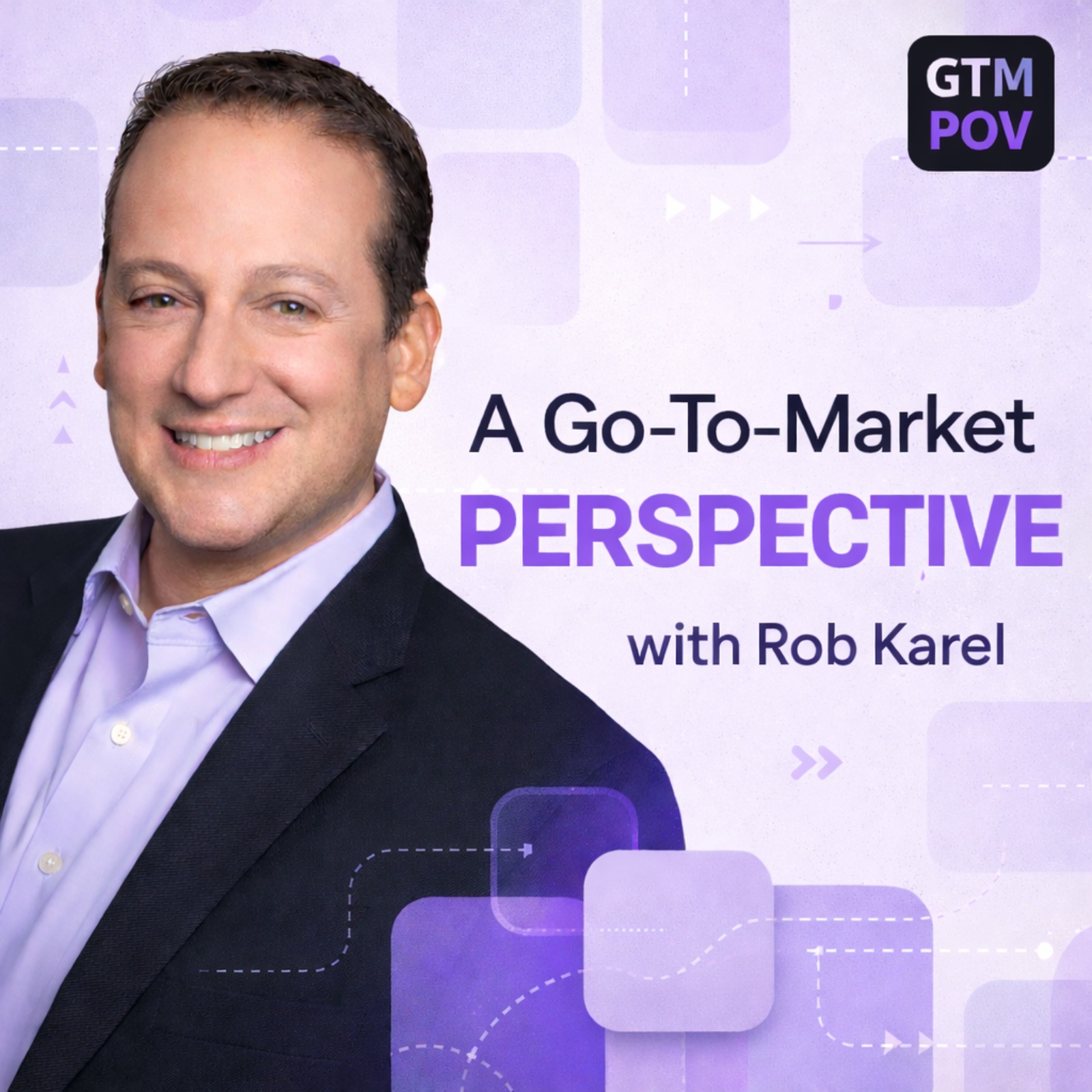
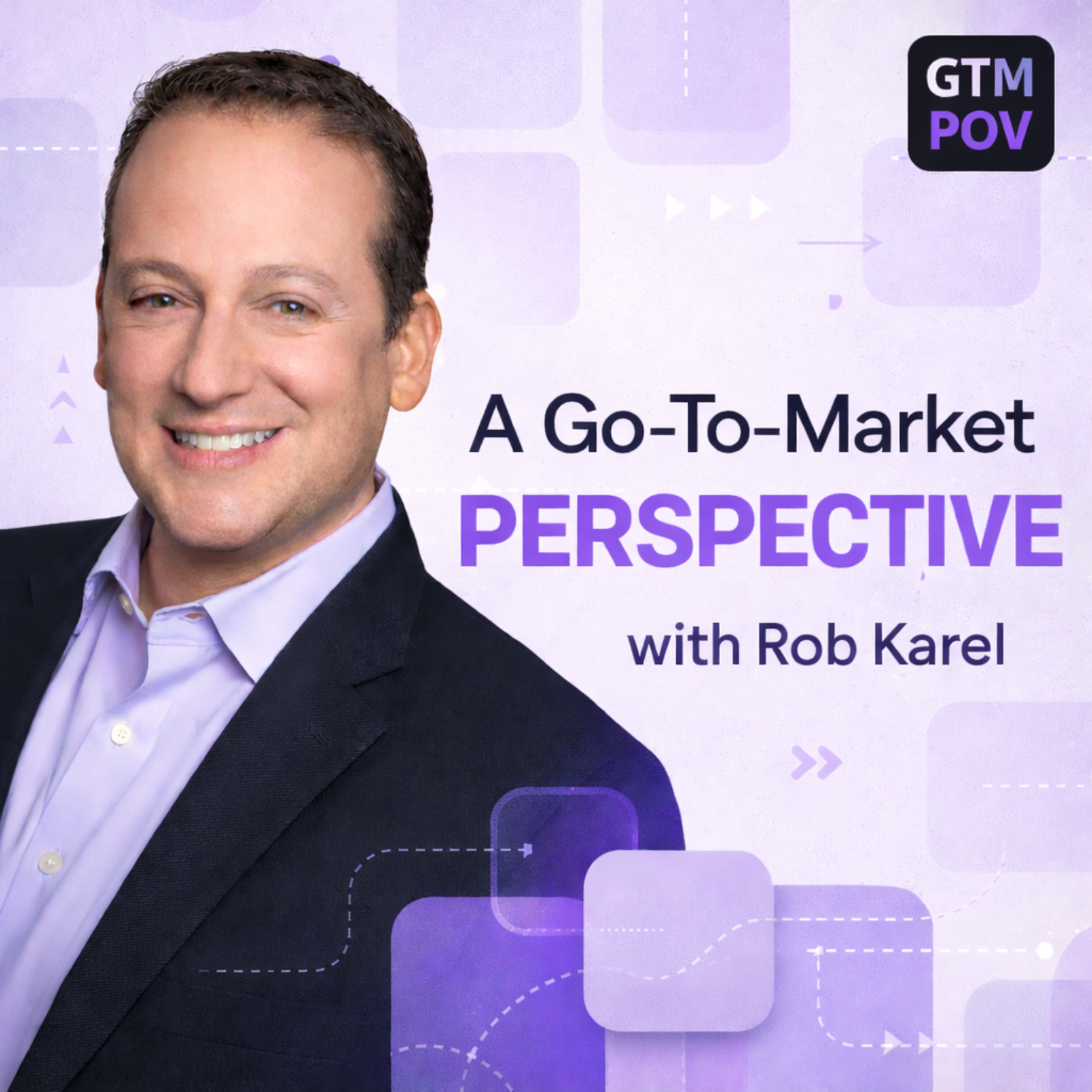
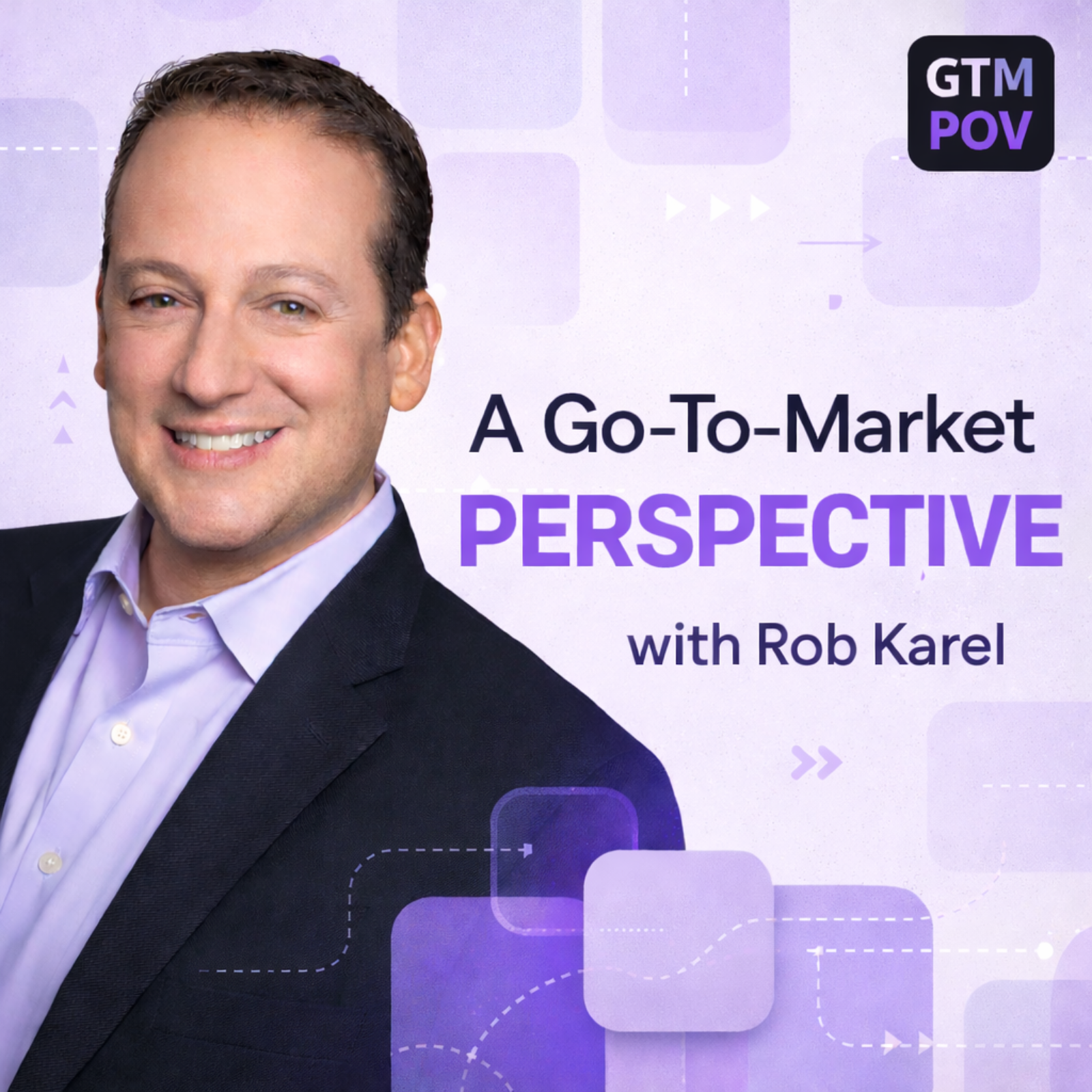
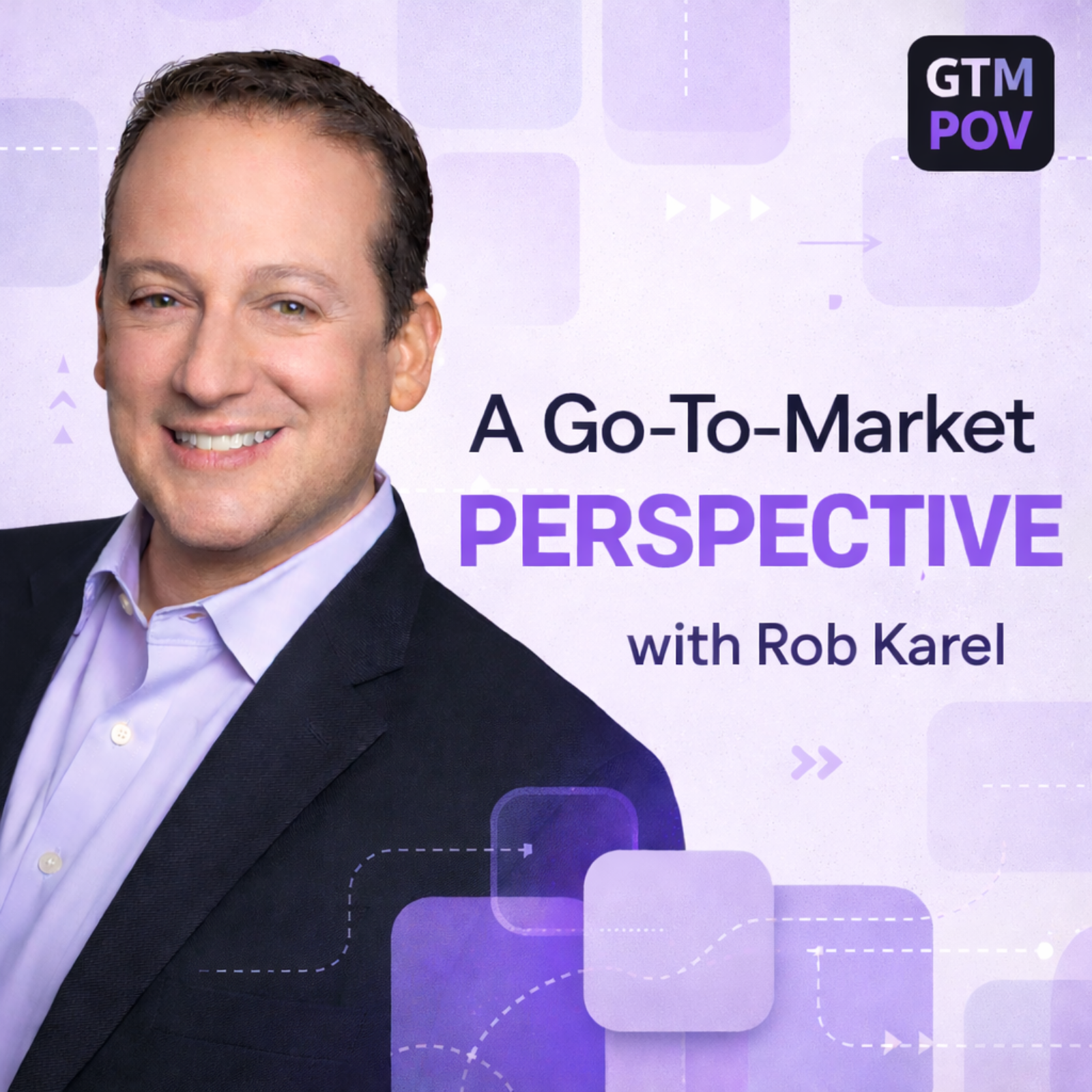
B2B tech marketers must deliver on the fundamentals: build a trusted brand, develop differentiated positioning, and generate qualified demand that sales can convert into revenue. At the same time, we must harness rapid advances in artificial intelligence (AI) to improve marketing scale and efficiency. Do more with less before being asked. The core idea behind the A Go-To-Market Perspective podcast is simple: reinforce the foundational best practices across every go-to-market discipline while discovering the hype-free AI innovations delivering real impact today. Each episode features in-depth conversations with experienced marketing leaders across product marketing, demand generation, brand, content, PR, analyst relations, customer advocacy, sales enablement, and more. We go deep into what consistently works: the frameworks, tradeoffs, and operating models behind high-performing teams. Critically, guests will also share how they are thoughtfully leveraging AI to evolve their specific functions and processes, with a focus on practical, responsible applications that enhance execution without compromising results. Hosted by Rob Karel , a seasoned B2B SaaS marketing executive with more than 25 years of experience across product marketing, go-to-market strategy, brand, and executive storytelling. Rob brings a practitioner-first perspective shaped by leadership roles in enterprise software, analyst research, and consulting—focused on what actually works to drive relevance, differentiation, and growth in complex B2B markets.
Pitch Analysis
Required Pod Score for this show. PitchCentric checks your profile against host openness, topical fit, and audience signals before you generate a pitch.
Contact path
Verified email
Booking probability
30%
Guest openness
Selective
Verified email on file
80/100
Required Score
Sign up to generate a grounded pitch for A Go-To-Market Perspective.
Our AI reads these to draft pitches. Use them as grounding for a pitch that cites a real guest and a specific topic.
Episode #18
Lights, Camera, Differentiate: Using Video to Cut Through the B2B Sea of Sameness
Sep 29, 202645 minS2
Video has always been a valuable B2B marketing tool for breaking through and building credibility. But the rules have changed. AI has made video easier and cheaper to produce than ever, creating a new problem. Buyers are wary of AI-generated content in their feeds, and attention spans keep shrinking, so the skills needed to plan and produce an impactful video are more critical than ever. In this episode, Rob sits down with Barry Epstein, President and Co-founder of Ovation Solutions, to navigate the fast-changing B2B video production channel. Barry brings decades of experience producing video for B2B tech companies across every stage, from pre-seed startups to global enterprises managing complex portfolios, and he has a clear perspective on how and when to effectively leverage video without breaking the bank as part of a balanced content strategy. The conversation covers the types of video that matter at each stage of the funnel and each stage of the company, why the message always has to come before the medium, how AI is changing the production process without changing what actually makes video effective, and why the companies that win with video aren't necessarily the ones with the biggest budgets. If you're a founder, marketer, or GTM leader trying to figure out how video fits into your strategy, and even whether it should right now, this episode is a practical, experience-backed guide to getting it right.
Your First Product Launch Isn't a Process. It's a Hypothesis
Sep 19, 202652 minS2
There are plenty of best practices available to help operationalize a repeatable launch management process: Tiering frameworks, launch readiness scorecards, go-to-market checklists. Most of them assume you have established product-market fit, plenty of customers, a validated message, and if you’re lucky, maybe even a market that’s heard of you! But what about the very first launch? The one where none of that exists? Where the product is untested, the market is unproven, and what you're really doing is placing a bet on a set of assumptions every founder must make that have yet to be validated at scale? In this episode, Rob sits down with Shannon Kearns, a product marketing and go-to-market strategy consultant, to talk about bringing a brand new product to market for the first time. Shannon has worked on both sides of the GTM spectrum, from launching direct-to-consumer mobile apps via product-led growth motions to launching enterprise B2B products with high-touch sales cycles. She’s brought nearly 20 products to market over her career and brings a unique perspective on how early-stage companies can go about winning their first several customers. If you're a founder, early-stage marketer, or GTM consultant working with companies at zero-to-one, give this episode a listen.
Stage Before Strategy: How PMM and AI Priorities Shift as B2B Companies Scale
Jul 31, 202649 minS2
AI promises to help early-stage founders move faster and to help scaling companies do more with less. And it can, but only if there’s a solid GTM foundation to start. Without strong product marketing fundamentals, AI doesn't accelerate good work. But it can definitely accelerate bad work at scale. In this episode, Rob sits down with Jonathan Pipek, Founder of Blue Manta Consulting, to explore how product marketing and AI look fundamentally different depending on a company’s stage. Jonathan works across both worlds, and he's seeing very different failure patterns at each stage. This conversation covers what product marketing needs to get right before AI can be useful, how AI usage should evolve as a company scales, and why the strategic decisions around positioning, packaging, and ICP still require human judgment that no model can replicate. If you're a founder, PMM leader, or GTM executive trying to figure out where AI helps and where it quietly makes things worse, this episode is a grounded reality check from the front line.
Can the CRO Trust the Data? RevOps, AI, and the Insight Gap
Jul 22, 202644 minS2
RevOps has always been the team that produces the dashboards. And CROs don't just want data. They expect insights and recommendations. They want to understand pipeline health and velocity, sales rep performance, and forecast accuracy. And RevOps is expected to use AI to deliver these insights at scale. The problem is that AI alone isn't delivering on that promise. Sales leaders are uploading spreadsheets to AI tools and getting different answers every time. Agents and bots are being built on top of a data infrastructure that was never designed to support them. And RevOps teams are caught in the middle - under pressure to deliver intelligence while working with data that's inconsistent, ungoverned, and increasingly coming from everywhere at once. In this episode, Rob sits down with two guests who have lived this problem from different angles. Darwin Singson, Global Revenue Enablement and Sales Automation Lead from former companies: Salesforce, Informatica, Automation Anywhere, Eventbrite. He has spent years building the AI-driven workflows and automation systems that RevOps teams need but rarely have. Naresh Govindaraj, CEO and Founder of AIdeaBlocks, is building infrastructure specifically designed to address the trust and data quality gap that sits between AI tools and the reliable insights GTM leaders actually need. If you lead RevOps, Sales Ops, revenue intelligence, or GTM strategy - or if you're a CRO who's still not sure whether to trust what your ops team's AI is telling you - give this episode a listen.
Operationalizing AI in Marketing: Reality vs. Hype
Jul 17, 202646 minS2
Sure, everyone says they're operationalizing AI for marketing, but inside most B2B organizations, there’s a lot less transformation going on and a lot more chaos. Shadow AI, talk of AI governance without an understanding of the processes being improved, and board pressure to show efficiency gains before anyone has figured out what good looks like. In this episode, Rob sits down with John Schneider, VP of Platform and Ecosystem Marketing at UKG, to separate the reality of AI-driven marketing transformation from the hype surrounding it. John brings a practitioner's lens to what it takes to move from experimentation and shadow AI to a genuinely empowered, AI-forward marketing organization - and why the heart of that transformation has less to do with tools and more to do with people enablement, process redesign, and a strong partnership with IT. If you're a marketing leader navigating board pressure, shadow AI sprawl, and the very real challenge of building an AI-forward org without losing what makes great marketing great, be sure to tune in to this one.
Every question we get asked before someone starts their trial.
If you have a concern about deliverability, AI quality, data privacy, or whether this will actually work for your specific situation, it's probably answered below.
What is the difference between Founder Solo and Founder Pro?
Founder Solo gives you 50 AI pitches per month using the credit model (Standard pitches cost 1 credit, Enriched pitches cost 2). Founder Pro raises that to 200 credits per month and adds full Booking Probability access, unlimited Magic Match, Apollo enrichment credits, and data export capabilities. Both plans use the same credit system, so you can stretch your monthly budget further by using Standard-mode drafting.
How do agency tiers work?
Agency tiers have no base fee. You pay per managed client and per talent profile. Agency Standard is $199 per client per month; Agency Pro is $399 per client per month. Both add $39 per talent profile per month. Your own team's user seats are always free.
What is a talent profile?
A talent profile represents one person (founder, executive, or spokesperson) you are booking onto podcasts. It includes their bio, topics, headshots, and outreach history. Team plans include 5 profiles; agency plans are pay-as-you-go.
Can I switch plans later?
Yes, at any time. Upgrades take effect immediately; downgrades apply at the end of the current billing period. Contact support if you need help migrating between plan families.
Do you offer a free trial?
Every paid plan includes a 15-day free trial. Your card is saved at signup but you will not be charged until day 16. Cancel any time from your dashboard.
What happens if I cancel?
You keep access until the end of your current billing period. No charges after that. Your data is retained for 30 days in case you reactivate.
Is the 20% annual discount automatic?
Yes. Select Annual on the pricing toggle and the discounted price is applied automatically at checkout. The annual price shown is the full year cost.
What if I have more than 50 profiles or 20 clients?
That is our Enterprise tier. Contact our sales team and we will build a custom plan with volume pricing, a dedicated account manager, and SLA guarantees.