
Episode #27
Thirty-nine Articles
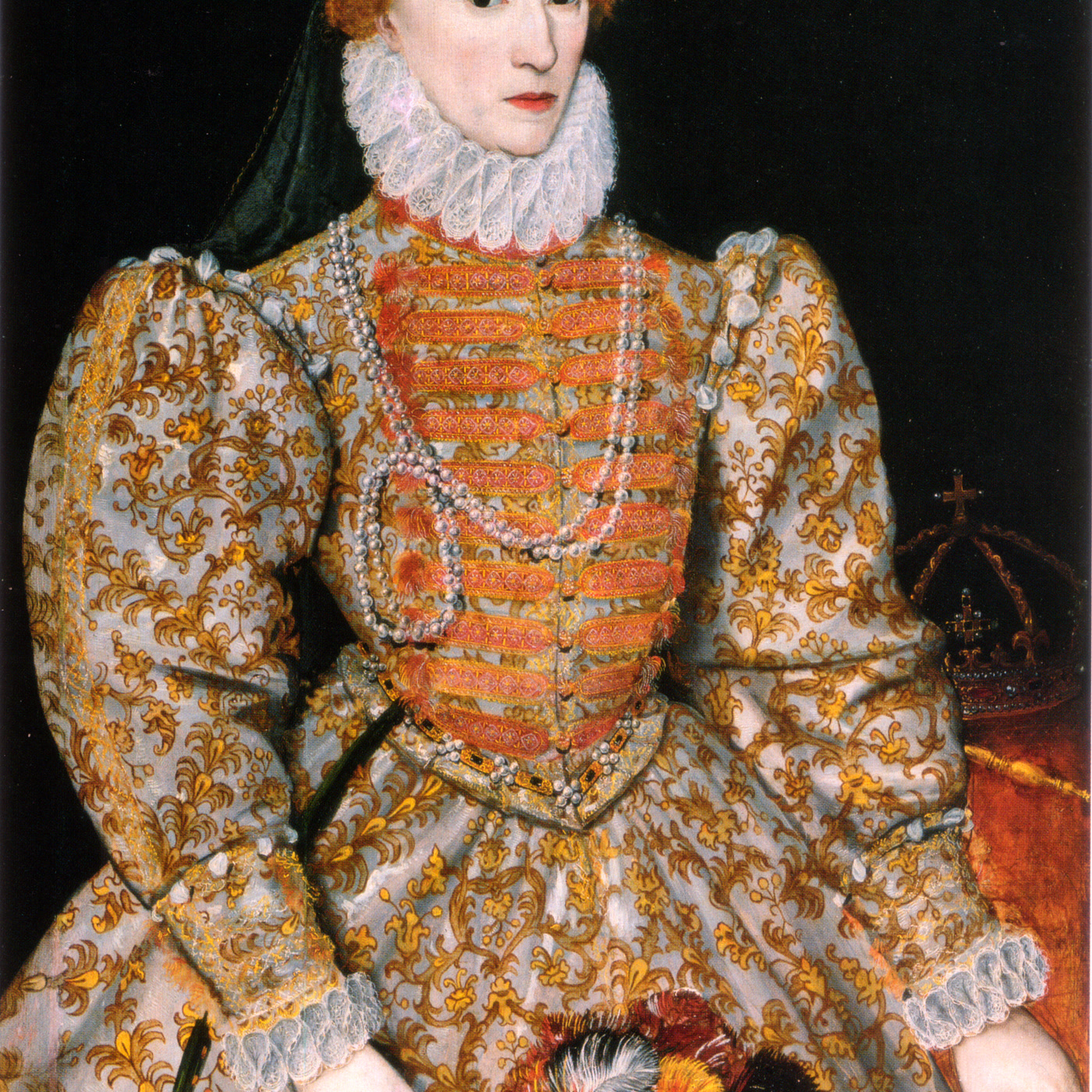
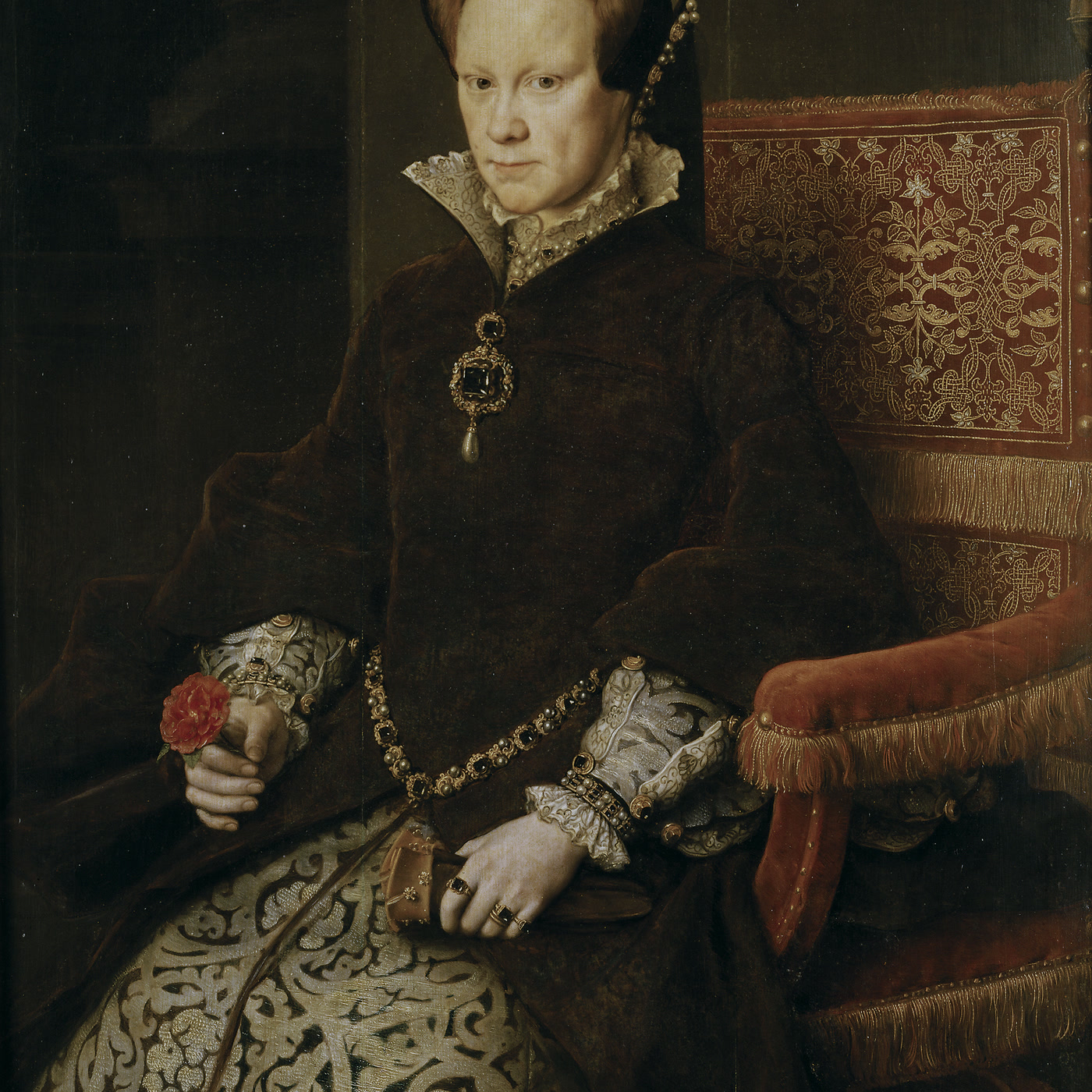
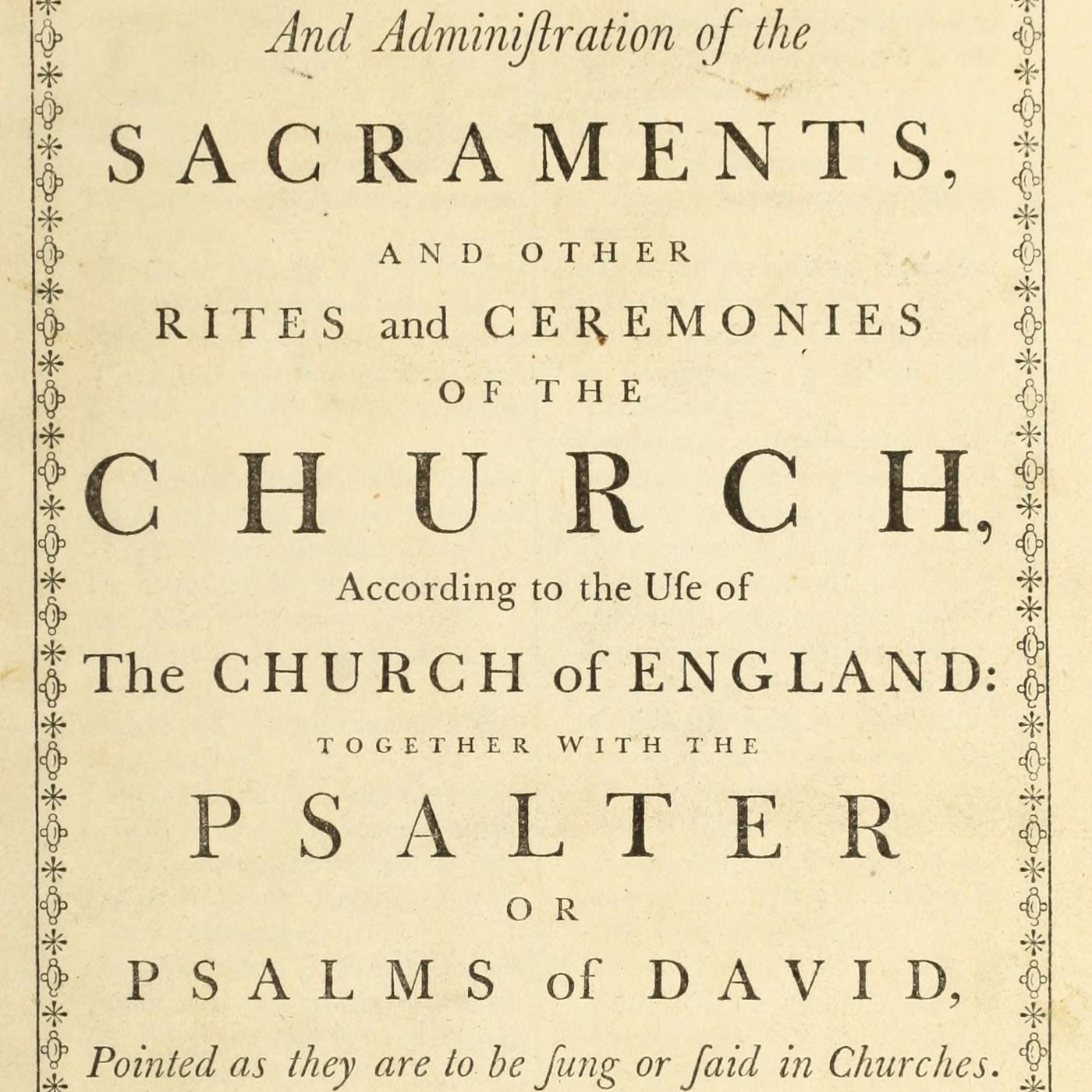
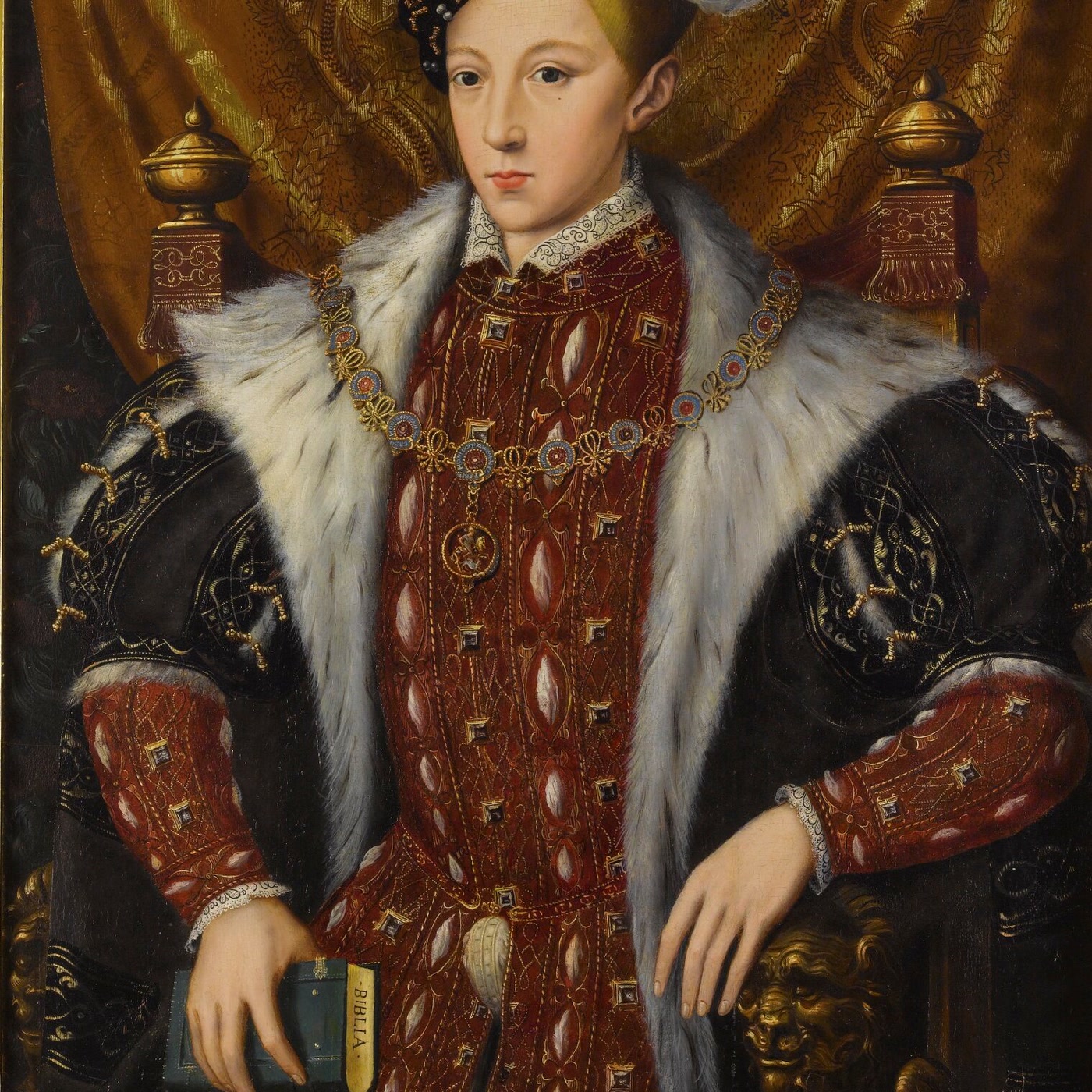
The Thirty-nine Articles of Religion (commonly abbreviated as the Thirty-nine Articles or the XXXIX Articles), finalised in 1571, are the historically defining statements of doctrines and practices of the Church of England with respect to the controversies of the English Reformation. The Thirty-nine Articles form part of the Book of Common Prayer used by the Church of England, and feature in the theology of much of the worldwide Anglican Communion (including the Episcopal Church of the United States), and that of denominations outside the Anglican Communion that identify with the Anglican tradition (see Continuing Anglican movement). When Henry VIII broke with the Church of Rome and was excommunicated, he began the reform of the Church of England, which would be headed by the monarch (himself), rather than the pope. At this point, he needed to determine what its doctrines and practices would be in relation to the Church of Rome and the new Protestant movements in continental Europe. A series of defining documents were written and replaced over a period of thirty years as the doctrinal and political situation changed from the excommunication of Henry VIII in 1533, to the excommunication of Elizabeth I in 1570. These positions began with the Ten Articles in 1536, and concluded with the finalisation of the Thirty-nine articles in 1571. The Thirty-nine articles ultimately served to define the doctrine of the Church of England as it related to the Four Marks of the Church and to Calvinist doctrine and Roman Catholic practice. The articles went through at least five major revisions prior to their finalisation in 1571. The first attempt was the Ten Articles in 1536, which showed some slightly Protestant leanings – the result of Henry VIII's desire for a political alliance with the German Lutheran princes. The next revision was the Six Articles in 1539 which swung away from all reformed positions, and then the King's Book in 1543, which re-established most of the earlier Catholic doctrines. In 1552, during the reign of Edward VI, Henry VIII's son, the Forty-two Articles were written under the direction of Archbishop Thomas Cranmer. It was in this document that Calvinist thought reached the zenith of its influence in the English Church. These articles were never put into action, owing to Edward VI's death and the reversion of the English Church to Roman Catholicism under Henry VIII's elder daughter, Mary I. Finally, upon the coronation of Elizabeth I and the re-establishment of the Church of England as separate from the Catholic Church, the Thirty-nine Articles of Religion were initiated by the Convocation of 1563, under the direction of Matthew Parker, the Archbishop of Canterbury. The Thirty-nine Articles were finalised in 1571, and incorporated into the Book of Common Prayer. Although not the end of the struggle between Catholic and Protestant monarchs and citizens, the book helped to standardise the English language, and was to have a lasting effect on religion in the United Kingdom and elsewhere through its wide use. Episode artwork: Artist: Church of England. License: Public domain. Content adapted from Wikipedia (https://en.wikipedia.org/wiki/Thirty-nine_Articles), used under the Creative Commons Attribution-ShareAlike License.