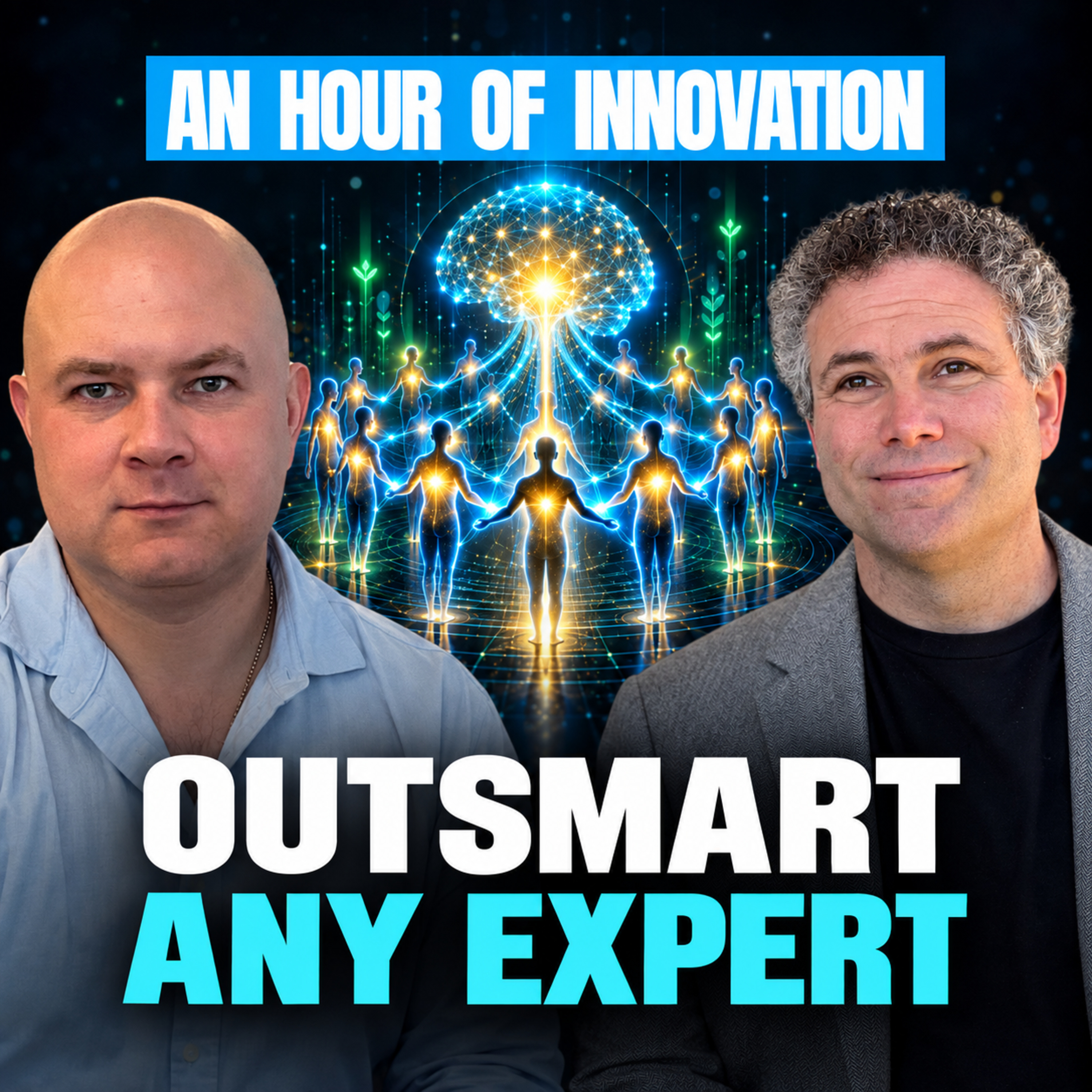
Episode #131
How to Know You’re Ready for Product Leadership | Yue Zhao
Many product managers assume leadership is the next step after doing great execution work, but the transition is not that simple. In this episode of An Hour of Innovation podcast, Vit Lyoshin speaks with Yue Zhao, product leadership coach and creator of The Uncommon Executive, about how product managers can prepare for leadership, why strong PMs sometimes struggle after being promoted, and how AI is changing product decision-making. You’ll learn: * How to know whether you are truly ready for product leadership * Why readiness is often visible in how other people seek your judgment * Why the habits that make someone a great PM can become leadership liabilities * How to broaden your scope before you have the leadership title * How to influence adjacent teams, senior leaders, and cross-functional partners * Whether courses, certifications, and brand-name programs actually help * What questions to ask before accepting your first product leadership role * How startup product leadership differs from product leadership in a large company * Why new leaders should not underestimate relationship-building and roadshows * Which decisions a product leader should make and which decisions the team should own * How to communicate hard changes without hiding the real context * Why AI makes product judgment, alignment, evals, and bottleneck thinking more important Yue Zhao is a product leader, executive coach, and creator of The Uncommon Executive. She helps product managers and leaders grow into broader leadership roles, make better decisions, build influence across organizations, and adapt to the changing expectations of product leadership in the age of AI. Timestamps 00:00 Introduction 01:12 When You’re Ready for Product Leadership 03:15 Why Some Product Managers Struggle to Become Leaders 06:33 How to Build Leadership Skills 10:33 Are Leadership Courses Worth It? 14:14 Questions to Ask Before Taking the Role 20:22 Startup vs. Big-Company Leadership 25:29 Your First Six Months as a Leader 28:03 Decision-Making: What Leaders Should Own 32:14 How to Deliver Bad News 35:32 How AI Is Changing Product Leadership 42:23 AI Skills and Finding the Real Bottleneck 46:24 Will AI Replace Product Managers? 48:36 Final Advice for Aspiring Leaders 50:27 Innovation Q&A Connect with Yue * Website: https://theuncommonexecutive.com/ * LinkedIn: https://www.linkedin.com/in/yuezhao/ * Substack: https://news.theuncommonexecutive.com/ Connect with Vit * Substack: https://anhourofinnovation.substack.com/ * LinkedIn: https://www.linkedin.com/in/vit-lyoshin/ * X: https://x.com/vitlyoshin * Website: https://vitlyoshin.com/ Support the Podcast If you enjoy the podcast, you can support it by exploring the tools below. These are affiliate links, meaning the show earns a small commission at no extra cost to you. MeetGeek: Record, transcribe, summarize, and share insights from every meeting. https://get.meetgeek.ai/yjteozr4m6ln Amplemarket: Step into the future of sales: Human + AI. Empower reps, uncover opportunities, and grow revenue. https://grow.amplemarket.com/04e068165684-affiliate Databox: Turn business performance data into clear answers your team can understand, explain, and act on – instantly. https://join.databox.com/vhw0wbr9qg9o For inquiries about sponsoring An Hour of Innovation, email iris@anhourofinnovation.com