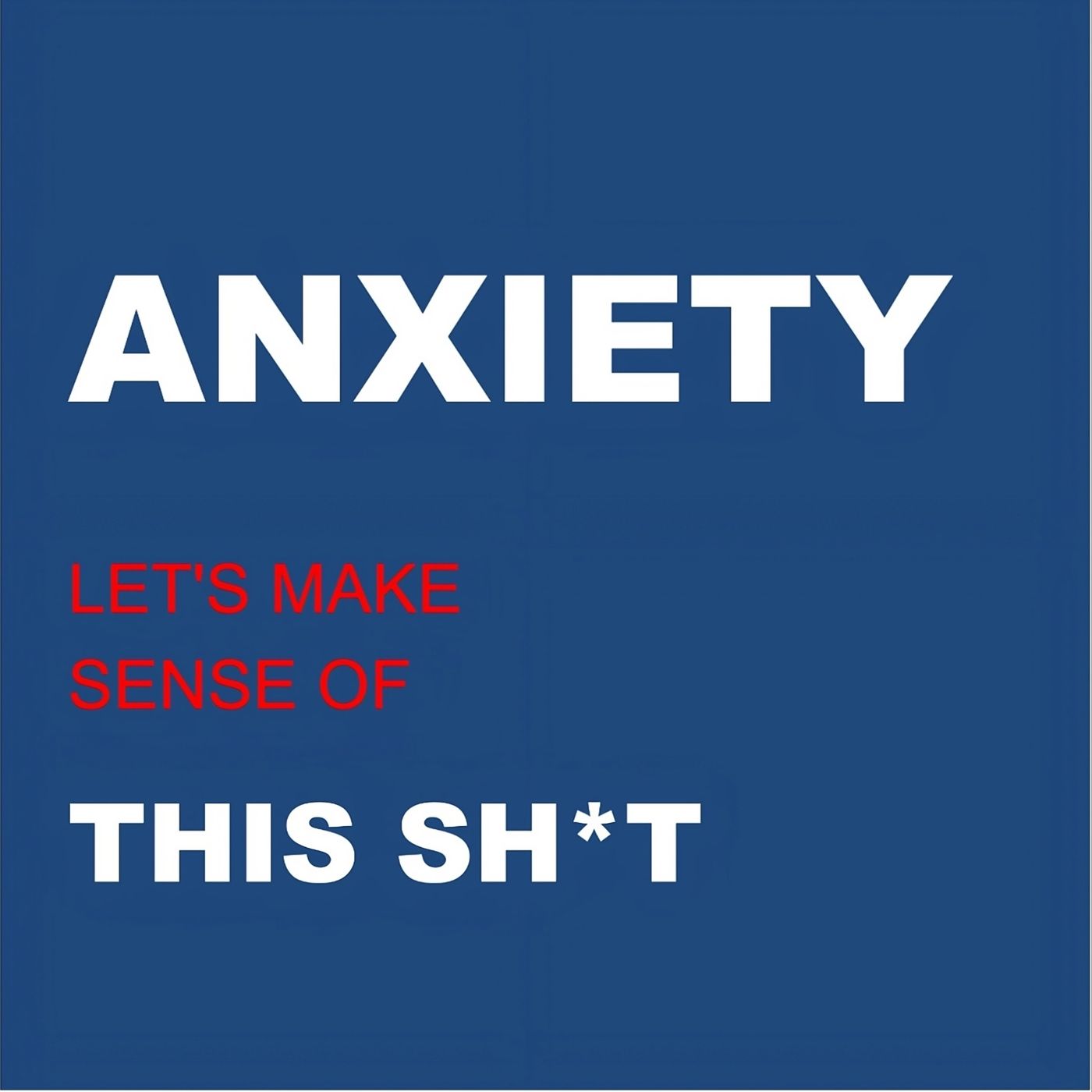
This show serves skeptical, busy adults (25–55) who want 2–5 minute, evidence-based anxiety resets they can feel in their body immediately—at work, in bed, or before a meeting. We own panic, acute anxiety, nervous system reset, vagus nerve, health anxiety, anticipatory worry, and scenario-specific protocols. We never drift into trauma/CPTSD framing, grief/loss content, or vague "just relax" advice. Speed, specificity, and mechanism-in-one-sentence are the brand promise. --- Listen on Spotify and Apple Podcasts. Search for this show on Spotify for weekly episodes on anxiety, worry, panic, and practical calm tools — new episodes every week. Topics include: Anxiety: Let's Make Sense Of This Shit. Audio for this show is produced with AI assistance. Episodes are researched, scripted, and reviewed for accuracy before release. Become a supporter of this podcast: <a href="https://www.spreaker.com/podcast/anxiety-let-s-make-sense-of-this-sh-t--6351689/support?utm_source=rss&utm_medi
Pitch Analysis
Required Pod Score for this show. PitchCentric checks your profile against host openness, topical fit, and audience signals before you generate a pitch.
Contact path
Verified email
Booking probability
33%
Guest openness
Selective
Verified email on file
82/100
Required Score
Sign up to generate a grounded pitch for ANXIETY: Let’s Make Sense of This Sh*t.
ANXIETY: Let’s Make Sense of This Sh*t is a society podcast hosted by Fabian, with 109 episodes on record and a Required Pod Score of 82. PitchCentric scores this show on Booking Probability, Listen Score, and live audience signals refreshed every 24 hours.
About the host
Fabian hosts ANXIETY: Let’s Make Sense of This Sh*t, a society show with 109 episodes published.
Our AI reads these to draft pitches. Use them as grounding for a pitch that cites a real guest and a specific topic.
ANXIETY: Let’s Make Sense of This Sh*t
Anxiety Sleep: 3-Min Body Scan When Racing Thoughts Won't Stop
Aug 7, 202629 min
In this episode, we tackle the frustrating moment when racing thoughts prevent sleep despite exhaustion. Discover how a simple three-minute body scan can signal your nervous system to calm down, bypassing logical reasoning that often fails at night. Learn to activate the parasympathetic response through focused attention on physical sensations, reducing cortisol and quieting the amygdala. This practical technique uses the vagus nerve to shift from fight-or-flight mode, offering a direct path to rest without special tools or extended time. Perfect for busy adults carrying daytime tension into bedtime, it provides a repeatable protocol to interrupt worry loops effectively tonight. Key Takeaways: • Fall asleep faster by calming your nervous system quickly • Reduce racing thoughts without arguing with your mind • Activate rest mode through simple body awareness • Lower nighttime anxiety using a no-tool technique • Build a reliable habit for better sleep quality What You'll Discover: • How the body scan bypasses mental resistance to anxiety • The role of the vagus nerve in signaling safety • Why short passes prevent frustration during practice • Personal stories showing subtle shifts in tension release • Research backing measurable drops in heart rate and thoughts Recommended Resources: • Jon Kabat-Zinn's Mindfulness-Based Stress Reduction at umassmed.edu • Body scan guidance from Harvard Health Publishing • Full Catastrophe Living by Jon Kabat-Zinn • Studies in the journal Mindfulness on body scan benefits • Free guided practices from UCLA Mindful Awareness Research Center Coming Up Next Explore quick daytime grounding tools that interrupt anxiety spikes before they build into evening restlessness. Have questions or want to share your experience? Reach out at anxiety@senseofthisshit.com . Join Our Supporters Club ($3 a month) Help keep these vital conversations alive—Click Here: https://www.spreaker.com/podcast/anxiety-let-s-make-sense-of-this-sh-t--6351689/support If you or someone you know is in crisis, call or text 988 (Suicide & Crisis Lifeline) or text HOME to 741741 (Crisis Text Line). In an emergency, call 911. This podcast is not a substitute for professional care.
Anxiety Morning: 10-Min Phone Delay Plus Box Breathing Protocol
Aug 7, 202630 min
In this episode, we explore how reaching for your phone right after waking can flood your nervous system with stress before the day starts. The habit triggers the amygdala and raises cortisol while the body is still adjusting. Instead of a full routine overhaul, Fabian shares a simple fix using a ten minute phone delay paired with box breathing. This sequence activates the parasympathetic response through steady counts and timed pauses. Listeners get exact steps to test tomorrow morning for steadier energy and less background tension. The approach builds interoceptive awareness so the body learns safety signals before messages arrive. Real studies back the timing and breathing effects for lasting shifts. Key Takeaways: - Reduce morning anxiety by delaying phone use for ten minutes. - Activate calm through box breathing before checking messages. - Lower cortisol spikes with a repeatable daily sequence. - Build body awareness for steadier energy throughout the day. - Start mornings grounded without adding time or equipment. What You'll Discover: - Why the first ten minutes shape the nervous system response. - How breath counts interrupt the HPA axis stress chain. - The difference one pause makes before notifications hit. - Simple ways the body recognizes safety through rhythm. - How consistency turns awkward steps into automatic habits. Recommended Resources: - Sleep Medicine Reviews journal article on post-waking cortisol patterns from University of California Berkeley researchers. - Journal of Behavioral Medicine 2021 study on message checking delays from University of Pennsylvania. - Mindfulness journal 2019 paper on breathing effects from Massachusetts General Hospital. - American Psychological Association guides on diaphragmatic breathing techniques. Coming Up Next Tune in to learn how to extend this calm sequence into midday resets for ongoing nervous system support. Have questions or want to share your experience? Reach out at anxiety@senseofthisshit.com . Join Our Supporters Club ($3 a month) Help keep these vital conversations alive—Click Here: https://www.spreaker.com/podcast/anxiety-let-s-make-sense-of-this-sh-t--6351689/support If you or someone you know is in crisis, call or text 988 (Suicide & Crisis Lifeline) or text HOME to 741741 (Crisis Text Line). In an emergency, call 911. This podcast is not a substitute for professional care.
In this episode, Fabian breaks down the physiological sigh, a simple two-minute breathing pattern that interrupts racing thoughts and chest tightness by activating your parasympathetic system. When anxiety hits, your amygdala often fires before conscious thought arrives, triggering cortisol and shallow breathing. This double inhale followed by a long exhale stretches the lungs, stimulates the vagus nerve, and lowers heart rate within seconds. You will learn the exact sequence you can practice at your desk, in bed, or before meetings without drawing attention. The technique builds real-time safety signals that quiet physical tension first so the mind follows naturally. Regular use strengthens prefrontal control over future spikes in arousal, offering a reliable skill that works even when thoughts feel scattered. Key Takeaways: • Calm racing thoughts within seconds using a proven breath pattern. • Lower heart rate and release chest tightness without extra effort. • Activate your parasympathetic system for fast physical relief. • Build lasting prefrontal control over anxiety responses over time. • Practice a discreet two-minute reset anywhere, anytime. What You'll Discover: • How the double inhale directly stretches lungs to trigger safety signals. • Why extended exhales reduce norepinephrine and quiet the alert state. • The surprising way jaw and shoulder release confirms the reset. • How daily practice strengthens brain pathways for earlier calm. • Why the body registers safety before the mind sorts through worries. Recommended Resources: • Huberman Lab podcast episode on breathing techniques from 2022 • Journal of Applied Physiology study on breathing and heart rate variability from 2020 • The book "Breath" by James Nestor • Stanford University resources on physiological sighs • American Psychological Association guides on vagus nerve stimulation Coming Up Next Tune in next week to explore how sleep patterns influence daily anxiety and gain practical tools for better rest and emotional balance. Have questions or want to share your experience? Reach out at anxiety@senseofthisshit.com . Join Our Supporters Club ($3 a month) Help keep these vital conversations alive—Click Here: https://www.spreaker.com/podcast/anxiety-let-s-make-sense-of-this-sh-t--6351689/support If you or someone you know is in crisis, call or text 988 (Suicide & Crisis Lifeline) or text HOME to 741741 (Crisis Text Line). In an emergency, call 911. This podcast is not a substitute for professional care.
In this episode, Fabian shares a practical ninety second under desk reset to manage sudden heart rate spikes and anxiety during work hours. This seated technique uses foot pressure, physiological sighs, and gentle leg movements to calm your nervous system without drawing attention. Listeners learn how these body first signals interrupt stress responses faster than mental reasoning alone. The method builds interoceptive awareness so you notice early signs and respond quickly at your desk, in meetings, or even in a parked car. By practicing the sequence daily you create automatic pathways that lower intensity over time and support a steadier baseline for the rest of your day. Key Takeaways: • Feel immediate calm from body signals in under two minutes • Reduce heart rate spikes without standing or leaving your desk • Build awareness of early anxiety signs through physical feedback • Create automatic responses that lower future stress intensity • Gain a repeatable tool that fits into any workday routine What You'll Discover: • Why foot pressure anchors the nervous system before breathwork begins • How a double inhale sigh activates the vagus nerve within seconds • The role of seated leg presses in clearing stress chemicals like norepinephrine • Why combining movements outperforms using breath or tension release alone • How daily practice strengthens prefrontal cortex connections to the amygdala Recommended Resources: • Harvard Health Publishing guide to physiological sighs and breathing • Mayo Clinic article on progressive muscle relaxation techniques • Book Breath by James Nestor on vagus nerve and carbon dioxide • Cell Reports Medicine study on seated tension release and heart rate • American Psychological Association resources on interoceptive awareness Coming Up Next Tune in to explore how these quick physical resets connect to longer term anxiety patterns and daily habits that build lasting resilience. Have questions or want to share your experience? Reach out at anxiety@senseofthisshit.com . Join Our Supporters Club ($3 a month) Help keep these vital conversations alive—Click Here: https://www.spreaker.com/podcast/anxiety-let-s-make-sense-of-this-sh-t--6351689/support If you or someone you know is in crisis, call or text 988 (Suicide & Crisis Lifeline) or text HOME to 741741 (Crisis Text Line). In an emergency, call 911. This podcast is not a substitute for professional care.
Anxiety Fast Reset: 5-Minute Body Calm at Home or Work
Aug 5, 202626 min
In this episode, discover quick five-minute resets that calm anxiety when pressure hits without warning. You might be stuck on a work call with racing thoughts or standing in a noisy kitchen with tight shoulders after a long day. These moments call for simple body signals instead of trying to think your way out. The episode explains why breath patterns, grounding touches, and small movements reach the nervous system faster than mental arguments alone. Real stories show how adding movement after breathing changes the physical state and lets you stay present. Listeners learn exact counts like four seconds in and six seconds out that fit anywhere without drawing attention. The methods build habits through calm practice so they activate automatically later. This approach lowers chest tightness and jaw tension in real time while keeping the full sequence under five minutes for busy schedules. Key Takeaways: • Feel calmer within minutes using body signals that quiet the nervous system fast. • Reduce chest tightness and scattered thoughts during unexpected stress moments. • Build automatic habits that work at work or home without extra time. • Stay present in meetings or family chaos by discharging restless energy quickly. • Lower physical anxiety signs so you finish tasks without later spirals. What You'll Discover: • Breath counts alone may fall short until paired with simple movement. • Grounding by naming sights and textures drops heart rate in under two minutes. • The body registers safety through posture changes before the mind catches up. • Short sequences practiced when calm become reliable tools in urgent times. • External focus interrupts internal worry loops more effectively than debate. Recommended Resources: • Dr. Andrew Weil 4-7-8 breathing technique on drweil.com • American Institute of Stress articles on box breathing at stress.org • Behaviour Research and Therapy journal studies on grounding methods • Mayo Clinic progressive muscle relaxation guides Coming Up Next Tune in next week to explore tailored variations of these resets for phone calls and bedtime so you gain even faster relief in daily pressure points. Have questions or want to share your experience? Reach out at anxiety@senseofthisshit.com . Join Our Supporters Club ($3 a month) Help keep these vital conversations alive—Click Here: https://www.spreaker.com/podcast/anxiety-let-s-make-sense-of-this-sh-t--6351689/support If you or someone you know is in crisis, call or text 988 (Suicide & Crisis Lifeline) or text HOME to 741741 (Crisis Text Line). In an emergency, call 911. This podcast is not a substitute for professional care.
Every question we get asked before someone starts their trial.
If you have a concern about deliverability, AI quality, data privacy, or whether this will actually work for your specific situation, it's probably answered below.
What is the difference between Founder Solo and Founder Pro?
Founder Solo gives you 50 AI pitches per month using the credit model (Standard pitches cost 1 credit, Enriched pitches cost 2). Founder Pro raises that to 200 credits per month and adds full Booking Probability access, unlimited Magic Match, Apollo enrichment credits, and data export capabilities. Both plans use the same credit system, so you can stretch your monthly budget further by using Standard-mode drafting.
How do agency tiers work?
Agency tiers have no base fee. You pay per managed client and per talent profile. Agency Standard is $199 per client per month; Agency Pro is $399 per client per month. Both add $39 per talent profile per month. Your own team's user seats are always free.
What is a talent profile?
A talent profile represents one person (founder, executive, or spokesperson) you are booking onto podcasts. It includes their bio, topics, headshots, and outreach history. Team plans include 5 profiles; agency plans are pay-as-you-go.
Can I switch plans later?
Yes, at any time. Upgrades take effect immediately; downgrades apply at the end of the current billing period. Contact support if you need help migrating between plan families.
Do you offer a free trial?
Every paid plan includes a 15-day free trial. Your card is saved at signup but you will not be charged until day 16. Cancel any time from your dashboard.
What happens if I cancel?
You keep access until the end of your current billing period. No charges after that. Your data is retained for 30 days in case you reactivate.
Is the 20% annual discount automatic?
Yes. Select Annual on the pricing toggle and the discounted price is applied automatically at checkout. The annual price shown is the full year cost.
What if I have more than 50 profiles or 20 clients?
That is our Enterprise tier. Contact our sales team and we will build a custom plan with volume pricing, a dedicated account manager, and SLA guarantees.