Behind The Shield
Dan Bornstein (How Obesity affects National Security, Physical Education in Schools and Operational Readiness) - Episode 669
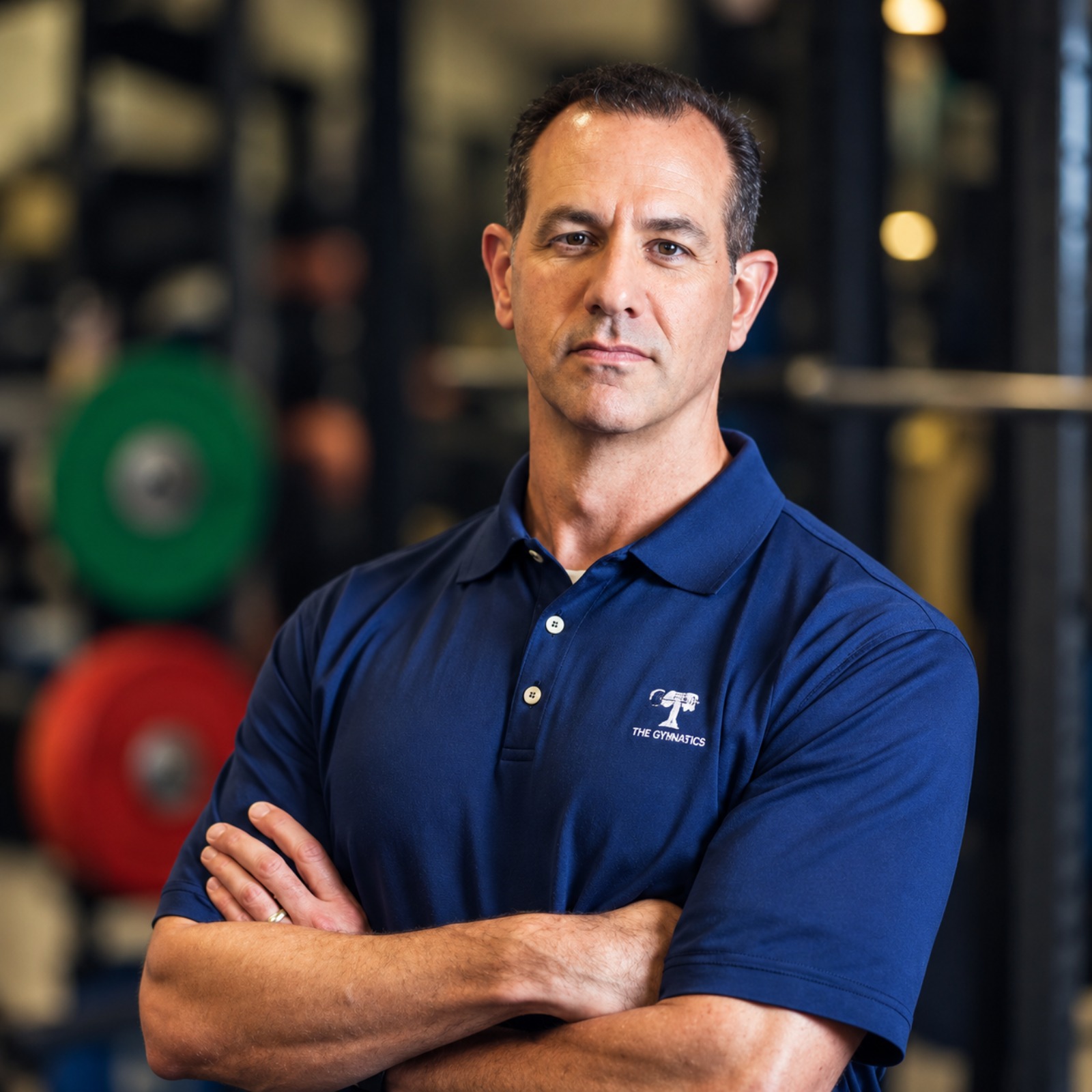
Dan Bornstein is a former volunteer firefighter, Health and Performance professor at the Citadel and Chair of the US National Physical Activity Plan. We discuss the childhood injury that led him into the fire service, obesity and national security, the financial impact of the nation's ill health, physical education, physical readiness in the tactical professions and so much more. Daniel B. Bornstein, Ph.D. is the Founding Principal at DBornsteinSolutions, LLC, which operates at the unique intersection of fitness, health, and national security. Dr. Bornstein has over 20 years of experience as a researcher, professor, and industry leader. He served as a tenured faculty member and administrator at The Citadel, The Military College of South Carolina, from 2012-2021. Dr. Bornstein arrived at The Citadel in 2012 after completing his Ph.D. in Exercise Science from the University of South Carolina. Prior to earning his Ph.D., he founded and was C.E.O. of two fitness companies based in Tucson, AZ, which focused on individual-level, holistic fitness and health for a wide variety of clients including elite sport and military athletes. However, for the past fourteen years, his work has been focused on effective strategies for increasing population levels of physical activity in order to improve the fitness, health, and security of the nation. At The Citadel, Dr. Bornstein was the Founding Director of the Center for Performance, Readiness, Resiliency, and Recovery (CPR3). The CPR3 was the realization of Dr. Bornstein's vision to establish a multidisciplinary, collaborative center with academic, research, and community engagement programs, all focused on improving the holistic fitness and health of service members, veterans, first responders, and members of the community. As the CPR3 Director and an Associate Professor in the Department of Health and Human Performance, Dr. Bornstein led the development and implementation of the World’s first undergraduate and graduate degree programs in the sub-specialty of tactical strength and conditioning. Dr. Bornstein actively publishes in leading scientific journals and presents regularly at national and international scientific conferences. His research has been featured in over 130 media outlets worldwide, including USA Today, Newsweek, Stars and Stripes, and National Public Radio and his co-edited book Physical Activity and Public Health Practice has been widely adopted in undergraduate and graduate programs. Based on his research and experience, Dr. Bornstein has provided numerous briefings to senior military personnel and lawmakers, including briefings at The Pentagon and Capitol Hill. Dr. Bornstein holds and has held several national leadership positions. Currently, he is Chair of the Military Sector for the U.S. National Physical Activity Plan. Previously, he was Project Coordinator for the U.S. National Physical Activity Plan, and Chair of the American Public Health Association’s Physical Activity Section. Dr. Bornstein has also served on several national committees including the U.S. Department of Health and Human Services Committee on Physical Activity Communications, and the American Heart Association’s Expert Advisory Group on Physical Education and Physical Activity Policy in Schools.