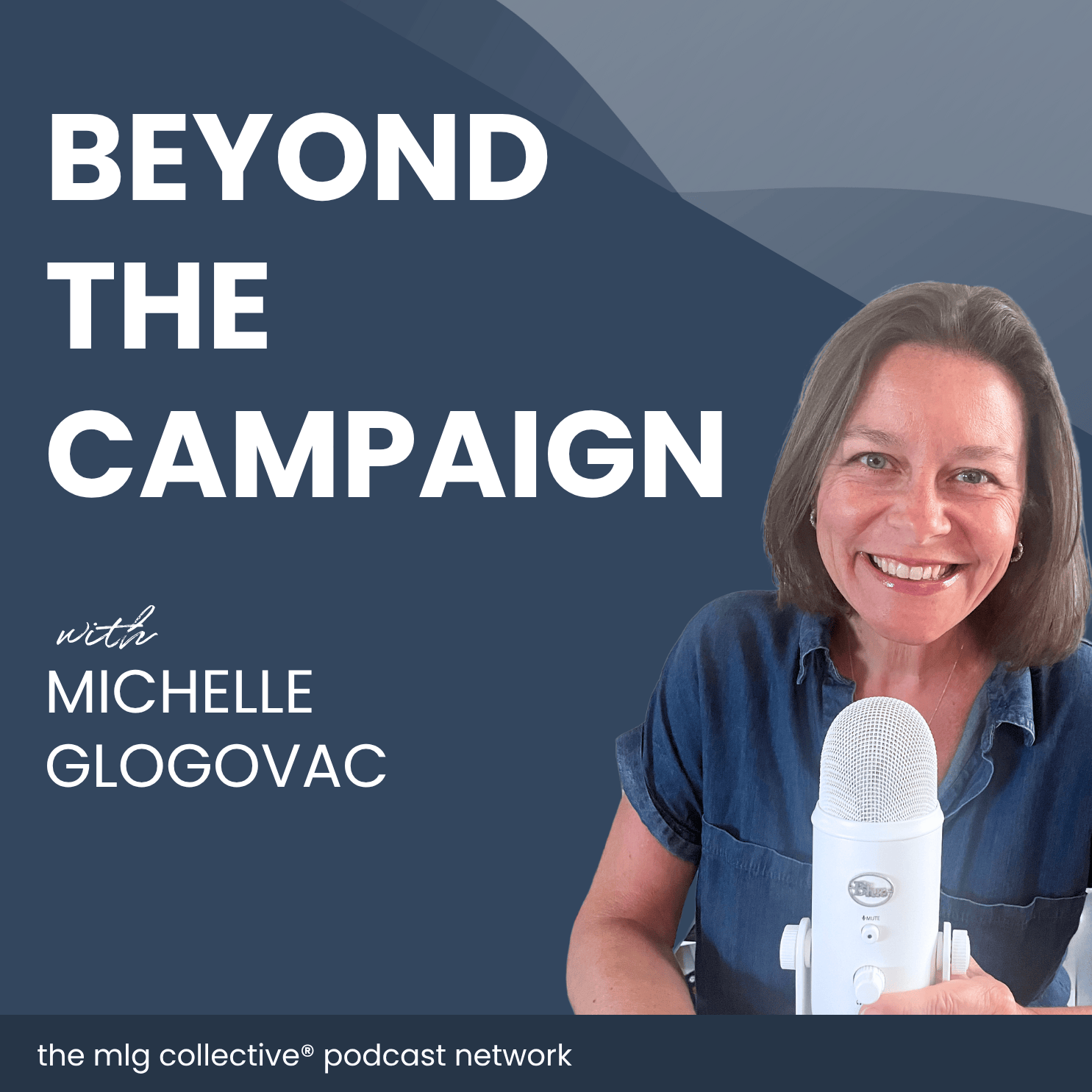
Beyond The Campaign™ is a conversation show about the people, experiences, and decisions that shape public life. Hosted by Michelle Glogovac—THE Podcast Matchmaker®, award-winning publicist, and Webby-nominated host—the show goes past talking points to explore how beliefs are formed, how power is experienced, and how real lives intersect with policy, culture, and community. Guests include candidates and elected officials, as well as journalists, advocates, creators, survivors, and everyday people whose stories reveal what leadership, responsibility, and influence actually look like in practice. These are candid, human conversations about why people step forward, what they carry with them, and how their choices affect the rest of us. Whether you follow politics closely or just want to better understand the world around you, Beyond The Campaign™ offers context, clarity, and connection — not just commentary. Michelle is also the host of Read The Damn Book™ and co-host of BURNT, part of The MLG Collective® Podcast Network, amplifying voices that matter. New episodes weekly.
Pitch Analysis
Required Pod Score for this show. PitchCentric checks your profile against host openness, topical fit, and audience signals before you generate a pitch.
Contact path
Public web form
Booking probability
31%
Guest openness
Selective
80/100
Required Score
Sign up to generate a grounded pitch for Beyond The Campaign.
Our AI reads these to draft pitches. Use them as grounding for a pitch that cites a real guest and a specific topic.
Episode #50
How California Is Changing Social Media For Kids with Assemblymember Josh Lowenthal (CA-69)
Sep 24, 202637 min
In this episode of Beyond the Campaign, Assemblymember Josh Lowenthal discusses California legislation aimed at addressing the impact of social media on children and teens, including AB 1709 and AB 2. The conversation explores how addictive social media features can affect young people, the need for greater oversight and accountability from social media platforms, and efforts to create safer online environments for youth. Josh also shares insights into the role of parents, communities, and policymakers in protecting children online and addressing the growing concerns surrounding social media use, youth well-being, and digital safety. What We're Talking About... California legislation AB 1709 and AB 2 addressing social media and youth safety Addictive social media features and their impact on children and teens Age verification and protections for teen social media accounts Social media use and its impact on youth mental health and well-being Government oversight and regulation of social media and technology companies Corporate accountability and penalties for negligence or harm to young users The role of parents, families, and communities in protecting children online Tech industry incentives, corporate interests, and Wall Street’s influence on social media platforms Chapters 00:00 Introduction to the episode and Assemblymember Josh Lowenthal 00:52 Overview of California's social media bills AB 1709 and AB 2 03:21 Details of AB 1709 and its focus on age restrictions and oversight 06:39 Penalties for harm and negligence under AB 2 07:46 Challenges of regulating teen accounts and verifying age 10:35 Impact of social media on youth mental health and development 12:32 The importance of ongoing measurement and regulation 15:40 Parental concerns and managing children's social media use 20:42 Tech industry incentives, Wall Street pressure, and ethical considerations 24:32 The role of social media companies as wellness companies 27:30 How parents and communities can get involved 34:26 Final thoughts and call to action for listeners Links Mentioned Info on California social media legislation: https://www.socialmediadelay.com
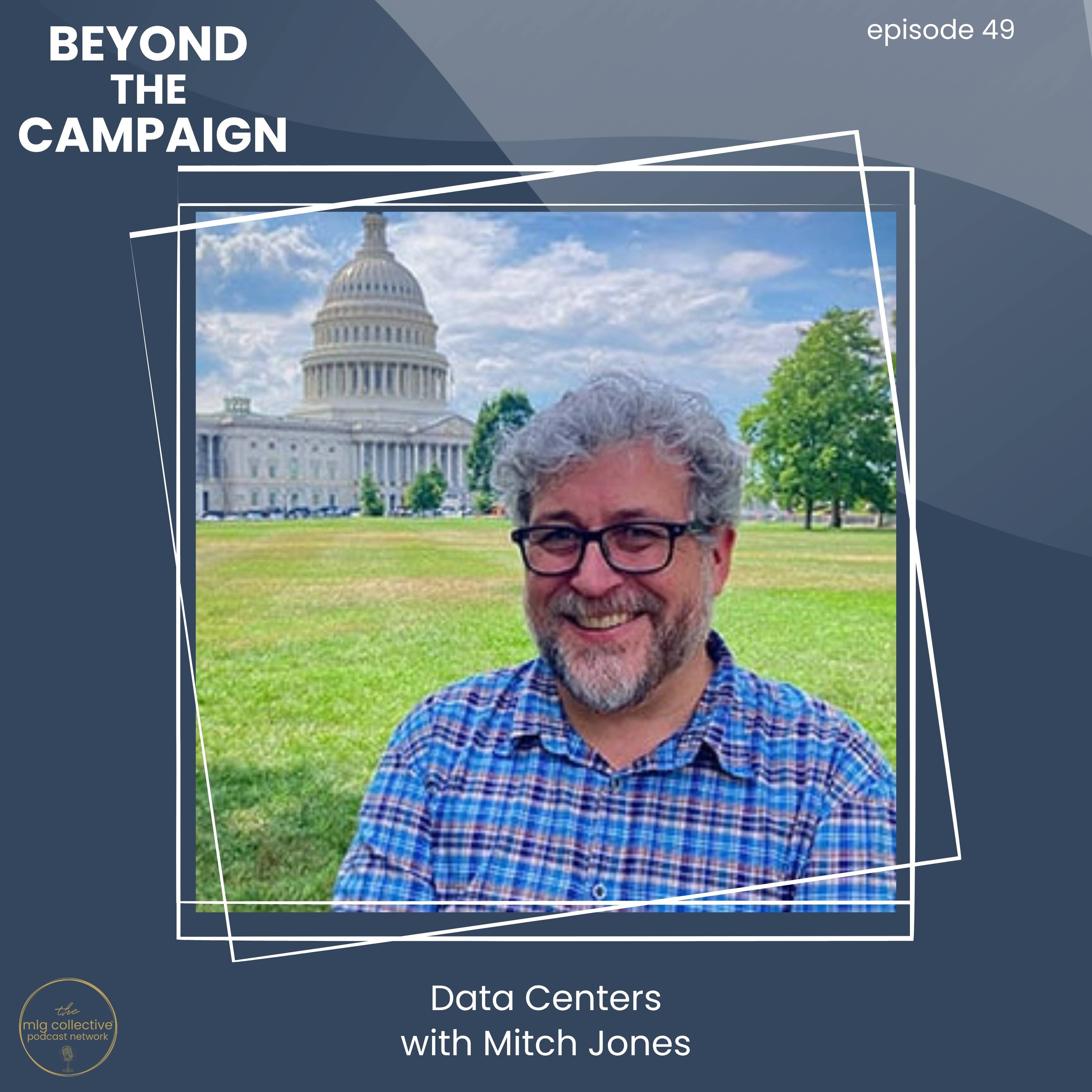
In this episode of Beyond the Campaign , Mitch Jones from Food & Water Watch explores the growing concerns surrounding data centers and the rapid development of artificial intelligence, including the potential risks of superintelligent AI. The conversation examines the environmental impact of data centers, including energy and water consumption, as well as potential public health and political consequences. Mitch also discusses how the expansion of AI infrastructure can affect local communities and why grassroots organizing, community activism, and public opposition are essential for holding corporations and policymakers accountable. Learn how communities can push back against unchecked data center development and advocate for a more sustainable and responsible approach to AI technology. What We're Talking About... The environmental impact of hyperscale data centers and AI infrastructure Data center water consumption, energy use, and strain on local resources Potential public health risks associated with data center pollution and emissions The influence of Big Tech companies and billionaires on AI and data center policy Community organizing and grassroots activism against data center expansion Legislative efforts, moratoriums, and policies aimed at regulating data centers and AI development The potential risks of superintelligent AI and concerns about human extinction Bipartisan efforts to address the environmental and societal impacts of data centers and artificial intelligence Chapters 00:00 Introduction to the episode and guest Mitch Jones 03:12 The alarming news about AI and its risks 04:41 The environmental and health impacts of data centers 08:02 Different types of data centers and their scale 10:08 Electricity and water usage of hyperscale data centers 12:18 Water pollution and chemical use in data centers 13:31 Noise and air pollution from data centers 14:01 Health impacts of smaller data centers 15:10 Disruption of local ecosystems and land use 19:02 What individuals can do to oppose data centers 20:03 Political landscape and bipartisan support for moratoriums 24:00 Legislative actions and bills to regulate AI and data centers 25:31 The global race for AI and robotics in China 27:18 Community organizing and grassroots efforts 28:05 The existential threat of superintelligent AI 30:48 The profit motive behind AI development 32:26 The potential for unity across political divides 33:24 Closing remarks and call to action Links Mentioned The Top 10 Reasons Data Centers Must Be Stopped: https://www.foodandwaterwatch.org/2026/03/04/the-top-10-reasons-data-centers-must-be-stopped/ What Do We Lose When Our Leaders Give Handouts to Data Centers: https://www.foodandwaterwatch.org/2026/06/08/data-center-tax-breaks-ohio/ Stop Data Centers Now! Campaign Toolkit: https://www.foodandwaterwatch.org/wp-content/uploads/2026/03/FOR-WEB-Toolkit_-Stop-the-Data-Center-Buildout-2.pdf
In this episode of Beyond the Campaign , Michelle Glogovac sits down with Tiffany Muller of End Citizens United to examine the growing influence of money in American politics and what it means for the future of our democracy. Tiffany breaks down the impact of dark money in elections, the history and consequences of the Citizens United Supreme Court decision, and how unlimited political spending has transformed campaign finance. She also discusses efforts to increase campaign finance transparency, advance meaningful political finance reform, and reduce the influence of wealthy donors and special interests on elections and public policy. Most importantly, Tiffany explains what ordinary Americans can do to help restore integrity to the political system—from voter engagement and grassroots activism to holding elected officials accountable. If you’ve ever wondered how money shapes elections, where dark money comes from, or what citizens can do to create a more transparent and accountable democracy, this episode of Beyond the Campaign is for you. What We're Talking About... The influence of money in American politics and the impact of campaign finance on elections The history, origins, and lasting impact of the Citizens United Supreme Court decision What dark money is and how it influences political campaigns and elections Campaign finance reform, political transparency, and efforts to reduce the influence of money in politics The importance of voter engagement, grassroots activism, and citizen participation in strengthening democracy Chapters 00:00 Introduction to the episode and guest Tiffany Muller 01:27 Who is Tiffany Muller and what is End Citizens United? 02:12 The mission to get money out of politics 03:28 Public opinion on corruption and campaign finance issues 04:40 What is Citizens United and its origins 06:04 How Citizens United changed campaign finance laws 07:44 Where does the money go in politics? 09:12 The role of super PACs and dark money 11:03 The impact of dark money on elections 12:28 The issue of stock trading and insider information in Congress 14:22 Foreign influence and corruption in politics 16:26 Recent Supreme Court rulings and their effects 19:21 How big money influences political campaigns 21:16 Strategies for fighting back against money in politics 24:30 What can ordinary Americans do to create change? 33:38 The power of voter engagement and grassroots activism 35:22 Closing thoughts and call to action Links Mentioned End Citizens United: http://www.endcitizensunited.org
How Local Communities Can Block ICE Facilities with Rep Sam Liccardo (CA-16)
Aug 25, 202626 min
In this episode of Beyond the Campaign , Michelle Glogovac interviews Congressman Sam Liccardo about the growing role of local governments and communities in shaping policy and protecting neighborhoods. They discuss efforts to prevent the development of ICE detention facilities, regulate data centers, and address the rapid growth of artificial intelligence (AI). Congressman Liccardo shares insights into legal strategies, community activism, and policy proposals designed to give local governments greater power to respond to issues affecting their communities. The conversation explores immigration policy, data center regulation, AI concerns, local government authority, and how residents can engage in efforts to influence policy and protect their neighborhoods. What We're Talking About... How local communities can use zoning laws and local ordinances to prevent ICE detention facilities How model ordinances and community toolkits can make local policy advocacy more accessible How interconnection permits and infrastructure regulations can impact data center development The role of community activism and public opposition in preventing the siting of detention facilities How federal legislation can support local governments in regulating data centers and other infrastructure Why public participation and community engagement are essential to shaping local government policies Strategies for empowering local governments and residents to protect their neighborhoods Chapters 0:00 — Opening and local context 1:10 — Why the toolkit was created 2:37 — Using local power to create barriers 4:27 — Ordinances as a defense strategy 5:51 — From ICE enforcement to community impact 6:48 — Data centers, grids, and community benefits 12:29 — What people can do to help Links Mentioned Rep Liccardo's Toolkit: https://liccardo.house.gov/ice-detention-center-land-use-ordinance-toolkit Rep Liccardo's website: https://liccardo.house.gov/
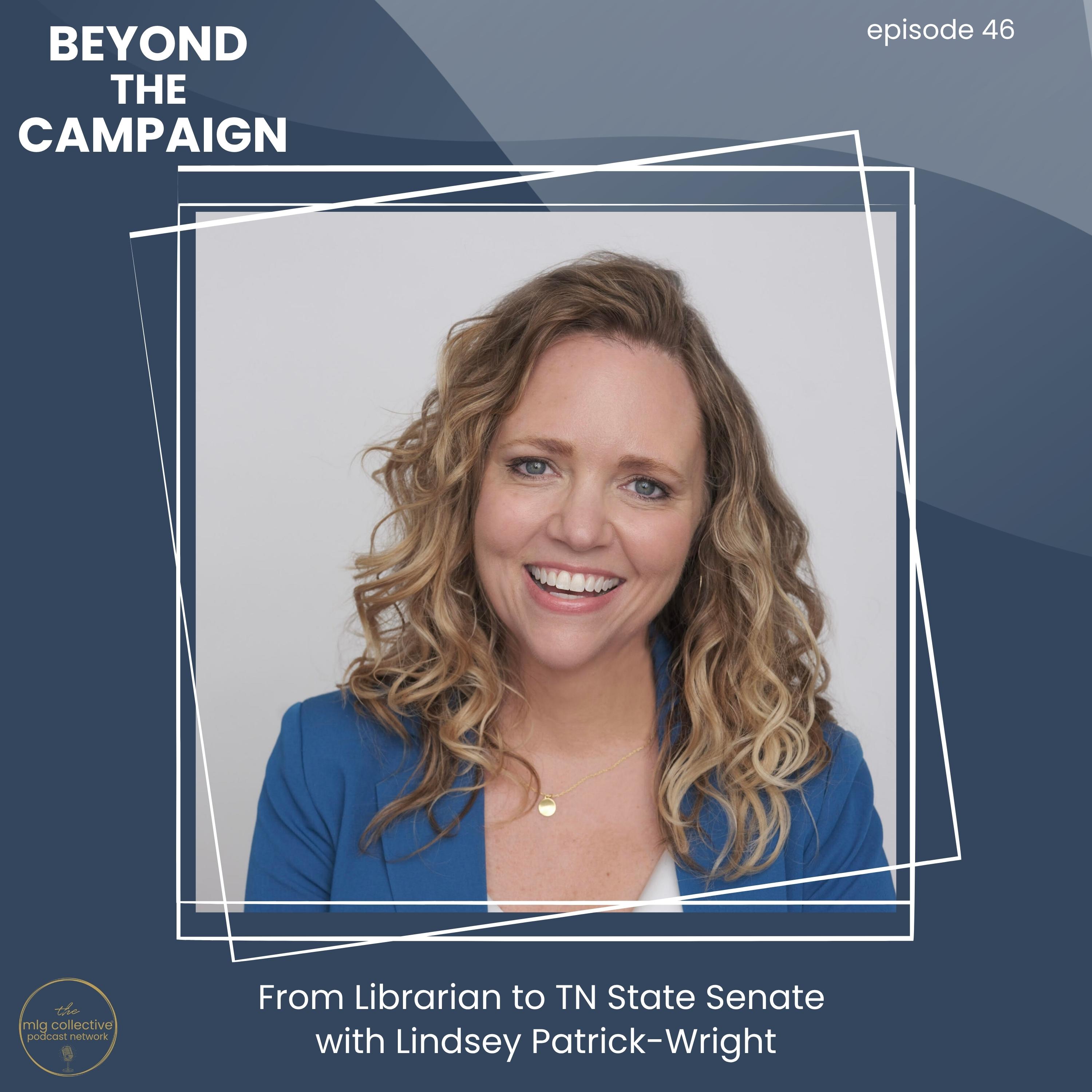
From Librarian to TN State Senate with Lindsey Patrick-Wright
Jul 16, 202641 min
In this episode of Beyond the Campaign , Lindsey Patrick Wright shares her inspiring journey from career librarian to Tennessee State Senate candidate. She discusses why public libraries are essential to strong communities, the power of grassroots activism, and her commitment to protecting human rights in a challenging political landscape. The conversation explores civic engagement, public service, and the importance of standing up for equitable policies that strengthen communities across Tennessee and beyond. What We're Talking About... Lindsey Patrick Wright's journey from librarian to Tennessee State Senate candidate The vital role of public libraries in strengthening communities and protecting democracy The impact of book banning, censorship, and intellectual freedom in schools Grassroots campaigning strategies that increase voter engagement and civic participation How social media shapes political campaigns, public discourse, and elections Why community representation matters in state and local government Strategies for flipping political seats and building momentum in Tennessee elections How national political issues influence local races and voter priorities Chapters 00:00 Introduction to Lindsey Patrick Wright and her background 02:00 Lindsey's journey from theater to librarianship 03:52 The multifaceted role of public libraries 09:03 Community activism and fighting book bans 12:50 The rise of Moms for Liberty and their impact 16:11 Lindsay's personal story and coming out as LGBTQ+ 19:50 Deciding to run for office and the low bar for candidates 26:00 Gerrymandering and the fight to flip Tennessee seats 28:59 Engaging young voters and grassroots efforts 33:01 The role of social media in modern campaigning 36:10 How to support Lindsey's campaign and get involved Links Mentioned Lindsey Patrick Wright's campaign website: https://www.lindseyfortn.com Instagram: @lindseypatrickwright
Every question we get asked before someone starts their trial.
If you have a concern about deliverability, AI quality, data privacy, or whether this will actually work for your specific situation, it's probably answered below.
What is the difference between Founder Solo and Founder Pro?
Founder Solo gives you 50 AI pitches per month using the credit model (Standard pitches cost 1 credit, Enriched pitches cost 2). Founder Pro raises that to 200 credits per month and adds full Booking Probability access, unlimited Magic Match, Apollo enrichment credits, and data export capabilities. Both plans use the same credit system, so you can stretch your monthly budget further by using Standard-mode drafting.
How do agency tiers work?
Agency tiers have no base fee. You pay per managed client and per talent profile. Agency Standard is $199 per client per month; Agency Pro is $399 per client per month. Both add $39 per talent profile per month. Your own team's user seats are always free.
What is a talent profile?
A talent profile represents one person (founder, executive, or spokesperson) you are booking onto podcasts. It includes their bio, topics, headshots, and outreach history. Team plans include 5 profiles; agency plans are pay-as-you-go.
Can I switch plans later?
Yes, at any time. Upgrades take effect immediately; downgrades apply at the end of the current billing period. Contact support if you need help migrating between plan families.
Do you offer a free trial?
Every paid plan includes a 15-day free trial. Your card is saved at signup but you will not be charged until day 16. Cancel any time from your dashboard.
What happens if I cancel?
You keep access until the end of your current billing period. No charges after that. Your data is retained for 30 days in case you reactivate.
Is the 20% annual discount automatic?
Yes. Select Annual on the pricing toggle and the discounted price is applied automatically at checkout. The annual price shown is the full year cost.
What if I have more than 50 profiles or 20 clients?
That is our Enterprise tier. Contact our sales team and we will build a custom plan with volume pricing, a dedicated account manager, and SLA guarantees.