
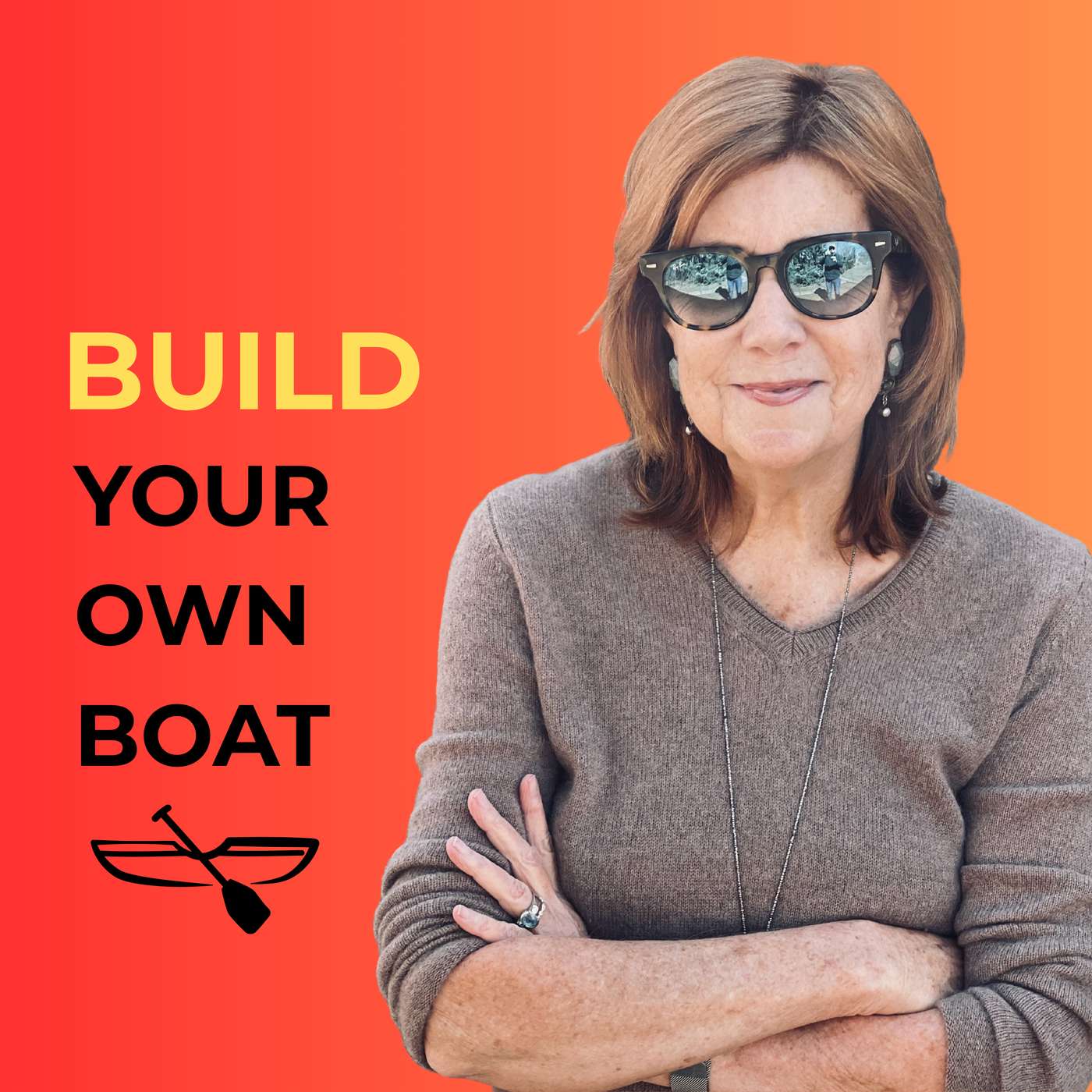
Episode #41
Why It's Not Too Late to Start a Business After 60 — Helen Hirsch Spence on Ageism, Reinvention & Building Top 60 Over 60
Episode Summary Can you build a thriving new business in your 60s and beyond — after decades inside an institution? In this episode of Build Your Own Boat, Helen Hirsch Spence proves you can. After 35 years as a leader in Canadian education — principal, founding executive of the Ontario Principals' Council, and head of an all-girls school — Helen walked away from institutional authority and, in her 60s, founded Top 60 Over 60, a social enterprise dedicated to dismantling ageism and advancing what she calls longevity literacy. Helen shares the moment atop Mount Kilimanjaro that changed everything, the decade of solo adventures that followed, and the internalized ageism that eventually sparked her life's work. She talks candidly about the hard parts of solo entrepreneurship in later life — self-promotion, learning technology from scratch, pricing, and finding clients in a brand-new market category. She also walks through self-publishing her evidence-based book, Reset: Making the Most of the Rest of Your Life, and why she urges women to trade the idea of "retirement" for reinvention. Key Takeaways Internalized ageism is structural, not personal. The loss of confidence many women feel as they age isn't a personal failing — it's the product of a culture, shaped by post-WWII economics and marketing, that has taught us to fear a natural process. Recognizing this is the first step to reclaiming your power. Self-promotion is a learnable skill, even when it feels like bragging. Helen took a year and a half to publish anything in her own voice. Her fix: get help — a friend, a mentor, or someone 20 years younger who can guide you through the digital tools and the mindset shift. Pivoting isn't failure — it's the entrepreneurial default. Helen never stopped pivoting. She argues that rigid five-year plans blind you to the real opportunities that appear along the way. Stay open and iterate, like design thinking. Niche down. Helen's biggest regret was trying to be "all things to all people." Her advice, learned the hard way: narrow your focus, or risk being nobody to everybody. Reframe retirement as reinvention. With five and six generations now alive at once and lifespans stretching toward 100+, the old "learn, earn, retire" framework is obsolete. Purpose, social engagement, and health — not a hard stop at 65 — are what make later years worth living. About Helen Hirsch Spence Helen Hirsch Spence spent 35 years as a leader in Canadian education, serving as a principal, a founding executive of the Ontario Principals' Council, and head of an all-girls school. Fluent in four languages, she spent a decade after leaving education working with international non-profits and traveling solo through countries including Bolivia, Honduras, Chile, Peru, Nepal, and Bhutan — where she wrote a travel guide for the Ministry of Tourism. After recognizing the internalized ageism shaping her own later years, she founded Top 60 Over 60, a social enterprise dedicated to ending ageism and building longevity literacy. She is a TEDx speaker and the co-author, with Deborah Yearwood, of Reset: Making the Most of the Rest of Your Life. Based in Ottawa, Helen speaks, consults, and trains organizations and individuals on aging, reinvention, and human potential in later life. Resource Stack Reset: Making the Most of the Rest of Your Life — Helen's evidence-based book, co-authored with Deborah Yearwood (available on Amazon.com, Amazon.ca, Barnes & Noble, and through local bookstores via Ingram) Top 60 Over 60 — Helen's social enterprise website, including a dedicated resources section for people starting businesses Frequently Asked Questions Is it too late to start a business after 60? No. Helen Hirsch Spence launched Top 60 Over 60 in her 60s after a 35-year career in education, with no prior background in entrepreneurship, marketing, or technology. Her core message is direct: "If I can do it, you can do it." Longer lifespans mean many people will work, learn, and build well into their 70s and 80s. What is internalized ageism? Internalized ageism (also called self-directed ageism) is when a person absorbs and applies negative cultural beliefs about aging to themselves — often experienced as declining self-confidence, self-doubt, and a critical inner voice. Helen emphasizes that ageism is structural and culturally embedded, not a personal shortcoming, which is why it's so hard to recognize in ourselves. What is longevity literacy? Longevity literacy is the understanding that modern lifespans are far longer than previous generations experienced, and that this requires rethinking work, learning, and purpose. Rather than cramming everything into the first 40–50 years and then retiring, longevity literacy encourages spreading learning, careers, caregiving, and reinvention across a much longer life. What is Helen Hirsch Spence's book Reset about? Reset: Making the Most of the Rest of Your Life is an evidence-based guide to fulfilling your potential later in life. The first half takes a deep dive into the history and structure of ageism; the second half offers practical strategies for reinvention, purpose, social engagement, and health in your later years. What advice does Helen give women leaving corporate or institutional careers? Go in with an open mind and experiment, like design thinking. Be patient with yourself — everything takes far longer than you expect, and unexpected changes often become your best opportunities. Build a support network of family, friends, or a younger mentor, and niche down rather than trying to serve everyone. Where to Find Helen Hirsch Spence Website: https://topsixtyoversixty.com/ LinkedIn: Helen Hirsch Spence Book: Reset: Making the Most of the Rest of Your Life — Amazon.com , Amazon.ca, Barnes & Noble, and your local bookstore Upcoming course: https://topsixtyoversixty.com/services/services-businesses-workshops/ About Build Your Own Boat Build Your Own Boat is a podcast series hosted by Janine Vanderburg — award-winning three-time entrepreneur and anti-ageism advocate — featuring women who have launched new entrepreneurial ventures in midlife and beyond. The series is part of a larger storytelling project that includes a Substack publication and a forthcoming book, all built around one goal: changing the narrative about who entrepreneurs are and making women in midlife and beyond visible as builders of wealth, freedom, and possibility.
