Building Better Cities
Shared Equity and a New Dream of Homeownership with Tony Pickett
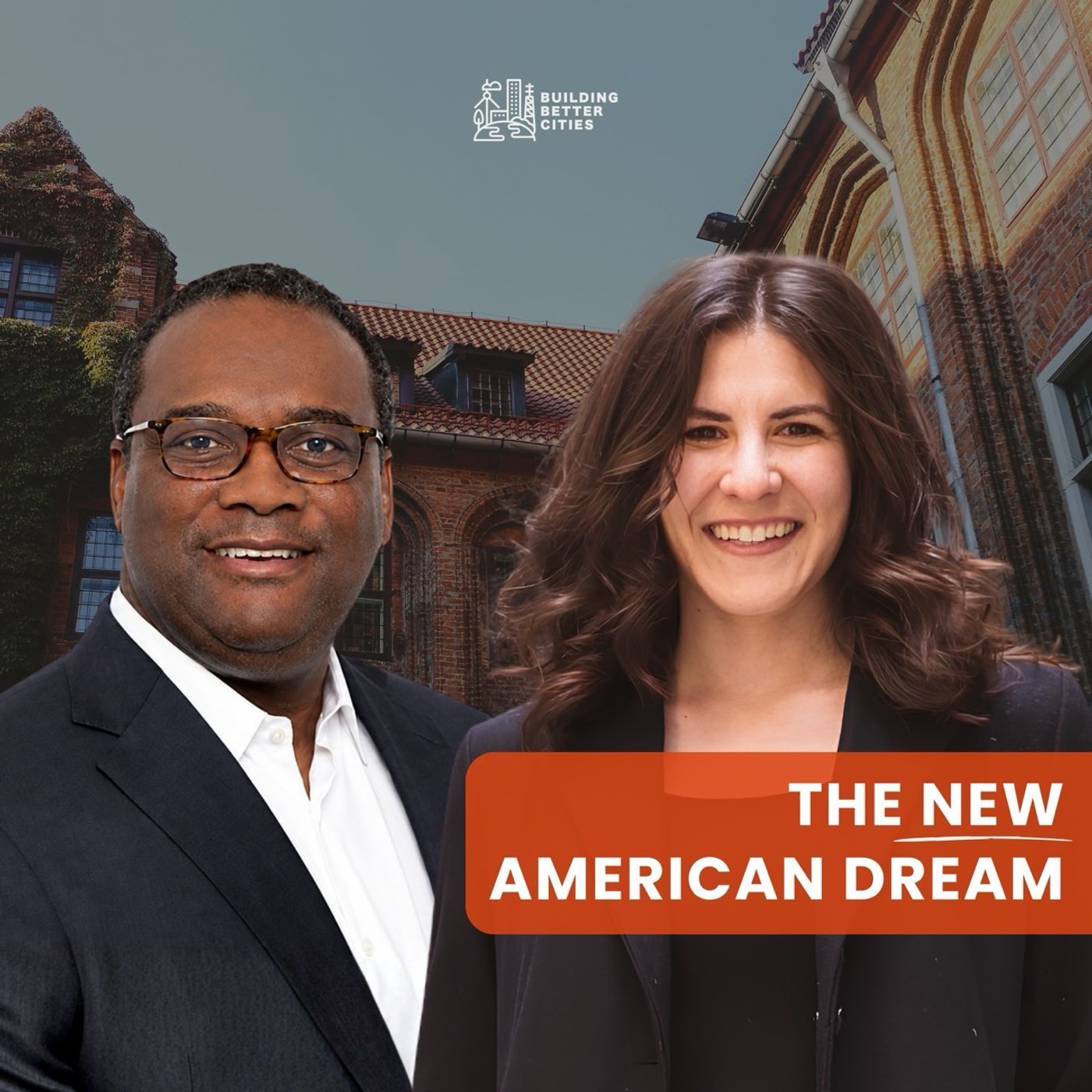
Homeownership has long been sold as a single path with a single set of rules — but what happens when that path stops working for most people? In this episode of Building Better Cities, Kate Gasparro sits down with Tony Pickett , CEO of Grounded Solutions Network , to explore how community land trusts and shared equity models are reshaping the relationship between housing, wealth, and city development. Tony's career spans public housing revitalization in Atlanta, the founding of the Atlanta Land Trust , and now a national push to bring shared equity into the mainstream of urban infrastructure and real estate. Together, Kate and Tony break down how separating land ownership from home ownership can preserve affordability for generations, why the rising age of first-time homebuyers signals a deeper crisis in city infrastructure and housing systems, and how Grounded Solutions' Homes for the Future initiative is using shared equity to compete with private equity's growing footprint in single-family rentals. This conversation is a case study in what sustainable cities actually require: not just building infrastructure, but building the financial systems that let more people benefit from it. If you care about how urban development can be more equitable without sacrificing financial viability, this episode is for you. Resources: Member Spotlight: A Neighborhood That Works—How Mueller Blends Community with Affordability (Grounded Solutions Network) Tracking Growth and Evaluating Performance of Shared Equity Homeownership Programs During Housing Market Fluctuations (Lincoln Land Policy Institute) Here's what happens when private equity buys homes in your neighborhood (Planet Money) Rethinking homeownership incentives to improve household financial security and shrink the racial wealth gap (Brookings) In just 15 years, the average U.S. homebuyer went from 39 to 59 years old (Fortune) The Wealth Gap between Homeowners and Renters Has Reached a Historic High (Urban Institute)