Catholic Daily Reflections
Saturday of the Twentieth Week in Ordinary Time - True Greatness
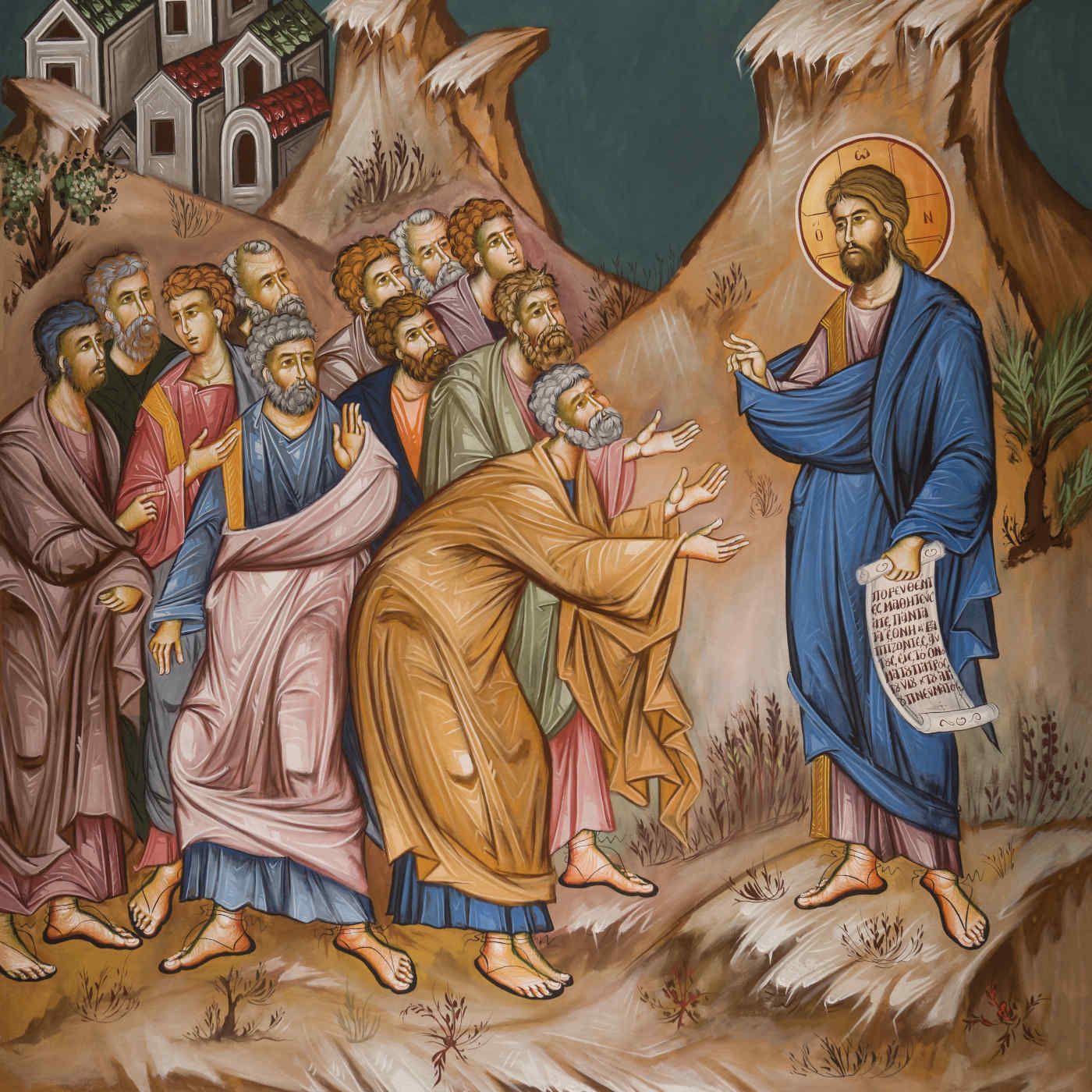
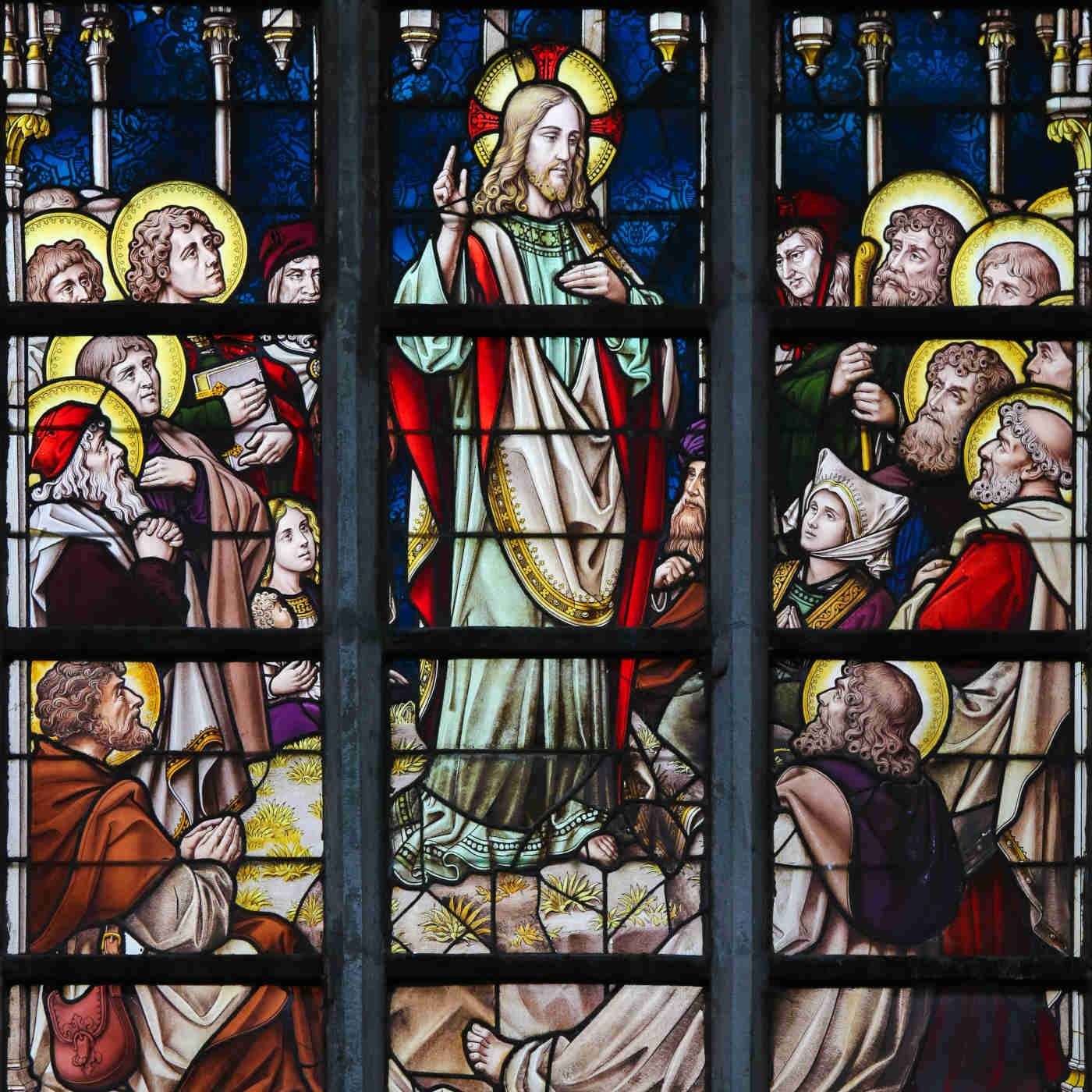
Read Online True Greatness Jesus spoke to the crowds and to his disciples, saying, “The scribes and the Pharisees have taken their seat on the chair of Moses. Therefore, do and observe all things whatsoever they tell you, but do not follow their example. For they preach but they do not practice…” Matthew 23:1–3 What does it mean to be truly great in God’s eyes? In a world that prizes recognition, success, and honor, Jesus offers a radically different vision—one that exalts the lowly and humbles the proud. Today’s Gospel takes place during the final week of Jesus’ earthly life as He participates in the Passover celebrations in the Temple. Throughout that week, He faced ongoing opposition and envy from the very religious leaders entrusted with guiding God’s people. Though these leaders gravely failed in their sacred duties, Jesus does not rebuke them out of resentment but with divine charity and a desire for their conversion. Of note, He does not address them directly, but speaks about them to the crowds and His disciples, humbling them through public correction. By doing so, Jesus makes it clear that His words are not merely a historical critique. They are a lasting teaching for every generation, offering timeless guidance for the Church and for every soul striving for holiness. The scribes and Pharisees held legitimate authority. Having “taken their seat on the chair of Moses,” they were official interpreters of the Law. Jesus does not condemn the office, only the corruption of those who occupied it. The faithful are instructed to follow the teachings that conform to God’s law, even if the leaders’ lives fall short. This reminds us that the efficacy of the Church’s sacraments and teachings—entrusted today to the “chair of Peter”—depends not on the personal holiness of the minister, but on the divine authority of the office. What Jesus does condemn is the hypocrisy of the scribes and Pharisees. They impose heavy burdens without offering help. Their religious observance is external, not flowing from hearts aflame with love. They seek titles and status—honor without humility—and in doing so, distort the very Law they claim to uphold. Jesus contrasts this shallow religiosity with true holiness. He calls for interior conversion over external display. This message echoes the words of the prophets and resounds through the life of the Church, especially in the radiant witness of the saints. Time and again, we are reminded that humility and authenticity—not performance or prestige—mark the path of true discipleship. Though His rebukes are sharp, the heart of Jesus’ message is love. He calls each of us to discover a higher form of greatness rooted in service, self-forgetfulness, and humility. “The greatest among you must be your servant. Whoever exalts himself will be humbled; but whoever humbles himself will be exalted” (Matthew 23:11–12). In these words, Jesus unveils the paradox of the Kingdom: To descend in humility is to ascend in glory. Though we may not sit on the chair of Moses or Peter, the sins of the scribes and Pharisees often echo in our own hearts. Their hypocrisy was outward—displays of piety, love of titles, and the burdening of others without compassion. Even without their authority or status, we may harbor what might be called a “hypocrisy of desire.” We long for recognition, crave influence, or quietly seek affirmation more than holiness. These hidden desires, even if never acted upon, reveal an interior disposition that mirrors the pride Jesus condemns. Reflect today on any desires within your heart that are selfish or self-elevating rather than humble and oriented toward service. True charity always seeks the good of the other first. And paradoxically, it is precisely this self-forgetful love that brings about our own exaltation—not by our striving, but by God’s grace. Humble yourself, and God will lift you up. Exalt yourself, and your self-exaltation will be your only reward. Lord of perfect humility, You never exalted Yourself, despite Your being the Son of God and Second Person of the Most Holy Trinity. Teach me to imitate and participate in Your humility, permitting myself to be lifted up on Your Cross, living sacrificially for You and others. In that humble, selfless, and sacrificial love, may I one day also share in Your glory. Jesus, I trust in You. Image: Sermon on the Mount, by August Stalins and Alfons Janssens Source: Free RSS feed from catholic-daily-reflections.com — Copyright © 2026 My Catholic Life! Inc. All rights reserved. This content is provided solely for personal, non-commercial use. Redistribution, republication, or commercial use — including use within apps with advertising — is strictly prohibited without written permission.