CNBC Sport
The Business of Padel: CEO Michael Dorfman on franchise values, media deals and explosive growth 8/13/26
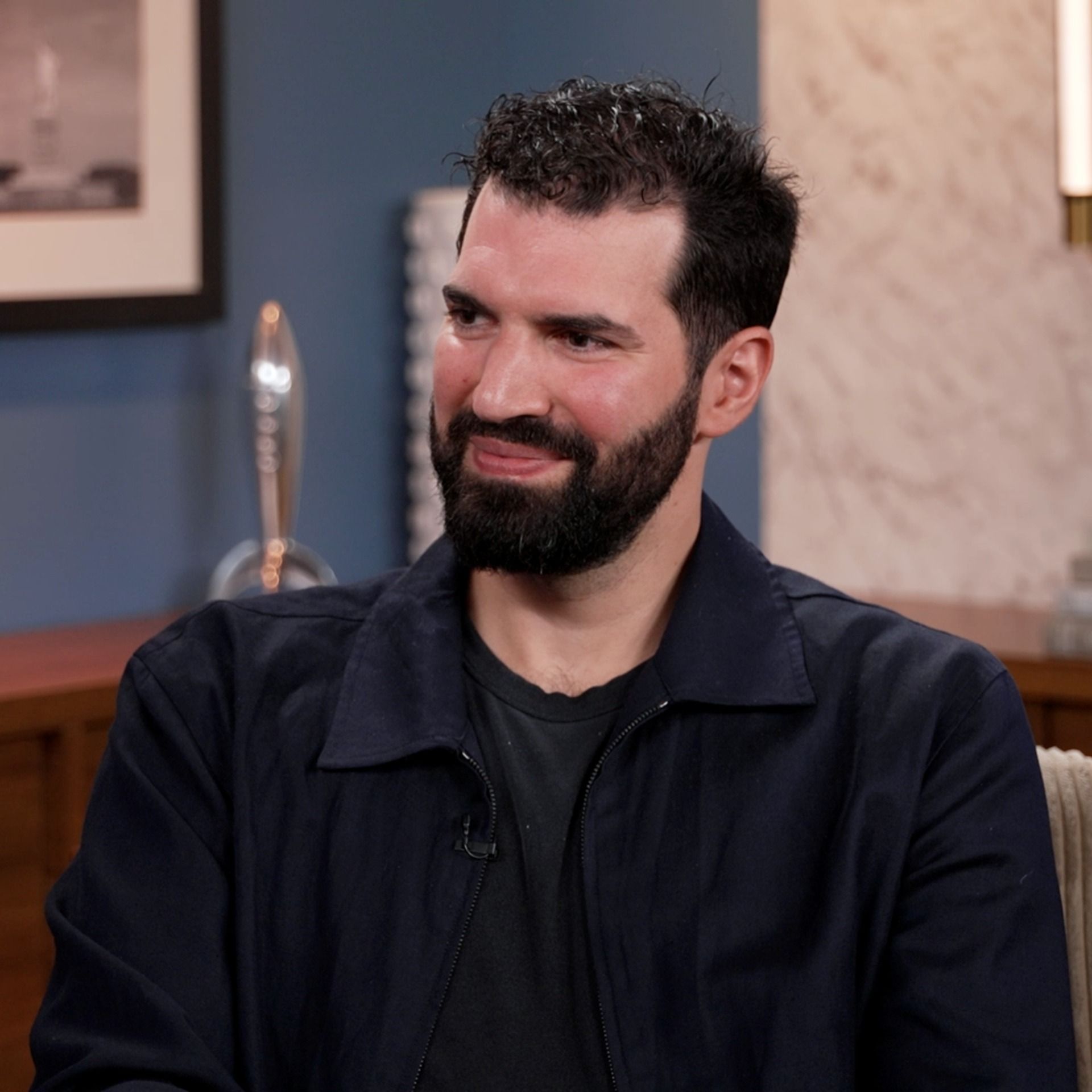
Pro Padel League CEO Michael Dorfman explains why padel is rapidly gaining traction in the U.S. and how the league is turning the fast-growing racket sport into a professional sports business. He discusses franchise valuations, athlete compensation, media strategy, live events, demographics, investment interest, and the sport’s potential alongside tennis and pickleball. Episode Notes Padel is one of the fastest-growing racket sports in the world, and the Pro Padel League is betting that its combination of accessibility, competition, social connection, and spectator appeal can make it a major professional sport in the United States. In this episode, Alex Sherman speaks with Pro Padel League CEO Michael Dorfman about how padel works, why participation is accelerating, and how the league is building a professional sports ecosystem around the game. Dorfman describes padel as a hybrid of tennis and squash that is played exclusively in doubles, with glass and metal walls keeping the ball in play. He says the sport has more than 35 million players globally and that U.S. participation has grown dramatically since the league launched in 2023. The conversation explores the business model behind the Pro Padel League, including its 10 city-based franchises, men’s and women’s teams, tournament structure, prize money, player compensation, and developmental ambitions. Dorfman also discusses the league’s capital raises and the sharp rise in franchise valuations, with early teams selling for $200,000 and more recent valuation marks reaching into the double-digit millions. Media and audience growth are another major focus. Dorfman explains why the league partnered with CNBC and Versant for live national broadcasts and why exposure, rather than near-term media-rights revenue, is currently the priority. He also discusses padel’s affluent, largely millennial audience and the sport’s growing popularity in markets including Miami, Los Angeles, New York, Austin, Chicago, and Atlanta. Topics discussed: 01:53 How padel is played and how it combines elements of tennis and squash 03:06 Why padel is attracting new recreational players 03:52 Global participation and rapid U.S. growth 05:29 How the Pro Padel League’s franchise and tournament structure works 06:08 Player compensation, prize money, and professional salaries 09:08 Why Pro Padel League franchise valuations have risen 10:08 The league’s CNBC and Versant media partnership 12:01 Why audience growth currently matters more than media-rights revenue 13:17 Miami’s role as a major U.S. padel market 13:53 The demographics of padel players 14:49 How padel fits alongside pickleball, tennis, squash, and other racket sports 15:41 PPL Two and the development of North American talent 16:17 Michael Dorfman’s path from insurance and technology to professional sports 18:44 Why investors are increasingly interested in live sports 19:54 The emerging padel equipment, footwear, and apparel market 21:01 The Pro Padel League’s Los Angeles event and CNBC broadcast Dorfman also explains his broader investment thesis around live sports: as more of everyday life becomes automated, he believes demand will increase for distinctly human, in-person experiences. For the Pro Padel League, that means building participation, community, live events, broadcast exposure, and professional opportunities before maximizing media monetization. Hosted by Simplecast, an AdsWizz company. See pcm.adswizz.com for information about our collection and use of personal data for advertising.