CUNY Graduate Center
What Odysseus and Alexander the Great Teach Us About Leadership
Sep 21, 202645 min
What Odysseus and Alexander the Great Teach Us About Leadership by CUNY Graduate Center

Loading…

society
Hosted by Unknown Host · society · EN · 190 episodes
The CUNY Graduate Center is a leader in public graduate education devoted to enhancing the public good through pioneering research, serious learning, and reasoned debate. The CUNY Graduate Center offers ambitious students more than 40 doctoral and master’s programs of the highest caliber, taught by top faculty from throughout CUNY — the nation’s largest public urban university. Through its nearly 40 centers, institutes, and initiatives, including its Advanced Science Research Center (ASRC), The Graduate Center influences public policy and discourse and shapes innovation. The CUNY Graduate Center Graduate Center’s extensive public programs make it a home for culture and conversation.
Required Pod Score for this show. PitchCentric checks your profile against host openness, topical fit, and audience signals before you generate a pitch.
Contact path
Verified email
Booking probability
36%
Guest openness
Selective
Sign up to generate a grounded pitch for CUNY Graduate Center.
Signup to Generate a PitchCUNY Graduate Center is a society podcast hosted by Unknown Host, with 190 episodes on record and a Required Pod Score of 80.
Unknown Host hosts CUNY Graduate Center, a society show with 190 episodes published.
Our AI reads these to draft pitches. Use them as grounding for a pitch that cites a real guest and a specific topic.
CUNY Graduate Center
What Odysseus and Alexander the Great Teach Us About Leadership by CUNY Graduate Center
CUNY Graduate Center
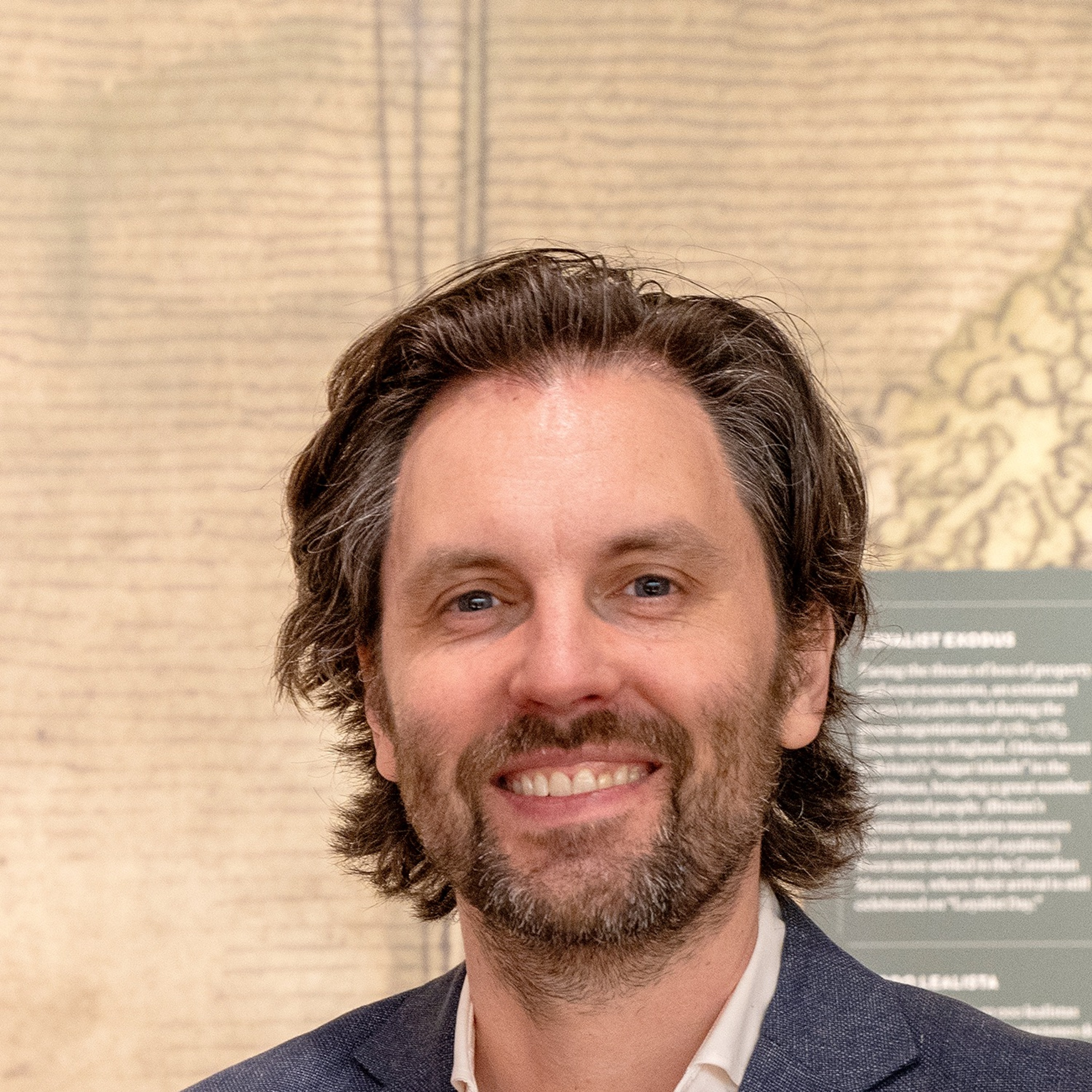
New York’s Revolutionary Past Comes Alive by CUNY Graduate Center

CUNY Graduate Center
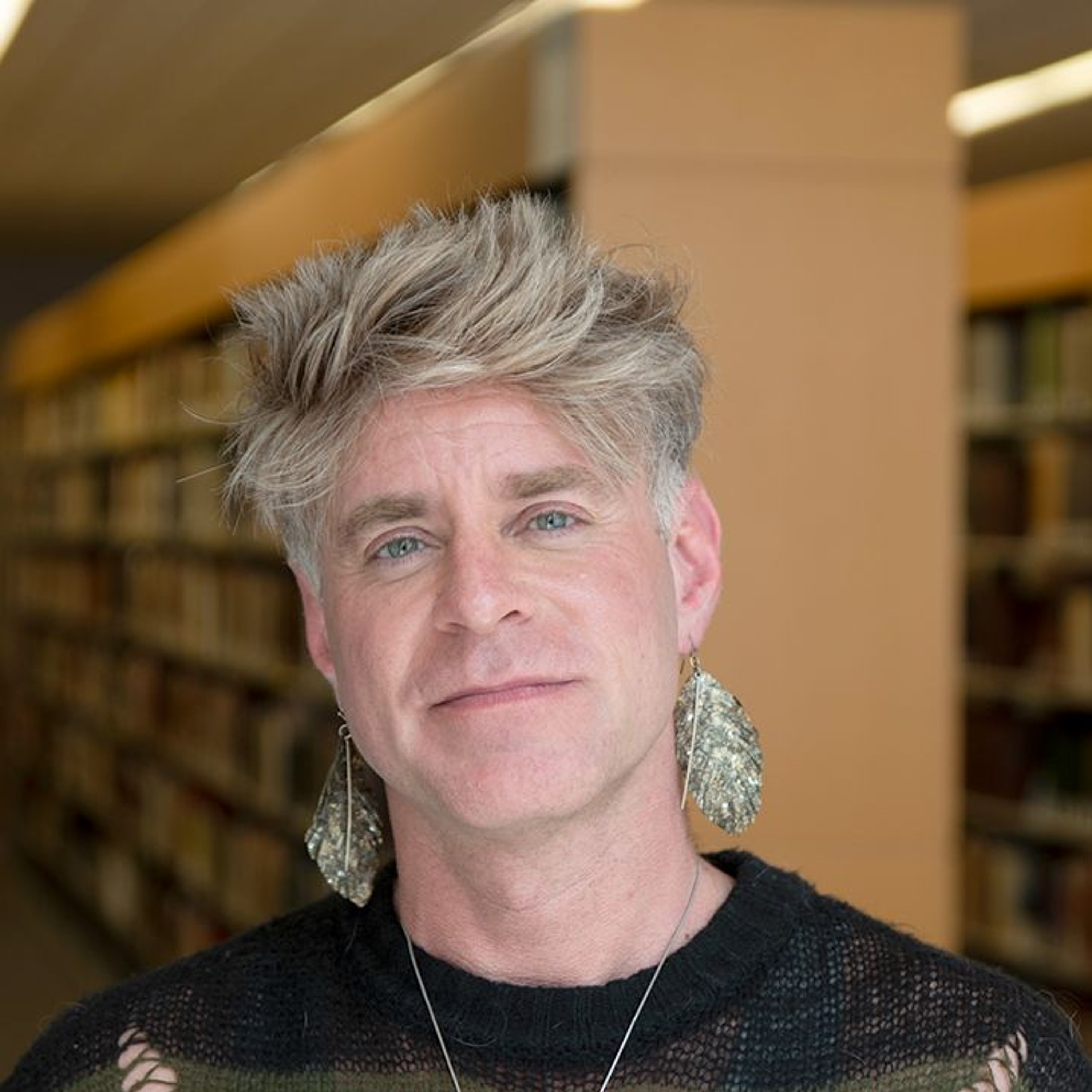
In this episode of The Thought Project, host Tanya Domi speaks with Eno Agolli, assistant director of the Saul Kripke Center at the CUNY Graduate Center, about bringing philosophy out of the ivory tower and into public conversation. Agolli is helping expand the reach of the Saul Kripke Center, named for the late Saul Kripke, a former distinguished professor at the Graduate Center who is considered one of the greatest American philosophers of the last half-century. One of Agolli’s newest initiatives is the Analytic Salon, a public series designed to make analytic philosophy accessible, lively, and welcoming. The salons require no homework and no background in philosophy. Instead, participants gather to consider big questions, about artificial intelligence, skepticism, morality, knowledge, and free will, through clear, jargon-free discussion. The salons are carried out in the spirit of Kripke’s own philosophical practice, centered on sharp puzzles, rigorous reasoning, and questions that can be stated clearly in ordinary language. The response has been striking. The salons, capped at 35 people, have filled quickly, sometimes within minutes, and draw many repeat attendees. For Agolli, that enthusiasm points to a real public hunger for philosophy, and for spaces where people can think together.
CUNY Graduate Center
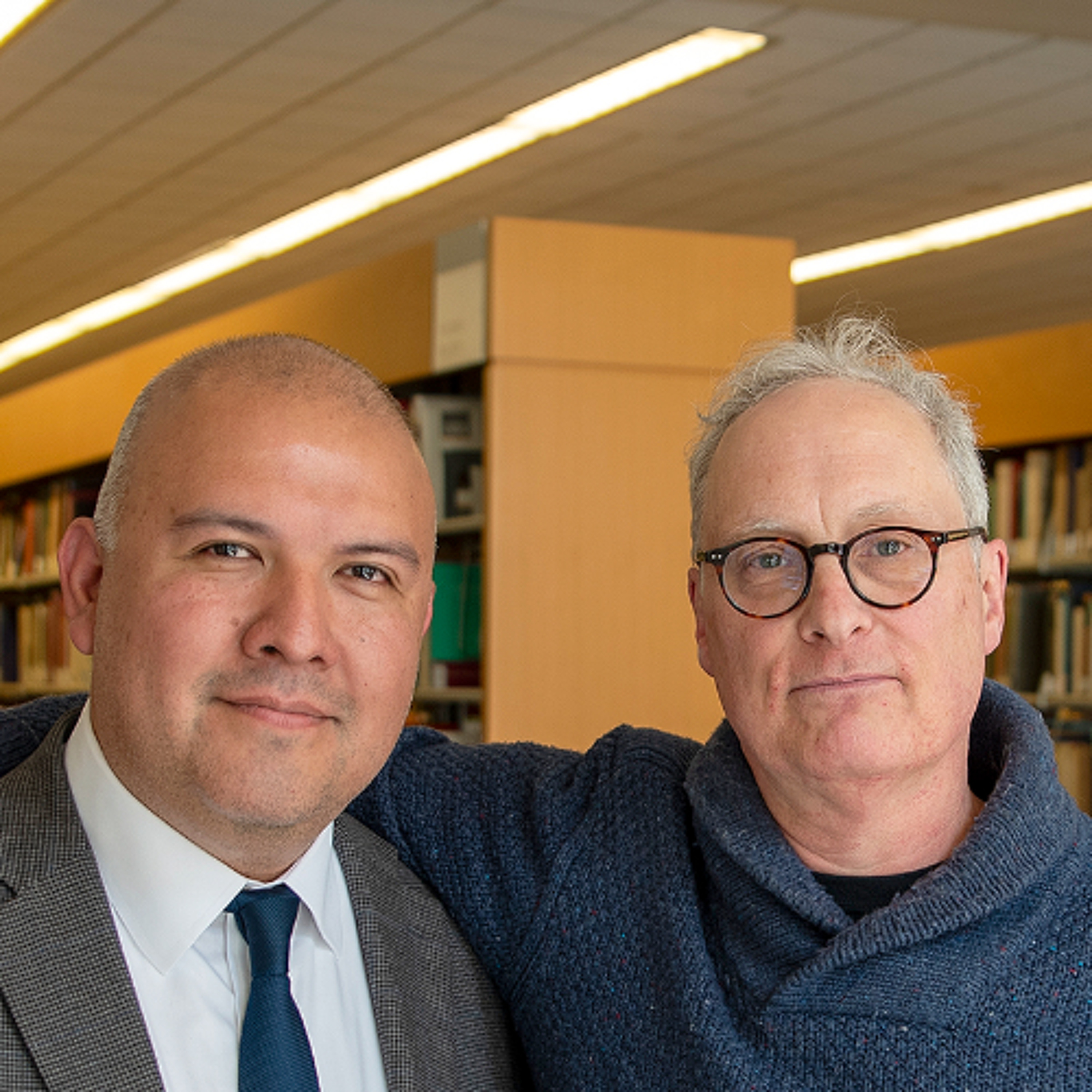
In this episode of The Thought Project, host Tanya Domi speaks with Mordechai Levovitz, M.S.W., a Ph.D. student in the Social Welfare program at the CUNY Graduate Center, about being queer and Jewish, and about the search for safety, support, and acceptance within Orthodox and Hasidic Jewish communities. Levovitz founded and served as executive director of JQY, Jewish Queer Youth, a nonprofit organization that provides crisis, communal, and clinical support for LGBTQ+ and queer teens growing up in Orthodox and Hasidic Jewish families. He discusses how LGBTQ+ Jews, including transgender, nonbinary, and gender-expansive people, often face isolation when coming out, especially when family, religious law, and community expectations appear to leave little room for a queer life. His work grows out of his personal experience and years of helping queer Jews find support, language, safety, and community. He entered the Social Welfare Ph.D. program to deepen that work through research, advocacy, and policymaking, with a focus on the needs of LGBTQ+ people in religious communities. The conversation also explores how Judaism contains a more expansive history of gender than many people realize, including rabbinic discussions of seven or eight gender categories. For Levovitz, that history matters. So does the ability to change one’s name, an act that can affirm identity, dignity, and the right to be fully seen.
CUNY Graduate Center
Professor Robert C. Smith of the CUNY Graduate Center and Baruch College and Manuel Castro, the former New York City commissioner of immigrant affairs and a Baruch graduate, join The Thought Project for a timely conversation about immigration policy at a moment of deep uncertainty. Smith draws on decades of research on Mexican migration, legal status, and intergenerational mobility, as well as his legal advocacy on DACA and birthright citizenship, to explain how current policy choices are reshaping the lives of immigrant families. Castro brings the perspective of a former undocumented immigrant, longtime advocate, and city official who has worked at the center of New York’s response to immigrant communities. Together, he and Smith argue that today’s crisis did not emerge overnight: Comprehensive immigration reform has remained out of reach for years, leaving millions vulnerable to shifting enforcement priorities and legal uncertainty. They discuss asylum, mixed-status families, the limits of local protections, and why expanding access to citizenship and legal status remains essential. The episode connects scholarship, public service, and lived experience in a clear call for reform grounded in both policy and human consequences.
Recent guests on CUNY Graduate Center. Study who booked and why before you pitch.
professor of English at the CUNY Graduate Center and the College of Staten Island, Nitro Garage Mental health hub
assistant vice president of information technology and chief information officer, The Graduate Center, CUNY
associate professor of public policy and criminal justice at John Jay College and The Graduate Center, CUNY, John Jay College, The Graduate Center, CUNY
Special Advisor, Transport for London
Sponsor detection runs nightly. Check back soon.
Based on semantic analysis of episode topics and host coverage, this show is a strong guest fit for executives in:
Industry fit is computed by PitchCentric using vector embeddings of the show's episode catalog.
Is this podcast yours and you'd like to remove or correct details? Request removal or email privacy@pitchcentric.com.
FAQs
If you have a concern about deliverability, AI quality, data privacy, or whether this will actually work for your specific situation, it's probably answered below.
Founder Solo gives you 50 AI pitches per month using the credit model (Standard pitches cost 1 credit, Enriched pitches cost 2). Founder Pro raises that to 200 credits per month and adds full Booking Probability access, unlimited Magic Match, Apollo enrichment credits, and data export capabilities. Both plans use the same credit system, so you can stretch your monthly budget further by using Standard-mode drafting.
Agency tiers have no base fee. You pay per managed client and per talent profile. Agency Standard is $199 per client per month; Agency Pro is $399 per client per month. Both add $39 per talent profile per month. Your own team's user seats are always free.
A talent profile represents one person (founder, executive, or spokesperson) you are booking onto podcasts. It includes their bio, topics, headshots, and outreach history. Team plans include 5 profiles; agency plans are pay-as-you-go.
Yes, at any time. Upgrades take effect immediately; downgrades apply at the end of the current billing period. Contact support if you need help migrating between plan families.
Every paid plan includes a 15-day free trial. Your card is saved at signup but you will not be charged until day 16. Cancel any time from your dashboard.
You keep access until the end of your current billing period. No charges after that. Your data is retained for 30 days in case you reactivate.
Yes. Select Annual on the pricing toggle and the discounted price is applied automatically at checkout. The annual price shown is the full year cost.
That is our Enterprise tier. Contact our sales team and we will build a custom plan with volume pricing, a dedicated account manager, and SLA guarantees.
