Episode #10
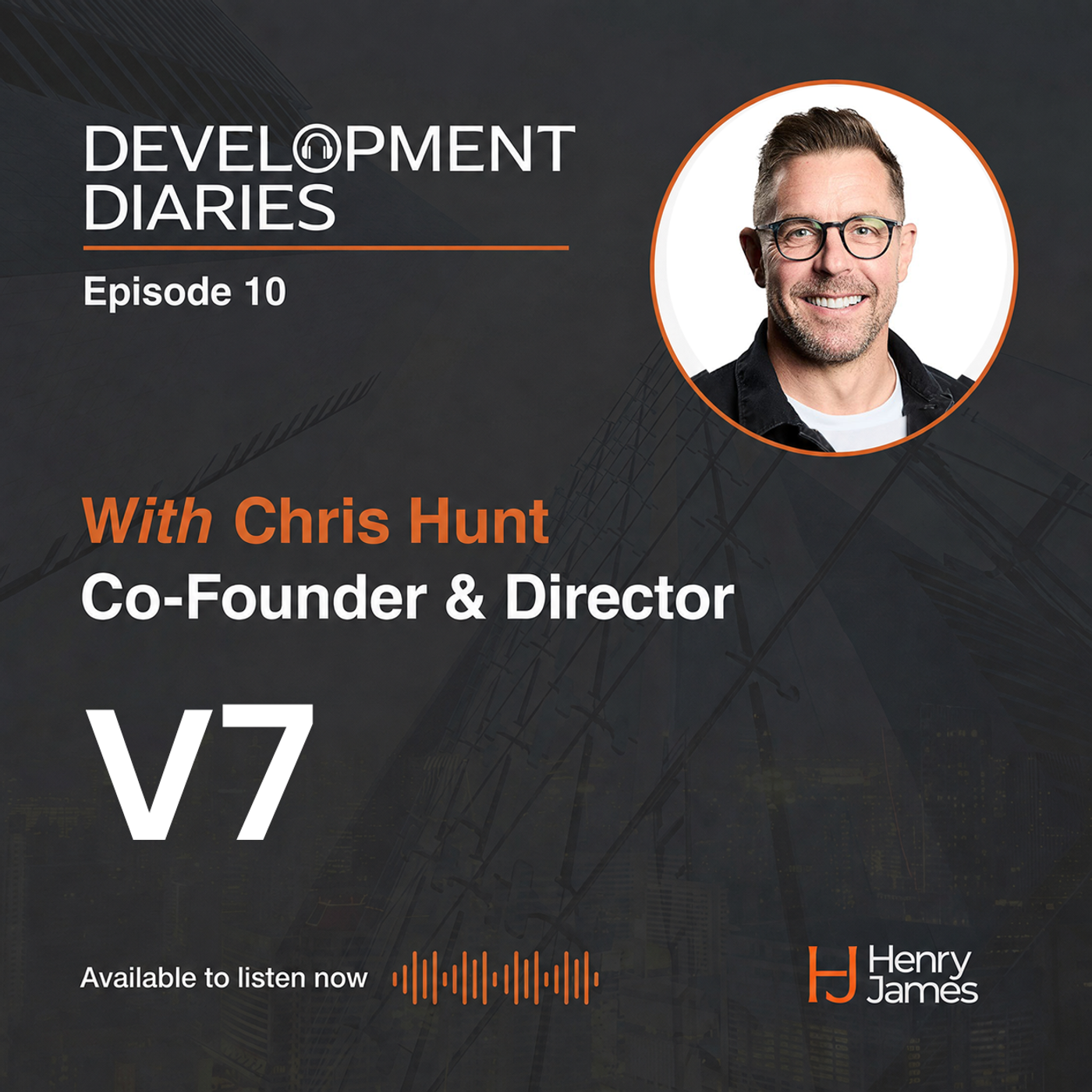
10. Chris Hunt: The Career Plan on the Fridge That Actually Worked
Chris Hunt's path into property started with a business plan written for his dad and a £22,000 loan to buy and convert a house in Bristol. Not many people would back themselves like that straight out of a recruitment job they hated - but Chris isn't most people. What followed was one of the more deliberately engineered careers you'll hear on this podcast. While at Cushman & Wakefield, Chris literally drew a line chart - buy, lease, asset manage, then do it all himself - pinned it to the fridge, and spent the next decade checking boxes. Leasing. Investment. Legal & General as an asset manager. Then, in 2013, he and his business partner Zak launched V7 with no clients, no seed assets, and an idea that turned out to be about five years ahead of the market. The pitch was simple: the big institutional fund managers were stretched, their in-house asset and development management teams couldn't cover everything, and outsourcing to a specialist made obvious sense. Every fund manager they met agreed with them. And then said no. The big houses couldn't be seen to be outsourcing - their investors thought they did it all in-house. So Chris and the team went one tier down, found the mid-market managers who were even more stretched and had fewer places to hide, and built a reputation one asset at a time. Twelve years on, V7 manages a £1.9 billion portfolio - 1.5 billion of it in central London offices - has a 1,000,000 sq ft industrial platform built from scratch in under two years, and has just launched a living business focused on building the new-school version of Victorian terraced housing. Three separate businesses under one group, all sharing capital, ideas, and central services. And still only 18 people. Chris gets into the detail on all of it, the diversification play that came out of pandemic-era office anxiety, why he thinks now is a buying opportunity in central London that most investors are sleeping on, and what it actually takes to find marginal gains in a development model where everyone's working from broadly the same playbook.