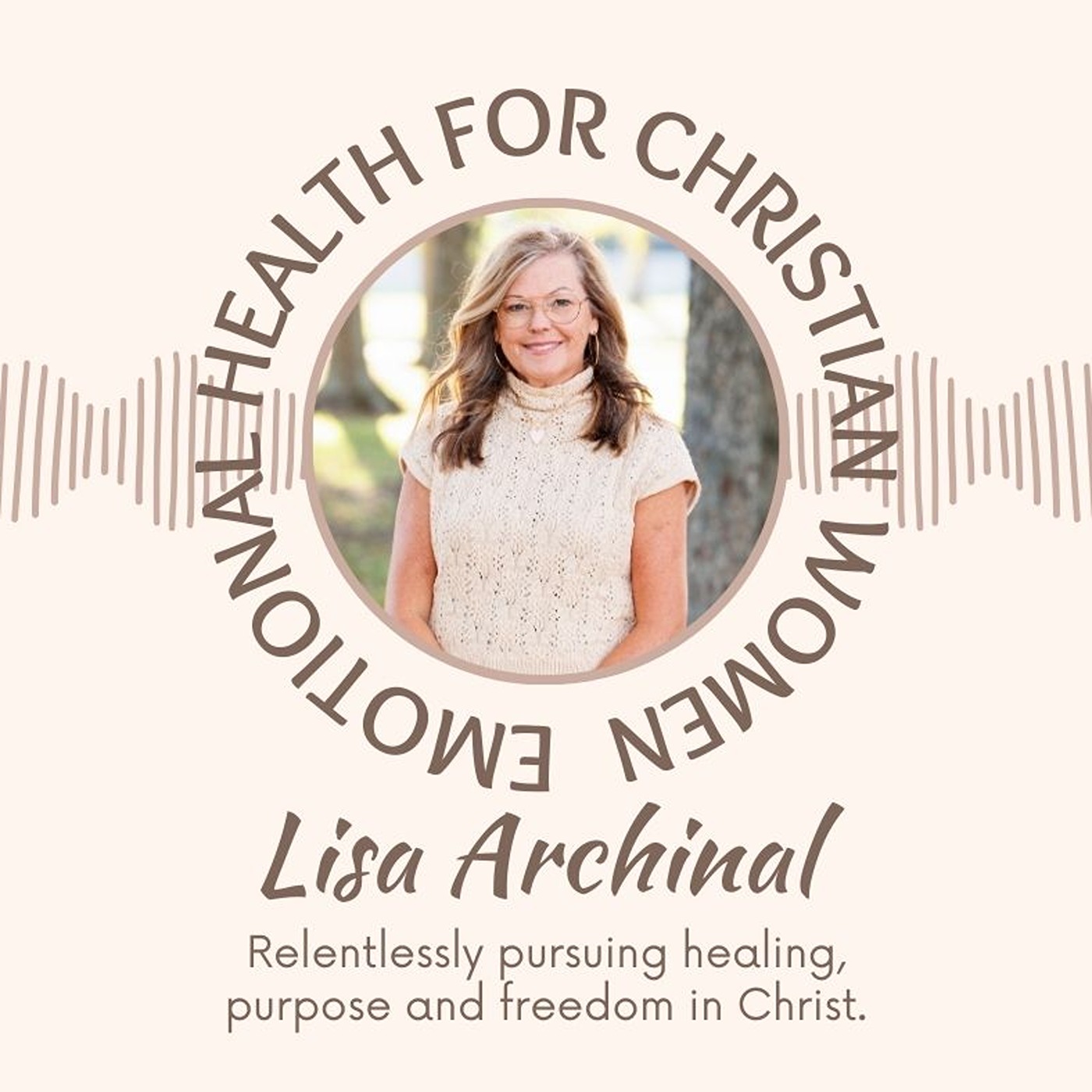
Relentlessly pursuing healing, purpose, and freedom in Christ. This podcast is for the Christian woman longing for emotional health, trauma healing, and a deeper sense of purpose. Together, we’ll explore practical tools and biblical wisdom to help you process emotions, break free from unhealthy patterns, and walk in the freedom Christ has promised. Whether you’re navigating past wounds, betrayal, loss, or simply the daily challenges of life, you’ll find encouragement, honest conversations, and faith-based strategies for lasting transformation. Here, we believe emotional maturity and spiritual growth go hand in hand. Through scripture, stories, and coaching insights, you’ll be equipped to heal, grow, and live with confidence as a beloved daughter of God. This is your safe space to discover what it means to flourish as a woman of faith—living with resilience, clarity, and joy in Christ.
Pitch Analysis
Required Pod Score for this show. PitchCentric checks your profile against host openness, topical fit, and audience signals before you generate a pitch.
Contact path
Verified email
Booking probability
30%
Guest openness
Selective
Verified email on file
80/100
Required Score
Sign up to generate a grounded pitch for Emotional Health for Christian Women.
Emotional Health for Christian Women is a health podcast hosted by Unknown Host, with 21 episodes on record and a Required Pod Score of 80. PitchCentric scores this show on Booking Probability, Listen Score, and live audience signals refreshed every 24 hours.
About the host
Unknown Host hosts Emotional Health for Christian Women, a health show with 21 episodes published.
Our AI reads these to draft pitches. Use them as grounding for a pitch that cites a real guest and a specific topic.
Episode #20
Grieving Well: How to Move Through Loss Without Getting Stuck
Aug 24, 202627 minS1
Last episode, we talked about naming our losses and giving ourselves permission to grieve. But what happens after that? How do we actually move through grief without getting stuck? Maybe you've wondered why certain memories still bring tears years later. Maybe a song, a holiday, or even something as ordinary as walking through the grocery store suddenly catches you off guard. Does that mean you're not healing? Have you somehow gone backwards? In this second part of our grief series, we're talking about what healthy grieving really looks like. We'll look at the beautiful story of the road to Emmaus and discover how Jesus meets us in our disappointment, why grief comes in waves, and why healing isn't about forgetting what you've lost—it's about learning to carry it differently. If you've ever worried that you're grieving "too long" or wondered if you'll ever feel like yourself again, I hope this conversation reminds you that healing isn't about leaving your grief behind. It's about discovering that you never have to walk through it alone. Be sure to explore my Healing Through Grief worksheet on ourelentlesspursuit.com
Episode 19: When Your Heart Is Mourning: Recognizing the Hidden Losses We Carry (Part 1 of 2) Grief isn't just about losing someone you love. Sometimes it's the loss of trust, a dream, a relationship, your sense of security, or the future you imagined. In Part 1 of this two-part series, we're exploring the hidden losses that often go unrecognized—and why unresolved grief may be at the root of the emotional heaviness you've been carrying. We'll look at how Jesus responded to grief, why He never rushed people through their sorrow, and why naming our losses is one of the first steps toward healing. If you've ever wondered why you still feel stuck, anxious, or emotionally exhausted, this conversation will help you understand what your heart has been carrying—and remind you that every loss deserves to be acknowledged before it can begin to heal. Download your free Healing Through Grief: A Personal Practice Guide on ourrelentlesspursuit.com
Have you ever wondered why it's so hard to say no, why you constantly worry about what other people think, or why you feel like you always have to prove your worth? What if those struggles aren't personality flaws... but survival patterns you learned long ago? In this episode of Emotional Health for Christian Women , we're exploring how unmet emotional needs in childhood can quietly shape the way we think, relate, and respond as adults. We'll discuss how experiences of emotional neglect, inconsistent nurturing, or a lack of safety can contribute to anxiety, people-pleasing, perfectionism, overachievement, and the constant pressure to earn love and approval. This isn't about blaming your parents or staying stuck in the past. It's about understanding your story with honesty and grace so you can recognize the beliefs that have been driving your life—and begin replacing them with God's truth. In this episode, we'll explore: The three foundational emotional needs every child has How childhood adaptations become adult patterns Why people-pleasing and perfectionism often begin as survival strategies The connection between emotional safety and anxiety What "reparenting" means and how it supports healing How to replace self-criticism with self-compassion What Scripture teaches about your identity and worth in Christ If you've ever felt like you're carrying struggles you can't quite explain, this conversation may help you connect the dots. Healing doesn't begin by pretending the past didn't matter—it begins by understanding how it shaped you and allowing God to rewrite the story with His love, truth, and grace.
Have you ever felt emotionally exhausted from trying to keep everyone happy, prevent conflict, or control the outcome of your relationships? Maybe you find yourself walking on eggshells, overthinking conversations, monitoring other people's moods, or carrying responsibilities that were never yours to carry. In this episode of Emotional Health for Christian Women , we're talking about the freedom that comes when you finally let go of what you were never meant to hold. We'll explore why control often develops as a form of self-protection - especially after betrayal, disappointment, or relational trauma - and how hypervigilance can quietly become emotional bondage. You'll learn the difference between surrender and giving up, why letting go doesn't mean minimizing your pain, and how releasing the need to manage everyone else creates space for peace, healing, and trust in God. In this episode, we'll discuss: Why control often begins as a response to fear and insecurity The emotional cost of carrying other people's choices and responsibilities How hypervigilance keeps your nervous system stuck in survival mode The Circle of Control exercise and how it can bring clarity and freedom What Jesus teaches us about releasing outcomes we cannot control Practical ways to begin living with greater peace, healthier boundaries, and emotional freedom If you've been carrying the weight of fixing, rescuing, monitoring, or holding everything together, this episode is a gentle reminder that you don't have to do it anymore. Jesus invites the weary to find rest - and sometimes that rest begins by simply loosening your grip.
<p>Have you ever found yourself replaying a conversation for days, feeling irritated long after the moment has passed, or assuming the worst about someone's intentions? If we're honest, most of us carry more offense than we realize.</p><p>In this episode of Emotional Health for Christian Women, we're exploring what it means to become "unoffendable"—not by ignoring real pain or pretending hurt doesn't matter, but by learning how to stop living emotionally hooked by chronic offense.</p><p></p><p>Drawing from Brant Hansen's book Unoffendable and grounded in biblical truth, we'll talk about how resentment, irritation, an...
Every question we get asked before someone starts their trial.
If you have a concern about deliverability, AI quality, data privacy, or whether this will actually work for your specific situation, it's probably answered below.
What is the difference between Founder Solo and Founder Pro?
Founder Solo gives you 50 AI pitches per month using the credit model (Standard pitches cost 1 credit, Enriched pitches cost 2). Founder Pro raises that to 200 credits per month and adds full Booking Probability access, unlimited Magic Match, Apollo enrichment credits, and data export capabilities. Both plans use the same credit system, so you can stretch your monthly budget further by using Standard-mode drafting.
How do agency tiers work?
Agency tiers have no base fee. You pay per managed client and per talent profile. Agency Standard is $199 per client per month; Agency Pro is $399 per client per month. Both add $39 per talent profile per month. Your own team's user seats are always free.
What is a talent profile?
A talent profile represents one person (founder, executive, or spokesperson) you are booking onto podcasts. It includes their bio, topics, headshots, and outreach history. Team plans include 5 profiles; agency plans are pay-as-you-go.
Can I switch plans later?
Yes, at any time. Upgrades take effect immediately; downgrades apply at the end of the current billing period. Contact support if you need help migrating between plan families.
Do you offer a free trial?
Every paid plan includes a 15-day free trial. Your card is saved at signup but you will not be charged until day 16. Cancel any time from your dashboard.
What happens if I cancel?
You keep access until the end of your current billing period. No charges after that. Your data is retained for 30 days in case you reactivate.
Is the 20% annual discount automatic?
Yes. Select Annual on the pricing toggle and the discounted price is applied automatically at checkout. The annual price shown is the full year cost.
What if I have more than 50 profiles or 20 clients?
That is our Enterprise tier. Contact our sales team and we will build a custom plan with volume pricing, a dedicated account manager, and SLA guarantees.