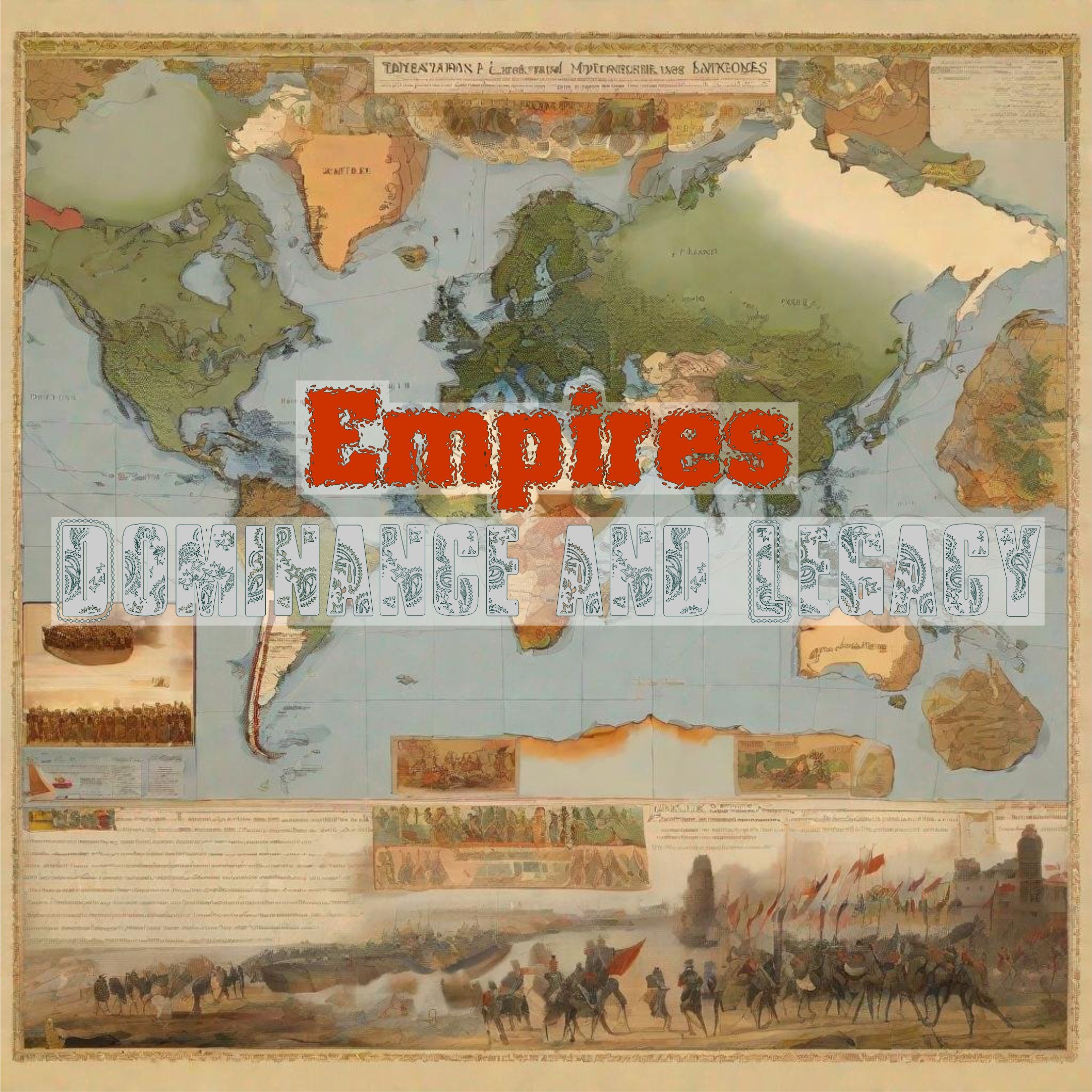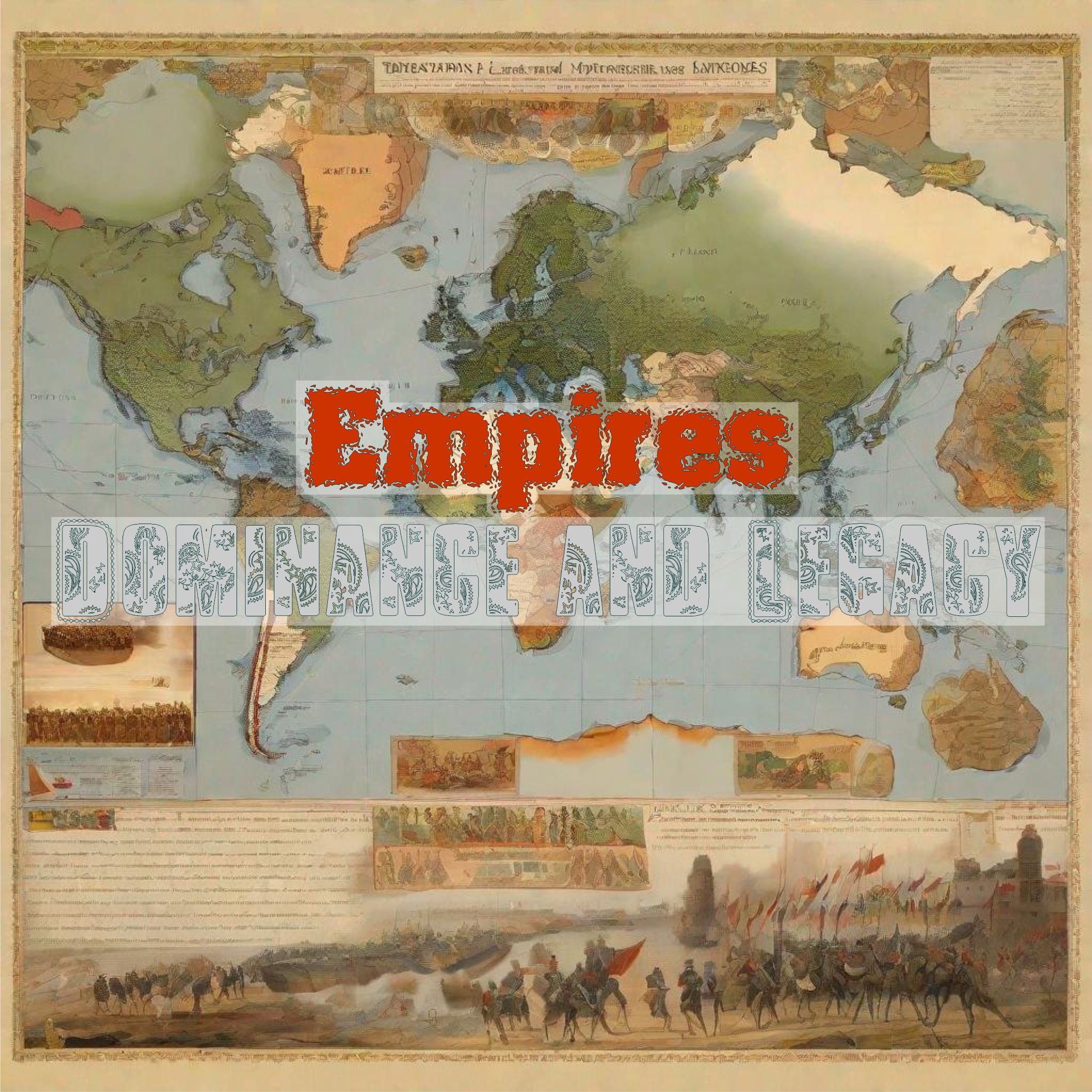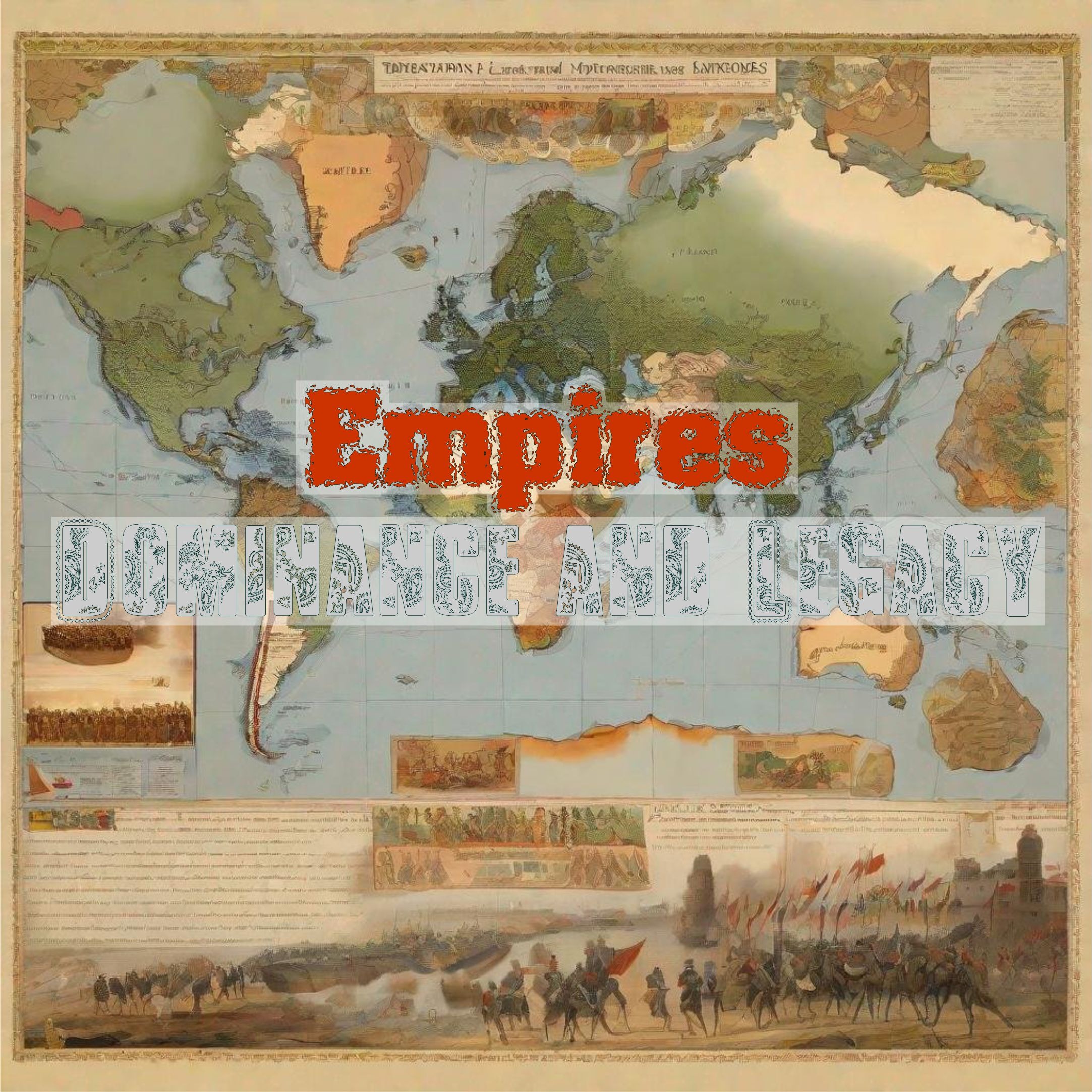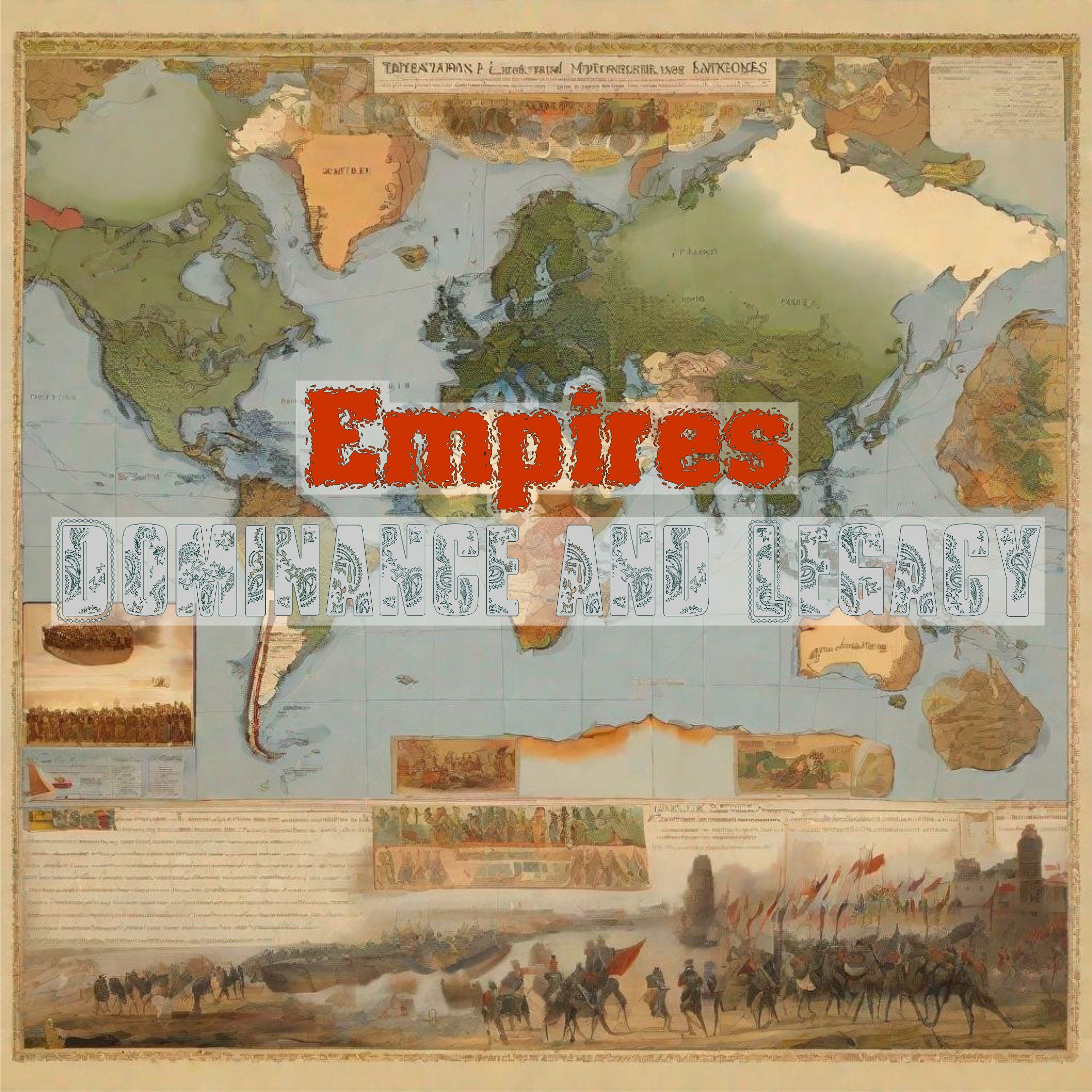
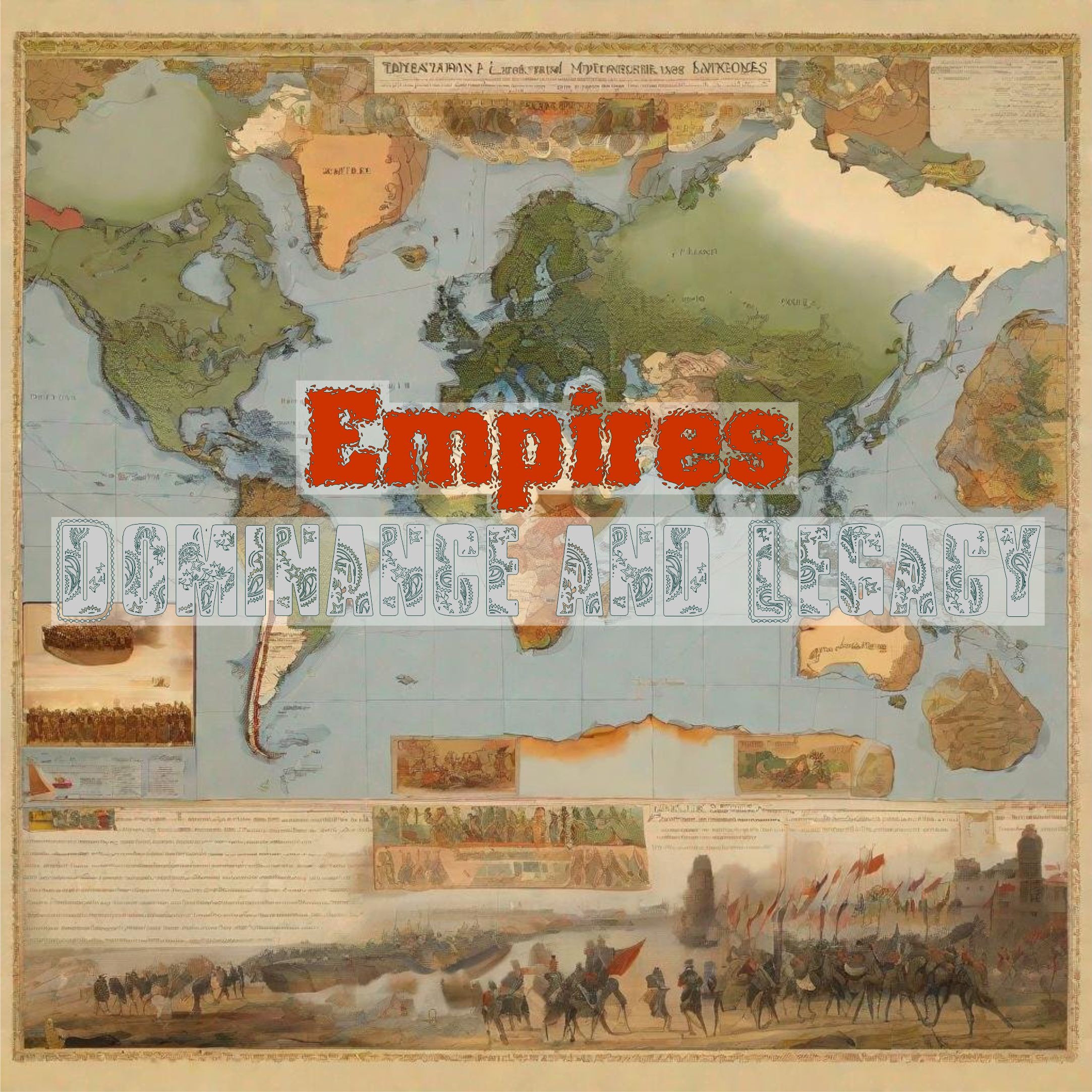
Empires: Dominance and Legacy is a captivating podcast series that explores the most influential military and economic empires throughout history. From the ancient Akkadian Empire to the modern American economic powerhouse, this podcast delves into the rise, peak, and fall of civilizations that have shaped our world. Each episode provides an in-depth look at the historical context, key figures, military strategies, economic policies, and cultural impacts of these empires. Listeners will journey through time, discovering how empires like the Roman, Mongol, Ottoman, and British Empires expanded their influence and left lasting legacies. The series also examines the modern equivalents of empires, such as multinational corporations like Apple and Amazon, highlighting their global dominance in the contemporary era. Whether you are a history enthusiast, a student, or simply curious about the forces that have molded our global landscape, Empires: Dominance and Legacy offers a compre
Pitch Analysis
Required Pod Score for this show. PitchCentric checks your profile against host openness, topical fit, and audience signals before you generate a pitch.
Contact path
Verified email
Booking probability
39%
Guest openness
Selective
Verified email on file
80/100
Required Score
Sign up to generate a grounded pitch for Empires: Dominance and Legacy.
Empires: Dominance and Legacy is a history podcast hosted by Lavon Nunnery, with 22 episodes on record and a Required Pod Score of 80. PitchCentric scores this show on Booking Probability, Listen Score, and live audience signals refreshed every 24 hours.
About the host
Lavon Nunnery hosts Empires: Dominance and Legacy, a history show with 22 episodes published.
Our AI reads these to draft pitches. Use them as grounding for a pitch that cites a real guest and a specific topic.
Empires: Dominance and Legacy
The Qing Dynasty - The last imperial dynasty of China
Feb 3, 20254 minS0
<p>The Qing Dynasty (1644–1912) was China’s last imperial dynasty, established by the Manchus after overthrowing the Ming Dynasty. It saw unprecedented territorial expansion, cultural achievements, and economic prosperity under powerful rulers like Kangxi, Yongzheng, and Qianlong. The empire flourished with agricultural reforms, population growth, and a vibrant arts scene, including the compilation of the Siku Quanshu.</p><p>However, the 19th century brought internal rebellions, economic struggles, and increasing foreign influence due to defeats in the Opium Wars and the imposition of unequal treaties. Despite attempts at modernization, the dynasty could not withstand nationalist movements, leading to its fall in 1...
The Ming Dynasty - Economic and cultural resurgence in China.
Jan 13, 20255 minS0
<p>The Ming Dynasty (1368–1644) marked a golden age in Chinese history, characterized by economic prosperity, cultural renaissance, and significant global influence. Founded by Zhu Yuanzhang, the Hongwu Emperor, the Ming Dynasty restored order after the Mongol-led Yuan Dynasty, emphasizing Confucian governance, agricultural reforms, and traditional Chinese culture.</p><p>Key achievements include the construction of the Forbidden City under the Yongle Emperor, the commissioning of the monumental Yongle Encyclopedia, and Admiral Zheng He’s maritime expeditions, which showcased China’s technological and organizational sophistication on a global scale. The Ming also saw advancements in art, literature, and printing, producing enduring master...
The Safavid Empire - Shia Islam and Persian culture.
Dec 26, 20245 minS0
<p>The Safavid Empire, established in 1501 by Shah Ismail I, transformed Persia by unifying its territories under Shia Islam, marking a distinct identity that contrasted with its Sunni neighbors. Despite early challenges, including defeat at the Battle of Chaldiran, the empire flourished under Shah Abbas I. Abbas reformed the military, centralized power, and revitalized the economy by promoting trade, especially in silk and carpets.</p><p>The empire’s capital, Isfahan, became a cultural and architectural masterpiece, showcasing Persian-Islamic art and design. The Safavid era was a golden age for Persian literature, art, and science, and it solidified Iran as th...
The Mughal Empire - Akbar the Great and cultural synthesis in India.
Dec 12, 20245 minS0
<p>This episode of Empires: Dominance and Legacy explores the Mughal Empire, a transformative dynasty in India that flourished under Akbar the Great. Founded in 1526 by Babur, the empire expanded significantly under Akbar's nearly 50-year reign, characterized by military conquests, administrative reforms, and cultural synthesis.</p><p>Akbar is celebrated for promoting religious tolerance, abolishing the jizya tax on non-Muslims, and fostering dialogue between diverse faiths. His administrative innovations, such as a merit-based governance system and the zabt land revenue system, ensured economic stability and efficient rule. Akbar also forged alliances with Hindu Rajput rulers, strengthening the empire’s unity.</p>...
The Portuguese Empire - Maritime discoveries and trade routes
Nov 25, 20246 minS0
<p>This episode of Empires: Dominance and Legacy explores the Portuguese Empire, a pioneering force in maritime discoveries and global trade. Rising in the 15th century under Prince Henry the Navigator, Portugal led the Age of Exploration, with key milestones including Bartolomeu Dias rounding the Cape of Good Hope and Vasco da Gama establishing a sea route to India. The empire's dominance in spice trade and colonization spanned Africa, Asia, and the Americas.</p><p>Brazil, claimed in 1500, became its largest colony, central to sugarcane production and the transatlantic slave trade. The Portuguese also established influential outposts in Africa and...
Every question we get asked before someone starts their trial.
If you have a concern about deliverability, AI quality, data privacy, or whether this will actually work for your specific situation, it's probably answered below.
What is the difference between Founder Solo and Founder Pro?
Founder Solo gives you 50 AI pitches per month using the credit model (Standard pitches cost 1 credit, Enriched pitches cost 2). Founder Pro raises that to 200 credits per month and adds full Booking Probability access, unlimited Magic Match, Apollo enrichment credits, and data export capabilities. Both plans use the same credit system, so you can stretch your monthly budget further by using Standard-mode drafting.
How do agency tiers work?
Agency tiers have no base fee. You pay per managed client and per talent profile. Agency Standard is $199 per client per month; Agency Pro is $399 per client per month. Both add $39 per talent profile per month. Your own team's user seats are always free.
What is a talent profile?
A talent profile represents one person (founder, executive, or spokesperson) you are booking onto podcasts. It includes their bio, topics, headshots, and outreach history. Team plans include 5 profiles; agency plans are pay-as-you-go.
Can I switch plans later?
Yes, at any time. Upgrades take effect immediately; downgrades apply at the end of the current billing period. Contact support if you need help migrating between plan families.
Do you offer a free trial?
Every paid plan includes a 15-day free trial. Your card is saved at signup but you will not be charged until day 16. Cancel any time from your dashboard.
What happens if I cancel?
You keep access until the end of your current billing period. No charges after that. Your data is retained for 30 days in case you reactivate.
Is the 20% annual discount automatic?
Yes. Select Annual on the pricing toggle and the discounted price is applied automatically at checkout. The annual price shown is the full year cost.
What if I have more than 50 profiles or 20 clients?
That is our Enterprise tier. Contact our sales team and we will build a custom plan with volume pricing, a dedicated account manager, and SLA guarantees.