Energy News Beat Podcast
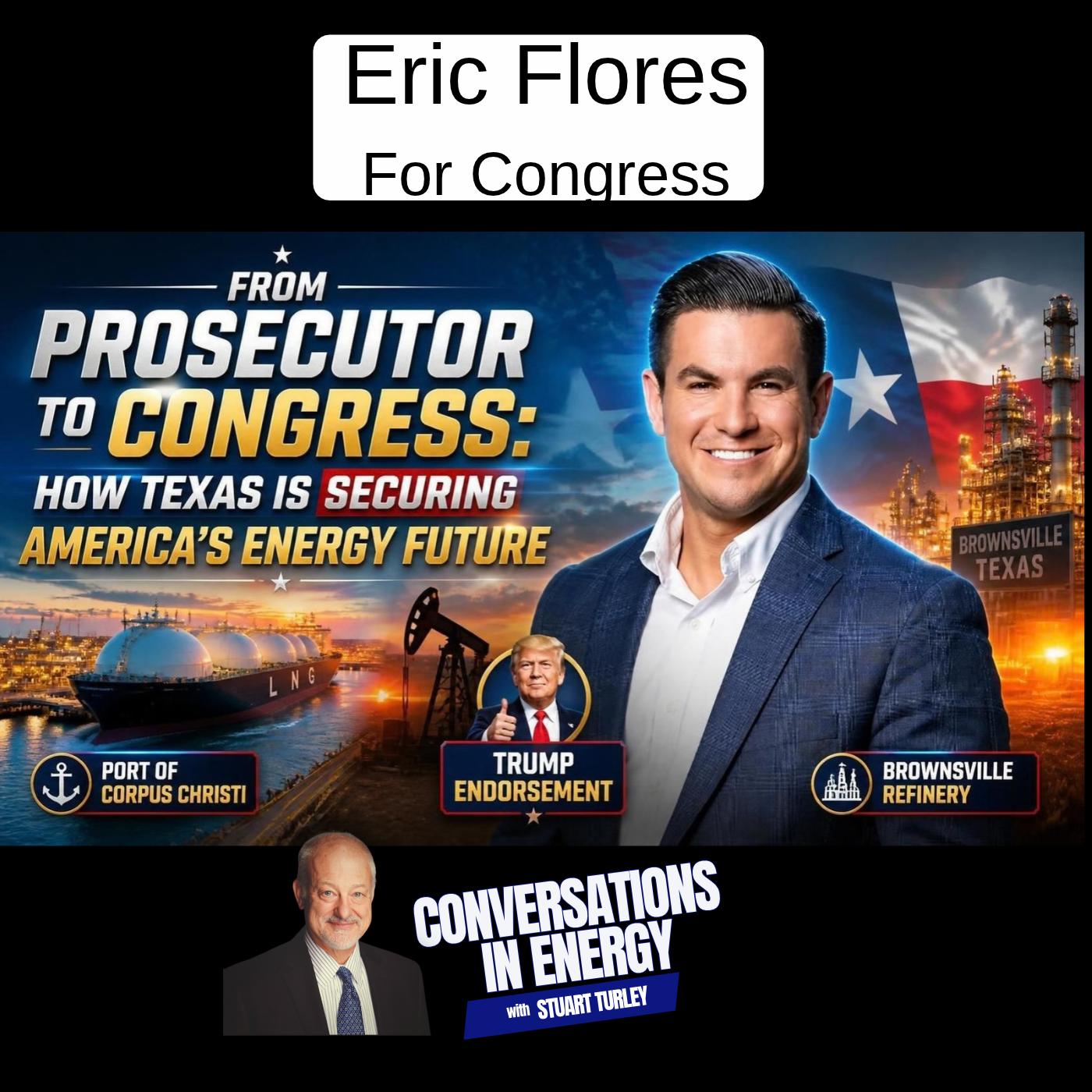
From Prosecutor to Congress: How Texas is Securing America's Energy Future
Welcome back to the Energy News Beat podcast. Today we're diving into one of the most critical conversations happening in American politics—energy security, economic policy, and leadership. Our guest is Eric Flores, a former federal prosecutor, Captain in the Texas Army National Guard, and congressional candidate running in South Texas's District 34 with President Trump's endorsement. In this episode, Eric takes us on a tour of the energy revolution happening right in his backyard: America's first heavy crude refinery in 50 years coming online next year, the Port of Corpus Christi's dominance as a global LNG hub, and SpaceX's presence as the "gateway to Mars." But this conversation goes deeper than infrastructure. We explore how energy policy directly impacts inflation, job creation, and American prosperity—and why Eric believes the choice facing South Texas voters is between common sense policies and a fundamentally different vision for the country. If you care about energy independence, border security, or what true servant leadership looks like in Congress, you won't want to miss this one. Check out Eric's Website: https://www.ericflores.com/ 1. Congressional Campaign & Political Background Eric Flores is running for Congress in District 34 (South Texas/Coastal Bend area). He's a former prosecutor and Captain in the Texas Army National Guard with President Trump's endorsement. The conversation emphasizes his qualifications and contrasts him with the incumbent, who has served nearly 10 years without passing substantive legislation affecting South Texas constituents. 2. Energy Security & Dominance This is a central theme throughout the interview. Key points include: Texas's critical role in U.S. energy exports (20% of diesel exports to Europe) The Port of Corpus Christi's ranking as the #2 port globally for liquid natural gas America's First Refinery coming online in 2025—the first heavy crude refinery in 50 years Energy security as a national security priority under the Trump administration 3. Economic Policy & Inflation Eric contrasts Biden-era policies with current administration results: Inflation dropped from ~9% to 4% Over 750,000 non-farm jobs added Unemployment down, wages up Criticism of his opponent voting for what he calls "the second largest tax hike since WWII" 4. Oil & Gas Industry vs. Green Policies The discussion critiques California's energy policies (which drove out tech and oil/gas companies) and contrasts them with Texas's business-friendly approach. Eric opposes what he calls "green scam energy deals" and emphasizes the oil and gas industry's importance to American life and the economy. 5. Venezuelan Oil Trade Discussion of the Trump administration's deal to import Venezuelan crude oil to Texas refineries, which benefits both the U.S. and Venezuela compared to previous Chinese purchases at deep discounts. 6. Border & Humanitarian Issues Eric's prosecutorial background includes work on border security while ensuring humanitarian needs are met in the Brownsville area. 7. SpaceX & Innovation Recognition of SpaceX's presence in the district, with references to the "gateway to Mars" and Elon Musk's commitment to improving Americans' daily lives. 8. Political Ideology & Values A contrast between "common sense" Republican policies and what Eric characterizes as "communist socialist" Democratic policies, including debates over: Second Amendment rights Gender and biological sex definitions Religious freedom Private property interests 9. Legislative Priorities Discussion of the Save America Act, with Eric criticizing Senate leadership (Leader Thune and Senator Cornyn) for not pushing hard enough to pass legislation that polls show 80% of Americans support. 10. Texas Values & Cultural Issues Eric emphasizes South Texas values: "faith, family, freedoms" and hard work, positioning the election as a choice between these values and alternative ideologies. Check out the World's Greatest Podcast Show Notes at EnergyNewsBeat.co or EnergyNewsBeat.com , and the Energy News Beat Substack at: https://theenergynewsbeat.substack.com/ A shout-out to Steve Reese and the Reese Energy Consulting group for sponsoring the Podcast https://reeseenergyconsulting.com/. Data2 if you have any business systems, can you trust A? Well, they have the patent on validation. . https://data2.zoholandingpage.com/energy And we have WellDatabase rolling, and we use their tools for the Energy News Beat weekly Rig Reports: https://welldatabase.com/ Also entering Sponsor Rey Trevino, Pecos Operating https://pecos.energy/