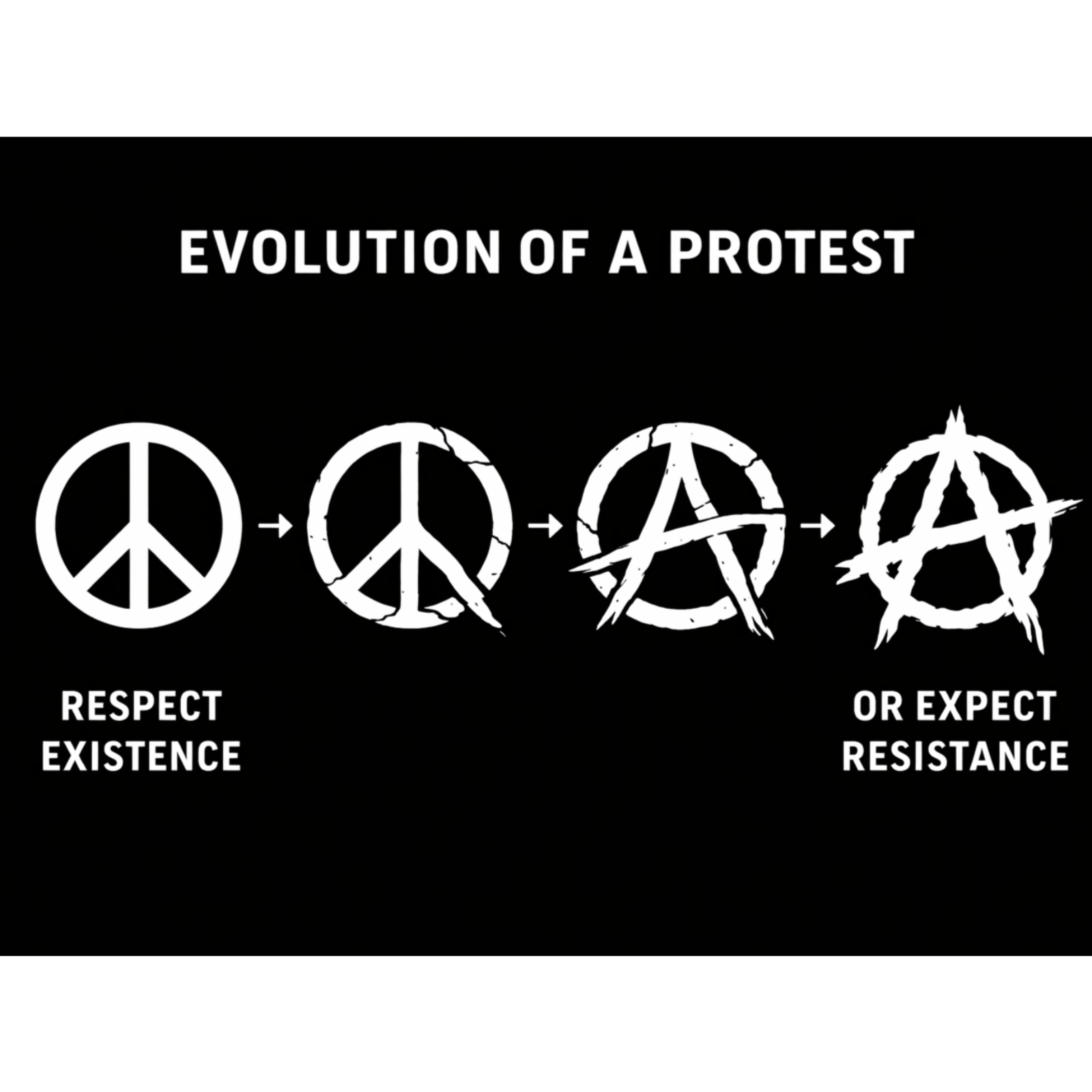
Evolution Of A Protest
The Disconnect
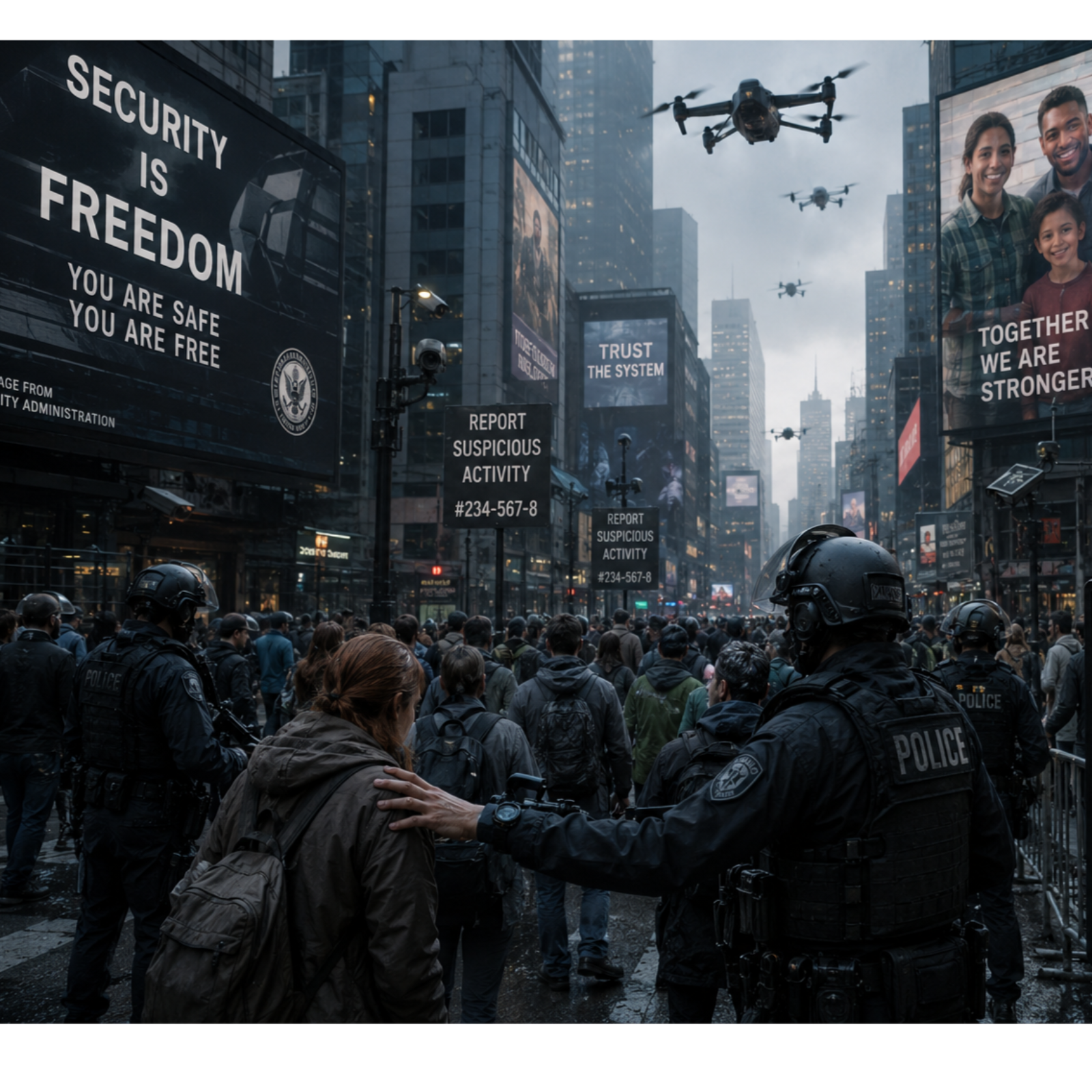
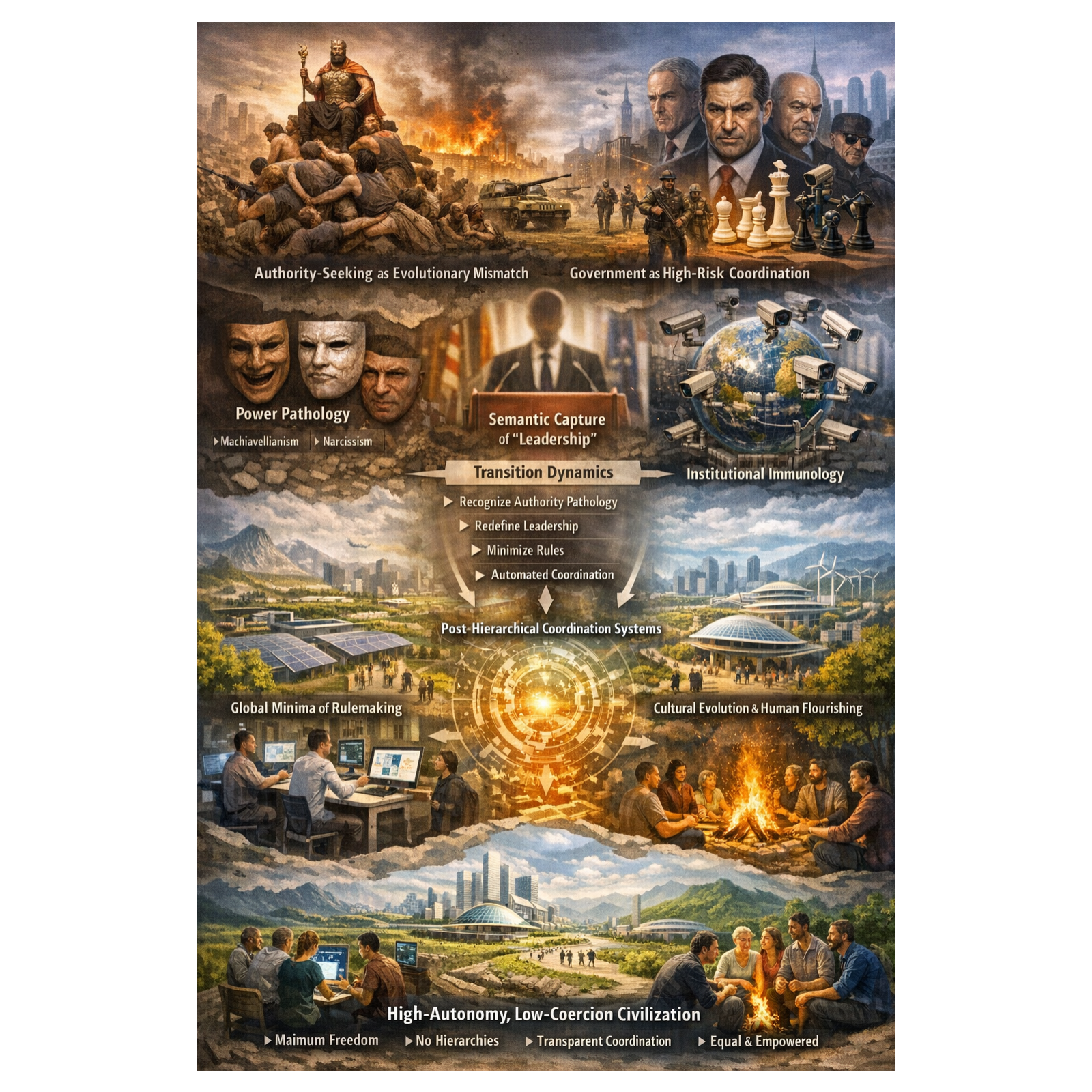
Theme: How surveillance, over‑criminalization, and elite self‑delusion create a system where empowerment itself becomes treated as a threat — and how power shifts anyway. --- I. Structural Overreach: When Law Becomes Totalizing 1. Hyper‑dense law — Modern legal codes expand until nearly every action is technically violable, creating universal latent guilt. 2. Selective enforcement — Power shifts from “what is illegal” to “who gets punished,” turning legality into a discretionary weapon. 3. Criminalization of coordination — Collective action, mutual aid, and parallel institutions become reframed as conspiracy, extremism, or economic subversion. --- II. Force Multipliers: Surveillance + Militarized Policing 1. Militarized policing — Tactical asymmetry grows: armored vehicles, predictive policing, fusion centers, and rapid‑response units. 2. Total data capture — Mass surveillance, financial tracking, and metadata analysis make early suppression easier. 3. Visibility paradox — The same systems that strengthen the state also create vast paper trails, leaks, and statistical evidence of abuse. --- III. Regulatory Capture as Organized Criminality 1. Elite self‑insulation — Political actors become shielded from consequences by networks of donors, lobbyists, and legal immunities. 2. Sincere delusion — Elites internalize their own narratives, believing repression is “protection,” not predation. 3. Closed feedback loops — Policy is shaped by those who benefit from it, eliminating internal correction mechanisms. --- IV. When Organizing Becomes “Illicit” 1. Chilling effect — People self‑censor, fearing that any attempt at empowerment may be construed as criminal intent. 2. Delegitimization of dissent — Critiques of power are reframed as threats to national security or public order. 3. Weaponized ambiguity — Vague statutes allow authorities to retroactively justify repression. --- V. Decision‑Theoretic Consequences 1. Collapse of expected value for open activism — Direct confrontation becomes irrational under high surveillance and high penalty risk. 2. Shift to covert, distributed coordination — Networks become smaller, denser, and harder to detect. 3. Substrate switching — Organizing moves into culture, economics, diaspora networks, and digital steganography. --- VI. Parallel Structures as Nonviolent Power Reclamation 1. Resilience over rebellion — People build alternatives rather than attack incumbents. 2. Economic sovereignty — Cooperative models, local production, and decentralized finance reduce dependency. 3. Narrative counterpower — Documentaries, art, satire, and open‑source knowledge shift public perception without triggering legal tripwires. --- VII. Long‑Term Dynamics: Brittleness of Over‑Control 1. Legitimacy erosion — Excessive force accelerates public disillusionment. 2. Overreach instability — Systems that criminalize empowerment eventually face crises of compliance. 3. Structural obsolescence — Parallel institutions quietly outcompete captured ones.