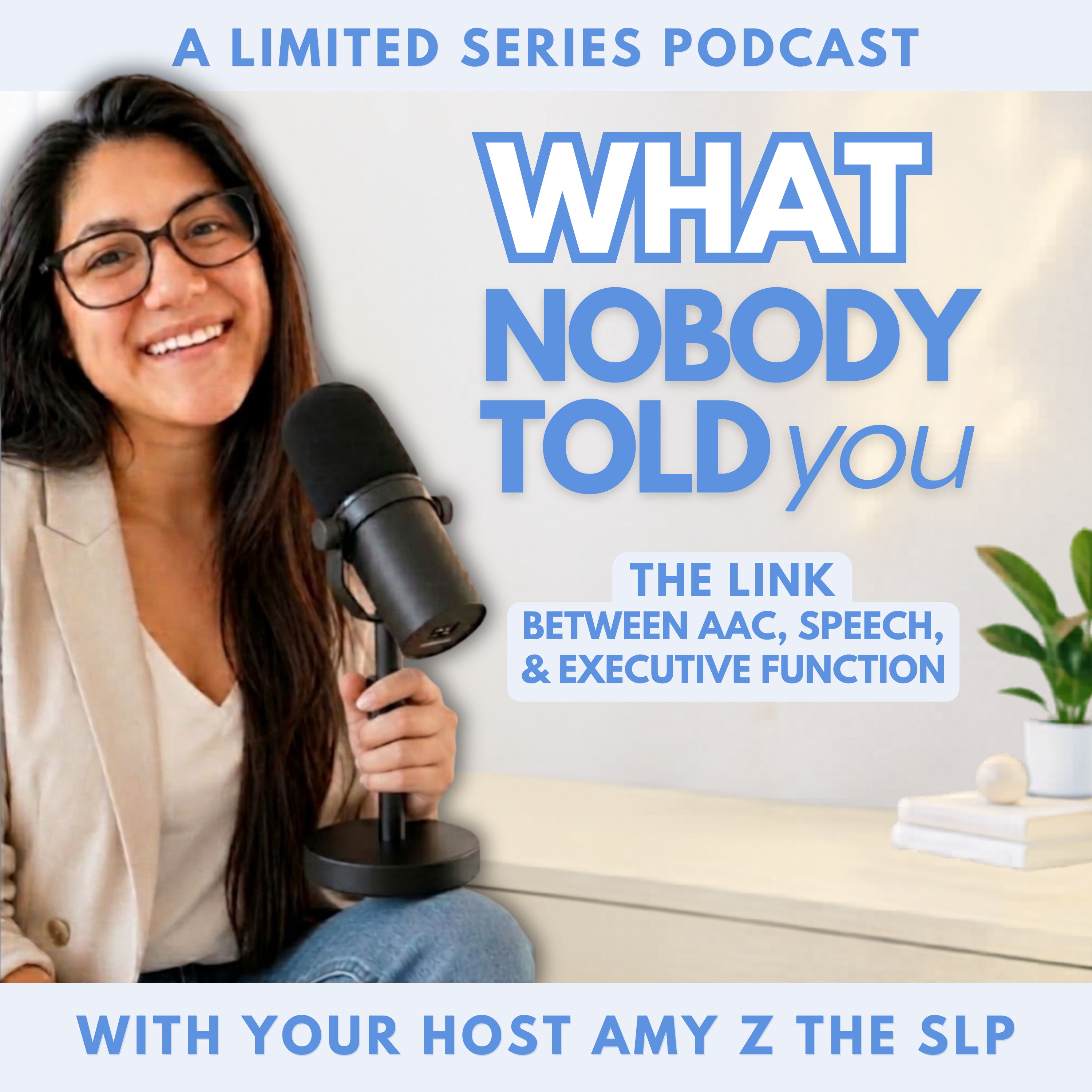
What Nobody Told You is a neurodiversity-affirming podcast about executive function in autistic children, gestalt language processors, and AAC users. Hosted by pediatric speech-language pathologist Amy Zembriski, the series explores how executive function affects language development, emotional regulation, social communication, planning, flexibility, initiation, and self-advocacy. Through research and clinical examples, Amy helps parents, SLPs, educators, and therapists understand why executive function support is so important—and why every autistic child deserves access to respectful, explicit support, regardless of age or language ability. The goal is to replace assumptions about defiance or motivation with deeper understanding, practical strategies, and more responsive care.
Pitch Analysis
Required Pod Score for this show. PitchCentric checks your profile against host openness, topical fit, and audience signals before you generate a pitch.
Contact path
Public web form
Booking probability
36%
Guest openness
Selective
80/100
Required Score
Sign up to generate a grounded pitch for Executive Function For Gestalt Language Processors, AAC Users, and Autistic Children.
What is Executive Function For Gestalt Language Processors, AAC Users, and Autistic Children?
Executive Function For Gestalt Language Processors, AAC Users, and Autistic Children is a general podcast hosted by Unknown Host, with 0 episodes on record and a Required Pod Score of 80. PitchCentric scores this show on Booking Probability, Listen Score, and live audience signals refreshed every 24 hours.
About the host
Unknown Host hosts Executive Function For Gestalt Language Processors, AAC Users, and Autistic Children, a general show with 0 episodes published.
Our AI reads these to draft pitches. Use them as grounding for a pitch that cites a real guest and a specific topic.
Executive Function For Gestalt Language Processors, AAC Users, and Autistic Children
Executive Function in Autism: Autistic Inertia
Aug 25, 202616 minS1
<p><b>Summary</b></p><p>In this episode, Amy Zembriski discusses the concept of autistic inertia, which refers to the challenges autistic individuals face in initiating, stopping, or switching tasks. She emphasizes the importance of understanding the disconnect between intention and action, advocating for early executive function support for autistic children. Through personal anecdotes and insights from a research article by Buckle and colleagues (2021), she highlights the need for tailored strategies to assist neurodiverse individuals in navigating their daily lives and achieving their goals.</p><p></p><p><b>Takeaways</b></p>Autistic inertia is a significant challenge for...
Executive Function For Gestalt Language Processors, AAC Users, and Autistic Children
Executive Function For AAC Users
Aug 25, 202612 minS1
<p><b>Summary</b></p><p>In this episode, Amy Zembriski discusses the critical role of executive function in supporting AAC users, particularly in the context of neurodiversity. She emphasizes the importance of self-regulation, attention, and impulse control in effective communication.</p><p></p><p><b>Takeaways</b></p>Executive function is crucial for AAC users' communication.Self-regulation must be prioritized for effective AAC use.Modeling without expectations may not be sufficient.Reflection strengthens executive function networks in the brain and helps AAC users become successful<p></p><p></p><p><b>Resources & References:</b></p><p><br /><b>Social...
Executive Function For Gestalt Language Processors, AAC Users, and Autistic Children
Executive Function in Autism: Social Skills Case Study
Aug 25, 202622 minS1
<p><b>Summary</b></p><p>In this episode, Amy Zembriski discusses the critical role of executive function in supporting autistic children, particularly those who are gestalt language processors. Through a detailed case study, she illustrates the challenges faced by a child in social interactions and emphasizes the importance of emotional regulation, co-regulation, and self-advocacy. The conversation highlights the need for explicit support and strategies to help children navigate social situations and develop meaningful connections with their peers.</p><p></p><p><b>Takeaways</b></p>Executive function is crucial for supporting autistic students and supporting development of social skillsDiscomfort...
Executive Function For Gestalt Language Processors, AAC Users, and Autistic Children
Executive Function For Gestalt Language Processors: The NLA Framework
Aug 25, 202617 minS1
<p><b>Summary</b></p><p>In this episode, Amy Zembriski discusses the intersection of executive function and the Natural Language Acquisition (NLA) framework, emphasizing the importance of child-led therapy and the meaningfulness of echolalia. She explores how understanding executive function can enhance language development for gestalt language processors and autistic children. The conversation highlights the need for explicit supports, self-awareness in communication, and individualized strategies to foster effective communication and learning.</p><p></p><p><b>Takeaways</b></p>Child-led therapy and echolalia are both meaningfulExplicit supports to help gestalt language processors make progress does not equate to compliance-based...
Executive Function For Gestalt Language Processors, AAC Users, and Autistic Children
Importance of Executive Function in Autism: Gestalt Language Processing & AAC
Aug 25, 202620 minS1
<p><b>Summary</b><br />In this episode, Amy Zembriski discusses the importance of executive function in supporting autistic children, particularly those who are gestalt language processors and AAC users. She defines executive function, highlights some executive function skills, and emphasizes the role of emotional regulation and metacognition in language development. Through case studies, she illustrates the challenges faced by these children and offers strategies for caregivers and professionals to enhance communication and learning.</p><p></p><p><b>Takeaways</b></p>Executive function is crucial for self-directed goals.Emotional regulation is foundational for effective communication as dysregulation can block...
Every question we get asked before someone starts their trial.
If you have a concern about deliverability, AI quality, data privacy, or whether this will actually work for your specific situation, it's probably answered below.
What is the difference between Founder Solo and Founder Pro?
Founder Solo gives you 50 AI pitches per month using the credit model (Standard pitches cost 1 credit, Enriched pitches cost 2). Founder Pro raises that to 200 credits per month and adds full Booking Probability access, unlimited Magic Match, Apollo enrichment credits, and data export capabilities. Both plans use the same credit system, so you can stretch your monthly budget further by using Standard-mode drafting.
How do agency tiers work?
Agency tiers have no base fee. You pay per managed client and per talent profile. Agency Standard is $199 per client per month; Agency Pro is $399 per client per month. Both add $39 per talent profile per month. Your own team's user seats are always free.
What is a talent profile?
A talent profile represents one person (founder, executive, or spokesperson) you are booking onto podcasts. It includes their bio, topics, headshots, and outreach history. Team plans include 5 profiles; agency plans are pay-as-you-go.
Can I switch plans later?
Yes, at any time. Upgrades take effect immediately; downgrades apply at the end of the current billing period. Contact support if you need help migrating between plan families.
Do you offer a free trial?
Every paid plan includes a 15-day free trial. Your card is saved at signup but you will not be charged until day 16. Cancel any time from your dashboard.
What happens if I cancel?
You keep access until the end of your current billing period. No charges after that. Your data is retained for 30 days in case you reactivate.
Is the 20% annual discount automatic?
Yes. Select Annual on the pricing toggle and the discounted price is applied automatically at checkout. The annual price shown is the full year cost.
What if I have more than 50 profiles or 20 clients?
That is our Enterprise tier. Contact our sales team and we will build a custom plan with volume pricing, a dedicated account manager, and SLA guarantees.