
Faith Radio On Demand
Intentional Living with Dr. Randy Carlson - Blended Families with Ron Deal
Oct 1, 2026—
You and your spouse are pretty much on the same page, except when it comes […]

Loading…

Faith Radio provides solid Bible teaching, uplifting music, and relevant information to the glory of God.
Required Pod Score for this show. PitchCentric checks your profile against host openness, topical fit, and audience signals before you generate a pitch.
Contact path
Verified email
Booking probability
39%
Guest openness
Selective
Sign up to generate a grounded pitch for Faith Radio On Demand.
Signup to Generate a PitchFaith Radio On Demand is a religion podcast hosted by Unknown Host, with 0 episodes on record and a Required Pod Score of 80.
Unknown Host hosts Faith Radio On Demand, a religion show with 0 episodes published.
Our AI reads these to draft pitches. Use them as grounding for a pitch that cites a real guest and a specific topic.
Faith Radio On Demand
You and your spouse are pretty much on the same page, except when it comes […]
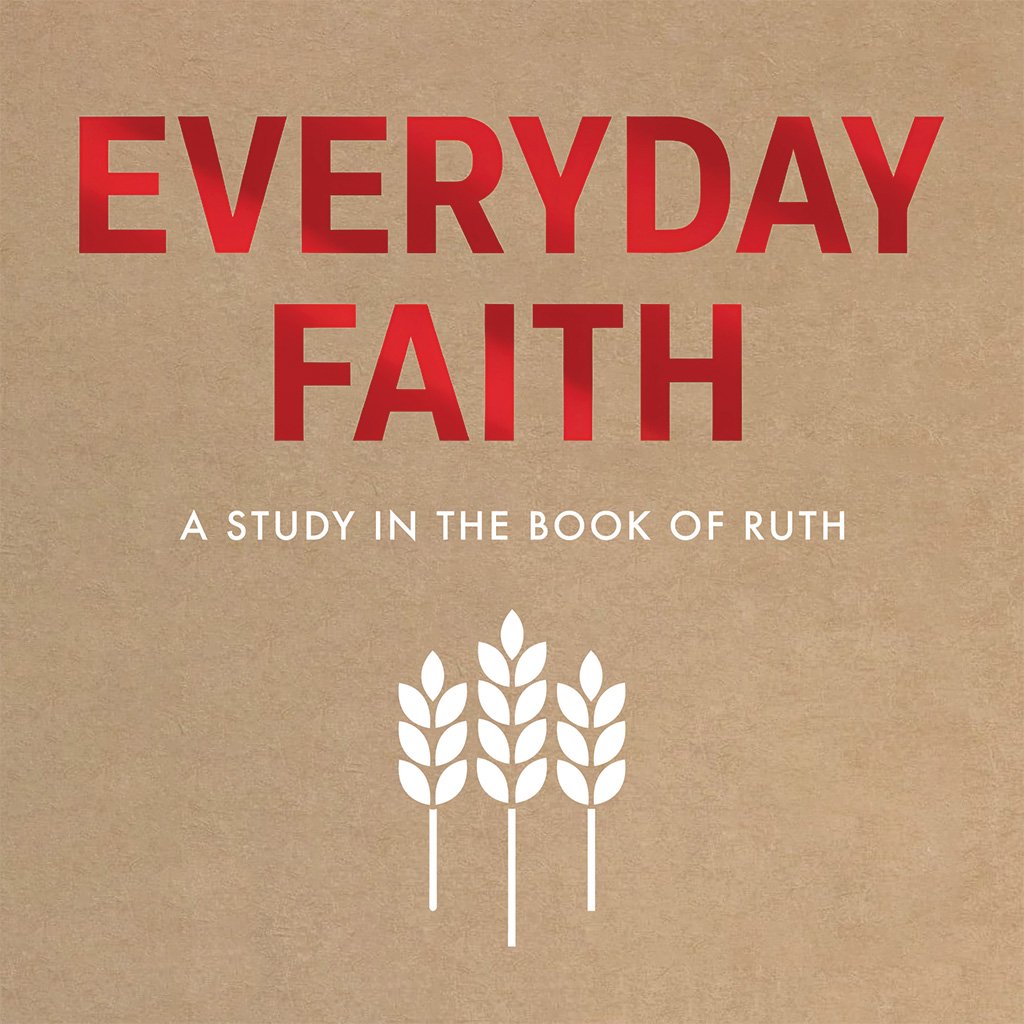
Faith Radio On Demand
Pain can shake your faith without destroying it. On this episode of Know The Truth, Philip De Courcy takes us into Naomi’s heartbreak as she returns home empty, confused, and struggling with God. Discover why Scripture gives us permission to be honest about our hurt—and why bringing our questions to God can actually be an expression of faith.

Faith Radio On Demand
Today, Pastor Jack reminds us that God sees us as holy and blameless, even when we don’t feel that way. The closer we get to His light, the harder it is to see past our own flaws, and shortcomings. But, God doesn’t focus on our mistakes, instead, He sees something greater. He sees the work that Christ has done in our lives.

Faith Radio On Demand
Pastor Skip reveals the first thing God called not good in creation—and what it teaches you about your need for relationships.

Faith Radio On Demand
What will you leave to the next generation—and will they be prepared to steward it well? A faithful wealth transfer involves more than deciding who gets what. It means thinking carefully about the people who will receive those resources and whether they have the wisdom, maturity, and spiritual foundation to handle them faithfully. Dr. Kelly Rush, Professor of Finance, Financial Planning Program Coordinator, and Chair of Business and Technology at Mount Vernon Nazarene University , points to David and Solomon as a compelling biblical example. Rush, who also serves on the board of Kingdom Advisors , says David did more than accumulate resources for his son. He prepared Solomon for both great wealth and great responsibility. David knew Solomon would eventually build the temple in Jerusalem. So before transferring tremendous resources, David helped prepare his son for the work ahead. His example offers families four important principles for thinking about wealth transfer today. 1. Pursue Unity Before Making a Plan The first principle is unity: husbands and wives should agree on their plans for transferring wealth. We see this in 1 Kings 1. As David neared the end of his life, his son Adonijah attempted to establish himself as king. Bathsheba approached David and reminded him of the commitment concerning Solomon. David acted, and Solomon was publicly established as his successor. For families today, the circumstances are obviously very different, but the underlying principle remains valuable. Parents should work toward a shared vision for what they hope their wealth will accomplish and how it will eventually be distributed. That unity can clarify the plan for the entire family. Children and other heirs are less likely to receive conflicting messages when parents have already worked through difficult questions together. Before asking, “How much should we leave?” couples may need to begin with a more fundamental question: “Are we united about what we hope this wealth will accomplish?” 2. Transfer Wisdom Before Wealth Assets will eventually change hands. The larger question is whether wisdom will accompany them. David understood that Solomon needed more than resources. He needed spiritual and practical preparation. David prayed that God would give Solomon wisdom and understanding, and he personally instructed his son to know the Lord and serve Him wholeheartedly. He also gave Solomon detailed plans for the temple and prepared him for the responsibilities he would inherit. In other words, David did not simply leave Solomon a fortune and expect him to figure things out. Parents today have a similar opportunity. Children and grandchildren can be taught biblical principles of stewardship alongside practical financial skills such as budgeting, saving, giving, investing, and making wise decisions. The goal is not merely to prepare assets for heirs. It is to prepare heirs for assets. That preparation may begin long before an inheritance is in view. Younger children can learn to manage small amounts of money and decide how to give. Teenagers can take on greater financial responsibilities. Adult children can increasingly participate in conversations about family resources, generosity, and long-term plans. Wealth without wisdom can create significant challenges. But when wisdom comes first, financial resources can become another tool the next generation is prepared to steward faithfully. 3. Consider Readiness, Not Just Age David recognized something important about Solomon: he was “young and inexperienced” (1 Chronicles 22:5). So David prepared him gradually. He imparted wisdom. He supplied practical plans and instructions. Eventually, Solomon received the resources he
Recent guests on Faith Radio On Demand. Study who booked and why before you pitch.
Sponsor detection runs nightly. Check back soon.
Based on semantic analysis of episode topics and host coverage, this show is a strong guest fit for executives in:
Industry fit is computed by PitchCentric using vector embeddings of the show's episode catalog.
Is this podcast yours and you'd like to remove or correct details? Request removal or email privacy@pitchcentric.com.
FAQs
If you have a concern about deliverability, AI quality, data privacy, or whether this will actually work for your specific situation, it's probably answered below.
Founder Solo gives you 50 AI pitches per month using the credit model (Standard pitches cost 1 credit, Enriched pitches cost 2). Founder Pro raises that to 200 credits per month and adds full Booking Probability access, unlimited Magic Match, Apollo enrichment credits, and data export capabilities. Both plans use the same credit system, so you can stretch your monthly budget further by using Standard-mode drafting.
Agency tiers have no base fee. You pay per managed client and per talent profile. Agency Standard is $199 per client per month; Agency Pro is $399 per client per month. Both add $39 per talent profile per month. Your own team's user seats are always free.
A talent profile represents one person (founder, executive, or spokesperson) you are booking onto podcasts. It includes their bio, topics, headshots, and outreach history. Team plans include 5 profiles; agency plans are pay-as-you-go.
Yes, at any time. Upgrades take effect immediately; downgrades apply at the end of the current billing period. Contact support if you need help migrating between plan families.
Every paid plan includes a 15-day free trial. Your card is saved at signup but you will not be charged until day 16. Cancel any time from your dashboard.
You keep access until the end of your current billing period. No charges after that. Your data is retained for 30 days in case you reactivate.
Yes. Select Annual on the pricing toggle and the discounted price is applied automatically at checkout. The annual price shown is the full year cost.
That is our Enterprise tier. Contact our sales team and we will build a custom plan with volume pricing, a dedicated account manager, and SLA guarantees.
