Episode #26
Pedro Naveiras on Public Safety, East Bakersfield & the Ward 3 Race
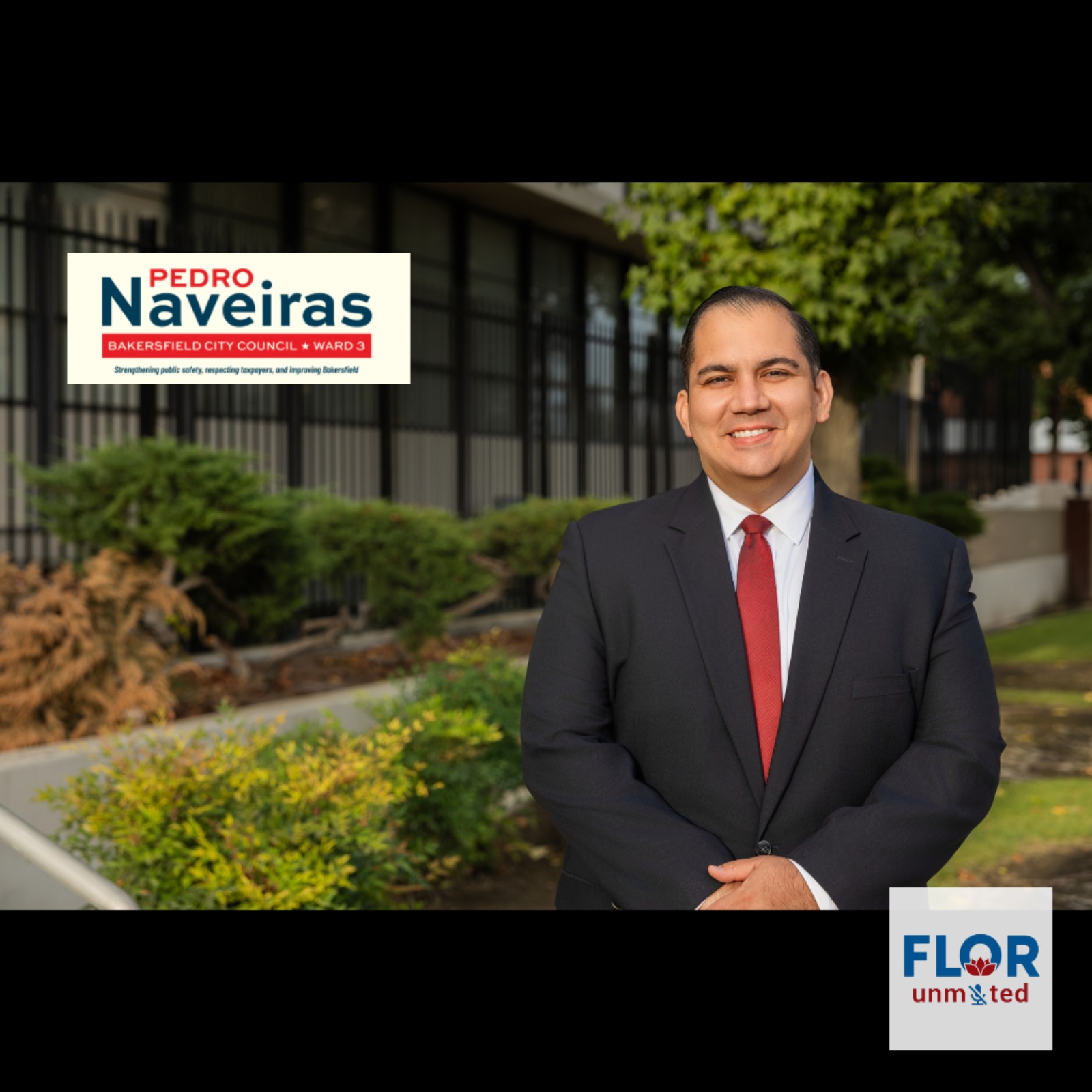
Pedro Naveiras is running for Bakersfield City Council Ward 3, an open seat currently represented by longtime Councilmember Ken Weir. In this episode of Flor Unmuted, Pedro talks about growing up in East Bakersfield, his path from local schools and CSU Bakersfield to a career as a prosecutor, and why he decided to run for City Council. We get into his priorities for Ward 3 and Bakersfield, including public safety, homelessness, city spending, infrastructure, and economic development on the east side of town. Pedro also discusses how his experience prosecuting gang and violent crime has shaped the way he thinks about prevention, youth programs, mental-health response, and the role local government can play before someone enters the criminal justice system. We also talk about his vision for downtown and East Bakersfield, his approach to political endorsements and independence, and his promise to hold quarterly town halls if elected. In this episode: Why Pedro Naveiras decided to run for Bakersfield City Council His background as a local, state, and federal prosecutor Public safety beyond policing Youth intervention and partnerships with local schools Homelessness, treatment, and city resources Infrastructure and long-term city planning Economic investment in East Bakersfield What Ward 3 residents should expect from their next councilmember Learn more about Pedro Naveiras and his campaign: https://pedroforbakersfield.com/ Flor Unmuted independently determines its guests, questions, coverage, and editorial positions. An appearance on the podcast does not constitute an endorsement.