Over 50% of SaaS companies say partnerships are a top revenue driver, but the path to success isn’t always clear.On this show, we unpack the real stories behind the programs driving revenue growth, straight from the people who’ve built them. From early missteps to pivotal moments, each guest breaks down how their strategy evolved, what actually worked, and the lessons that stuck. We’re getting tactical, walking through the exact playbooks they’ve used to turn partnerships into a predictable, repeatable revenue stream you can learn from.Whether you're evolving a partner program or building one from scratch, Get it, Together delivers the clarity and practical insight you need to move fast and get it right. Instead of asking "where do I start?" or “what’s next?”, you’ll be saying "let's run this back."Practical, honest, and occasionally spicy, this is the podcast that helps GTM teams build partnership programs that are built to last.
Pitch Analysis
Required Pod Score for this show. PitchCentric checks your profile against host openness, topical fit, and audience signals before you generate a pitch.
Contact path
Public web form
Booking probability
29%
Guest openness
Selective
80/100
Required Score
Sign up to generate a grounded pitch for Get It, Together.
Our AI reads these to draft pitches. Use them as grounding for a pitch that cites a real guest and a specific topic.
Episode #26
Why Partner Qualification Matters Before Scaling Your Ecosystem
Sep 23, 202642 min
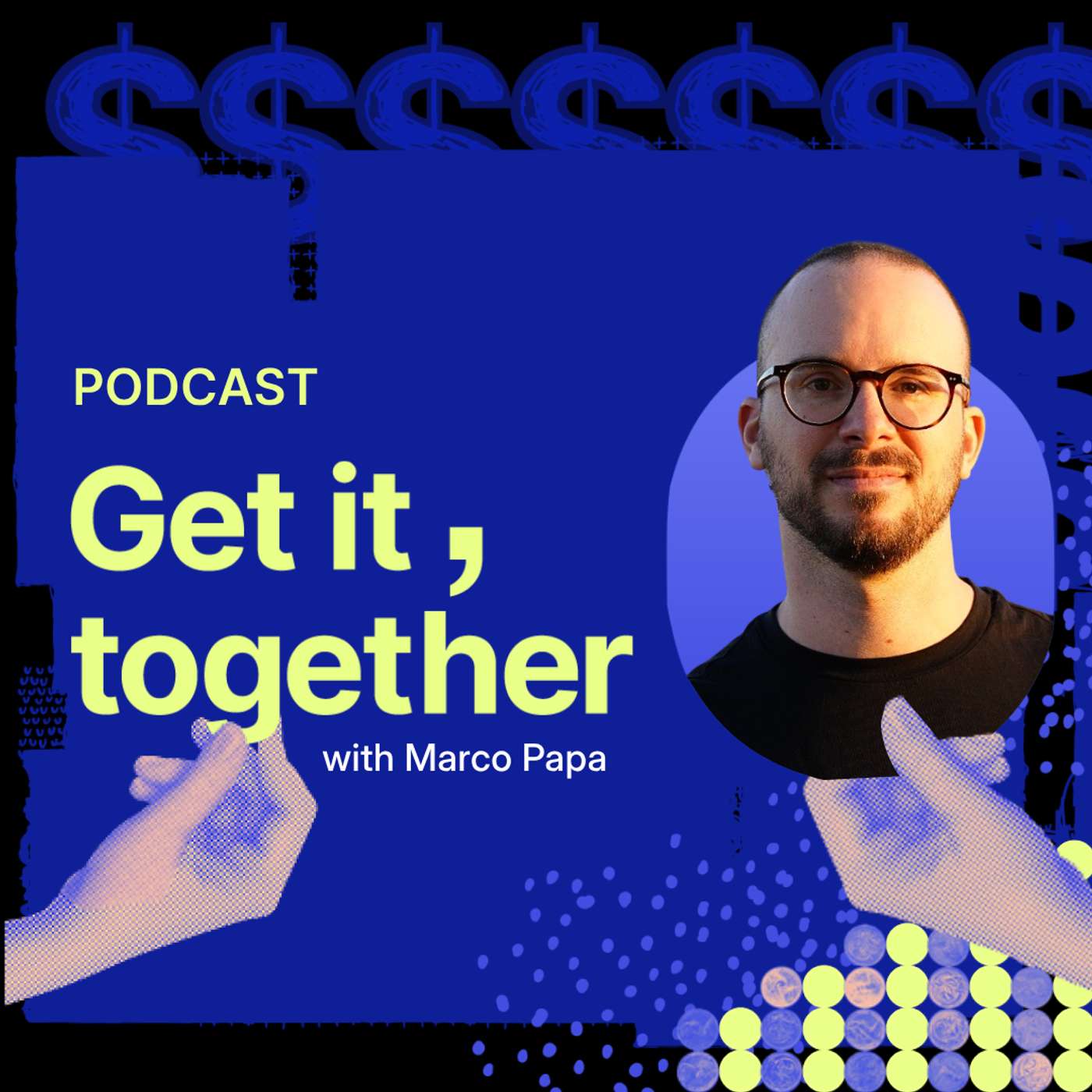
A partnership program can grow quickly in size, but that does not always mean it is creating meaningful impact. As companies turn to partnerships for growth, leaders must decide where to focus their efforts, when to expect results, and how to build a program that can scale. The choices made early on can determine whether partnerships become a meaningful growth engine or a collection of disconnected initiatives. Marco Papa , Director of Channels and Alliances at Metaflo Technologies , joins PartnerStack CMO Tyler Calder to share his experience building partnership programs across industries and company stages. From creating new motions as a team of one to managing global ecosystems, Marco shares the decisions, challenges, and lessons that shape successful partnerships. They also discuss evaluating partner opportunities, balancing short-term wins with long-term investments, avoiding common scaling mistakes, the importance of enablement, and how AI could reshape partnership operations. You’ll learn: How to build a partnership motion from zero to one by aligning strategy with company goals Why partnership leaders need both quick wins and long-term bets to build internal confidence How to identify the right partner opportunities by starting with customer and business priorities When to qualify partners out before investing time and resources into scaling the program What strong partner enablement looks like and how AI could improve knowledge sharing across ecosystems Jump into the conversation: (0:00) Introducing Marco Papa (3:12) Creating a partner program from zero to one (7:18) Balancing quick wins and long-term bets (9:59) Choosing where to place partnership bets (11:36) Starting with business goals before partner strategy (15:03) Building partnerships by accident (19:30) Learning the foundations of partner success (25:11) Why reseller programs often fail (29:50) Proving the motion before scaling (32:59) Lessons from successful partner ecosystems (36:18) How AI could transform partner enablement (40:23) Final lessons on qualifying partners Resources : Connect with Marco on LinkedIn: https://www.linkedin.com/in/papamarco/
Scaling Partnerships to 50% of Revenue with Andre Kaufmann
Sep 9, 202644 min
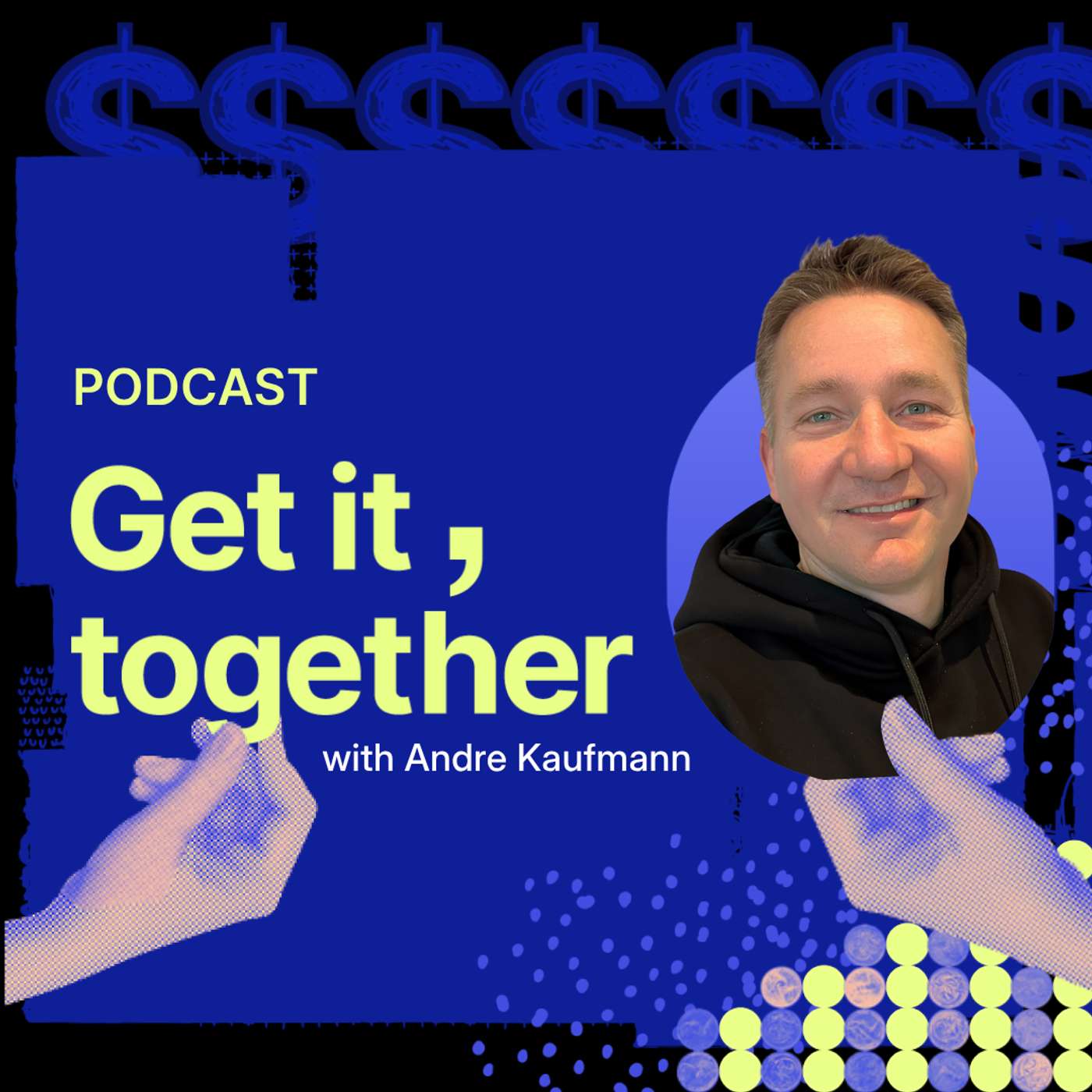
Companies may be overlooking one of their biggest growth levers by failing to give partnerships a seat at the revenue table. While many organizations invest in building partner ecosystems, they often struggle to turn those relationships into a predictable source of growth. Scaling partnerships requires more than strong connections. It requires the processes, technology, and accountability needed to activate partners and drive measurable results. Andre Kaufmann , Head of Global Partnerships at RoomPriceGenie , joins PartnerStack CMO Tyler Calder to discuss how he transformed partnerships into a major revenue channel. He shares how RoomPriceGenie built toward a goal of generating 50% of revenue through partnerships, why reactivating dormant partners became a key opportunity, and the operational changes needed to scale the program. They also discuss creating predictable partner revenue, segmenting partner strategies, using automation to improve engagement, where AI fits into partnership teams, and why human relationships remain essential to ecosystem growth. You’ll learn: How to transform partnerships from a support function into a predictable revenue channel Why reactivating dormant partners can unlock more growth than constantly sourcing new ones How to build a partner motion with clear goals, attribution, and forecasting When automation can scale partner engagement without replacing human relationships What role AI should play in improving partnership operations and decision-making Jump into the conversation: (0:00) Introducing Andre Kaufmann (1:00) From hospitality to partnerships (3:00) Building RoomPriceGenie's partner strategy (7:00) Making partnerships a revenue engine (10:00) The path from 30% to 50% revenue (13:00) Unlocking value from dormant partners (20:00) Creating scalable partner engagement (24:00) Balancing new and existing partners (30:00) Automating partnerships without losing trust (35:00) Where AI fits into partnerships (40:00) Building the future of partner ecosystems Resources : Connect with Andre on LinkedIn: https://www.linkedin.com/in/andre-kaufmann-59a522a/
How to Transition From Direct Sales to Partner-Led Growth
Aug 26, 202645 min
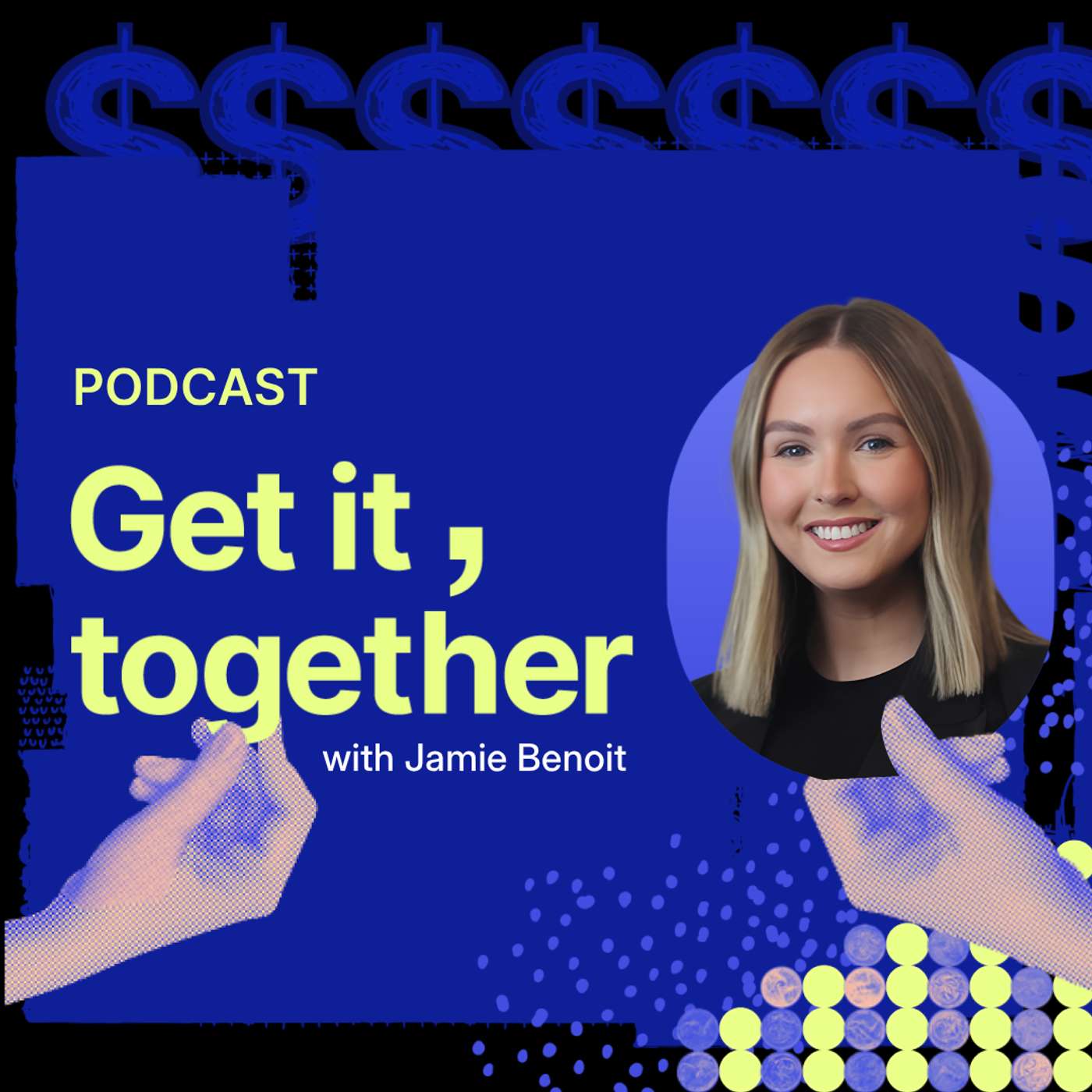
A partner-first strategy sounds simple in theory, but making it work requires companies to rethink everything from sales motions to internal processes and partner relationships. For many organizations, the hardest part of partnerships isn’t launching a program; it’s building the confidence, consistency, and internal systems needed to make that program successful. The transition requires patience, alignment, and a willingness to evolve how the business operates. Jamie Benoit , Director of Business Development at Beauceron Security , joins PartnerStack CMO Tyler Calder to discuss her experience building and scaling partnerships at a growing cybersecurity company. Jamie shares the lessons she’s learned navigating the evolution of a partner program and the challenges that come with making partnerships a larger part of the company’s growth strategy. They also discuss what it takes to build strong partner relationships, create alignment across teams, and develop a partnership approach that can scale. You’ll learn: How to transition from a direct sales motion to a partner-first growth strategy Why successful partnerships require company-wide alignment and a long-term commitment How to identify the right partners and build a program around their needs What it takes to scale partner enablement as an ecosystem grows Why giving up short-term margin can create larger opportunities through partnerships Jump into the conversation: (0:00) Introducing Jamie Benoit and Beauceron Security's partner-first approach (3:56) Building a career across customer success, sales, and partnerships (6:58) Why Beauceron shifted toward a partner-led growth model (11:38) Expanding partnerships into the US market (13:30) Finding the right partners and building credibility in a new market (16:40) Creating a partner experience built on trust and differentiation (18:57) Scaling partner enablement across the organization (21:36) What breaks when partnership programs start to scale (25:48) Staying committed through the long transition to partnerships (29:47) Rethinking margin tradeoffs and the value of partner-led growth (32:17) Applying partner-first principles to financial services (37:46) Lessons for building sustainable partner ecosystems (42:08) Using AI to support the future of partnerships Resources : Connect with Jamie on LinkedIn: https://www.linkedin.com/in/jamie-benoit/
Why the Biggest Partner Is Not Always the Best Partner
Aug 5, 202644 min
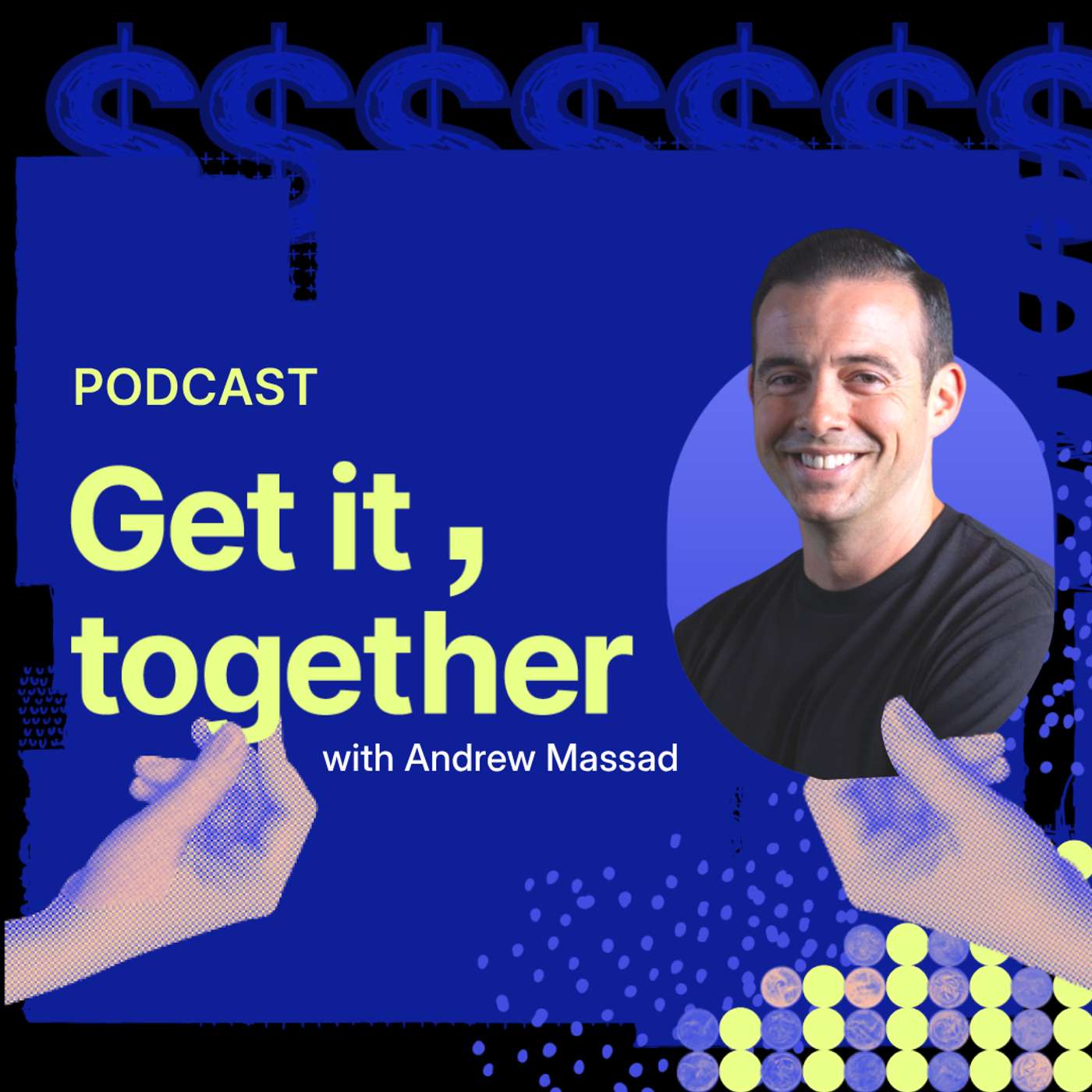
Growth in partnerships rarely comes from pursuing every opportunity. It comes from knowing which opportunities are worth pursuing in the first place. As partner teams gain access to more data, better tooling, and more potential integrations, prioritization becomes just as important as execution. Andrew Massad , Head of Strategic Partnerships and Alliances at Mixpanel , joins PartnerStack CMO Tyler Calder to discuss how he combines data, customer insight, and cross-functional collaboration to shape partnership strategy. Drawing on 15 years of experience across product marketing, sales, and partnerships, Andrew explains why partner recruitment should start with the ideal customer profile, how technographic data uncovers stronger integration opportunities, and why the largest partner isn't always the right one. They also discuss the gap between total addressable market and realistic execution, how to build partnership plans that teams can actually deliver, why experimentation often creates better outcomes than perfect planning, and how AI can support strategic thinking without replacing sound judgment. You’ll learn: How to begin partner recruitment with your ideal customer profile Why the largest partner may not create the strongest growth opportunity How to turn broad market potential into a focused execution plan What existing customer data may fail to reveal about demand Why speed, experimentation, and learning matter more than perfect forecasts Jump into the conversation: (0:00) Why missing capabilities lose sales (1:00) Andrew Massad’s path into partnerships (4:00) Operating partnerships like a general manager (7:00) Meeting cross-functional leaders where they are (12:00) Moving from partner volume to quality (14:00) Starting partner recruitment with customer data (19:00) Prioritizing integrations and strategic partners (24:00) Turning TAM into a realizable market (28:00) Choosing execution over extensive planning (33:00) What your data is not showing (36:00) Creating space for experimentation (41:00) AI, defensibility, and final advice Resources : Connect with Andrew on LinkedIn: https://www.linkedin.com/in/andrew-massad/
How Bloomerang Scaled From 100 to 600 Partners Without a Bigger Team With Joshua Meyer
Jul 22, 202637 min
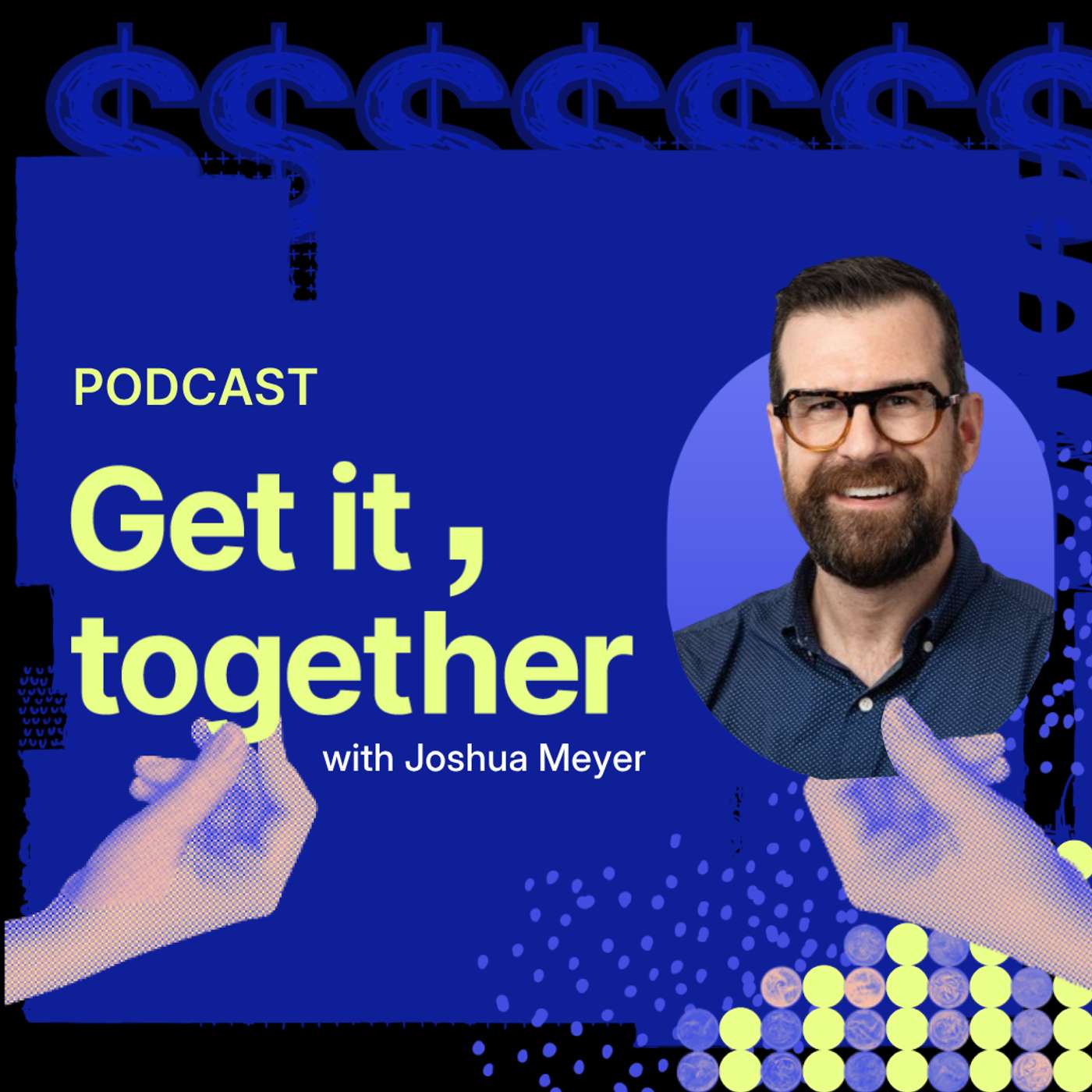
Growing a partner program isn't just about signing more partners. It's about building systems that can support growth without creating more complexity. As partner ecosystems expand, spreadsheets, manual processes, and one-to-one relationship management eventually reach their limits. Scaling successfully requires a different way of thinking about enablement, operations, and collaboration. Joshua Meyer , Head of Marketing at Muse Software , joins PartnerStack CMO Tyler Calder to discuss how he scaled a nonprofit technology partner program from about 100 partners to nearly 600. He shares the lessons that shaped the program, the operational changes that made that growth possible, and why successful partner ecosystems depend on more than financial incentives. They also discuss how to build stronger partner relationships, why direct collaboration between partners and sales teams accelerates growth, how webinars became a valuable incentive, when to invest in partner technology, and where AI fits into the future of partnerships. You’ll learn: How to build a partner program that scales beyond spreadsheets and manual processes Why many of your best partners care more about growth than referral commissions How direct relationships between partners and sales teams accelerate co-selling What incentives create long-term partner engagement beyond financial rewards When it's time to invest in partner technology instead of adding headcount Jump into the conversation: (0:00) Introducing Joshua Meyer (2:42) From nonprofit fundraising to SaaS partnerships (7:30) Taking over an unstructured partner program (11:15) Discovering what actually motivates partners (16:12) Scaling partnerships through sales collaboration (22:44) Turning webinars into partner incentives (26:35) Knowing when partner software becomes essential (29:22) Applying partnership lessons at Muse Software (33:10) How AI could transform nonprofit organizations and partner programs (35:42) Final lessons on building partner ecosystems Resources : Connect with Joshua on LinkedIn: https://www.linkedin.com/in/joshuammeyer
Every question we get asked before someone starts their trial.
If you have a concern about deliverability, AI quality, data privacy, or whether this will actually work for your specific situation, it's probably answered below.
What is the difference between Founder Solo and Founder Pro?
Founder Solo gives you 50 AI pitches per month using the credit model (Standard pitches cost 1 credit, Enriched pitches cost 2). Founder Pro raises that to 200 credits per month and adds full Booking Probability access, unlimited Magic Match, Apollo enrichment credits, and data export capabilities. Both plans use the same credit system, so you can stretch your monthly budget further by using Standard-mode drafting.
How do agency tiers work?
Agency tiers have no base fee. You pay per managed client and per talent profile. Agency Standard is $199 per client per month; Agency Pro is $399 per client per month. Both add $39 per talent profile per month. Your own team's user seats are always free.
What is a talent profile?
A talent profile represents one person (founder, executive, or spokesperson) you are booking onto podcasts. It includes their bio, topics, headshots, and outreach history. Team plans include 5 profiles; agency plans are pay-as-you-go.
Can I switch plans later?
Yes, at any time. Upgrades take effect immediately; downgrades apply at the end of the current billing period. Contact support if you need help migrating between plan families.
Do you offer a free trial?
Every paid plan includes a 15-day free trial. Your card is saved at signup but you will not be charged until day 16. Cancel any time from your dashboard.
What happens if I cancel?
You keep access until the end of your current billing period. No charges after that. Your data is retained for 30 days in case you reactivate.
Is the 20% annual discount automatic?
Yes. Select Annual on the pricing toggle and the discounted price is applied automatically at checkout. The annual price shown is the full year cost.
What if I have more than 50 profiles or 20 clients?
That is our Enterprise tier. Contact our sales team and we will build a custom plan with volume pricing, a dedicated account manager, and SLA guarantees.