Hacks & Hobbies is where passions turn into profit stories. Host Junaid Ahmed interviews entrepreneurs, creators, and builders who are turning what they love into real momentum—income, confidence, community, and impact. Expect practical takeaways on podcasting, video content, home studios, personal branding, systems, and mindset—so your next idea doesn’t stay “someday.” If you’re building something (a show, a brand, a business, a better version of yourself), you’ll feel at home here.
Pitch Analysis
Required Pod Score for this show. PitchCentric checks your profile against host openness, topical fit, and audience signals before you generate a pitch.
Contact path
Verified email
Booking probability
39%
Guest openness
Selective
Verified email on file
80/100
Required Score
Sign up to generate a grounded pitch for Hacks and Hobbies with Junaid Ahmed.
Hacks and Hobbies with Junaid Ahmed is a business podcast hosted by Unknown Host, with 0 episodes on record and a Required Pod Score of 80. PitchCentric scores this show on Booking Probability, Listen Score, and live audience signals refreshed every 24 hours.
About the host
Unknown Host hosts Hacks and Hobbies with Junaid Ahmed, a business show with 0 episodes published.
Our AI reads these to draft pitches. Use them as grounding for a pitch that cites a real guest and a specific topic.
Episode #40
Marley Jax on Turning Hidden Expertise into Market Authority (Stage, Story, and the “Stage Book” Flywheel)
Aug 19, 202637 minS8
Key Takeaways Expertise ≠ Authority: Why being brilliant at what you do is not enough—and how to create visible proof that positions you as the go-to. The “Uniform Problem”: How books, stages, and platforms function like a new “uniform” that instantly changes how people trust and value you. The Stage Book Model: How a simple two-day event can become your book, your funnel, your testimonial engine, and your authority flywheel. Founder Story as a Growth Lever: Why sharing the parts of your story you’re scared of can become your most powerful marketing asset. From Content Clutter to Authority Assets: What to stop doing right now if you’re grinding out content but not building true market authority. Timestamps 00:00 – The real problem: not expertise, but invisibility Junaid opens with why most experts stay hidden and introduces Marley’s concept of “authority assets.” 03:50 – Zone of genius vs. zone of excellence Marley explains why being “good” at many things keeps you from becoming the name in your industry. 09:45 – The Stage Book: turning a 2‑day event into a perennial book and authority engine How Marley and her team turn live workshops into books, funnels, and an evergreen sales flywheel. 15:10 – “I already wrote a book… now what?” The ecosystem authors are missing: book funnels, companion courses, and no-lead-left-behind systems. 18:20 – The fear of the founder story (and why you must share it) Marley opens up about sharing her divorce publicly and how vulnerability became a story of perseverance. 24:20 – Building your “bag of stories” and storytelling as a skill How to collect everyday stories, use them to teach, and make your content unforgettable. 29:00 – Stop content clutter: what real authority-building looks like From green-screen reels to stages and books—what to stop, what to start, and how to think like a titan of your industry. Guest Links – Marley Jax Website – Titans of Industry: https://titansofindustry.com Stage Book Model: https://thestagebook.com Instagram: www.instagram.com/marleyjaxx YouTube: www.youtube.com/marleyjaxx Wanna be a guest? Apply on PodMatch: https://www.podmatch.com/member/hacksandhobbies Home Studio resources: https://homestudiobook.com LI: https://linkedin.com/in/superjunaid Hosted by Simplecast, an AdsWizz company. See pcm.adswizz.com for information about our collection and use of personal data for advertising.
How to Build Unshakable Credibility with a 3-Word Message (and Stop Sounding Like Everyone Else)
Aug 17, 202643 minS8
5 Big Takeaways Clarity is your compass: A powerful credibility foundation starts with a simple, under-10-word C-Pop that defines who you serve and what they’re trying to achieve or escape . Specificity creates demand: Narrowing from “entrepreneurs” to “podcasters” made Junaid’s offer sharper, more memorable, and more attractive—even to non-podcasters who see themselves in the message. Pain vs. pleasure C-Pops: Beginners resonate with pain (“podcasters struggling with lighting and audio”), but premium clients align with aspiration (“podcasters leveling up”). Your C-Pop should match where your revenue actually comes from . Credibility leaks are usually unintentional: Showing up late, being unprepared, ignoring context, or clinging to being “always right” quietly erodes trust—even from good people who were simply taught the wrong models. Credibility is built in relationships, not scripts: Vulnerability, coachability, respect, and sharing your stage (spreading “cred dust”) are the real drivers of long-term trust and referrals—not a perfectly rehearsed elevator pitch. Timestamps 00:00 – Turning credibility into action Junaid sets the stage for Part 2: moving from theory to a practical credibility audit and clear next steps. 03:26 – Live C-Pop surgery: Junaid on the hot seat Mitchell walks Junaid through his framework and refines his audience from “entrepreneurs” to “podcasters.” 09:00 – From struggling to leveling up The shift from “struggling with lighting and audio” to “podcasters leveling up”—and why the paying clients live in the latter. 11:36 – Kill your 30-second elevator pitch Why you should ditch the memorized pitch and replace it with a short hook + C-Pop + intentional silence. 15:27 – What to give beginners (and why you shouldn’t chase their money) Using checklists, free courses, and webinars to serve early-stage podcasters while focusing your offers on serious clients. 21:54 – The 10 values of credibility & living them under pressure Mitchell connects clarity, vulnerability, coachability, and integrity to how you actually show up when things get stressful. 39:17 – Your 7-day credibility challenge A concrete homework plan: self-360, C-Pop clarity, and how to share your “north star” so your network can finally refer you properly. Guest Links – Mitchell Levy Website (start here): https://mitchelllevy.com Referral Webinar (credibility & LinkedIn relationships): Access Mitchell’s quarterly referral webinar and latest resources via his website: https://mitchelllevy.com Wanna be a guest? Apply on PodMatch: https://www.podmatch.com/member/hacksandhobbies Home Studio resources: https://homestudiobook.com LI: https://linkedin.com/in/superjunaid Hosted by Simplecast, an AdsWizz company. See pcm.adswizz.com for information about our collection and use of personal data for advertising.
Global Credibility Expert on Why Credibility Starts With Clarity (and the 3‑Circle Framework That Changes Everything)
Aug 12, 202641 minS8
5 bullet takeaways Credibility = Trusted + Known + Liked: credibility is relational, measurable, and actionable — not just reputation. Integrity lives in two places: what you say (external) and what you do (internal). Incongruity kills trust. Clarity is a superpower: define who you serve in Respect is tactical: show up early, come prepared, and bring your heart — small rituals compound into enormous credibility. Asynchronous presence matters: a broken website, missed messages, or no follow‑up predicts poor real‑time behavior. Timestamps (short, enticing labels) 00:00 — Why credibility is misunderstood (the old definition vs. Mitchell’s) 02:59 — The 3‑circle definition: Trusted, Known, Liked (and the 10 elements) 06:22 — External vs. internal integrity: the moment your neck hairs stand up 08:14 — Clarity as a compass: why 98% of leaders lack it 13:06 — The 500 interviews that changed everything (and why Napoleon Hill inspired this) 24:32 — Rituals that show respect: how executives structure meetings to signal credibility 34:42 — Ecosystem thinking & “executive abundance”: influence without chasing it Guest links Website: https://mitchellevy.com Executive Abundance (waitlist / program): https://executiveabundance.com TEDx talk & talks: (link available from Mitchell’s site) https://mitchellevy.com/talks Books & publishing projects: (link available from Mitchell’s site) https://mitchellevy.com/books LinkedIn: search Mitchell Levy (profile linked on his website) Wanna be a guest? Apply on PodMatch: https://www.podmatch.com/member/hacksandhobbies Home Studio resources: https://homestudiobook.com LI: https://linkedin.com/in/superjunaid Hosted by Simplecast, an AdsWizz company. See pcm.adswizz.com for information about our collection and use of personal data for advertising.
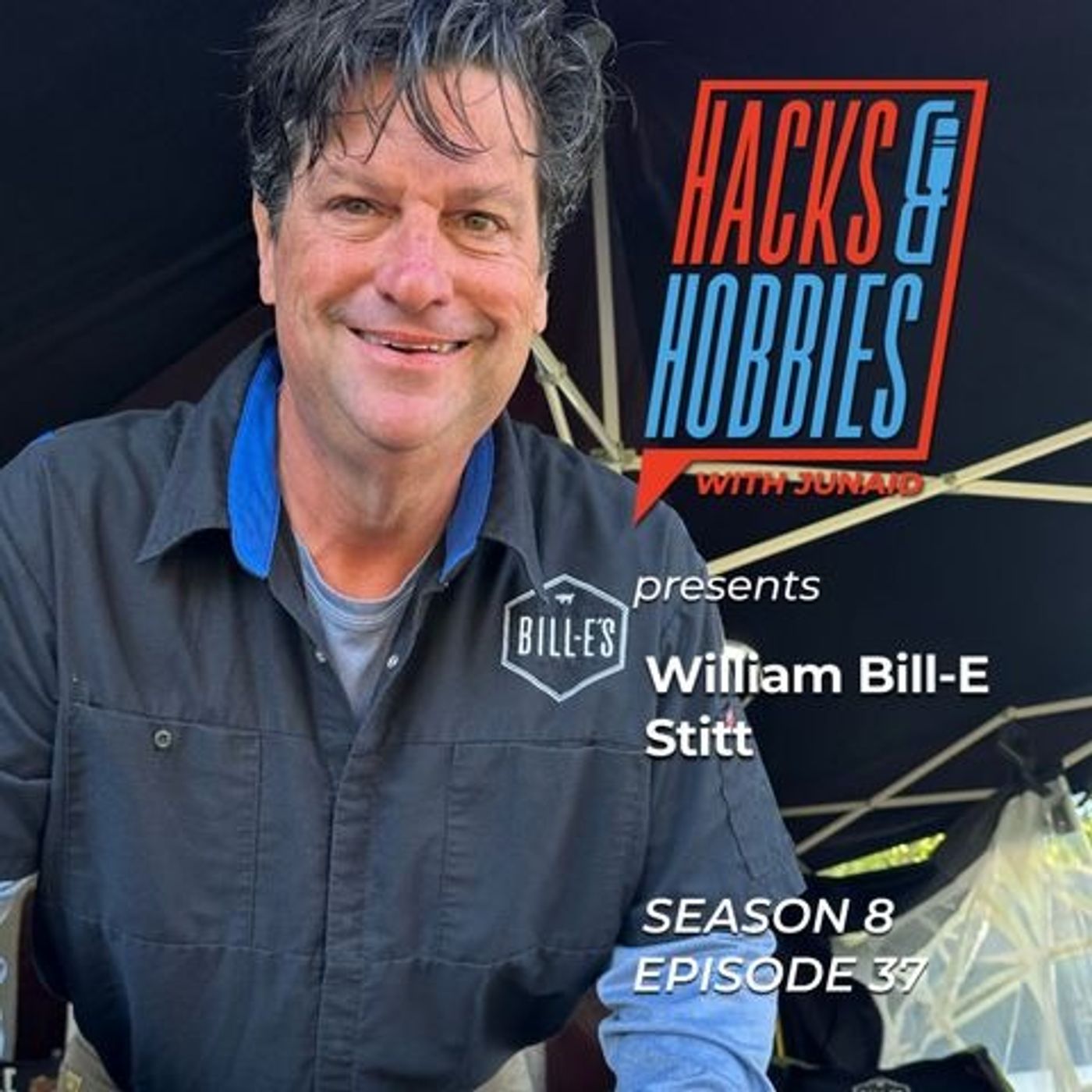
How Billy Turned Small-Batch Bacon into a National Cult Brand (Without Losing Its Soul)
Aug 5, 202624 minS8
You’ll Learn How a single late-night phone call revealed Billy’s bacon had gone from local love to a national movement. What really changes first when you scale – demand, storytelling, or team – and how to stay in control. The “small batch” philosophy : how Billy protects quality, culture, and craft as demand explodes. The biggest mistake artisanal founders make when scaling – and how to avoid being “sold the shiniest penny.” Why marginal people create marginal products , and how to build a team of growth-minded A-players. Timestamps 00:00 – From Story to Scale: Recap of Part 1 and how Billy’s bacon became culture, not just food. 01:16 – The Call That Changed Everything: A 10 p.m. phone call that proved the brand had gone national. 03:13 – When TV Comes Calling: Behind the scenes of the Food Channel shoot and what it did for the brand. 04:14 – Rustic, Off-the-Grid, and On-Camera: How a “seaside shack” became a national food destination. 06:26 – Avoiding Founder Burnout: Why Billy refused to be “the guy on the line” and built a real team instead. 08:12 – Protecting the Small-Batch Soul: Inside the hand-crafted curing, smoking, and gift-like packaging. 10:57 – Scaling Without Selling Out: The #1 mistake artisans make when they grow too fast. 13:25 – From Survival Mode to Optimism: How business pressure changed Billy—and how he fought his way back. 16:12 – Finding Your Voice as a Founder: Why you must work for others (winners and strugglers) before opening your own place. 17:59 – Advice to Day-One Billy: What he’d do differently with money, marketing, and hiring people. 19:44 – Where to Taste the Magic: How to experience Billy’s bacon in person and online. 20:51 – Vintage Motorcycles & Second Lives: Billy’s favorite hobby and why he loves restoring old bikes. Guest Links – William “Billy” Sid Experience Billy’s world and his small-batch bacon: Restaurant Website: www.billies.com Bacon Company: www.billiesbaken.com YouTube Channel: Search “Billy’s Bacon” or “Billies Bacon YouTube” to find his channel where he talks bacon, burgers, hobbies, and adventures. Location (In-Person Experience): Fairhope, Alabama – on the eastern shore of Mobile Bay, between Mobile, AL and Pensacola, FL Wanna be a guest? Apply on PodMatch: https://www.podmatch.com/member/hacksandhobbies Home Studio resources: https://homestudiobook.com LI: https://linkedin.com/in/superjunaid Hosted by Simplecast, an AdsWizz company. See pcm.adswizz.com for information about our collection and use of personal data for advertising.
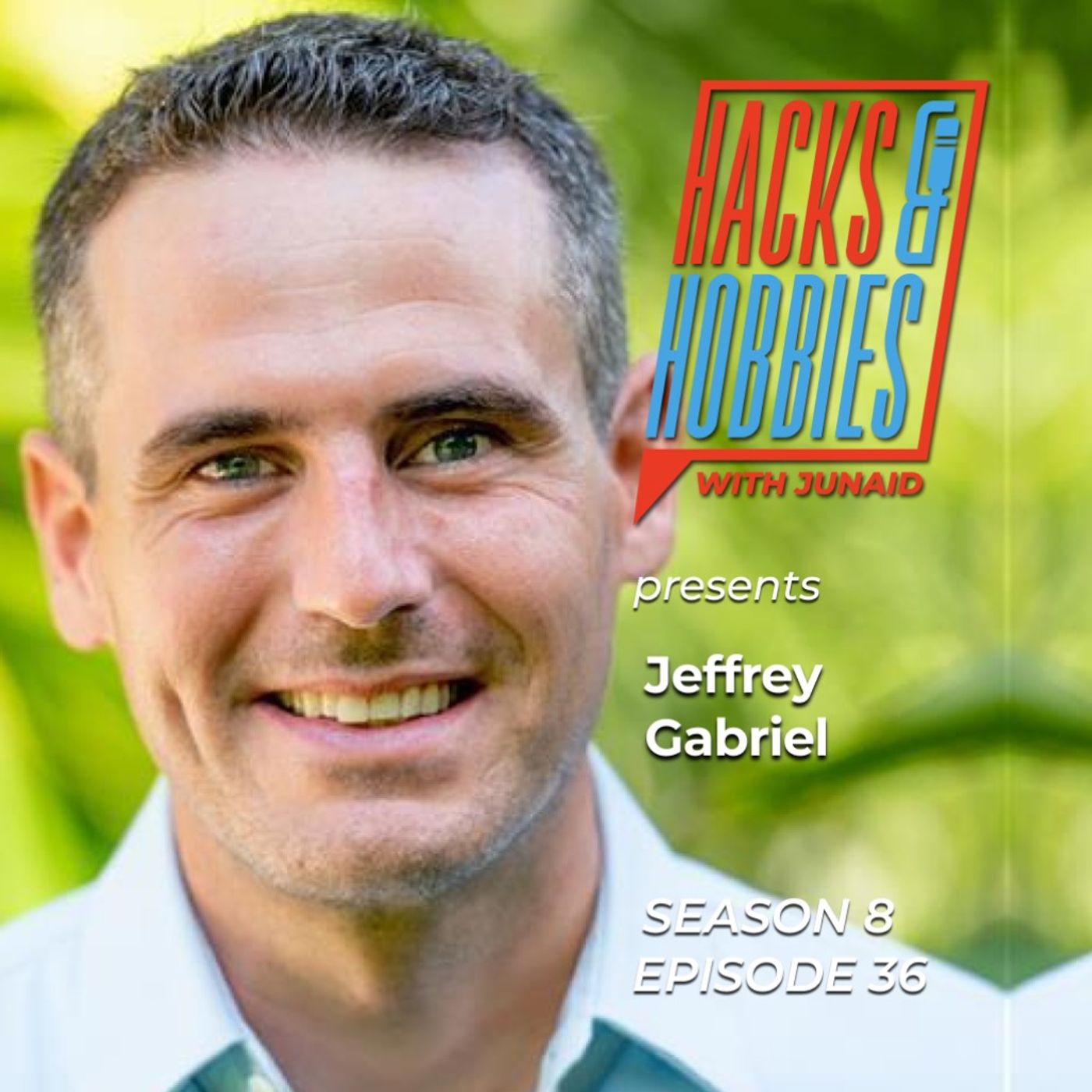
The Secret Playbook Behind Million-Dollar Domain Deals (Sex.com, AI.com & the Future of Domains)
Jul 29, 202633 minS8
Five key takeaways: Domains behave like real estate: due diligence, legal terms and the buyer pool determine true value — not just a price tag. Payment-over-time deals are risky — courts, bankruptcy and defaults make cash often king in high-stakes sales. The biggest mistake entrepreneurs make: underspending on the domain that will carry their brand — it erodes trust and costs more later. Valuation blend: commercial demand, industry CPC, comparable sales and how many extensions/variants are registered. AI and new extensions will change discovery, but domains will remain critical as the source of truth and identity in an increasingly app-driven world. TIMESTAMPS (short & enticing) 0:00 — Why domains are more than letters: the identity argument 4:04 — Sex.com in bankruptcy: urgency, offers and the $17M lesson 6:18 — Top mistakes founders make when picking domains (and how to avoid them) 11:38 — If you’ve got $10k–$50k: where to spend and why (.com vs .ai vs .net) 16:42 — How to value a domain: the appraisal playbook (real estate mindset) 21:00 — When common names sell: Ahmed, Khalid and the quirks of cultural value 25:09 — The future: AI, search, and whether domains become more or less important 31:37 — Where to go next (practical next steps and contact info) Guest links & resources Saw.com — https://saw.com (Jeffrey’s firm for buying/selling/evaluating domains) Contact Jeffrey: buzz@saw.com (mention the podcast — Jeffrey offers to talk through domain questions) Hacks & Hobbies show notes — https://hacksandhobbies.com (episode resources & links) Treat your domain like an asset, not an afterthought. Replay the first 10 minutes and start auditing the names you own — which ones deserve an investment, which ones should be parked, and which could be your next brand-defining move. If you’re stuck, email buzz@saw.com and mention Hacks & Hobbies — Jeffrey offered to help walk founders through valuation and strategy. Wanna be a guest? Apply on PodMatch: https://www.podmatch.com/member/hacksandhobbies Home Studio resources: https://homestudiobook.com LI: https://linkedin.com/in/superjunaid Hosted by Simplecast, an AdsWizz company. See pcm.adswizz.com for information about our collection and use of personal data for advertising.
Every question we get asked before someone starts their trial.
If you have a concern about deliverability, AI quality, data privacy, or whether this will actually work for your specific situation, it's probably answered below.
What is the difference between Founder Solo and Founder Pro?
Founder Solo gives you 50 AI pitches per month using the credit model (Standard pitches cost 1 credit, Enriched pitches cost 2). Founder Pro raises that to 200 credits per month and adds full Booking Probability access, unlimited Magic Match, Apollo enrichment credits, and data export capabilities. Both plans use the same credit system, so you can stretch your monthly budget further by using Standard-mode drafting.
How do agency tiers work?
Agency tiers have no base fee. You pay per managed client and per talent profile. Agency Standard is $199 per client per month; Agency Pro is $399 per client per month. Both add $39 per talent profile per month. Your own team's user seats are always free.
What is a talent profile?
A talent profile represents one person (founder, executive, or spokesperson) you are booking onto podcasts. It includes their bio, topics, headshots, and outreach history. Team plans include 5 profiles; agency plans are pay-as-you-go.
Can I switch plans later?
Yes, at any time. Upgrades take effect immediately; downgrades apply at the end of the current billing period. Contact support if you need help migrating between plan families.
Do you offer a free trial?
Every paid plan includes a 15-day free trial. Your card is saved at signup but you will not be charged until day 16. Cancel any time from your dashboard.
What happens if I cancel?
You keep access until the end of your current billing period. No charges after that. Your data is retained for 30 days in case you reactivate.
Is the 20% annual discount automatic?
Yes. Select Annual on the pricing toggle and the discounted price is applied automatically at checkout. The annual price shown is the full year cost.
What if I have more than 50 profiles or 20 clients?
That is our Enterprise tier. Contact our sales team and we will build a custom plan with volume pricing, a dedicated account manager, and SLA guarantees.