Holding Space with Dr. Christopher Barker is a psychology podcast focused on how unresolved complex trauma shapes daily life — from childhood through adulthood. Complex trauma isn’t only about major events. It develops through chronic stress, attachment wounds, emotional neglect, and relational instability. Over time, these survival adaptations can show up as ADHD-like symptoms in children, emotional dysregulation, workplace conflict, burnout, leadership struggles, relationship challenges, and intergenerational family patterns. Through the lens of EMDR therapy, attachment theory, neuroscience, and trauma-informed care, Dr. Barker explains how the nervous system learns to survive — and how healing becomes possible. Each episode offers research-based insight and practical tools for regulating triggers, improving relationships, and moving from survival mode to intentional living. Understanding your story is the beginning. Healing transforms how you live it. Welcome to Holding Space . https://substack.com/@christopherbarkerphd
Pitch Analysis
Required Pod Score for this show. PitchCentric checks your profile against host openness, topical fit, and audience signals before you generate a pitch.
Contact path
Verified email
Booking probability
49%
Guest openness
Selective
Verified email on file
80/100
Required Score
Sign up to generate a grounded pitch for Holding Space with Dr. Barker.
Holding Space with Dr. Barker is a education podcast hosted by Unknown Host, with 0 episodes on record and a Required Pod Score of 80. PitchCentric scores this show on Booking Probability, Listen Score, and live audience signals refreshed every 24 hours.
About the host
Unknown Host hosts Holding Space with Dr. Barker, a education show with 0 episodes published.
Our AI reads these to draft pitches. Use them as grounding for a pitch that cites a real guest and a specific topic.
Episode #84
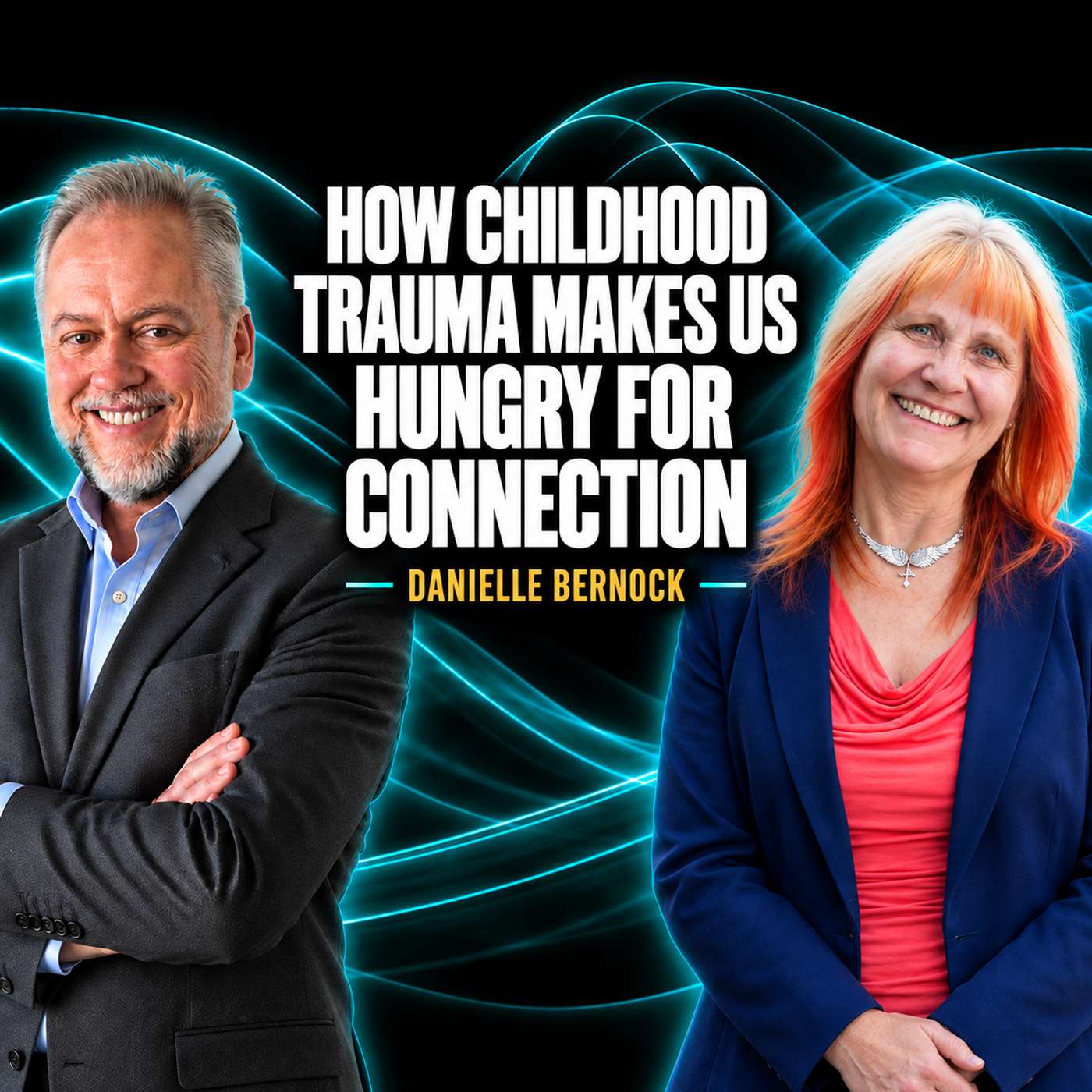
Hungry for Connection: Healing Childhood Trauma with Danielle Bernock
Sep 9, 202629 min
How do we learn to receive love when childhood trauma taught us to fear connection? In this episode of Holding Space, Dr. Christopher Barker speaks with trauma-informed self-love coach, relationship repair specialist, speaker, and author Danielle Bernock about her deeply personal journey from childhood emotional neglect, self-hatred, and disorganized attachment toward healing, connection, and a legacy of love. Danielle shares how consistent, unconditional love helped her begin to feel safe in relationships—and why moving away from everything familiar forced her to ask a life-changing question: “Who am I when I am alone in the room?” Together, Danielle and Dr. Barker explore the importance of validating trauma without comparing it, repairing our relationship with ourselves, breaking generational cycles, and learning to hold space without trying to fix another person’s pain. Danielle also introduces “withness”: the healing experience of knowing someone is emotionally present with us, even when they cannot change our circumstances. The conversation also explores ideas from Danielle’s forthcoming book, HUNGRY FOR More: The Longing, The Counterfeits, and What We’re Really Looking For, which examines our fundamental hunger for connection and what truly nourishes the human soul. Learn more about Danielle Bernock: www.daniellebernock.com www.hungry-for-more.com Learn more about Dr. Christopher Barker: www.drchristopherbarker.com
On the Road: When a Parent’s Childhood Enters the Room
Sep 7, 202624 min
What happens when your child’s distress activates something unresolved from your own childhood? In this special Holding Space on the Road edition, Dr. Christopher Barker explores how a parent’s past can quietly enter the room during moments of conflict, fear, anger, or separation. People who were hurt as children are not destined to hurt their own children. But unresolved trauma can make it difficult to distinguish between what a child is experiencing and what the child’s emotions awaken inside the parent. A child’s tears may feel like an accusation. Their anger may feel like disrespect. Their independence may feel like abandonment. Their need for reassurance may feel like proof that the parent has failed. Dr. Barker explores: • Why emotional neglect can occur even when a parent genuinely cares • How children learn to monitor and regulate their parents • Why an “easy” or “mature” child may actually be hypervigilant • How unresolved shame can interfere with accountability and repair • Why a parent may respond to their own childhood instead of the child in front of them • How trauma causes past experiences to shape the meaning of the present • The difference between activation and action • Why rupture is inevitable—but repair is transformative • How parents can interrupt intergenerational trauma without becoming perfect A parent’s history may explain their vulnerability, but it does not remove responsibility for harmful behavior. Healing begins when the past becomes recognizable as the past—and no longer gets to make every decision. Recorded from an intensive trauma-treatment certification retreat, this On the Road conversation offers a compassionate look at emotional maturity, reflective parenting, attachment, and the possibility of breaking inherited patterns. Learn more about Dr. Christopher Barker or invite him to speak: www.drchristopherbarker.com info@drchristopherbarker.com
Would you tell an AI something you have never told another human being? People are turning to artificial intelligence for more than information. They’re discussing their marriages, childhoods, anxiety, sexuality, trauma, and loneliness—and asking chatbots questions that once belonged in conversations with trusted friends or therapists. In this episode of Holding Space, psychologist Dr. Christopher Barker examines what happens when a machine becomes part of someone’s emotional life. AI is always available. It doesn’t look bored, interrupt, appear judgmental, or grow tired of hearing the same question. For someone who has never experienced reliable emotional support, that responsiveness can feel profoundly comforting. But feeling understood is not necessarily the same as being understood. Dr. Barker explores: • Why people can develop genuine emotional attachments to AI • The difference between reassurance and psychotherapy • Why good therapy does more than validate your perspective • How disagreement and discomfort can create psychological growth • When AI can be a useful tool for reflection and skill-building • How chatbots can help users organize thoughts or prepare for difficult conversations • When AI begins replacing rather than supporting human relationships • Why serious mental health concerns require clinical judgment and human responsibility • What therapists should ask clients about their use of AI • The deeper human needs driving artificial companionship AI may help someone find words, review a therapeutic skill, or prepare to speak honestly with another person. But when a machine becomes the only place someone feels understood, the technology may no longer be supporting connection—it may be participating in the problem. The most important question may not be, “Can AI become your therapist?” It may be: “What were you looking for when you started talking to it?” Follow Holding Space for more thoughtful conversations about psychology, trauma, relationships, technology, and what it means to be human. Learn more about Dr. Christopher Barker or invite him to speak: www.drchristopherbarker.com info@drchristopherbarker.com This episode is for educational purposes and is not a substitute for professional mental health care.
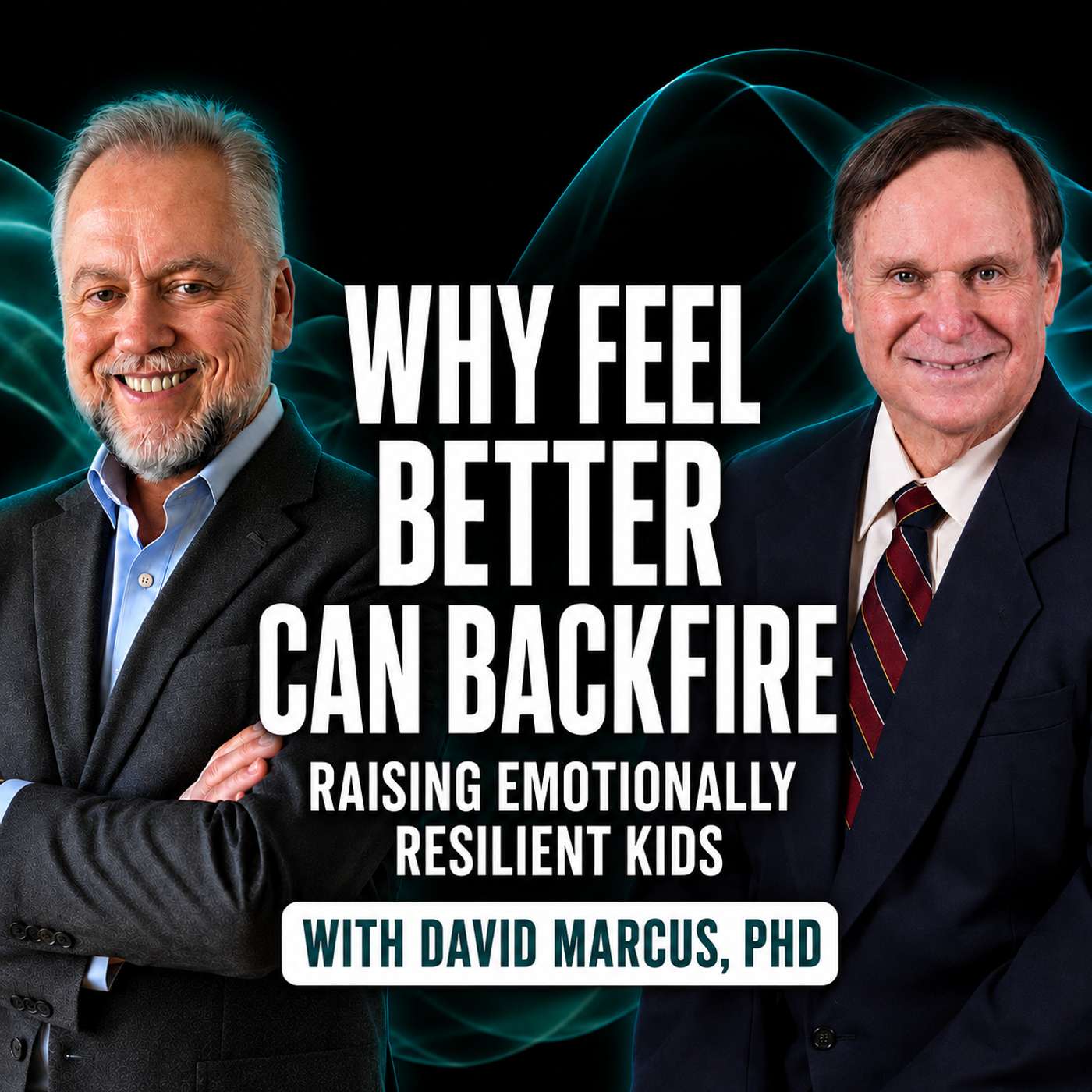
Raising Resilient Kids: Becoming a Soothing Presence with David Marcus, PhD
Aug 24, 202642 min
What if helping a child “feel better” actually gets in the way of emotional growth? Dr. Christopher Barker welcomes child and family therapist David Marcus, PhD, for a thoughtful conversation about how childhood experiences shape the ways we respond to stress, conflict, and intense emotions later in life. They explore how parents can become a “soothing presence”—creating the emotional safety children need to express difficult feelings, develop a meaningful emotional vocabulary, and learn how to regulate themselves. Dr. Marcus also explains why distraction, logic, minimizing, and immediately offering solutions can prevent children and partners from feeling truly heard. In this episode, you’ll learn: • How childhood reactions become adult relationship patterns • Why stress can cause us to regress into old behaviors • What it means to create a common emotional language • Why listening is often more helpful than trying to fix the feeling • How parents can model emotional regulation and resilience • What families can do to interrupt intergenerational patterns Resilience isn’t about avoiding difficult emotions. It’s about learning how to experience them safely, find the words to express them, and determine what to do next. Learn more about David Marcus and his work at www.parentrx.org . To learn more about Dr. Christopher Barker or invite him to speak, visit www.drchristopherbarker.com or email info@drchristopherbarker.com .
AI, Privacy, and the Future of Therapy with Renee McDonald
Aug 19, 202629 min
How is artificial intelligence changing therapy—and what could that mean for client privacy, professional ethics, and genuine human connection? In this episode of Holding Space, Dr. Christopher Barker speaks with Australian clinical psychotherapist, clinical counsellor, and ICF-accredited coach Renee McDonald about the growing influence of AI and digital technology on mental health care. Renee introduces a provocative concern: Are clinicians trading their clients’ privacy for professional convenience? Together, they explore: • The benefits and risks of using AI in therapy • Client confidentiality and digital mental health records • Questions clinicians should ask before adopting new technology • AI-assisted documentation and sensitive client information • Intellectual property, originality, and human creativity • How technology may be changing family communication • Online friendships and connection among teenagers • Why finding the right therapist can feel like dating • The importance of building technology with privacy in mind This conversation is not simply about whether AI is good or bad. It is about learning to use technology intentionally—without losing sight of ethics, relationships, creativity, and the human stories at the center of therapy. Follow Holding Space with Dr. Barker for more conversations about psychology, relationships, complex trauma, mental health, and the future of therapeutic care. To invite Dr. Christopher Barker to speak at your organization, conference, or event, email info@drchristopherbarker.com . For more information, visit www.drchristopherbarker.com . FOR INFORMATION ON OUR GUEST, PLEASE VISIT: https://reneemcdonald.com/
Every question we get asked before someone starts their trial.
If you have a concern about deliverability, AI quality, data privacy, or whether this will actually work for your specific situation, it's probably answered below.
What is the difference between Founder Solo and Founder Pro?
Founder Solo gives you 50 AI pitches per month using the credit model (Standard pitches cost 1 credit, Enriched pitches cost 2). Founder Pro raises that to 200 credits per month and adds full Booking Probability access, unlimited Magic Match, Apollo enrichment credits, and data export capabilities. Both plans use the same credit system, so you can stretch your monthly budget further by using Standard-mode drafting.
How do agency tiers work?
Agency tiers have no base fee. You pay per managed client and per talent profile. Agency Standard is $199 per client per month; Agency Pro is $399 per client per month. Both add $39 per talent profile per month. Your own team's user seats are always free.
What is a talent profile?
A talent profile represents one person (founder, executive, or spokesperson) you are booking onto podcasts. It includes their bio, topics, headshots, and outreach history. Team plans include 5 profiles; agency plans are pay-as-you-go.
Can I switch plans later?
Yes, at any time. Upgrades take effect immediately; downgrades apply at the end of the current billing period. Contact support if you need help migrating between plan families.
Do you offer a free trial?
Every paid plan includes a 15-day free trial. Your card is saved at signup but you will not be charged until day 16. Cancel any time from your dashboard.
What happens if I cancel?
You keep access until the end of your current billing period. No charges after that. Your data is retained for 30 days in case you reactivate.
Is the 20% annual discount automatic?
Yes. Select Annual on the pricing toggle and the discounted price is applied automatically at checkout. The annual price shown is the full year cost.
What if I have more than 50 profiles or 20 clients?
That is our Enterprise tier. Contact our sales team and we will build a custom plan with volume pricing, a dedicated account manager, and SLA guarantees.