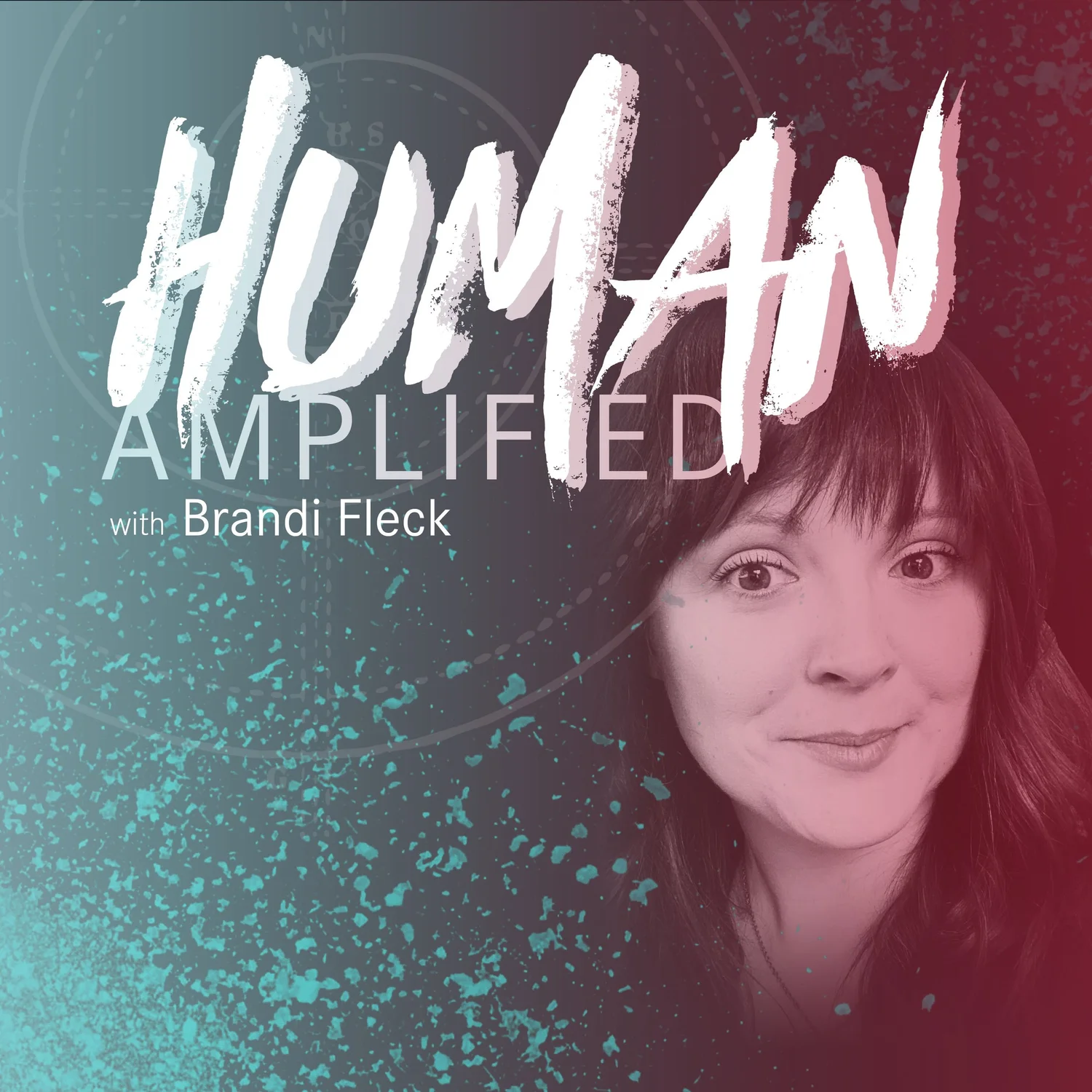
What happens when you outgrow the version of yourself you once needed, but aren’t yet who you’re becoming? That’s where many of us are right now, individually, collectively, and even in how we relate to the world around us. Human Amplified has always been about bringing more humanity to daily life; creating more connection, awareness, and inner healing. And like the people listening, the show has evolved too. Following the natural arc of who we are, where we’ve been, where we’re going, and what it all means, it’s time to focus on waking up—not all at once, and not into something abstract—but into your truth, your power, and the deeper currents shaping your life. We explore identity, healing, consciousness, and what it means to live as both human and spiritual beings through conversations with storytellers, healers, mystics, scientists, creatives, disruptors, and everyday people navigating this edge in real time. There’s no hype here. No fixi
Pitch Analysis
Required Pod Score for this show. PitchCentric checks your profile against host openness, topical fit, and audience signals before you generate a pitch.
Contact path
Verified email
Booking probability
35%
Guest openness
Selective
Verified email on file
80/100
Required Score
Sign up to generate a grounded pitch for Human Amplified.
Our AI reads these to draft pitches. Use them as grounding for a pitch that cites a real guest and a specific topic.
Episode #176
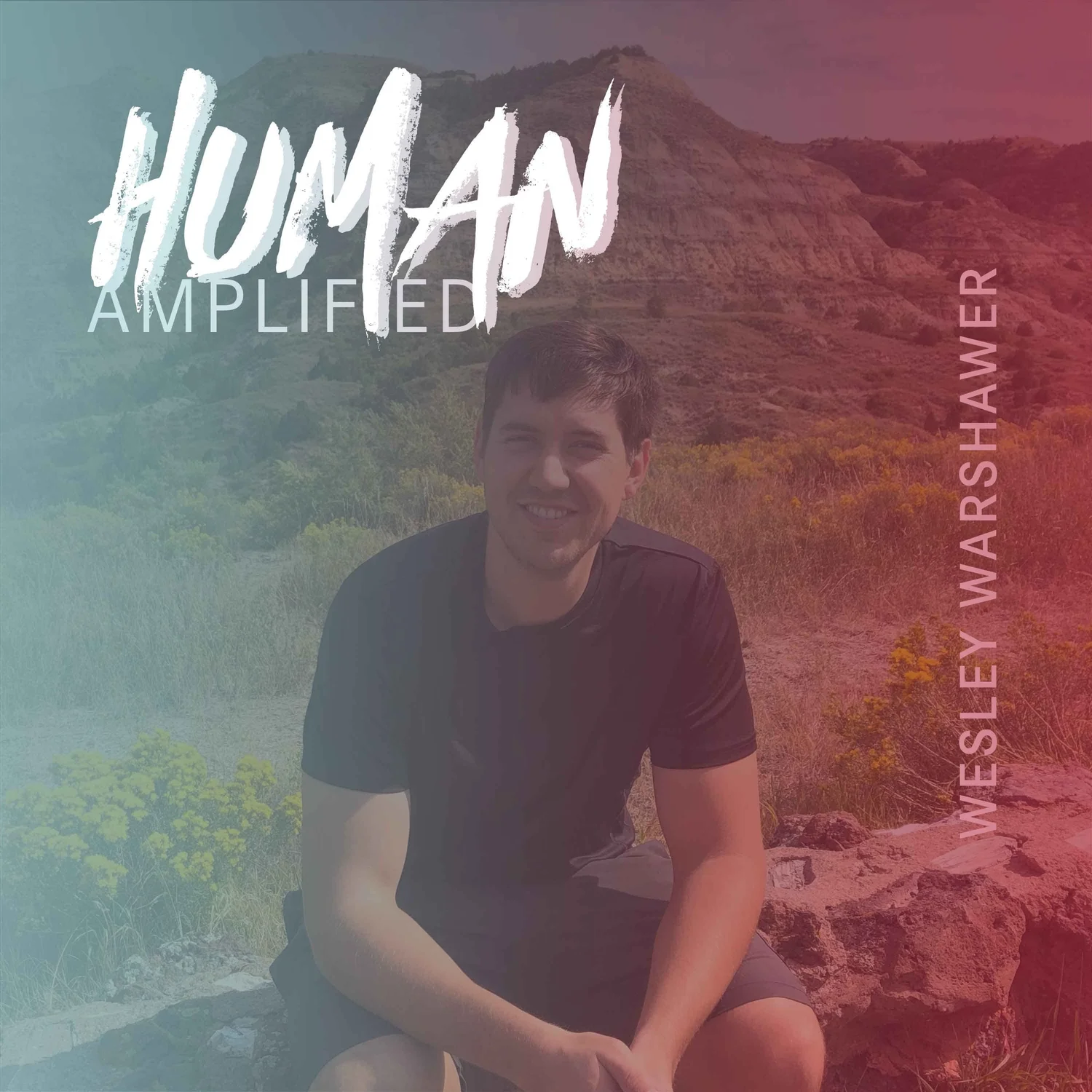
EPISODE 176 | What Travel Reveals About Political Division with Wesley Warshawer
Sep 29, 202653 minS7
What if some of what divides us comes from believing we understand people we’ve never actually spent time with? Wesley Warshawer has spent years intentionally leaving his own bubble. His travels have taken him from India and South Korea to an 18-month journey through rural America, where he set out to understand communities that looked very different from Silicon Valley, the place he called home. What he found complicated many of his assumptions about political polarization in America. In this conversation with Human Amplified host Brandi Fleck, Wesley shares how cultural misunderstandings taught him to distinguish ignorance from malice, why political labels can hide the values people actually share, and how misinformation thrives when we reduce entire communities to a single data point. Their conversation explores what happens when we replace ridicule with curiosity—and why expanding our geographic, cultural, and social bubbles may help us understand both other people and ourselves more clearly.
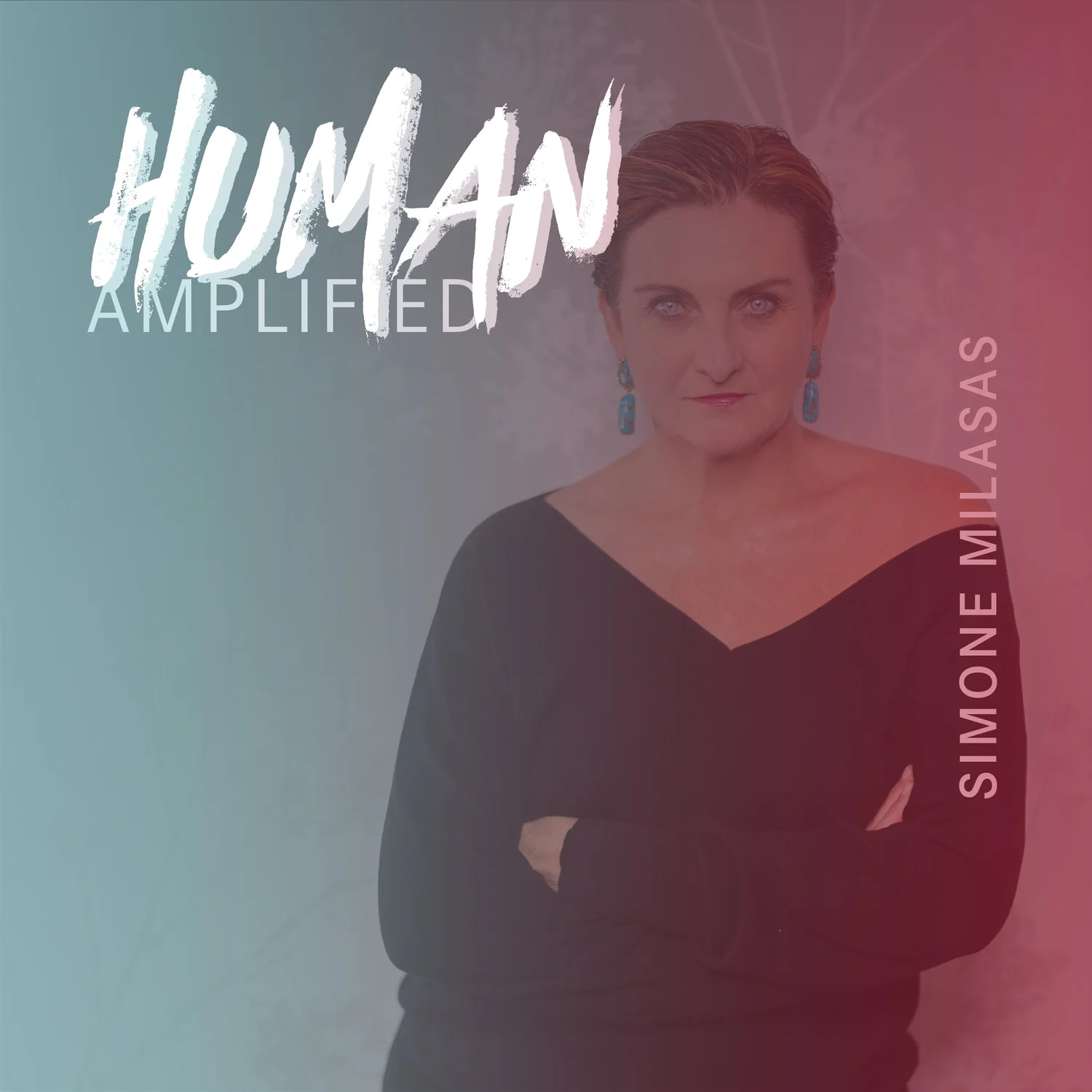
EPISODE 175 | Intimacy That Leaves Room for Choice, Vulnerability and Freedom with Simone Milasas
Sep 22, 202644 minS7
What if intimacy didn’t require either person to become less of themselves? We often talk about closeness as if more is always better: more time together, more merging, more compromise, more certainty about where a relationship is going. But what if genuine intimacy also requires enough freedom for the person you love to remain fully themselves? For author and coach Simone Milasas, intimacy includes trust, vulnerability, gratitude, choice, and allowance—not only the freedom to honor what you need, but the willingness to let another person do the same. In this conversation with Human Amplified host Brandi Fleck, Simone explores why space doesn’t have to mean rejection, how control can quietly undermine connection, why vulnerability is not weakness, and what changes when we stop expecting another person to fulfill a predetermined role. They also talk about romance, money, soulmates, relationship endings, single life, and the possibility that a relationship can be deeply meaningful without needing to look conventional—or even last forever. Because intimacy may not be about holding on tighter. It may be about loving someone deeply enough to let them be themselves—and creating a relationship where they offer you the same freedom.
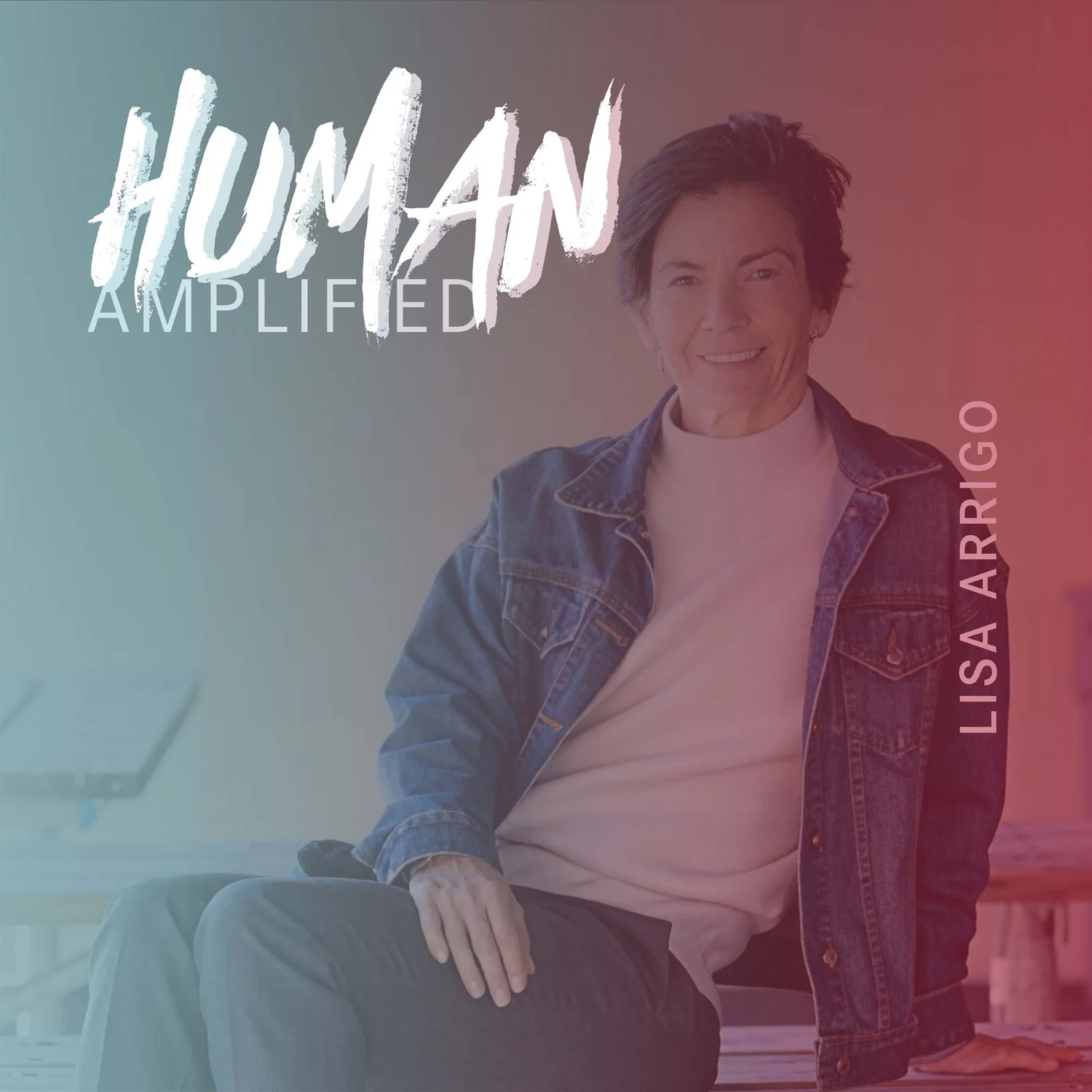
EPISODE 174 | When Survival Shapes Your Identity and Healing Changes the Story with Lisa Arrigo
Sep 15, 202657 minS7
Who are you when survival has shaped so much of who you learned to be? For people who have lived through trauma, identity can become tangled with adaptation. The nervous system learns what it takes to stay safe. Shame can shape what feels possible. Desire can feel dangerous. Parts of the self can become disconnected, hidden, or pushed aside. And over time, it can become difficult to tell the difference between who you are and who you had to become. In this conversation, psychotherapist and trauma survivor Lisa Arrigo explores the relationship between trauma and identity through the lenses of shame, nervous system responses, gender and sexuality, addiction, relapse, and fragmented parts of the self. Drawing from both her clinical work and her own recovery from cocaine addiction, she explains why healing requires more than understanding what happened to us. It also requires becoming safe enough to get curious, reconnect with the body, build supportive relationships, and begin integrating the parts of ourselves that once had to survive separately. What emerges is a conversation about moving from survival toward a more authentic relationship with yourself—and learning that healing does not mean erasing the parts that protected you. It means bringing them back into relationship with the person you are becoming.
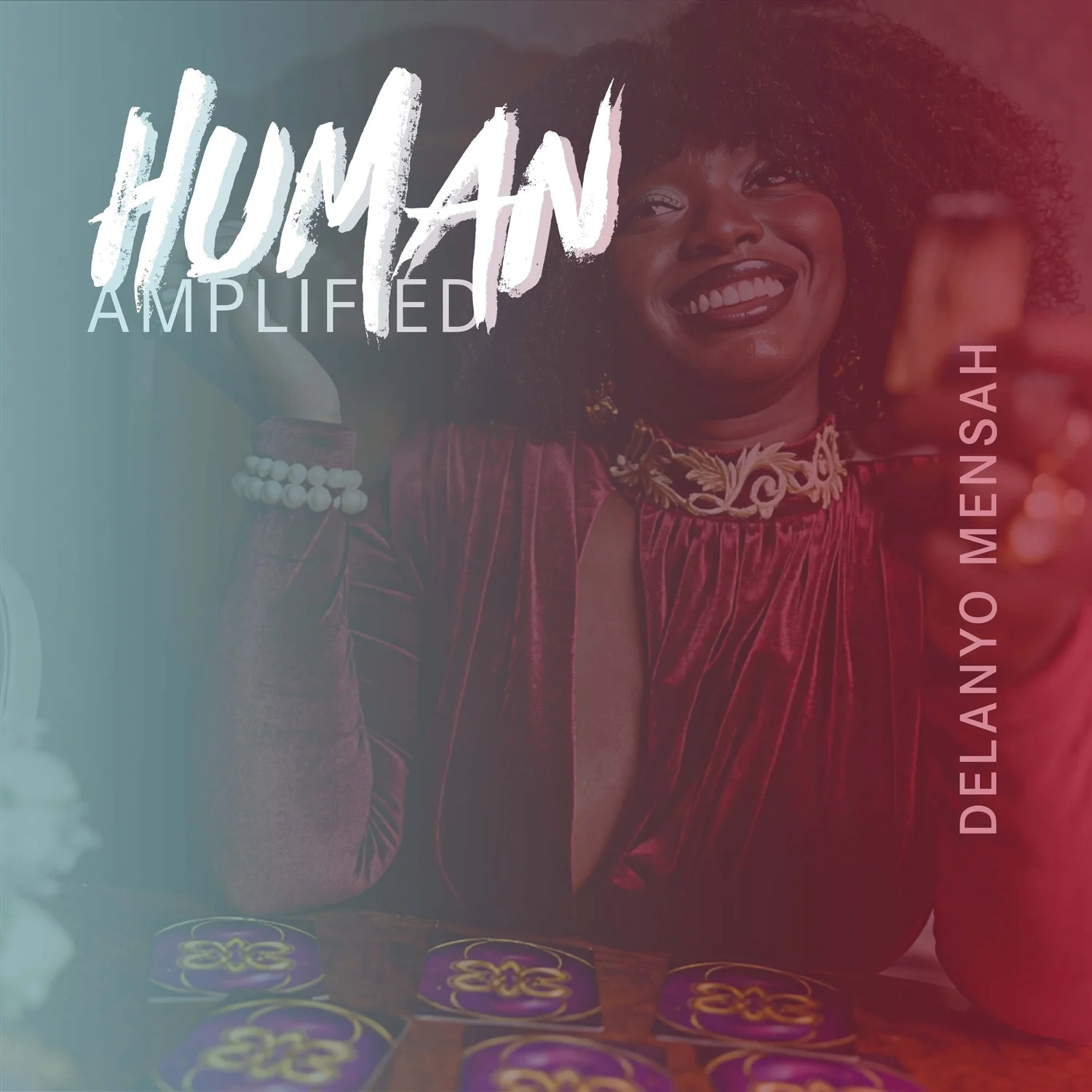
EPISODE 173 | When Assimilation Isn't the Goal with Delanyo Mensah
Sep 8, 202648 minS7
What if the thing that helped you fit in is also what’s keeping you from feeling fully yourself? Delanyo Mensah grew up moving between worlds. As a Ghanaian immigrant child in a predominantly white college town, she learned to adapt to different cultures, expectations, and spaces. That ability became one of her strengths—but it also left her wondering what it would mean to stop contorting herself to belong. In this conversation, Delanyo explores the difference between belonging and assimilation, why success can feel frightening when it requires being fully seen, and how radical imagination, creativity, and everyday rituals help her return to herself. She also reflects on her conservative Christian upbringing, religious deconstruction, and the process of learning to trust her own body and intuition. From the belief that she can be “paid to exist” to her realization that “failure for me is assimilation,” Delanyo’s story offers a grounded, expansive look at what it means to build a life around your own values—without giving up the communities that matter to you.
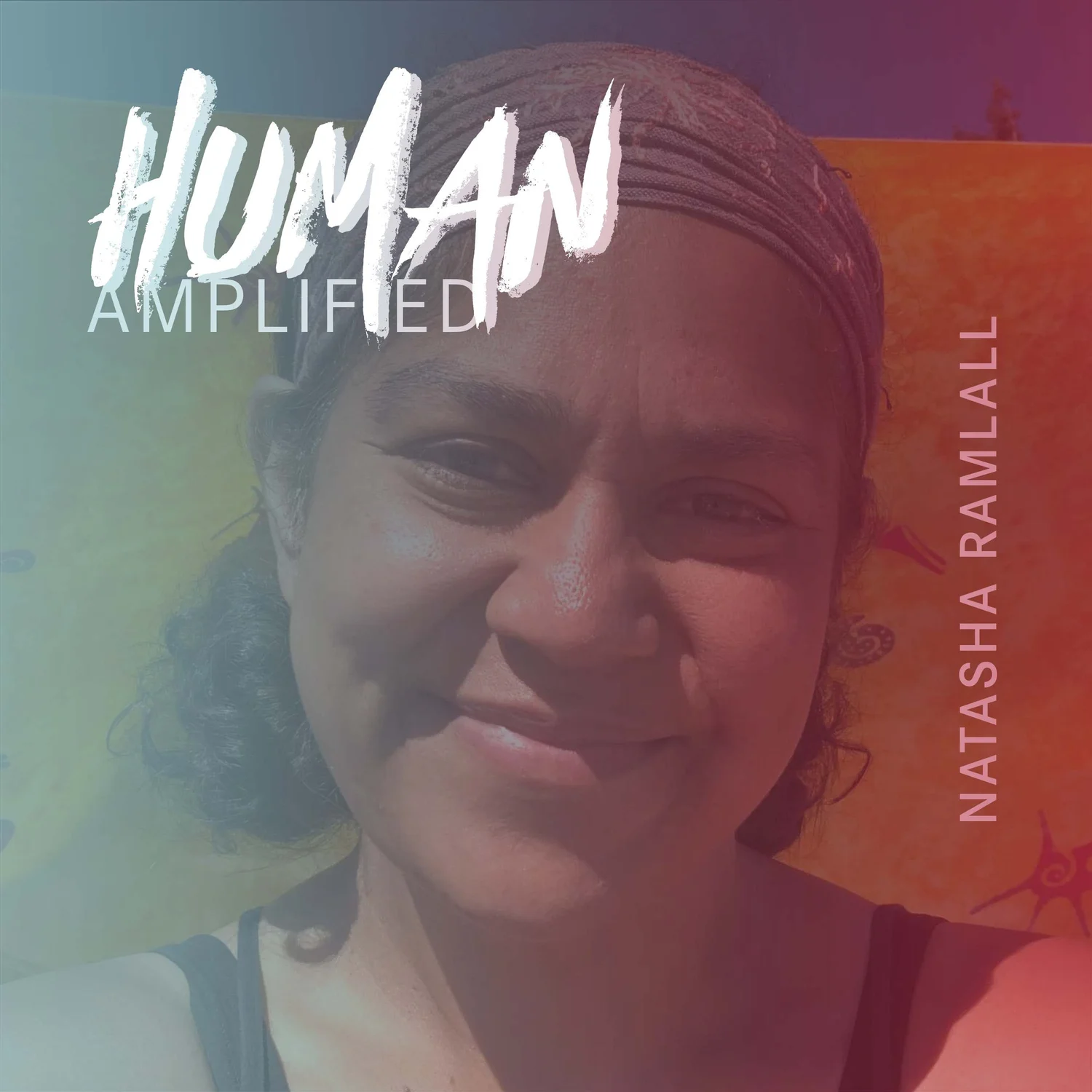
EPISODE 172 | Trusting Who You're Becoming During a Midlife Identity Crisis with Natasha Ramlall
Sep 1, 202654 minS7
What happens when the version of you that made your life work for decades suddenly stops fitting? For Natasha Ramlall, that question became impossible to ignore when she stepped away from a 25-year career and into a future she could no longer plan her way through. The transition disrupted more than her work. It challenged the identity she had built around being capable, productive, organized, and certain about what came next. Natasha describes the experience as an identity rupture: a period when the roles, relationships, expectations, and stories that once helped you understand who you are begin to fall away. And at midlife, that kind of change can be especially disorienting. In this conversation, Natasha and Brandi explore what it means to trust yourself when you don't have a clear map forward. They talk about grieving the future you thought you were going to have, distinguishing fear and conditioning from what your body is actually telling you, and learning to choose yourself even when your choices change the dynamics of your relationships. They also examine the connection between spirituality and embodiment, why setting a boundary can feel selfish even when it is healthy, and how creating a felt sense of safety in the body can expand your capacity to experience discomfort, joy, love, and change. Because sometimes finding yourself isn't about returning to who you used to be. It's about trusting who you're becoming.
Every question we get asked before someone starts their trial.
If you have a concern about deliverability, AI quality, data privacy, or whether this will actually work for your specific situation, it's probably answered below.
What is the difference between Founder Solo and Founder Pro?
Founder Solo gives you 50 AI pitches per month using the credit model (Standard pitches cost 1 credit, Enriched pitches cost 2). Founder Pro raises that to 200 credits per month and adds full Booking Probability access, unlimited Magic Match, Apollo enrichment credits, and data export capabilities. Both plans use the same credit system, so you can stretch your monthly budget further by using Standard-mode drafting.
How do agency tiers work?
Agency tiers have no base fee. You pay per managed client and per talent profile. Agency Standard is $199 per client per month; Agency Pro is $399 per client per month. Both add $39 per talent profile per month. Your own team's user seats are always free.
What is a talent profile?
A talent profile represents one person (founder, executive, or spokesperson) you are booking onto podcasts. It includes their bio, topics, headshots, and outreach history. Team plans include 5 profiles; agency plans are pay-as-you-go.
Can I switch plans later?
Yes, at any time. Upgrades take effect immediately; downgrades apply at the end of the current billing period. Contact support if you need help migrating between plan families.
Do you offer a free trial?
Every paid plan includes a 15-day free trial. Your card is saved at signup but you will not be charged until day 16. Cancel any time from your dashboard.
What happens if I cancel?
You keep access until the end of your current billing period. No charges after that. Your data is retained for 30 days in case you reactivate.
Is the 20% annual discount automatic?
Yes. Select Annual on the pricing toggle and the discounted price is applied automatically at checkout. The annual price shown is the full year cost.
What if I have more than 50 profiles or 20 clients?
That is our Enterprise tier. Contact our sales team and we will build a custom plan with volume pricing, a dedicated account manager, and SLA guarantees.