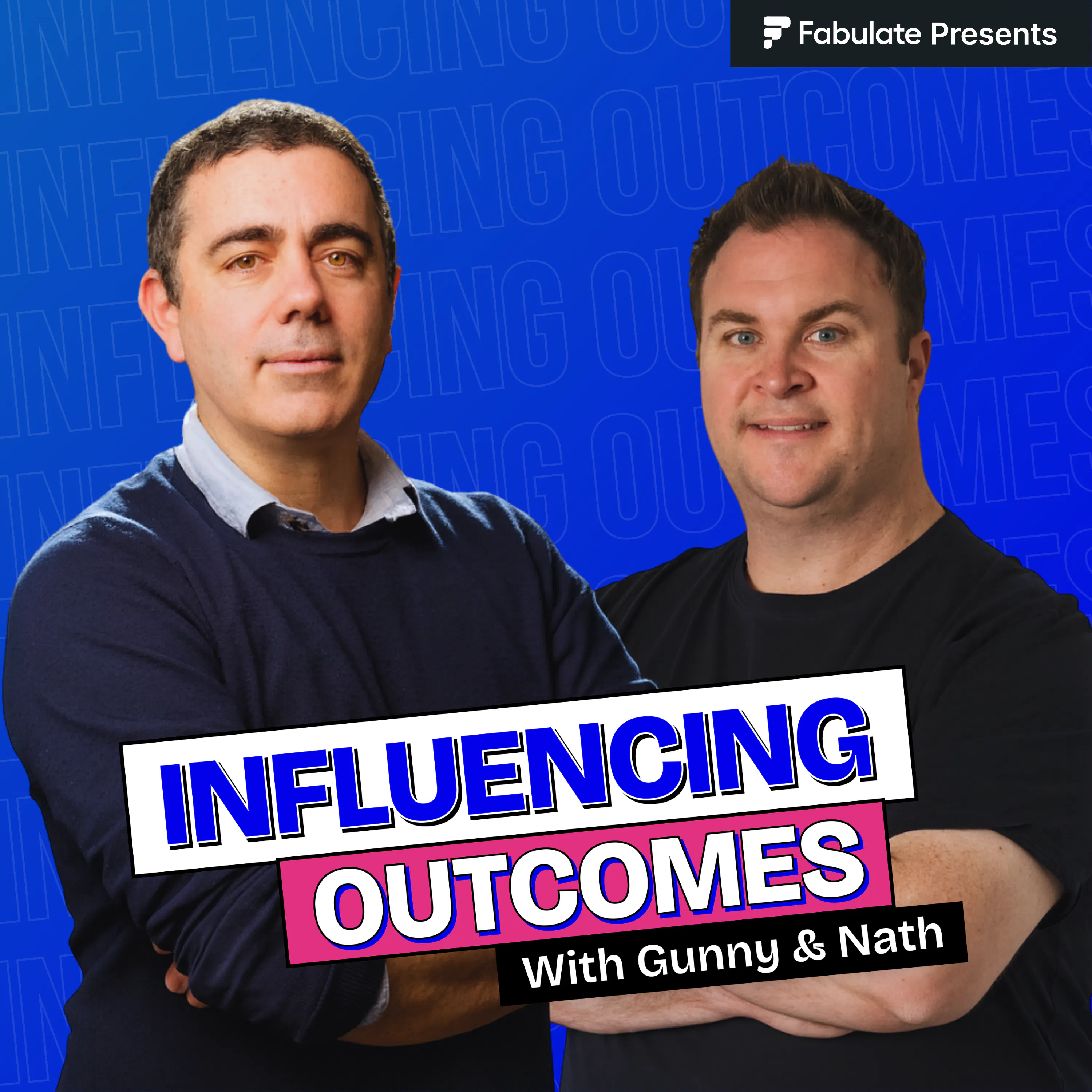
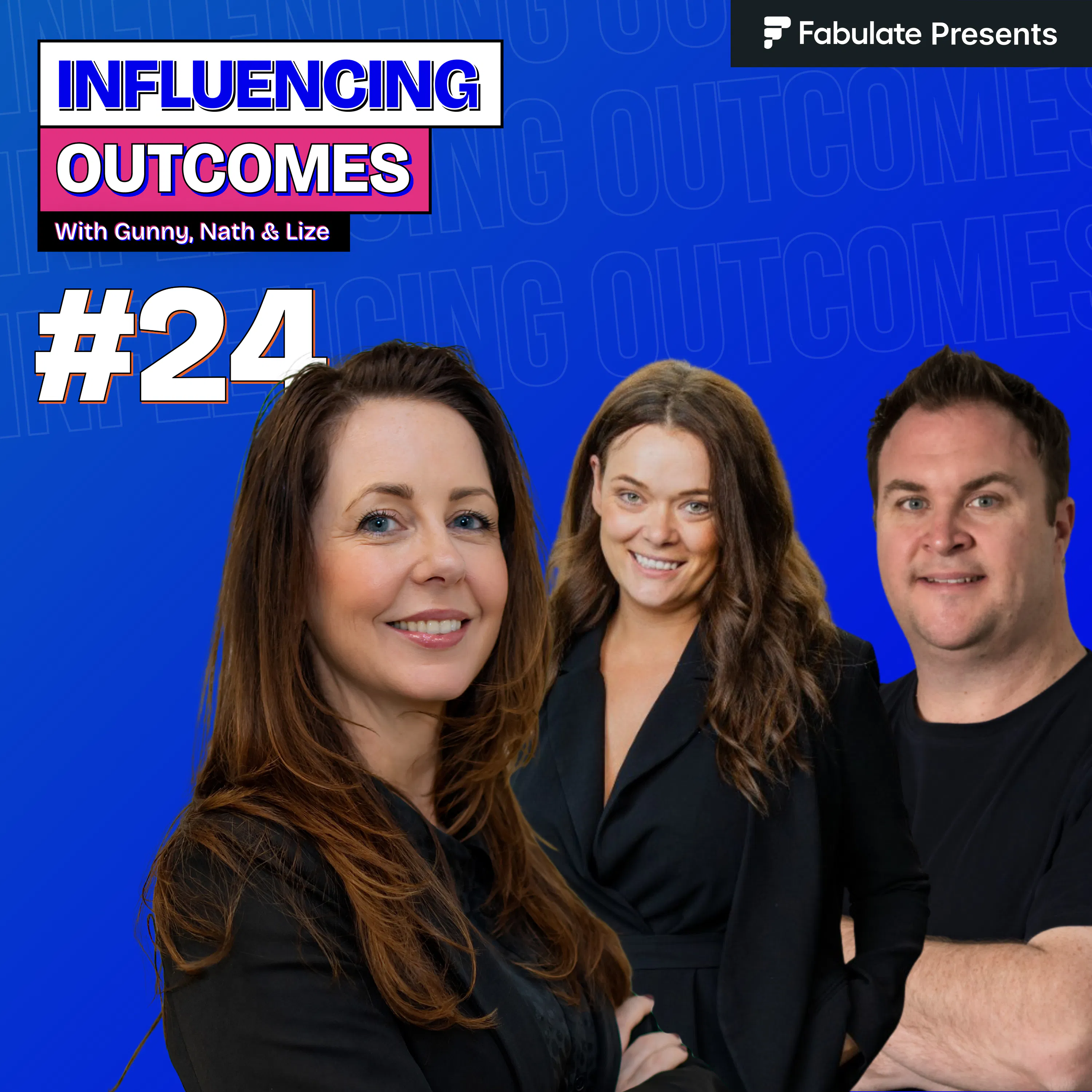
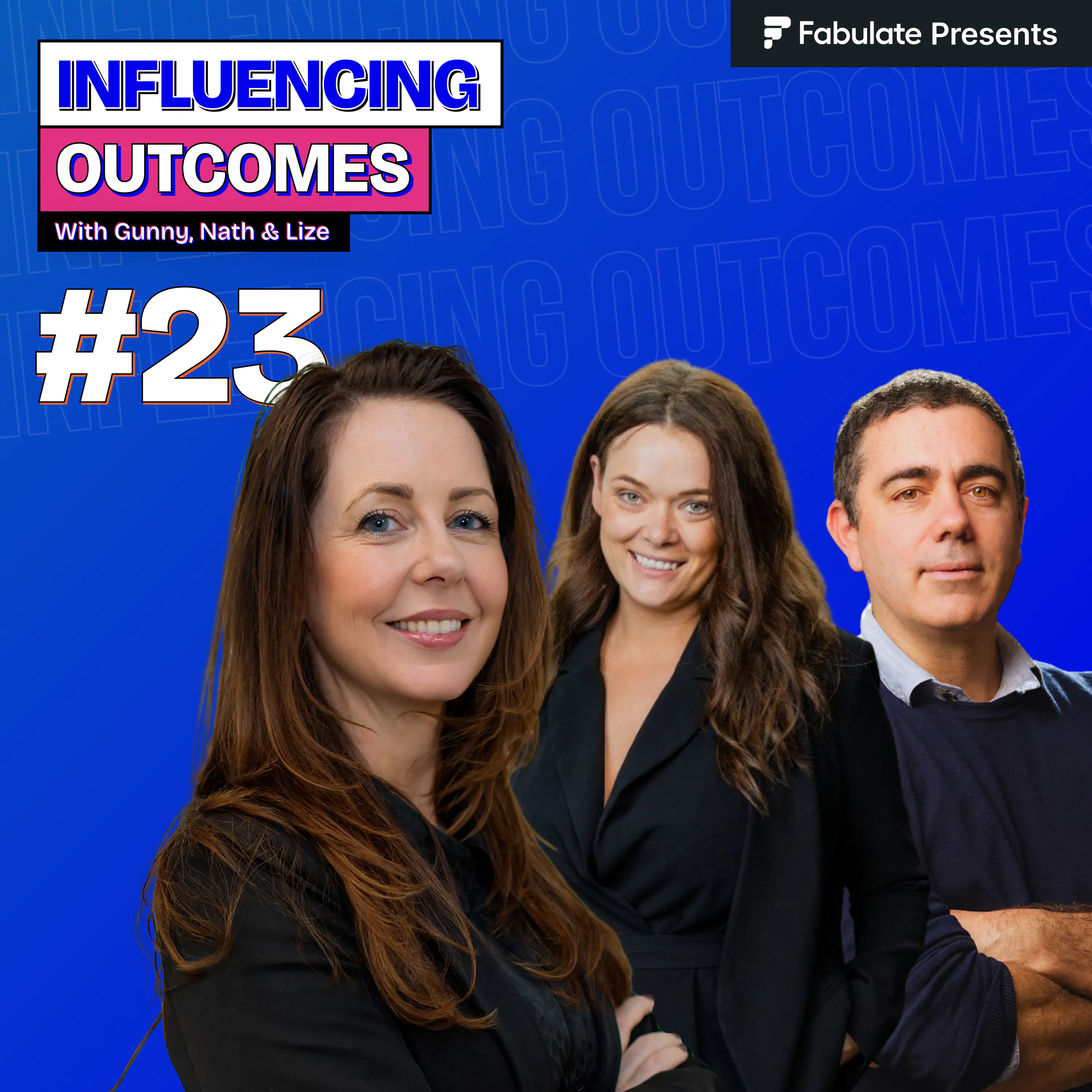
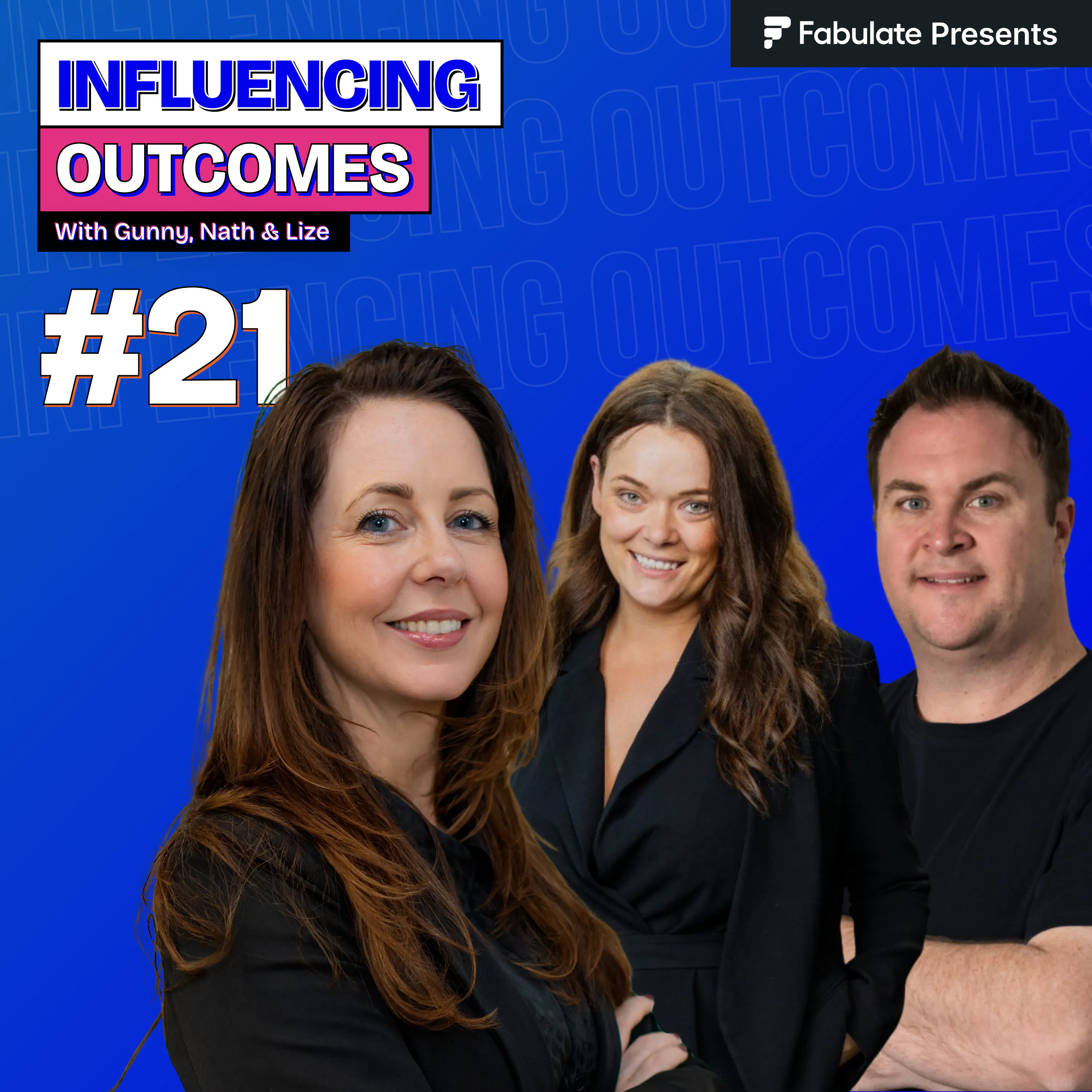
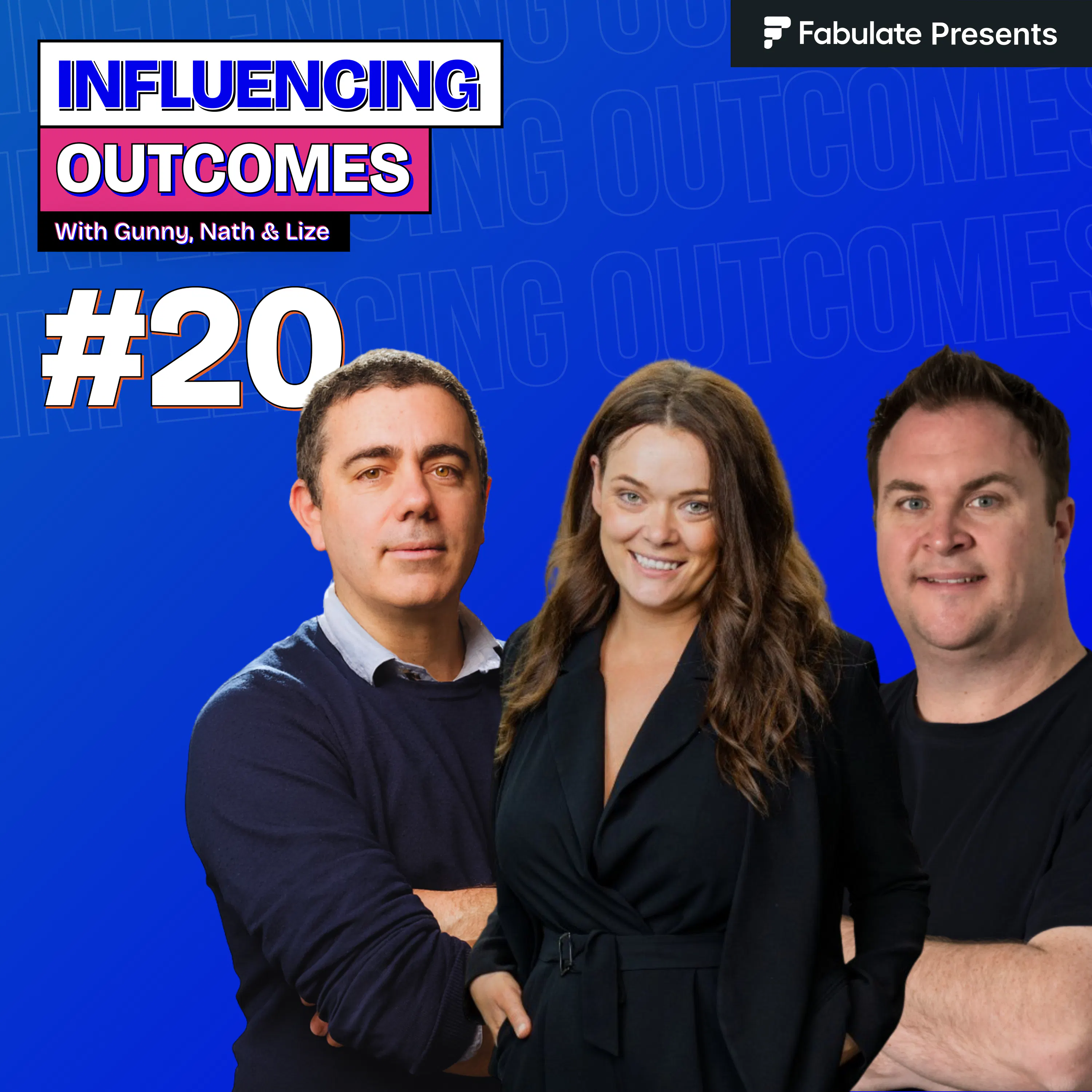
Welcome to Influencing Outcomes, the podcast that gets real about what drives success in influencer marketing. Each episode, we break down the latest headlines, share smart takes, and chat with the people shaping the creator economy. From brand marketers and agency leads to creators and talent managers, we explore what’s working, what’s changing, and how influence is turning into measurable results. If you care about the mix of creativity, strategy, and performance, this is your place to learn, laugh, and stay ahead of the curve. Hosted by Nathan Powell and Ben Gunn, Co-Founders of Fabulate, this duo knows the influencer world inside out. Nathan brings a strategic mind that connects creativity with data, while Ben’s experience in business development and digital media fuels his passion for building partnerships and driving growth. Together, they bring smart conversations, fresh insights, and genuine curiosity to every episode of Influencing Outcomes. New episodes Thursdays.
Pitch Analysis
Required Pod Score for this show. PitchCentric checks your profile against host openness, topical fit, and audience signals before you generate a pitch.
Contact path
Verified email
Booking probability
30%
Guest openness
Selective
Verified email on file
80/100
Required Score
Sign up to generate a grounded pitch for Influencing Outcomes.
Influencing Outcomes is a business podcast hosted by Unknown Host, with 23 episodes on record and a Required Pod Score of 80. PitchCentric scores this show on Booking Probability, Listen Score, and live audience signals refreshed every 24 hours.
About the host
Unknown Host hosts Influencing Outcomes, a business show with 23 episodes published.
Our AI reads these to draft pitches. Use them as grounding for a pitch that cites a real guest and a specific topic.
Influencing Outcomes
Are We Entering the Post-Influencer Era?
Aug 19, 202642 min
In this episode of Influencing Outcomes, Nathan Powell is joined by Eliza Lewis and Terri Owens to ask whether the influencer as we know it is dying, or simply evolving into something new. Starting with the backlash to OpenAI’s first influencer brand trip, the team explores what happens when creator relevance, audience trust and brand context fall out of alignment. They unpack why the right creator on paper can still be the wrong partnership in practice, and why brands may need to look beyond audience fit towards values, credibility and the permission a creator has earned with their community. The conversation then looks at how influence itself has evolved, from early creators built around expertise, through the lifestyle-driven influencer era, to today’s algorithm-led attention economy. As distribution becomes easier and AI makes content increasingly abundant, the team argues that trust, perspective and genuine human credibility could become the most valuable currencies in creator marketing. Rather than a post-influencer era, the next chapter may look surprisingly similar to where it all began: people with something genuinely worth listening to. Timecodes: ● (01:02) Are we entering the post-influencer era? ● (02:07) What OpenAI’s influencer trip reveals about audience trust ● (07:53) Where creator relevance and brand context can fall apart ● (10:15) Why audience fit may need to become a values match ● (18:05) The audience always gets a vote on creator campaigns ● (21:17) Why creators need to be more than a brand megaphone ● (24:00) What influence actually means in creator marketing ● (25:08) Influencer 1.0, 2.0 and 3.0: how the category evolved ● (31:18) Why credibility could become the new currency of creator marketing ● (38:42) Final takeaway: the influencer is evolving, not disappearing Follow, Subscribe and Stay Connected. Enjoyed the episode? Follow Influencing Outcomes on your favourite podcast platform so you never miss an update. For more insights, industry trends and behind the scenes content: Follow Fabulate on socials: LinkedIn | Instagram| TikTok | Youtube Visit our website: www.fabulate.co
In this episode of Influencing Outcomes, Eliza Lewis is joined by Ben Gunn and Terri Owens to explore a major shift taking place across technology, commerce and creator marketing: what if the next wave of innovation isn't coming from the West, but from the East? From electric vehicles and robotics to AI infrastructure and social commerce, the team explores how China and Southeast Asia are increasingly setting the pace for innovation. They then bring the conversation back to creator marketing, examining Fabulate's own data showing how trends such as the shift towards micro creators, creator-led commerce and large-scale content production emerged in Southeast Asia years before similar patterns began appearing in western markets like Australia. The discussion also explores why Southeast Asia's complexity is forcing marketers and technology companies to solve problems earlier, from localisation and brand safety to AI-powered compliance and campaign automation. With creators already embedded across entertainment, education, live shopping and conversion, the team argues that Southeast Asia offers a preview of where creator marketing globally could be heading next. Timecodes: ● (00:47) Is innovation starting to move from East to West? ● (04:30) Why Southeast Asia is becoming an AI infrastructure powerhouse ● (06:16) From robotics to culture: where the East is setting the pace ● (10:29) What Fabulate's data reveals about the future of creator marketing ● (14:39) Why Southeast Asia built creator marketing for scale first ● (17:16) Solving brand safety, compliance and localisation at scale ● (22:50) Why social commerce offers a glimpse of what's coming next ● (26:03) How agentic AI could transform large-scale creator campaigns ● (28:59) Final takeaway: stop looking West and start looking East Follow, Subscribe and Stay Connected. Enjoyed the episode? Follow Influencing Outcomes on your favourite podcast platform so you never miss an update. For more insights, industry trends and behind the scenes content: Follow Fabulate on socials: LinkedIn | Instagram| TikTok | Youtube Visit our website: www.fabulate.co
In this episode of Influencing Outcomes, Eliza Lewis steps into the host's chair, joined by Ben Gunn and Terri Owens, to tackle one of the biggest questions facing creator marketing today: can influencer marketing actually be measured properly? As investment in creator marketing continues to accelerate, expectations around accountability have never been higher. The team explores why traditional metrics like reach and engagement are no longer enough, how marketers should think about measurement frameworks rather than chasing a single KPI, and why the industry's conversation has shifted from proving creator marketing works to understanding how it drives real business outcomes. The discussion also examines the rise of closed-loop attribution, brand lift, predictive analytics and AI-powered measurement, exploring how emerging technology is transforming measurement from a reporting exercise into a strategic planning tool. Rather than simply looking backwards, the future of creator marketing lies in helping brands predict which creators, audiences and creative approaches are most likely to deliver results before campaigns even begin. Timecodes: ● (00:03) Can influencer marketing actually be measured properly? ● (04:18) Why measurement has historically been so difficult ● (08:35) There's no single metric that defines success ● (10:52) Matching the right measurement framework to business objectives ● (13:22) The five stages of measurement maturity ● (17:15) How AI is changing campaign planning and optimisation ● (19:27) What influencer measurement will look like by 2030 ● (24:24) Final predictions: from reporting to decision intelligence Follow, Subscribe and Stay Connected. Enjoyed the episode? Follow Influencing Outcomes on your favourite podcast platform so you never miss an update. For more insights, industry trends and behind the scenes content: Follow Fabulate on socials: LinkedIn | Instagram| TikTok | Youtube Visit our website: www.fabulate.co
Has AI Changed Marketing, or Are We Just Using Better Tools?
Jul 29, 202636 min
In this episode of Influencing Outcomes, Nathan Powell, Eliza Lewis and Terry Owens explore one of the biggest questions facing marketers today: has AI genuinely transformed marketing, or are most businesses simply using it to work a little faster? Drawing on new research from Boston Consulting Group and Fabulate's own experience producing more than 100,000 AI-assisted creative assets, the discussion examines the difference between AI adoption and true AI transformation. The team explores why redesigning workflows matters more than experimenting with new tools, how AI is changing the economics of content production, and why better briefs, stronger strategy and human creativity have become even more valuable in an AI-powered world. Rather than asking whether AI will replace creators or marketers, the episode asks a more important question: what becomes more valuable when production is no longer the constraint? Timecodes: (00:04) AI hype versus AI transformation: what marketers are getting wrong (07:23) From proving the technology to solving real marketing problems (10:37) Why AI shouldn't be judged against television commercials (13:30) The return of strategy: why better briefs matter more than ever (17:19) Can AI replace creators, or does it make them even more valuable? (24:03) Why AI adoption looks different across Asia and Western markets (28:09) What the history of CGI teaches us about the future of AI (32:27) Final thoughts: what marketers should actually be doing differently Follow, Subscribe and Stay Connected. Enjoyed the episode? Follow Influencing Outcomes on your favourite podcast platform so you never miss an update. For more insights, industry trends and behind the scenes content: Follow Fabulate on socials: LinkedIn | Instagram| TikTok | Youtube Visit our website: www.fabulate.co
Has Australia's Under-16 Social Media Ban Actually Worked?
Jul 22, 202635 min
In this episode of Influencing Outcomes, Nathan Powell, Ben Gunn and Eliza Lewis revisit one of the biggest public policy debates of the past year: Australia's world-first under-16 social media ban. Six months after the legislation came into effect, the team explores what has actually changed, separating political intent from measurable outcomes. Drawing on new research, government data and international developments, the discussion examines whether the ban has reduced harm, why millions of accounts were removed while many young people still found ways around the restrictions, and whether governments are solving the root causes of online harm or simply treating its symptoms. The conversation also explores the growing importance of digital literacy, critical thinking and the changing role social media plays in how young people communicate, learn and consume news. Rather than asking whether the legislation was right or wrong, the episode asks a more important question: what would a genuinely effective long-term solution look like? Timecodes: (00:03) Six months on: revisiting Australia's under-16 social media ban (05:35) What the data says: 4.7 million accounts removed and did it make a difference? (09:03) New research reveals how young Australians are bypassing the restrictions (15:18) Ban versus education: should digital literacy be the real priority? (21:25) What happens when young people lose access to news and information? (26:07) Parenting, resilience and preparing children for the digital world (29:43) Final report cards: did Australia's social media ban actually work? Follow, Subscribe and Stay Connected. Enjoyed the episode? Follow Influencing Outcomes on your favourite podcast platform so you never miss an update. For more insights, industry trends and behind the scenes content: Follow Fabulate on socials: LinkedIn | Instagram| TikTok | Youtube Visit our website: www.fabulate.co
Every question we get asked before someone starts their trial.
If you have a concern about deliverability, AI quality, data privacy, or whether this will actually work for your specific situation, it's probably answered below.
What is the difference between Founder Solo and Founder Pro?
Founder Solo gives you 50 AI pitches per month using the credit model (Standard pitches cost 1 credit, Enriched pitches cost 2). Founder Pro raises that to 200 credits per month and adds full Booking Probability access, unlimited Magic Match, Apollo enrichment credits, and data export capabilities. Both plans use the same credit system, so you can stretch your monthly budget further by using Standard-mode drafting.
How do agency tiers work?
Agency tiers have no base fee. You pay per managed client and per talent profile. Agency Standard is $199 per client per month; Agency Pro is $399 per client per month. Both add $39 per talent profile per month. Your own team's user seats are always free.
What is a talent profile?
A talent profile represents one person (founder, executive, or spokesperson) you are booking onto podcasts. It includes their bio, topics, headshots, and outreach history. Team plans include 5 profiles; agency plans are pay-as-you-go.
Can I switch plans later?
Yes, at any time. Upgrades take effect immediately; downgrades apply at the end of the current billing period. Contact support if you need help migrating between plan families.
Do you offer a free trial?
Every paid plan includes a 15-day free trial. Your card is saved at signup but you will not be charged until day 16. Cancel any time from your dashboard.
What happens if I cancel?
You keep access until the end of your current billing period. No charges after that. Your data is retained for 30 days in case you reactivate.
Is the 20% annual discount automatic?
Yes. Select Annual on the pricing toggle and the discounted price is applied automatically at checkout. The annual price shown is the full year cost.
What if I have more than 50 profiles or 20 clients?
That is our Enterprise tier. Contact our sales team and we will build a custom plan with volume pricing, a dedicated account manager, and SLA guarantees.