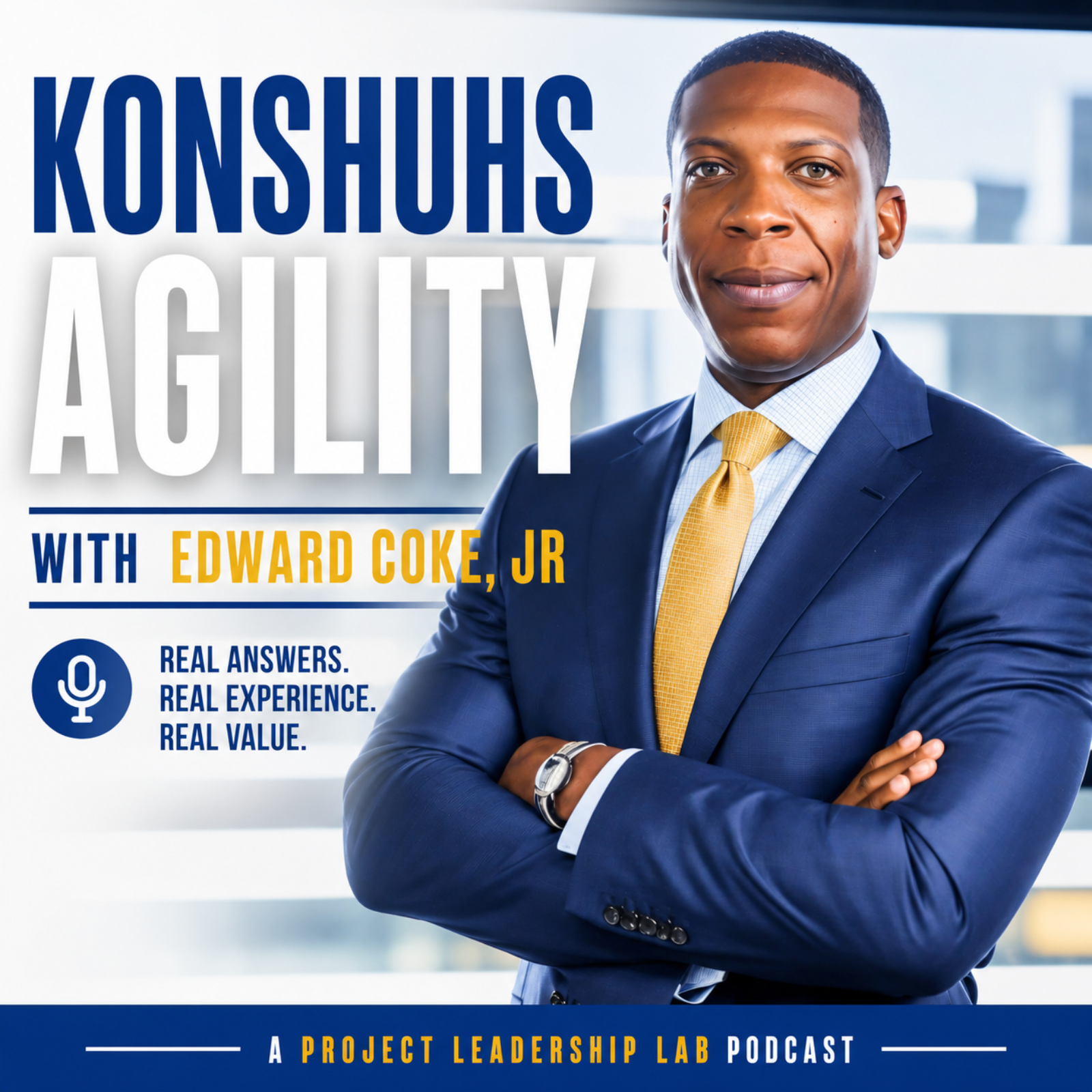
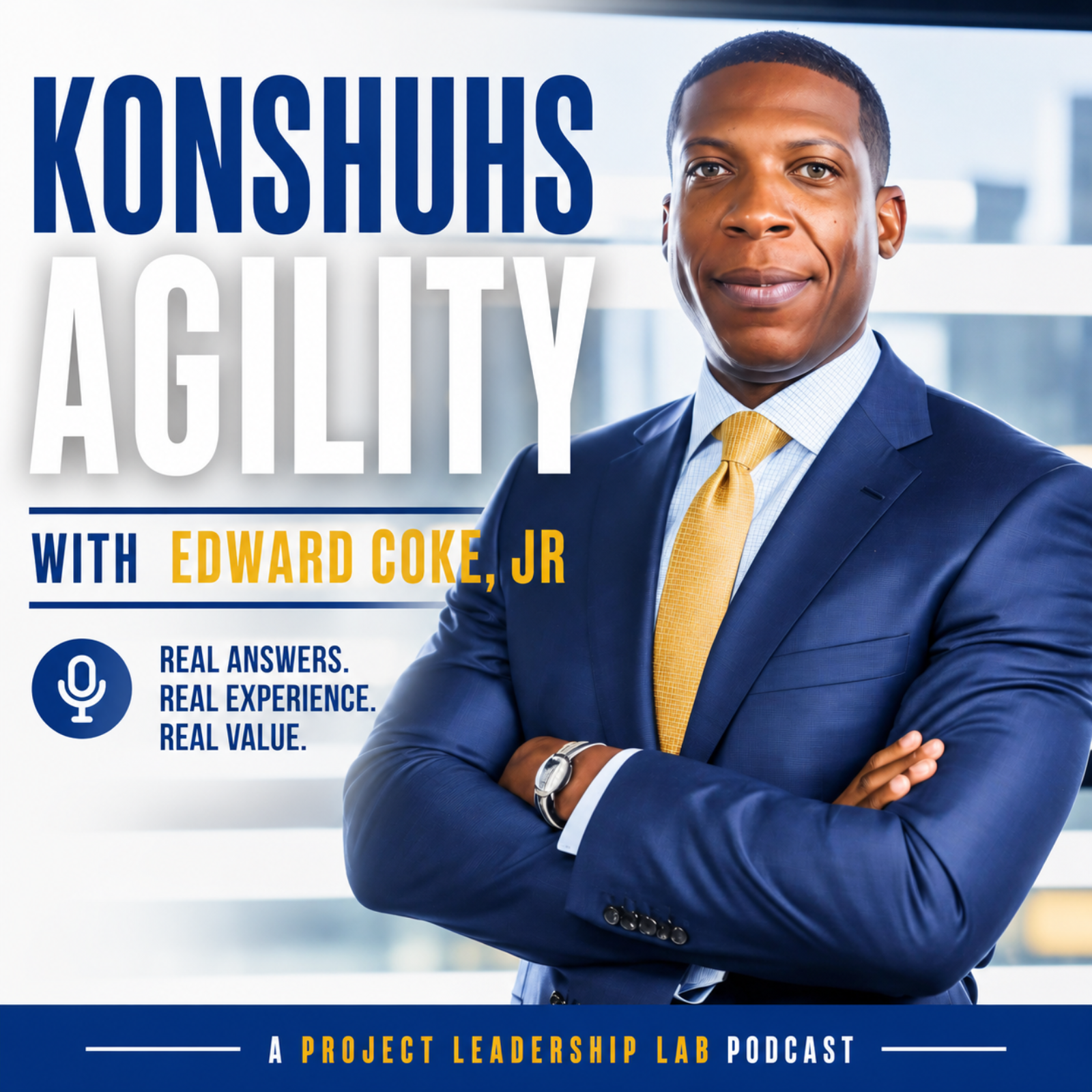
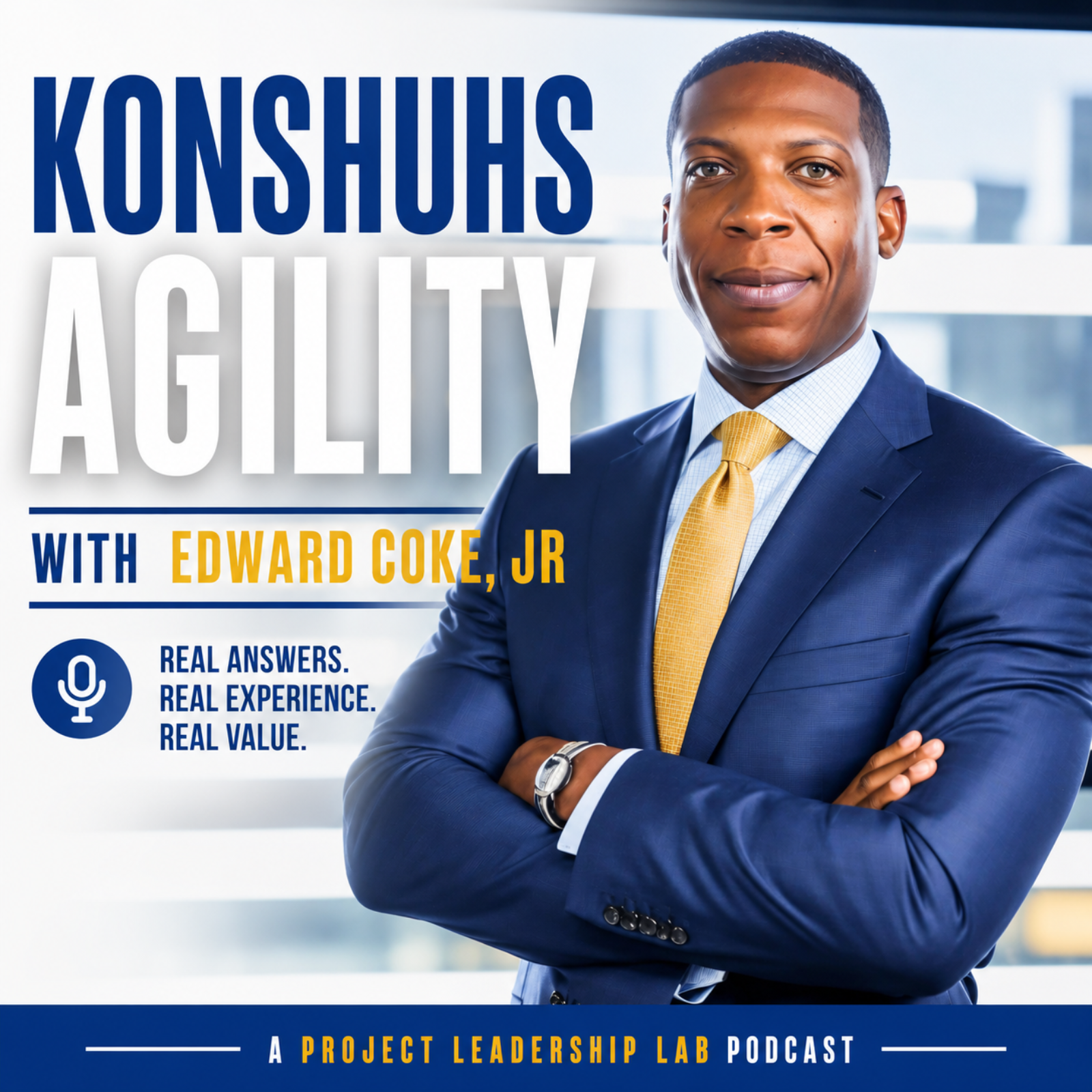
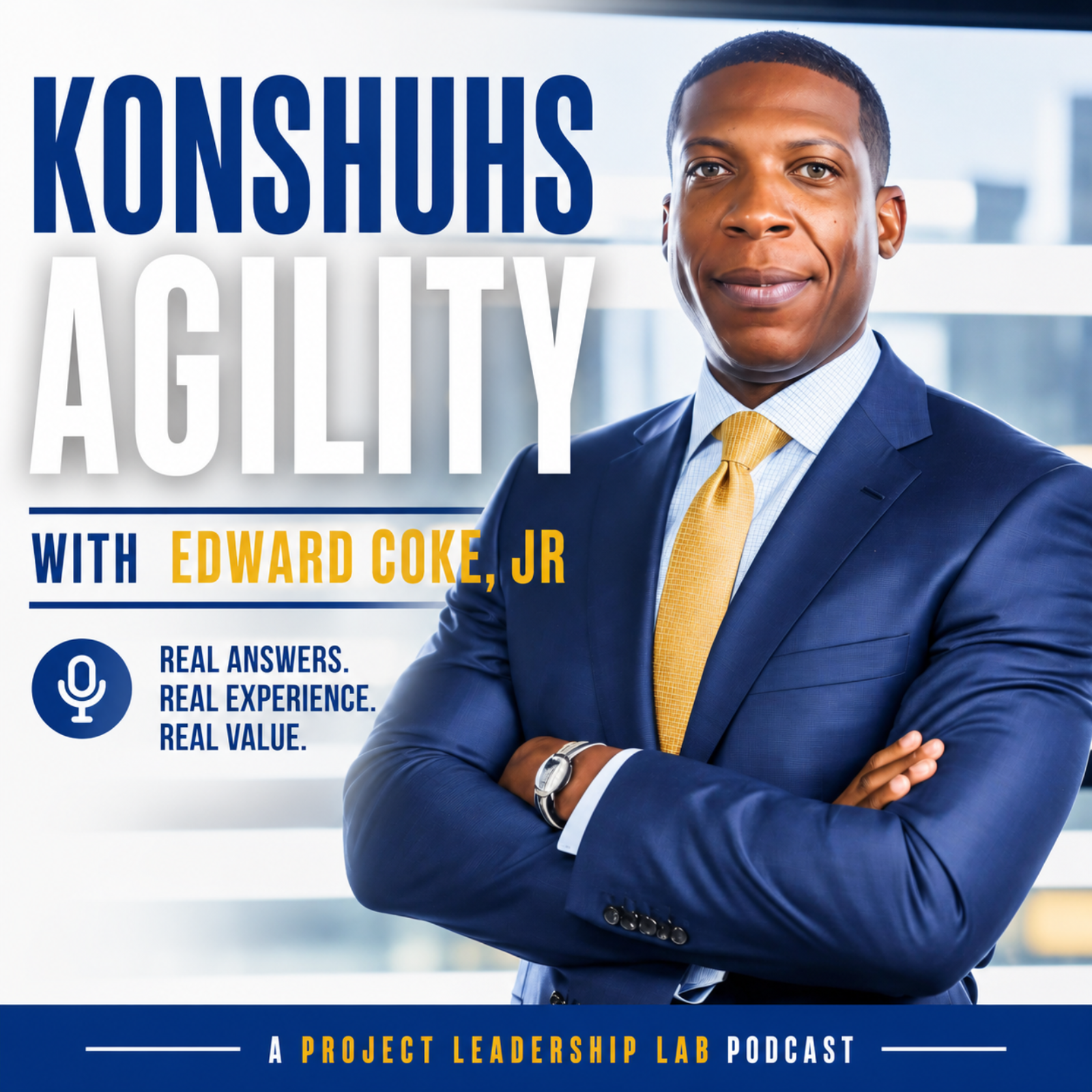
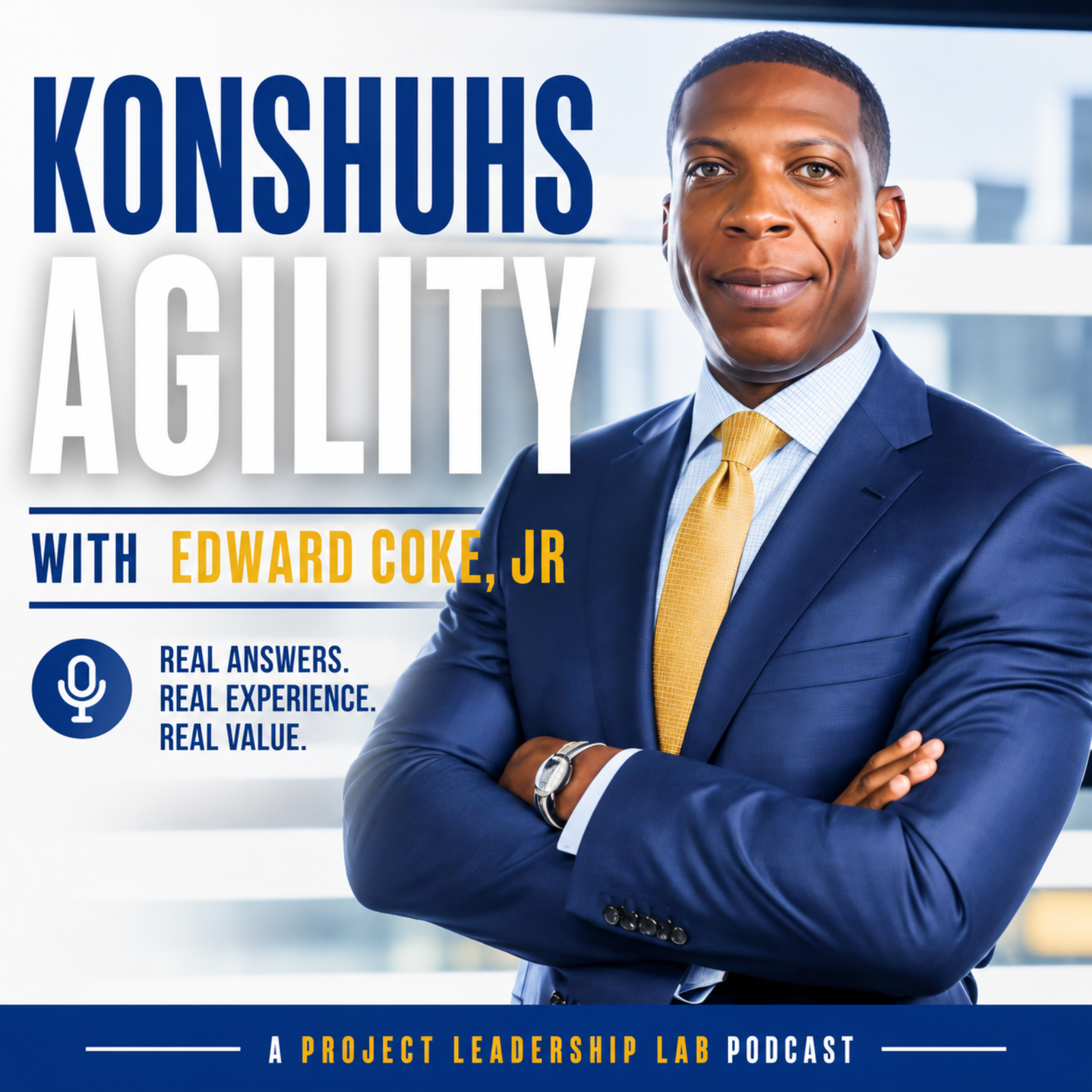
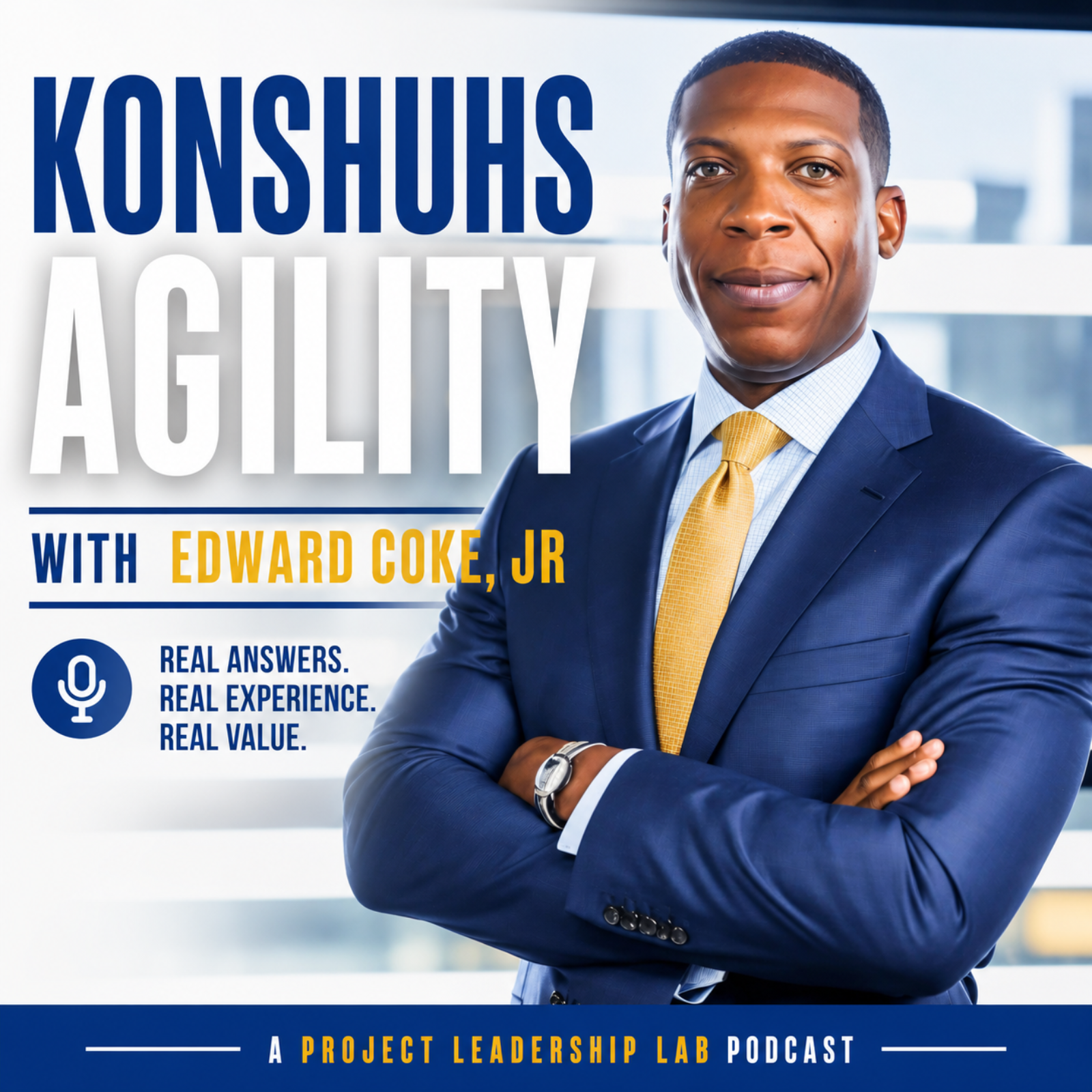
Are you ready to elevate your project management game? Welcome to a dynamic podcast designed to disrupt traditional thinking and revolutionize your approach to project management. Blending the powerful frameworks, methodologies, and mindsets of the PMBOK, Agile, Scrum, and Kanban, infused with a strong focus on personal development, this podcast delivers real-world strategies and transformative insights. Hosted by a seasoned professional holding PMP, CAPM, and CSM certifications and boasting over a decade of hands-on experience, each episode provides actionable advice to sharpen your leadership, enhance communication skills, and master stakeholder engagement. Whether you're managing cross-functional teams, seeking continuous improvement, or navigating complex projects, you'll gain practical tips and cutting-edge methodologies to excel in today's fast-paced landscape. Join us weekly for engaging discussions and the inspiration you need to become the exceptional project leader you've always aspired to be. Your journey toward project management excellence begins here! CLICK HERE FOR FREE RESOURCES
Pitch Analysis
Required Pod Score for this show. PitchCentric checks your profile against host openness, topical fit, and audience signals before you generate a pitch.
Contact path
Public web form
Booking probability
37%
Guest openness
Selective
80/100
Required Score
Sign up to generate a grounded pitch for Konshuhs Agility-Project Manager Coach & Agile Coach, Trainer, Mentor & Author.
What is Konshuhs Agility-Project Manager Coach & Agile Coach, Trainer, Mentor & Author?
Konshuhs Agility-Project Manager Coach & Agile Coach, Trainer, Mentor & Author is a business podcast hosted by Unknown Host, with 591 episodes on record and a Required Pod Score of 80. PitchCentric scores this show on Booking Probability, Listen Score, and live audience signals refreshed every 24 hours.
About the host
Unknown Host hosts Konshuhs Agility-Project Manager Coach & Agile Coach, Trainer, Mentor & Author, a business show with 591 episodes published.
Our AI reads these to draft pitches. Use them as grounding for a pitch that cites a real guest and a specific topic.
Episode #603
The Project Management Translation Guide Series| The Hidden Meaning Behind “Socialize This” at Work
Aug 11, 202622 minS1
What does an experienced project manager actually mean when they say, “I’ll socialize this information”? They are not simply promising to send another email or add more people to a distribution list. Socializing project information is a communication strategy designed to create shared understanding, support decisions, clarify expectations, and establish accountability. In this episode, my goal is to translate one of the most common phrases used in project management and corporate environments. Through practical examples involving meeting recaps, UAT delays, budget risks, executive updates, and action items, you will learn how experienced project managers communicate information differently based on what each audience needs to know, decide, or do. If you’re ready to move beyond certifications and become the leader your team deserves, The Project Management Lab exists to help project managers replace uncertainty with confidence . Explore the resources available here: https://pxl.to/edwardcokejr What We’ll Discuss What “socialize this” really means in project management Why forwarding an attachment is not the same as communicating How shared information quietly creates accountability Why executives and delivery teams need different versions of the same message How meeting recaps protect decisions, responsibilities, and deadlines When to use terms such as awareness, alignment, documentation, and compliance What You’ll Learn How to explain why project information matters How to identify what an audience needs to know, decide, or do How to tailor one project update for different stakeholder groups How to document actions, owners, deadlines, and impacts clearly How to create a response window for questions and corrections How to turn project communication into documented accountability How to prevent “I didn’t know” from becoming a project excuse Key takeaway Sending information is an activity. Socializing information is a communication strategy. Communication is not complete when you press send. It is complete when the right people understand what the information means and what needs to happen next. If you’re ready to move beyond certifications and become the leader your team deserves, explore the resources from The Project Management Lab. They are designed to help you replace uncertainty with confidence and continue becoming the project manager you want to become. https://pxl.to/edwardcokejr
The Scoreboard Principle| Sometimes You’re Starting Against Someone Else’s Scoreboard
Aug 10, 202623 minS1
Have you ever entered a new role and realized you were not being evaluated against the job description? You were being evaluated against the habits, relationships, and expectations created by the person who came before you. If you’re ready to move beyond certifications and become the leader your team deserves, The Project Management Lab provides resources to help you replace uncertainty with confidence. Explore the resources linked in the episode notes and continue becoming the project manager you know you can be. Sometimes you do not enter an organization with a blank scoreboard. You inherit old promises, outdated processes, damaged relationships, invisible expectations, and responsibilities that may never have formally belonged to your role. In this episode, I will explain why understanding the scoreboard you inherited matters more than blaming the people who created it. I will explore how experienced project managers can earn trust, establish healthy ownership boundaries, and receive difficult feedback without allowing someone else’s perception to become their identity. What you’ll learn: Why new leaders inherit expectations they did not create Why experience is portable but trust is not How temporary assistance becomes permanent ownership How to study organizational history before changing established processes How to separate valuable feedback from damaging labels Why someone else’s scoreboard should inform you without defining you We’ll discuss: Conducting an expectation audit in a new organization Asking for the history behind unusual processes Building trust through small, consistent promises Returning accountability after a crisis Converting personal labels into observable behaviors Looking for patterns before accepting someone’s evaluation as truth You may not be responsible for the score you inherited, but you are responsible for what happens while you are in the game. Study the first half, learn from it, and start putting your own points on the board. If this episode reminded you of a project manager or leader who inherited expectations they did not create, share it with them. Subscribe to The Project Management Lab and explore the resources below to continue developing your confidence, leadership, and professional identity.
The Hidden Cost of Being the Most Reliable Project Manager
Aug 5, 202611 minS1
Why great project managers don't do everyone's work: they build teams that take ownership. Have you ever wondered if being the most reliable person on your team is actually slowing your team down? In this episode of The Project Management Lab , I will explore one of the most overlooked leadership challenges in project management: the hidden cost of always stepping in to help. You'll learn why taking on everyone else's responsibilities can unintentionally reduce accountability, create bottlenecks, and prevent your team from reaching its full potential. Whether you're preparing for your first project management role or leading enterprise initiatives, this episode will help you shift from being the person everyone depends on to becoming the leader who develops high-performing teams. What You'll Learn ✅ Why being the most reliable project manager can unintentionally slow your team's growth. ✅ How to support your team without taking ownership of their responsibilities. ✅ The difference between removing obstacles and removing accountability. ✅ Why great leaders create ownership before they create output. ✅ Practical leadership strategies to build a team that succeeds without depending on you for every decision. What We'll Discuss ✔️ Why project managers often become the team's bottleneck without realizing it. ✔️ How stepping in too often can quietly reduce accountability and ownership. ✔️ Why "Move PM... Get Out the Way" may be one of the most important leadership lessons you'll ever learn. ✔️ Three practical leadership principles to help you build trust, create ownership, and develop high-performing teams. ✔️ How to lead in a way that allows your team to grow while still delivering successful projects. If you're ready to move beyond certifications and become the leader your team deserves, this episode is for you. Resources The Project Management Lab: https://pxl.to/edwardcokejr
Project Management Translation Guide: How Experienced Project Managers Really Communicate
Aug 4, 202616 minS1
Ready to move beyond certifications and build real-world project management confidence? The Project Management Lab exists to help project managers replace uncertainty with confidence. Explore coaching, books, and practical resources designed to help you communicate with confidence and lead with clarity. Start your journey here: https://pxl.to/edwardcokejr Have you ever walked out of a project meeting thinking... "I understood every word... but I still don't know what they meant?" You're not alone. In this first episode of the Project Management Translation Guide , we uncover why experienced project managers seem to speak a different language and why the real difference has very little to do with vocabulary. What We'll Discuss Why project management language feels intimidating when you're new What experienced project managers are actually communicating in meetings Why phrases like "bandwidth" are about decisions, not buzzwords How professional language creates clarity instead of complexity The biggest mistake new project managers make when trying to sound professional Why fluency comes from understanding how project managers think What You'll Learn How to listen for the decision instead of just the words A practical way to become fluent in project management communication How experienced project managers choose the right language Two techniques to improve your communication in your very next meeting How to build confidence without memorizing corporate jargon Why clarity is the true sign of professional fluency Whether you're preparing for the CAPM, stepping into your first project coordinator role, or leading enterprise initiatives, this episode will help you communicate with greater confidence and clarity. Remember... Project managers aren't born. They're built. And if you're ready to continue building the project manager you want to become, I've included additional resources below to help you take that next step. Start your journey here: https://pxl.to/edwardcokejr
The Scoreboard Principle: What Happens When the Title Is Gone?
Aug 3, 202616 minS1
What happens when the title you've spent years building suddenly disappears? In this episode of The Scoreboard Principle , Edward Coke Jr. explores one of the most difficult questions many professionals never ask until life forces them to: Who are you? Through a personal story of career loss, identity, and unexpected freedom, you'll discover why titles can change, careers can end, and opportunities can shift, but your character remains the one thing no company can ever take away. If you've ever been laid off, changed careers, retired, questioned your purpose, or wondered who you are beyond your profession, this conversation is for you. In this episode, you'll learn: • Why your identity is bigger than your title • What no employer can ever take away from you • How to stop chasing titles and start becoming • Why character matters more than credentials • The mindset that creates freedom in every season of life What We'll Discuss Why so many professionals mistakenly build their identity around a job title. What really makes losing a career feel so painful. How to separate your identity from your profession. Why titles can change or even be taken, but character cannot. The difference between building a résumé and building the person who carries it. How to stop chasing titles and start becoming the person you were created to be. Why true freedom comes from creating value in any season of life. Remember... Don't spend so much time building your résumé that you forget to build the person who carries it.
Every question we get asked before someone starts their trial.
If you have a concern about deliverability, AI quality, data privacy, or whether this will actually work for your specific situation, it's probably answered below.
What is the difference between Founder Solo and Founder Pro?
Founder Solo gives you 50 AI pitches per month using the credit model (Standard pitches cost 1 credit, Enriched pitches cost 2). Founder Pro raises that to 200 credits per month and adds full Booking Probability access, unlimited Magic Match, Apollo enrichment credits, and data export capabilities. Both plans use the same credit system, so you can stretch your monthly budget further by using Standard-mode drafting.
How do agency tiers work?
Agency tiers have no base fee. You pay per managed client and per talent profile. Agency Standard is $199 per client per month; Agency Pro is $399 per client per month. Both add $39 per talent profile per month. Your own team's user seats are always free.
What is a talent profile?
A talent profile represents one person (founder, executive, or spokesperson) you are booking onto podcasts. It includes their bio, topics, headshots, and outreach history. Team plans include 5 profiles; agency plans are pay-as-you-go.
Can I switch plans later?
Yes, at any time. Upgrades take effect immediately; downgrades apply at the end of the current billing period. Contact support if you need help migrating between plan families.
Do you offer a free trial?
Every paid plan includes a 15-day free trial. Your card is saved at signup but you will not be charged until day 16. Cancel any time from your dashboard.
What happens if I cancel?
You keep access until the end of your current billing period. No charges after that. Your data is retained for 30 days in case you reactivate.
Is the 20% annual discount automatic?
Yes. Select Annual on the pricing toggle and the discounted price is applied automatically at checkout. The annual price shown is the full year cost.
What if I have more than 50 profiles or 20 clients?
That is our Enterprise tier. Contact our sales team and we will build a custom plan with volume pricing, a dedicated account manager, and SLA guarantees.