Compelling tales from the world of public relations, marketing and branding, told by the well-meaning communications professionals who lived them. Lead Balloon is like Freakonomics for communicators and media consumers. It's a show where we tell stories from communications industry leaders, brands that everyone knows and loves (or hates), and spectacular PR disasters. With immersive storytelling and a wry sense of humor, host Dusty Weis (nominated for "Best Indie Podcast Host" at the 2026 Podcast Academy awards) revisits epic PR disasters, intense communications scenarios, professional inflection points and notable campaigns we all remember, and usually finds a reason to chuckle. Because sometimes, there are important lessons to be learned from someone else's worst day. And sometimes, it's just more convenient than group therapy. Lead Balloon is an award-winning program, named by Adweek as "Marketing Podcast of the Year," nominated for a W
Pitch Analysis
Required Pod Score for this show. PitchCentric checks your profile against host openness, topical fit, and audience signals before you generate a pitch.
Contact path
Verified email
Booking probability
34%
Guest openness
Selective
Verified email on file
82/100
Required Score
Sign up to generate a grounded pitch for Lead Balloon - Marketing, Public Relations and Strategic Communications Stories.
What is Lead Balloon - Marketing, Public Relations and Strategic Communications Stories?
Lead Balloon - Marketing, Public Relations and Strategic Communications Stories is a business podcast hosted by Dusty Weis, with 78 episodes on record and a Required Pod Score of 82.
About the host
Dusty Weis hosts Lead Balloon - Marketing, Public Relations and Strategic Communications Stories, a business show with 78 episodes published.
Our AI reads these to draft pitches. Use them as grounding for a pitch that cites a real guest and a specific topic.
Episode #73
73. AI Podcasts Scrapped: Inception Point CEO Jeanine Wright Explains Pivot, Rebrand as Liquid Studios
Sep 29, 202650 minS1
As they promote their new AI technologies, executives at tech startups have said some outlandish things. Making bold claims gets headlines. It secures meetings. It closes funding deals. It also runs the risk of being seen as manipulative, insincere and opaque. So in this episode, we have a big update to the story of Inception Point AI. This startup burst onto the scene a year ago using AI podcast hosts to produce 3,000 episodes a week of fully synthetic content. We'll speak with CEO Jeanine Wright herself to confirm that the company has pivoted its business model and spun off a B2B brand as Liquid Studios, an AI-driven "content transformation" engine. She tells us that Inception Point's AI podcast feeds have mostly been abandoned, and that monetization of fully-synthetic, human-like content is no longer a revenue source for the company. But we're also going to have some uncomfortable conversation about how we got here, because many of us in the podcast industry are still pretty peeved about this story. Inception Point told us they were going to revolutionize podcasting by replacing human hosts with AI. Most of us didn't like that. Now they're quietly backing away from that business model and that brand, and they claim that the business was always intended as a B2B platform for enterprises to adapt their content at-scale. So was it all a publicity stunt? Did the backlash hit home? Can we trust anything that tech CEOs say in 2026? We'll discuss all this with Jeanine, as well as Award-winning podcast host Ronald Young, Jr. (Weight For It, Pop Culture Happy Hour) Dr. Jeremy Morris, professor of media and cultural studies at the University of Wisconsin We edit all our podcast interviews to optimize the story for listeners and provide context and commentary. This episode is no exception. In the name of fairness and full transparency, we are also sharing the uncut video of the interview with Jeanine Wright so that you can decide whether our coverage of this issue is fair or not. You can view that uncut version here: https://youtu.be/F-BTnjIV81M Learn more about your ad choices. Visit megaphone.fm/adchoices
72. Bald as a Brand: What is Baldmaxxing and Why Should Marketers Pay Attention? w/ Harry James and Brennan Johnson
Aug 25, 202642 minS1
For decades, baldness has been seen as undesirable—for men AND women. Traditional and social media both have reinforced the message that a thick, luscious head of hair is synonymous with desirability and success. And marketers have hocked products to prevent, hide or "cure" baldness—but never to embrace it. However, a new online trend—"Baldmaxxing"—is changing the narrative around hair loss, and opening up a new market for shrewd communicators. Harry James is the founder of Baldcafé, a popular online community and YouTube channel created to help men embrace hair loss, overcome insecurity, and build confidence. He’s also credited with coining the term “Baldmaxxing,” empowering men to celebrate their ascent into baldness rather than try to cover it up. And Brennan Nevada Johnson is the founder and CEO of Brennan Nevada Inc., a black-and-female-owned PR and media relations agency working in New York. Brennan has been bald by choice for 15 years, hosts the podcast Bald and Buzzed with Brennan, and works to help other bald women affirm their beauty and bolster their confidence. So in this episode, these two outspoken advocates for baldness as beauty are going to explain the momentum behind the Baldmaxxing movement, critique decades worth of messaging on the topic, and prove conclusively that baldness isn't JUST an untapped opportunity for brands. In 2026, bald IS a brand, in and of itself. Make sure to check out: Baldcafe - https://www.youtube.com/Baldcafe Bald and Buzzed with Brennan https://www.youtube.com/@BaldBuzzedwithBrennan Learn more about your ad choices. Visit megaphone.fm/adchoices
71. America's Brand: Reclaiming Patriotism for Regular Americans, with Joe Trahan (APR Fellow PRSA)
Jul 29, 202637 minS1
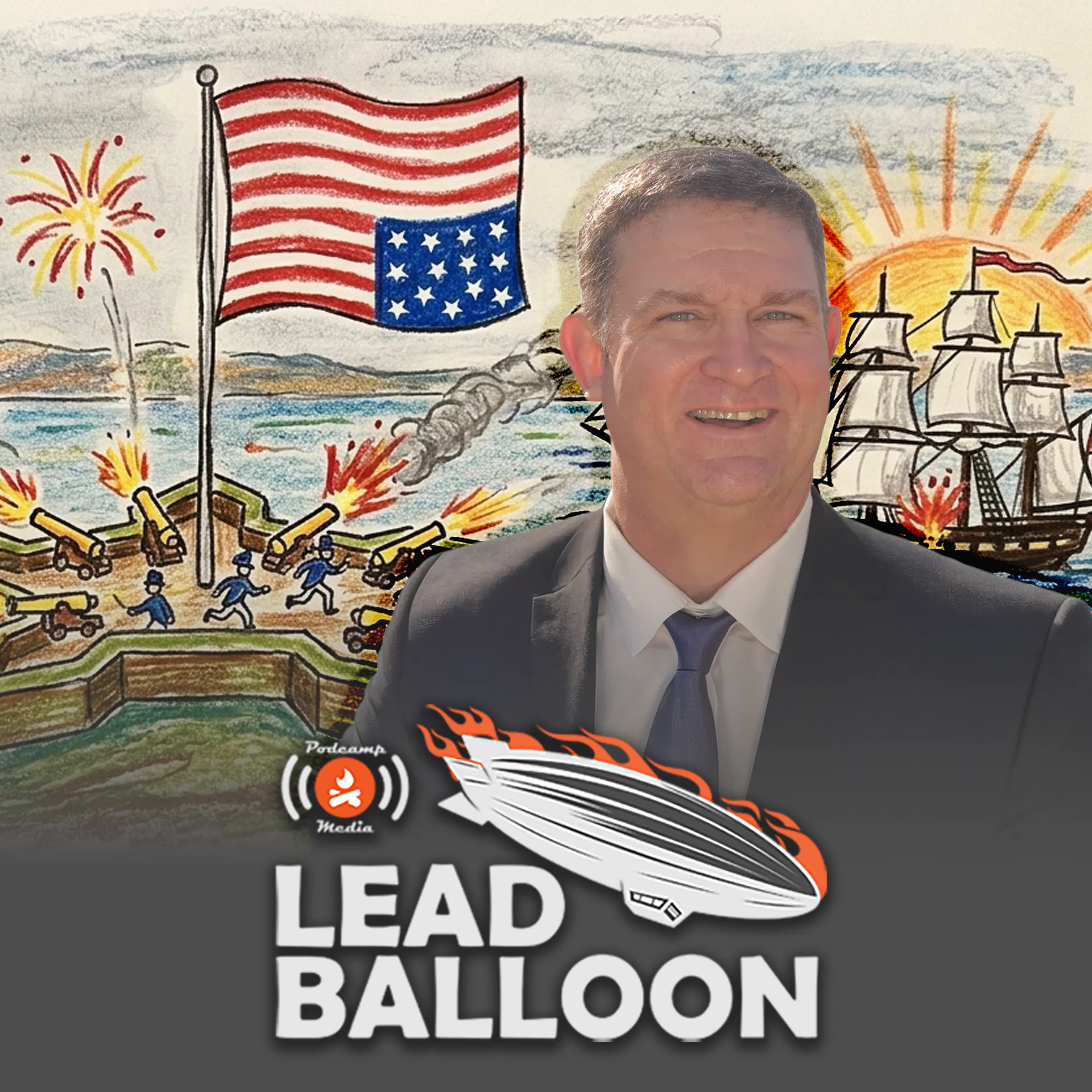
Every nation on the planet is its own brand. And love of country plays a part in each one. But here in the U.S., the very notion of patriotism has been polarized. Culture warriors have attempted to unilaterally define what it means to be American, and they paint anyone who disagrees as unpatriotic. So how did one extremist ideology corner the market on branding American patriotism? Why is it imperative for regular Americans to reclaim the American brand? And why is the so-called “opposition” SO BAD at branding and messaging? A respected public relations leader, government PR trainer and service member Dr. Joe Trahan joins us to discuss. Dr. Joe is the founder of Trahan and Associates, a recognized leader in media relations and crisis communications for more than 23 years. He's a former member of the PRSA national board. Earlier in his career, he achieved the rank of Lt. Colonel in the US Army Reserve, and commanded the 314th Public Affairs Operations Center. And as an instructor, he has taught media relations to thousands of pupils in 46 U.S. states, 5 NATO allies, Mexico and Paraguay, in addition to teaching PIO courses at FEMA for more than 20 years. Together, we'll honor 250 years of American exceptionalism by doubling down on the principles that actually made this country great: service, civil discourse, and compromise. Learn more about your ad choices. Visit megaphone.fm/adchoices
70. How to Go Viral and Not Screw Up Your Kid's Life, with the Original "Hysterical Bubbles" Laughing Baby (All Grown Up)
Jun 30, 202639 minS1
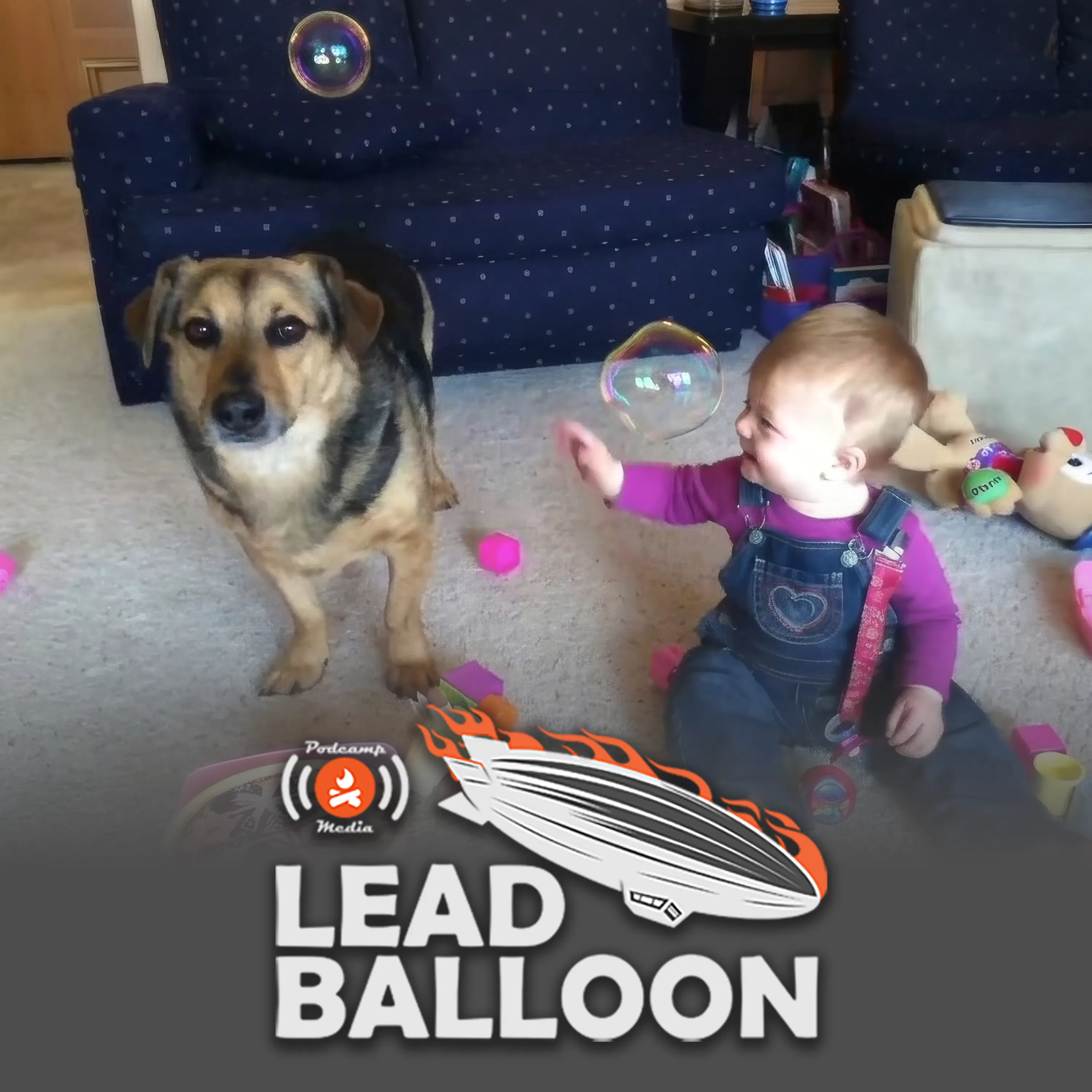
The annals of internet history are littered with cautionary tales from young people who became internet famous. From “Star Wars Kid” (Ghyslain Raza) to “Overly Attached Girlfriend” (Laina Morris), many viral stars of the early internet did not intend to become memes. And the unintended attention and even bullying that accompany online celebrity can have a profound—even damaging—impact on a kid’s life. Yet surveys indicate that many young people still aspire to become internet famous. So is there a way to achieve viral notoriety without screwing up your kid’s life? We’ll talk to the internet’s favorite laughing baby, whose infectious giggle owned the world wide web in 2011 after her mom posted a video of the family dog popping bubbles. The video ( https://www.youtube.com/watch?v=gnagemulucw ) was seen by tens of millions of people, featured on national television, and yielded significant ad and licensing revenue. 15 years later, little Molly is almost all grown up, and living the happy, normal life of an average teenager, thanks to parents who set the virtual boundaries that allowed that to happen. And Molly (and her parents) have lessons to share from which we all can learn—whether or not we aspire to be the internet’s next viral star. Learn more about your ad choices. Visit megaphone.fm/adchoices
How the Snapple Brand Won Our Hearts in the 90s, Then Lost Them
May 28, 202647 minS1
<p>The strategy at the heart of the Snapple brand's precipitous rise... and its cataclysmic fall... is simple.</p>
<p>"Embrace your roots. Celebrate authenticity."</p>
<p>It's a lesson that's been served up again and again in the brands and marketing ecosystem. But it never seems to sink in.</p>
<p>So in this episode, we'll pop the top on a Snapple double feature.</p>
<p>First, Jane Cavalier tells us about pitching Snapple's iconic slogan, "Made From the Best Stuff on Earth," and watching it flop with the company's original owners.</p>
<p>And then, Richard Kirshenbaum outlines...
Every question we get asked before someone starts their trial.
If you have a concern about deliverability, AI quality, data privacy, or whether this will actually work for your specific situation, it's probably answered below.
What is the difference between Founder Solo and Founder Pro?
Founder Solo gives you 50 AI pitches per month using the credit model (Standard pitches cost 1 credit, Enriched pitches cost 2). Founder Pro raises that to 200 credits per month and adds full Booking Probability access, unlimited Magic Match, Apollo enrichment credits, and data export capabilities. Both plans use the same credit system, so you can stretch your monthly budget further by using Standard-mode drafting.
How do agency tiers work?
Agency tiers have no base fee. You pay per managed client and per talent profile. Agency Standard is $199 per client per month; Agency Pro is $399 per client per month. Both add $39 per talent profile per month. Your own team's user seats are always free.
What is a talent profile?
A talent profile represents one person (founder, executive, or spokesperson) you are booking onto podcasts. It includes their bio, topics, headshots, and outreach history. Team plans include 5 profiles; agency plans are pay-as-you-go.
Can I switch plans later?
Yes, at any time. Upgrades take effect immediately; downgrades apply at the end of the current billing period. Contact support if you need help migrating between plan families.
Do you offer a free trial?
Every paid plan includes a 15-day free trial. Your card is saved at signup but you will not be charged until day 16. Cancel any time from your dashboard.
What happens if I cancel?
You keep access until the end of your current billing period. No charges after that. Your data is retained for 30 days in case you reactivate.
Is the 20% annual discount automatic?
Yes. Select Annual on the pricing toggle and the discounted price is applied automatically at checkout. The annual price shown is the full year cost.
What if I have more than 50 profiles or 20 clients?
That is our Enterprise tier. Contact our sales team and we will build a custom plan with volume pricing, a dedicated account manager, and SLA guarantees.