Episode #36
Ep 36 | Common causes of nerve damage with Dr. Anthony Zampino
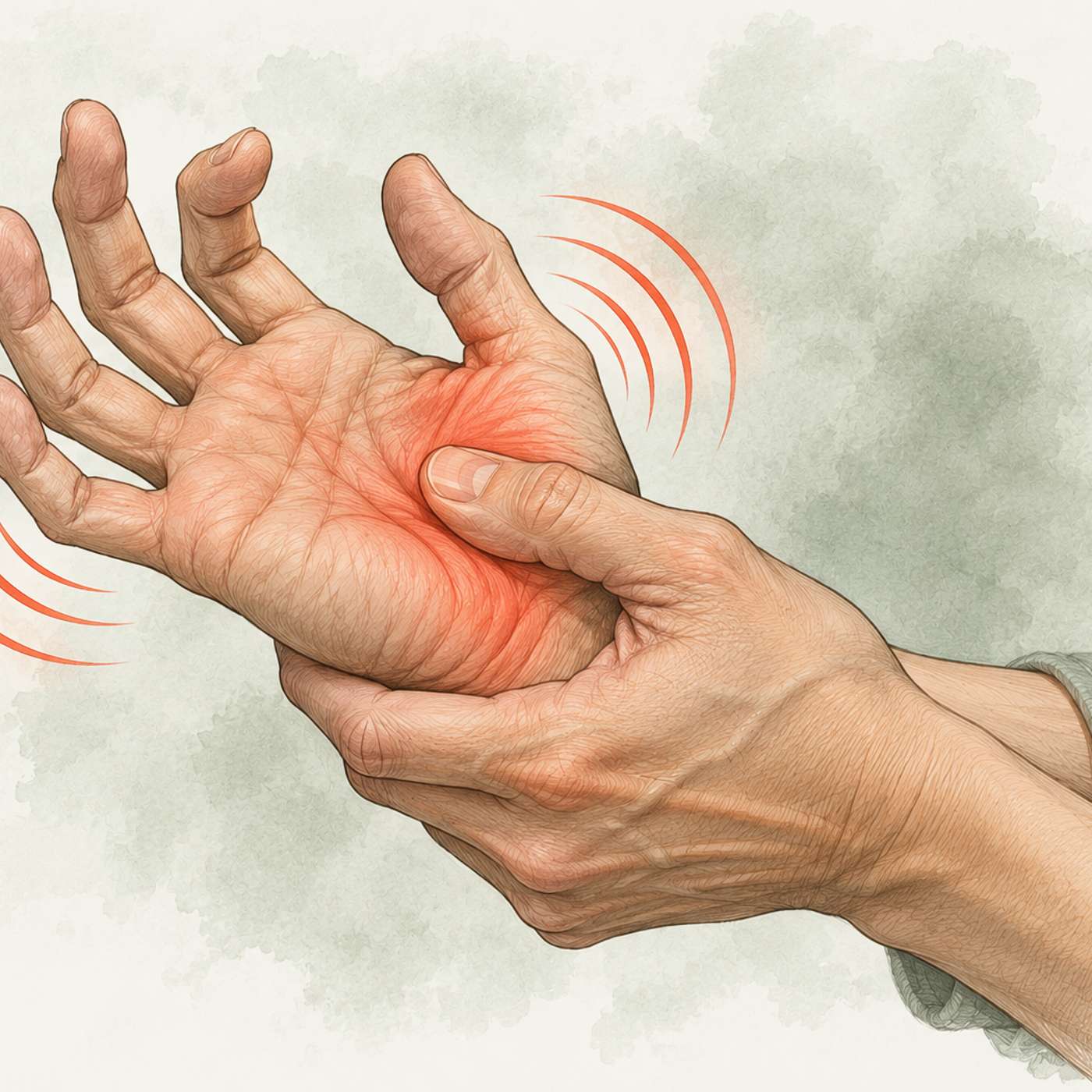
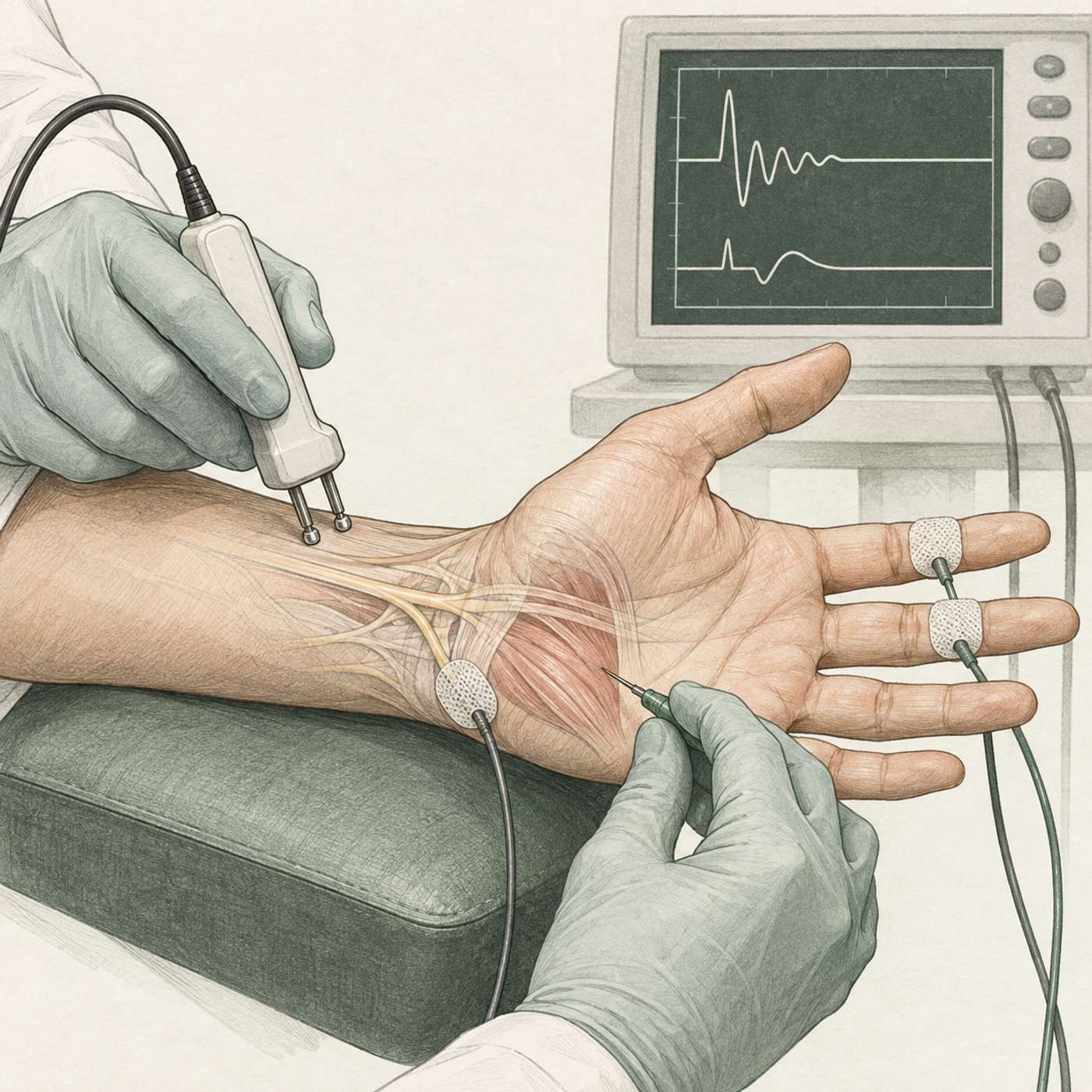
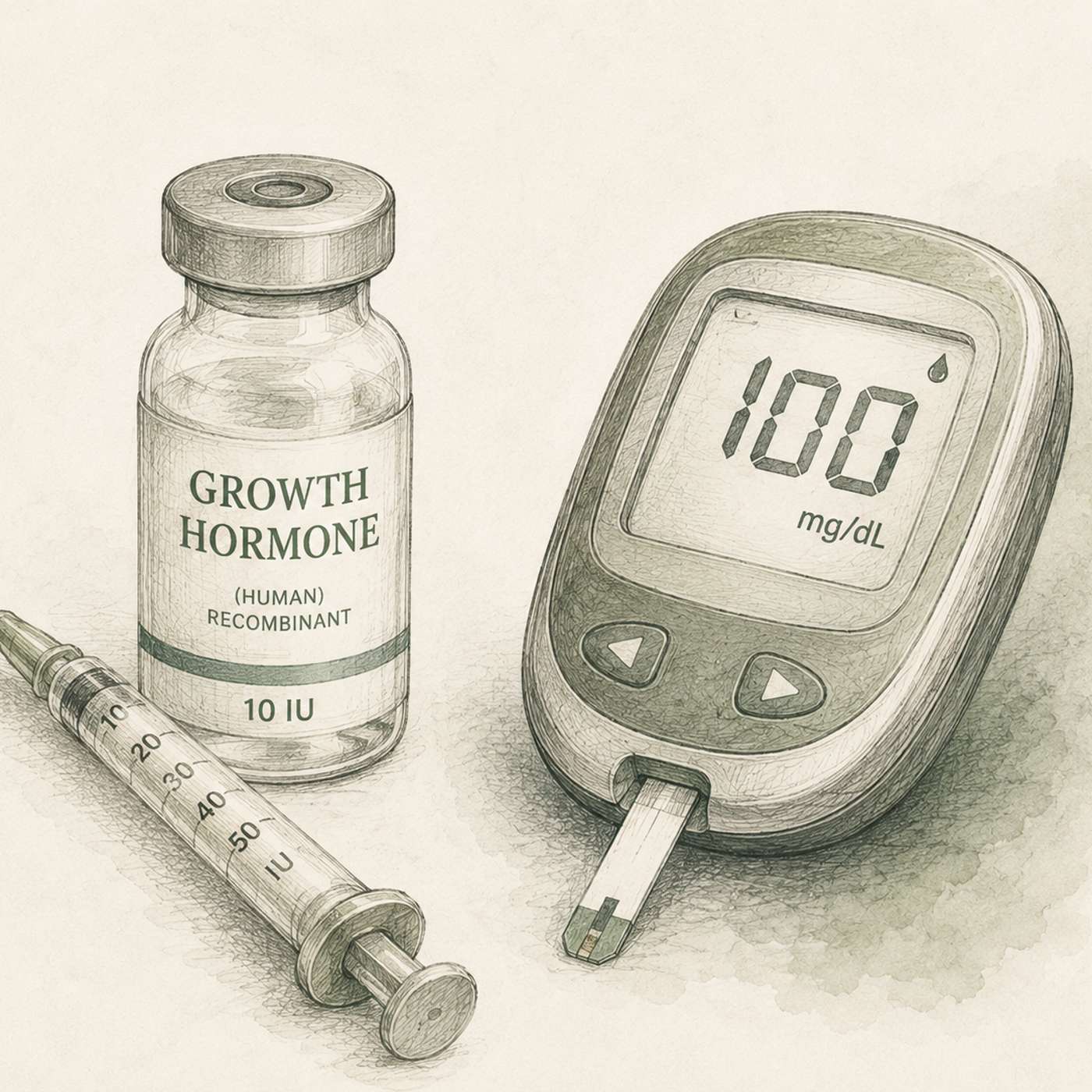
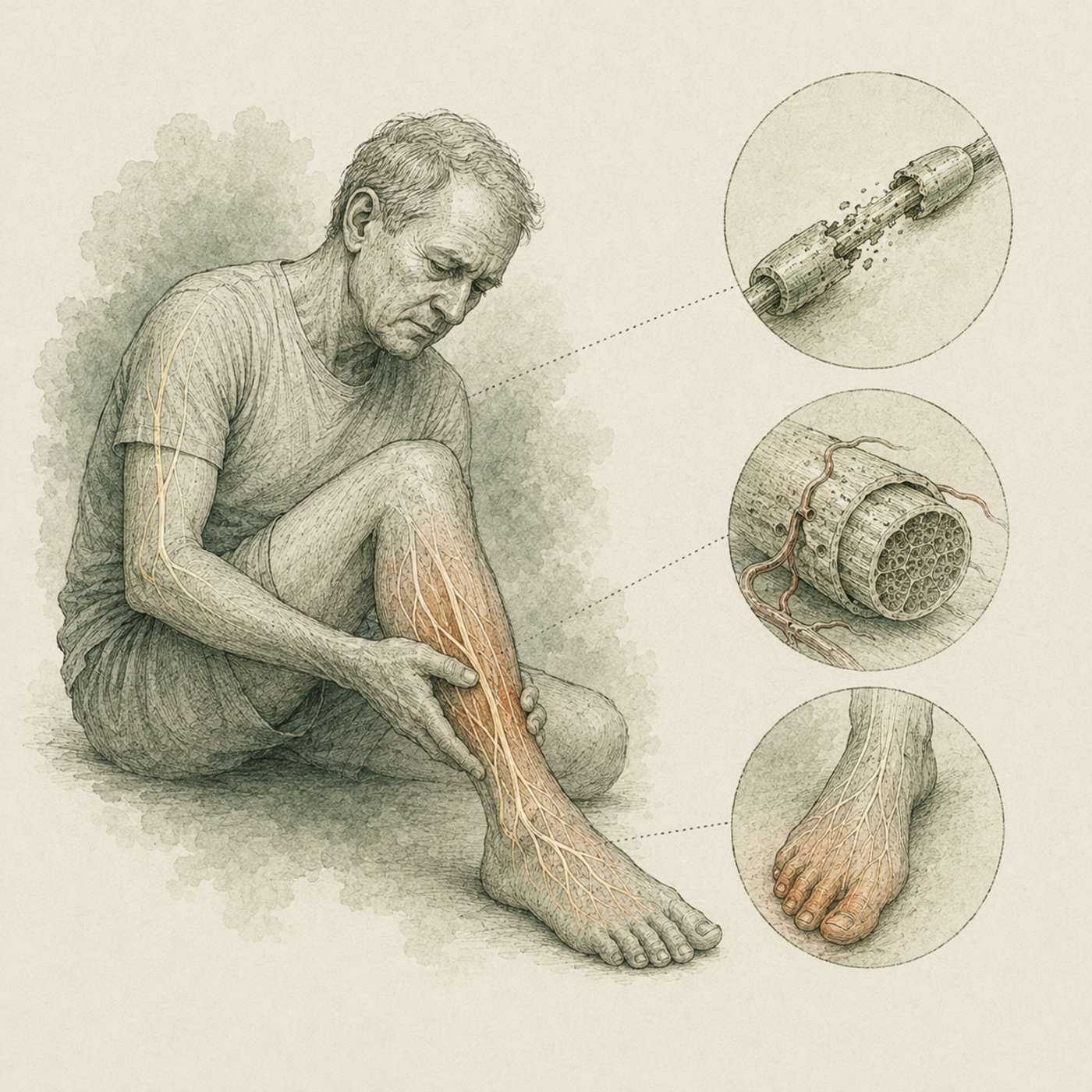
Dr. Anthony Zampino is a neurologist specializing in nerves and muscles. He explains which nerve problems are preventable, including those caused by diabetes, alcohol, vitamin deficiencies and over-supplementation, and which symptoms are worth taking seriously. Worth a listen if you take supplements or have wondered whether a recurring symptom needs a doctor. Where to find our guests: https://www.uhhospitals.org/doctors/Zampino-Anthony-1427518505 Where to find us: Website | https://vitaveda.health Youtube | https://www.youtube.com/@vitavedahealth Twitter / X | https://x.com/drprilongevity Newsletter | https://substack.com/@vitavedahealth Instagram | https://www.instagram.com/drprilongevity/ Timestamps 00:00 - Introduction and field overview 03:25 - How EMG and nerve testing works 07:49 - Electrical and magnetic therapies 10:37 - The leading cause of nerve damage - diabetes 15:31 - Alcohol nerve damage 22:52 - Vitamin B12 deficiency 31:11 - Vitamin B6 toxicity 39:47 - Malabsorption, surgery and GLP-1s 42:56 - Copper deficiency and excess zinc 46:06 - Carpal tunnel and prevention 52:34 - ALS 1:00:27 - Multiple sclerosis and myasthenia gravis 1:10:21 - Twitching, cramps and stress Diabetic peripheral neuropathy (10:37) What - Metabolic injury to the nerve endings, the farthest ends of the nerve degrade first. Who - Anyone with diabetes. The single most common cause of peripheral neuropathy in the US, and common within the diabetic population. Diabetics are also more prone to carpal tunnel and pinched nerves. Signs / symptoms - Numbness or tingling in the feet, slowly crawling up the legs and sometimes into the hands. Pain, sensory loss, balance problems, falls. In younger or earlier-stage patients the first sign is often autonomic instead: erectile dysfunction, lightheadedness on standing, or nausea and abdominal pain after eating from gastroparesis. Red flags - Dragging the feet, trouble lifting the legs, hand weakness. That is not typical diabetic neuropathy and points to a second problem. How it's diagnosed - People who have uncontrolled diabetes with signs / symptoms of nerve damage are suspected to have this. EMG/nerve conduction testing where the picture doesn't fit. How it's treated - Blood sugar control. Which medication best treats the neuropathy itself, GLP-1 or otherwise, is still an open question in the literature. Reversibility - Progression can be halted; existing damage often permanent. Some patients who truly reverse their metabolic health see the neuropathy improve, but many are left with residual deficit. What you can do about it - Manage blood sugar through diet and exercise. Expert notes - Two people with the same blood sugar can have completely different degrees of neuropathy. Susceptibility is genetic and metabolic, so "my numbers aren't that bad" is not reassurance. EMG and nerve conduction studies (03:25) What - Two tests run together. Nerve conduction studies use sticker electrodes and a stimulator to send an artificial signal down the nerve and measure how it travels. Electromyography places a fine needle into the muscle and records the muscle's own electrical activity while the patient moves it. Nothing is ever inserted into the nerve itself, which is actively avoided. Who - Anyone with a suspected nerve or muscle problem, from carpal tunnel to muscular dystrophy. What it shows - Where a signal is blocked, whether nerve fibers are lost or slowed, and whether there is muscle inflammation. Expert notes - This is the field's main diagnostic tool and it is interpretive work, reading voltages against the clinical picture rather than getting back a single number. Electrical and magnetic therapies (08:09) What - Devices that use electricity or magnetism to work around a damaged nerve. TENS units stimulate through the skin, physical therapists use the same principle to get a muscle to contract, spinal stimulators are implanted to change electrical activity in the spinal cord, and neural interface devices connect a nerve to a computer so a paralyzed patient can control a limb. Who - People with nerve pain that has not responded to other treatment, and patients in rehabilitation where the nerve-to-muscle signal is impaired. Expert notes - These work around the nerve's normal function rather than repairing it, so they offer real symptom relief but do not change the underlying disease. Neural interfaces are still at the research edge. Diabetic peripheral neuropathy (10:37) What - Metabolic injury to the nerve endings, the farthest ends of the nerve degrade first. Who - Anyone with diabetes. The single most common cause of peripheral neuropathy in the US, and common within the diabetic population. Diabetics are also more prone to carpal tunnel and pinched nerves. Signs / symptoms - Numbness or tingling in the feet, slowly crawling up the legs and sometimes into the hands. Pain, sensory loss, balance problems, falls. In younger or earlier-stage patients the first sign is often autonomic instead: erectile dysfunction, lightheadedness on standing, or nausea and abdominal pain after eating from gastroparesis. Red flags - Dragging the feet, trouble lifting the legs, hand weakness. That is not typical diabetic neuropathy and points to a second problem. How it's diagnosed - People who have uncontrolled diabetes with signs / symptoms of nerve damage are suspected to have this. EMG/nerve conduction testing where the picture doesn't fit. How it's treated - Blood sugar control. Which medication best treats the neuropathy itself, GLP-1 or otherwise, is still an open question in the literature. Reversibility - Progression can be halted; existing damage often permanent. Some patients who truly reverse their metabolic health see the neuropathy improve, but many are left with residual deficit. What you can do about it - Manage blood sugar through diet and exercise. Expert notes - Two people with the same blood sugar can have completely different degrees of neuropathy. Susceptibility is genetic and metabolic, so "my numbers aren't that bad" is not reassurance. Alcohol-related neuropathy (15:31) What - Toxic and metabolic injury to the nerve endings from alcohol. Who - Heavy drinkers. It often coexists with diabetes, and when both are present you usually cannot tell which one is doing the dama...