
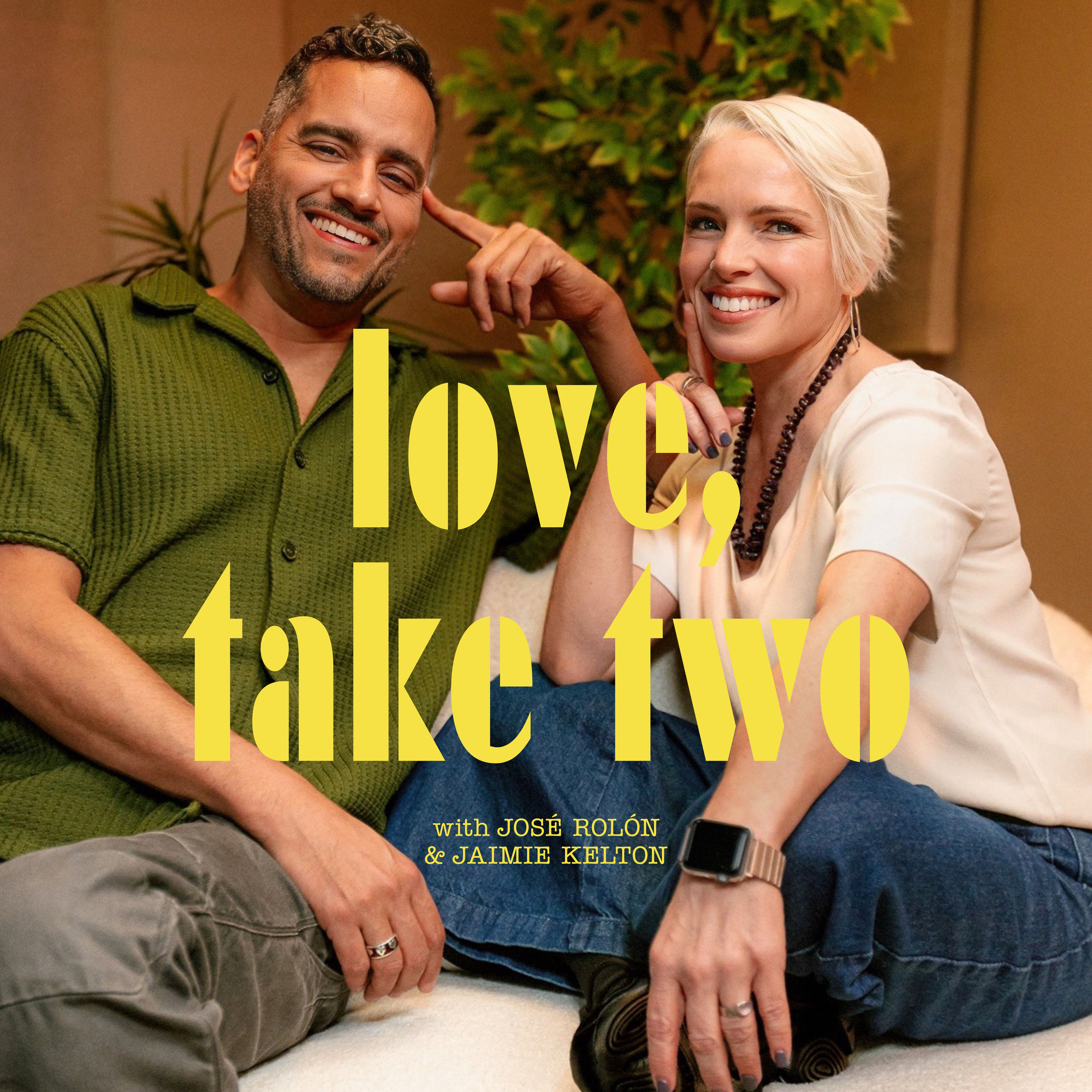
Love, Take Two
Margaret Cho on Struggling, Sexual Assault in the Seventies and Sobriety
Most people think reinvention means becoming someone new. Margaret Cho found hers by finally becoming fully herself. In this episode of Love, Take Two, hosted by José Rolón and Jaimie Kelton, Margaret takes listeners through the version of her story that rarely makes the highlight reel: leaving high school before finishing, chasing comedy and independence on her own terms, and landing a role that made television history as the star of the first Asian American sitcom, only to watch the network try to reshape her body, her identity, and everything that made her Margaret in the first place. She talks candidly about what that pressure did to her, the eating disorder it left behind, and the years of addiction, anxiety, and depression that followed as she tried to survive fame without a roadmap for how to do it. Margaret gets into what actually changed. Not a single dramatic turning point, but a decision to get sober, one she has now sustained for ten years, and the community and clarity that decision gave her back. She also opens up about her father, a Korean immigrant who felt invisible in 1960s San Francisco until he found the city's gay community and eventually opened a gay bookstore of his own, and about growing up as one of the only visible queer voices on television during the height of the AIDS crisis, a fact that becomes deeply personal in this conversation as José shares his own memory of watching her on TV as a teenager while his family navigated losing his father to AIDS in silence. Margaret also speaks directly about her advocacy for the trans community today, why she has no interest in softening that stance, and what it means to reclaim a label being used as an insult. This is a conversation about reclamation, resilience, and what happens when a decade of sobriety finally lets someone come home to themselves. Key Takeaways How network television tried to reshape Margaret during All-American Girl , and the toll that took on her body and identity What a decade of sobriety has given her that fame and success never could The story of her father's gay bookstore in 1960s San Francisco, and what it meant for him to finally be seen José's personal reflection on watching Margaret on television as a teenager while his family hid his father's AIDS diagnosis Why Margaret refuses to back down from being called a "radical trans activist," and what she believes comedy's role is in the fight ahead If this episode resonated, send it to someone who needs a reminder that surviving your past and thriving in your present are not the same thing, and that the second one is always still possible. Come hang out with us on social.
