Marketing and Strategy Unlocked
Tequila: When Culture Travels
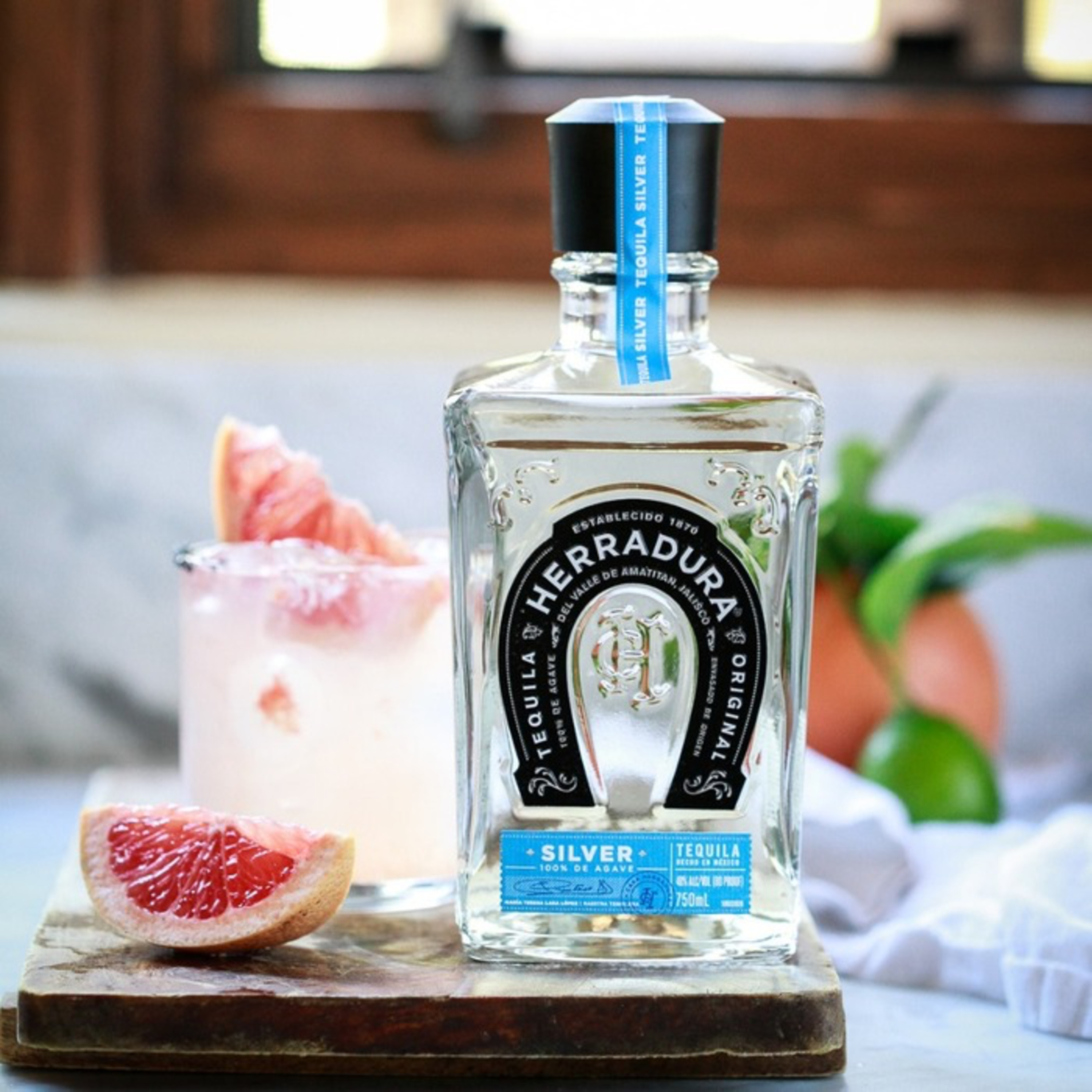
Tequila has travelled a long way. From a distinctly Mexican product to a globally recognized category — with tequila volumes growing strongly internationally over the past decade. But here’s what makes its growth strategically interesting: Tequila didn't become global by becoming less Mexican. It became global by making Mexican culture desirable to people who don't live in Mexico . That is a very different growth strategy. Think about what happened: Tequila moved from the stereotypical party shot... ...to premium sipping. From margaritas... ...to sophisticated cocktails. From a product associated primarily with Mexico... ...to a lifestyle signal appearing in bars, restaurants and celebrations around the world. The product travelled. But the cultural codes travelled with it. And this creates an important strategic distinction: Globalization doesn't always mean standardization. Sometimes the opportunity is to take something highly distinctive from one culture and make it relevant somewhere else — without stripping away what makes it distinctive in the first place. That's harder than it sounds. Too much adaptation → you lose the identity. Too little adaptation → the product remains culturally distant. The sweet spot is translation . Take something culturally specific... …and make its meaning universally attractive. That's what many global brands struggle to achieve. They export the product. But they don't export the meaning . The strategic principle: The Cultural Translation Advantage Global brands don't necessarily win by becoming culturally neutral. They can win by making their own culture interesting, desirable and usable in someone else's life. And that's a very different way of thinking about international expansion. Question: Is your organization trying to make its brand global ... or simply making it less local ? I work with executive teams on global strategy, brand positioning and international growth — helping organizations translate what makes them distinctive into new markets. If you'd like to explore these ideas in a workshop or executive session, let's talk. #Tequila #GlobalStrategy #BrandStrategy #InternationalExpansion #CulturalStrategy #MarketingStrategy #ExecutiveEducation