Episode #66
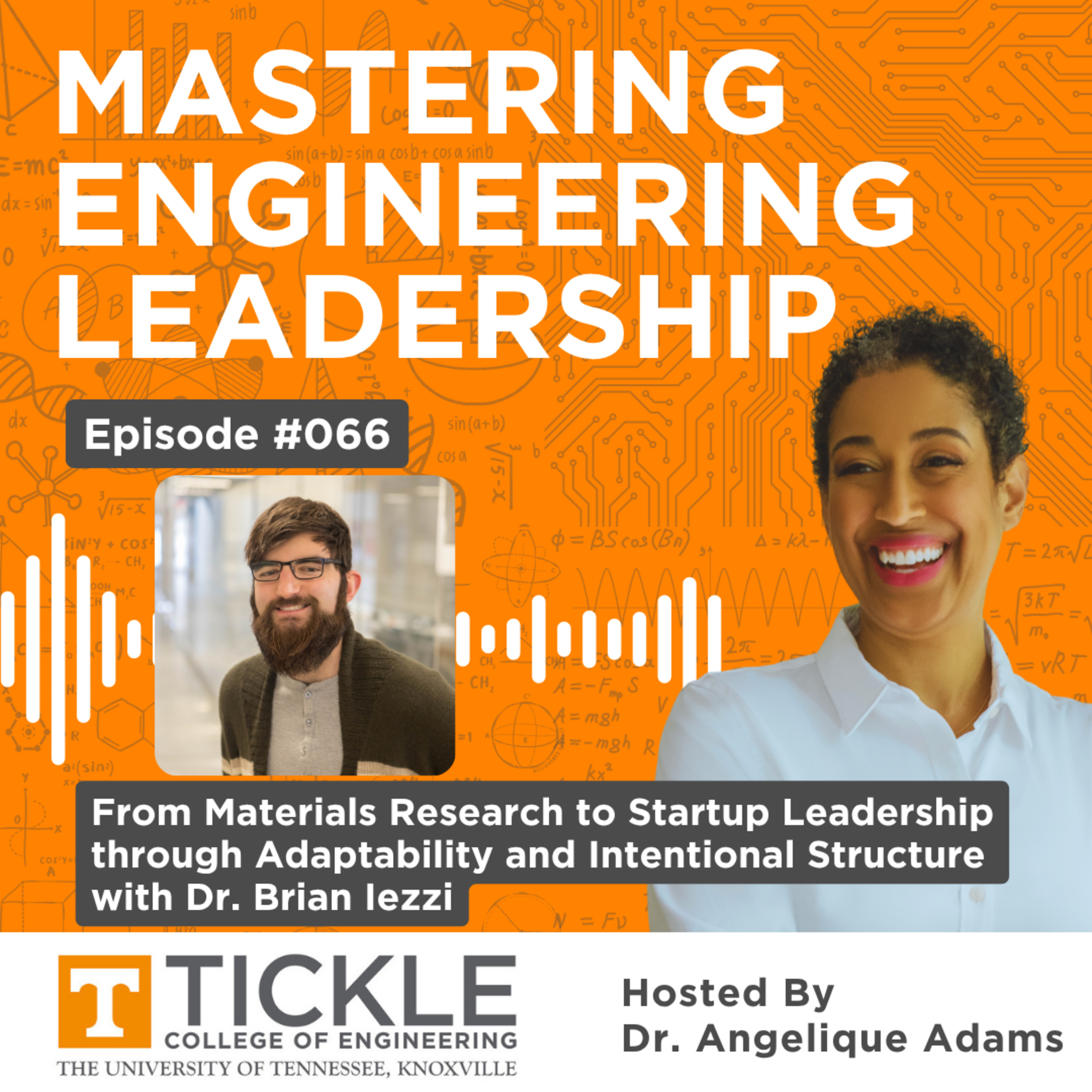
MEL #066 | From Materials Research to Startup Leadership through Adaptability and Intentional Structure with Dr. Brian Iezzi
In this episode, I speak with Dr. Brian Iezzi, founder and CEO of Fibarcode, a company that provides permanent textile labels for trust, traceability, and sustainable life cycle management. Brian's path into engineering started with curiosity exposure and a series of people who helped him see what engineering could make possible. His father introduced him to engineering ideas early, but chemistry, research, and an energy audit project in high school helped the field click for him. That path eventually led him to textile engineering at NC State and then to graduate school. After a mentor at WL Gore recognized his curiosity for research and encouraged him to pursue a PhD, Brian carried that curiosity into entrepreneurship. Experiences with a hard tech startup and a student venture capital fund gave him exposure to both developing and evaluating new technologies. In our leadership segment, Brian talks about how he discovered that leading a team required more intentional structure than he naturally preferred. He has a high tolerance for ambiguity, but he learned that not everyone works best that way. One-on-one meetings became an important leadership tool, creating space for team members to surface challenges, exchange feedback, and clarify expectations. Brian also learned that adapting to his team did not mean he had to personally design every process. Instead, he could give team members the tools and authority to help create the structure they needed. It allowed him to respond to different working styles without trying to become a fundamentally different kind of leader. Finally, in our advice and resources segment, Brian connects his approach to leadership with the continuous improvement mindset he saw through his father's work in lean manufacturing. Putting a system in place does not mean the work is finished. Leaders need to keep asking what is working, what is not, and how they can make it better. For engineers who want to build leadership skills, Brian recommends looking beyond formal coursework for opportunities to work with others, take initiative, and build something without a clear playbook. He also reminds us that leadership experience is not just about being the person in charge. Being able to explain how you contributed to a team and helped it succeed can be just as valuable. Explore the full episode summary, including guest bio, key takeaways, transcript, and recommended resources in the shownotes at www.drangeliqueadams.com/podcast