
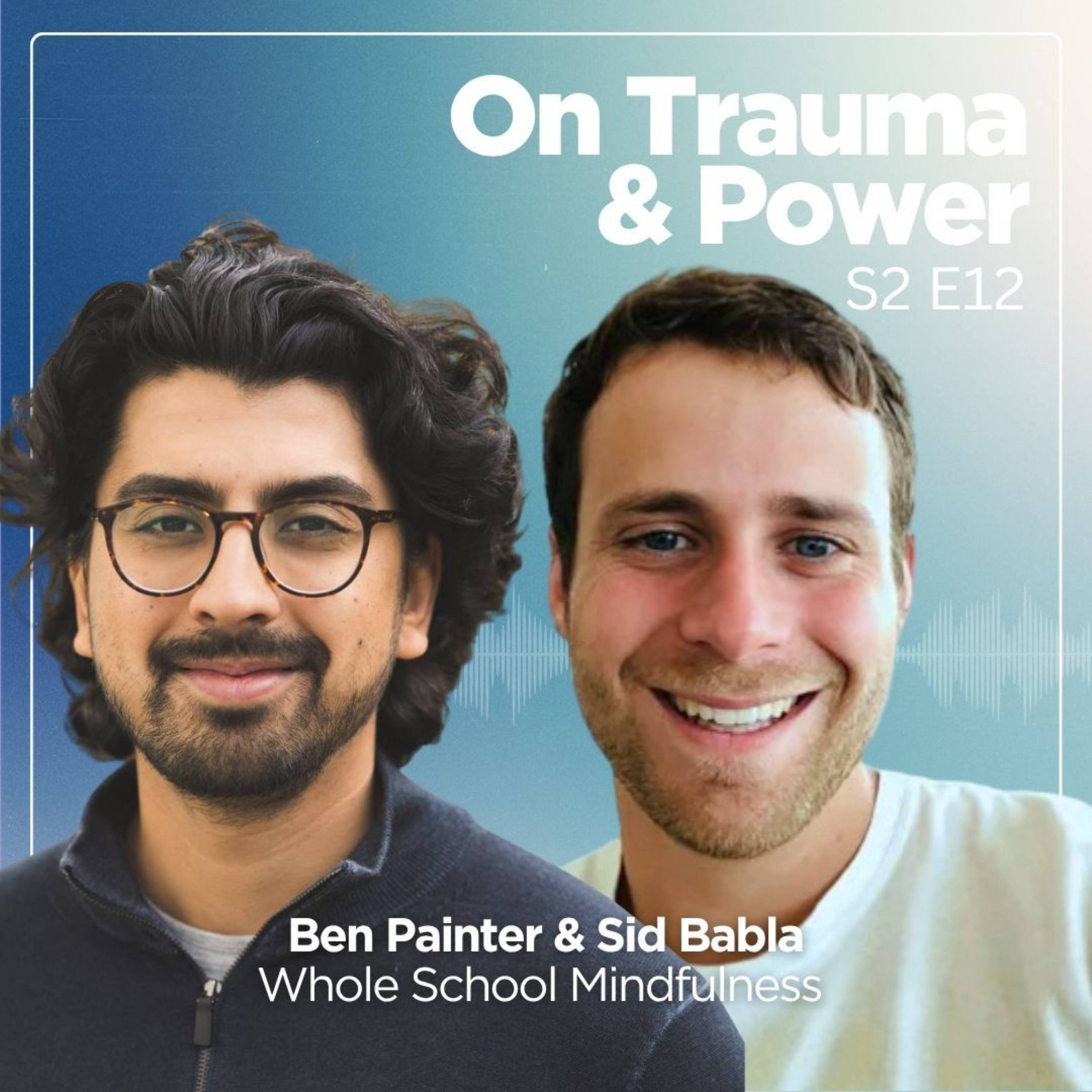
Hosted by CFTE Co-Director Jenn Turner, LMHC, On Trauma and Power explores the profound relationship of trauma and healing through the lens of embodied practices and the complex dynamics of power. Featuring survivors, experts, educators, authors, and practitioners of varying disciplines, this podcast dives into how trauma and power intersect in diverse ways in our lives. Join us for trauma-informed conversations that inspire, educate, and empower.
Pitch Analysis
Required Pod Score for this show. PitchCentric checks your profile against host openness, topical fit, and audience signals before you generate a pitch.
Contact path
Verified email
Booking probability
18%
Guest openness
Selective
Verified email on file
80/100
Required Score
Sign up to generate a grounded pitch for On Trauma and Power with Jenn Turner, LMHC.
What is On Trauma and Power with Jenn Turner, LMHC?
On Trauma and Power with Jenn Turner, LMHC is a health podcast hosted by Center for Trauma and Embodiment, with 11 episodes on record and a Required Pod Score of 80. PitchCentric scores this show on Booking Probability, Listen Score, and live audience signals refreshed every 24 hours.
About the host
Center for Trauma and Embodiment hosts On Trauma and Power with Jenn Turner, LMHC, a health show with 11 episodes published.
Our AI reads these to draft pitches. Use them as grounding for a pitch that cites a real guest and a specific topic.
On Trauma and Power with Jenn Turner, LMHC
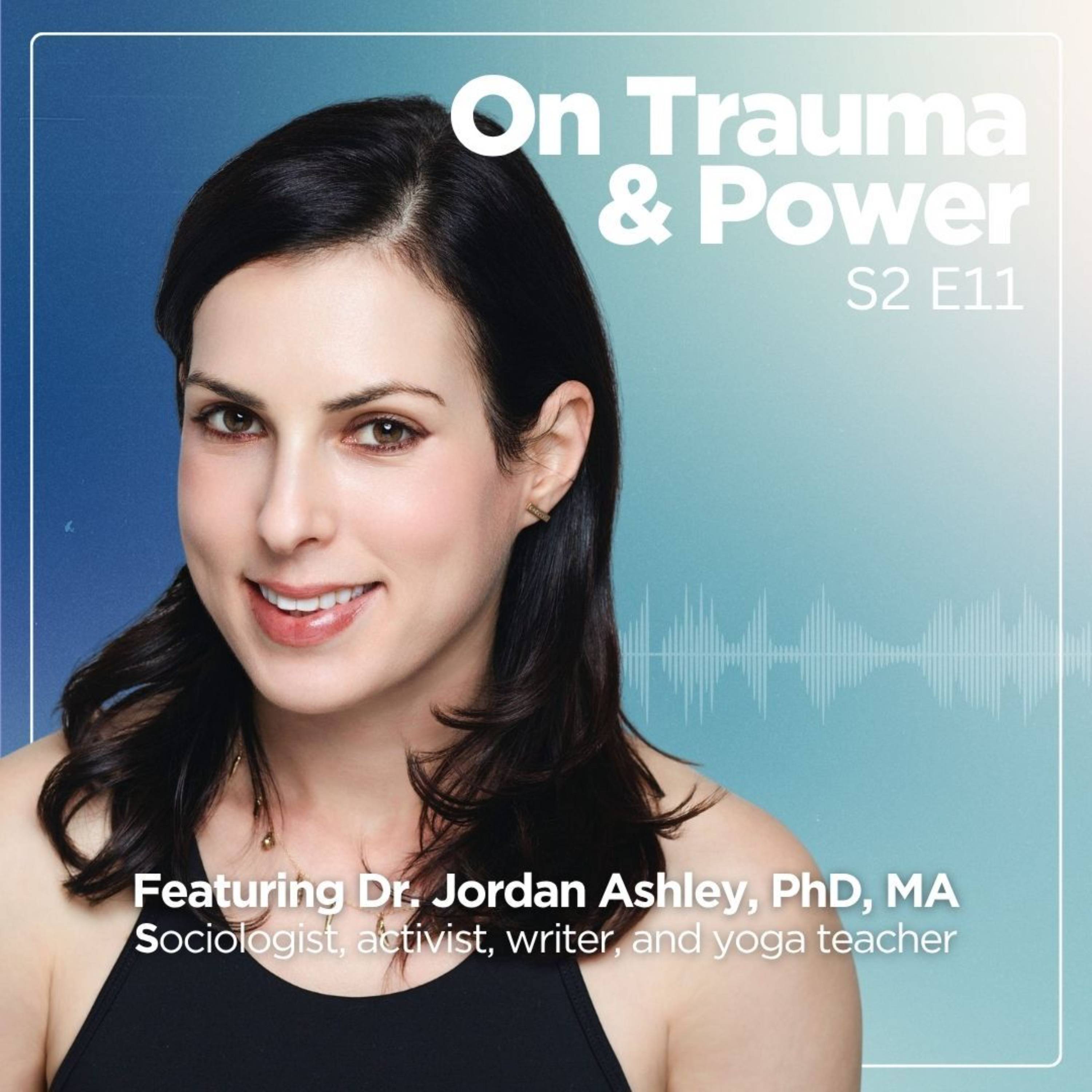
Grief is Not Something You Get Over | Featuring Edy Nathan, MA, LCSW, CSAT-S
Aug 11, 202650 minS2
Edy Nathan is a licensed psychotherapist, AASECT certified sex therapist, and internationally recognized expert on grief, trauma, and sexual healing. She's spent more than 25 years in private practice in New York City, and she's been thinking about grief — really thinking about it — since childhood, when she couldn't understand why she wasn't supposed to bury the goldfish. In this conversation with Jenn Turner, Edy opens with a practice she calls embodied curiosity: a few minutes of soft attention to the breath, a swallow, and the warmth of hands placed on the neck or shoulders — an invitation to be with yourself rather than to calm yourself down. From there, she and Jenn move through Edy's definition of grief (not just the loss of a loved one, but anything we're hungry for that can't be sated), her eleven phases of grief, why she replaced the word "closure" with "grace," and what the Timex watch she still carries tells her about integration. They talk about the hero's journey of grief, the role of emotional armor, the cardinal/mutable/fixed personality framework from her book It's Grief, and the people who've had to perform sadness when what they actually felt was relief. Jenn shares her own experience losing her father — the grief of letting go of hope, and the unexpected liberation that came after. Edy names it: the dance of differentiation. Holding on to yourself without needing the other person to change. This is part one of what became a two-part conversation. Available on YouTube, Spotify, and Apple Podcasts.
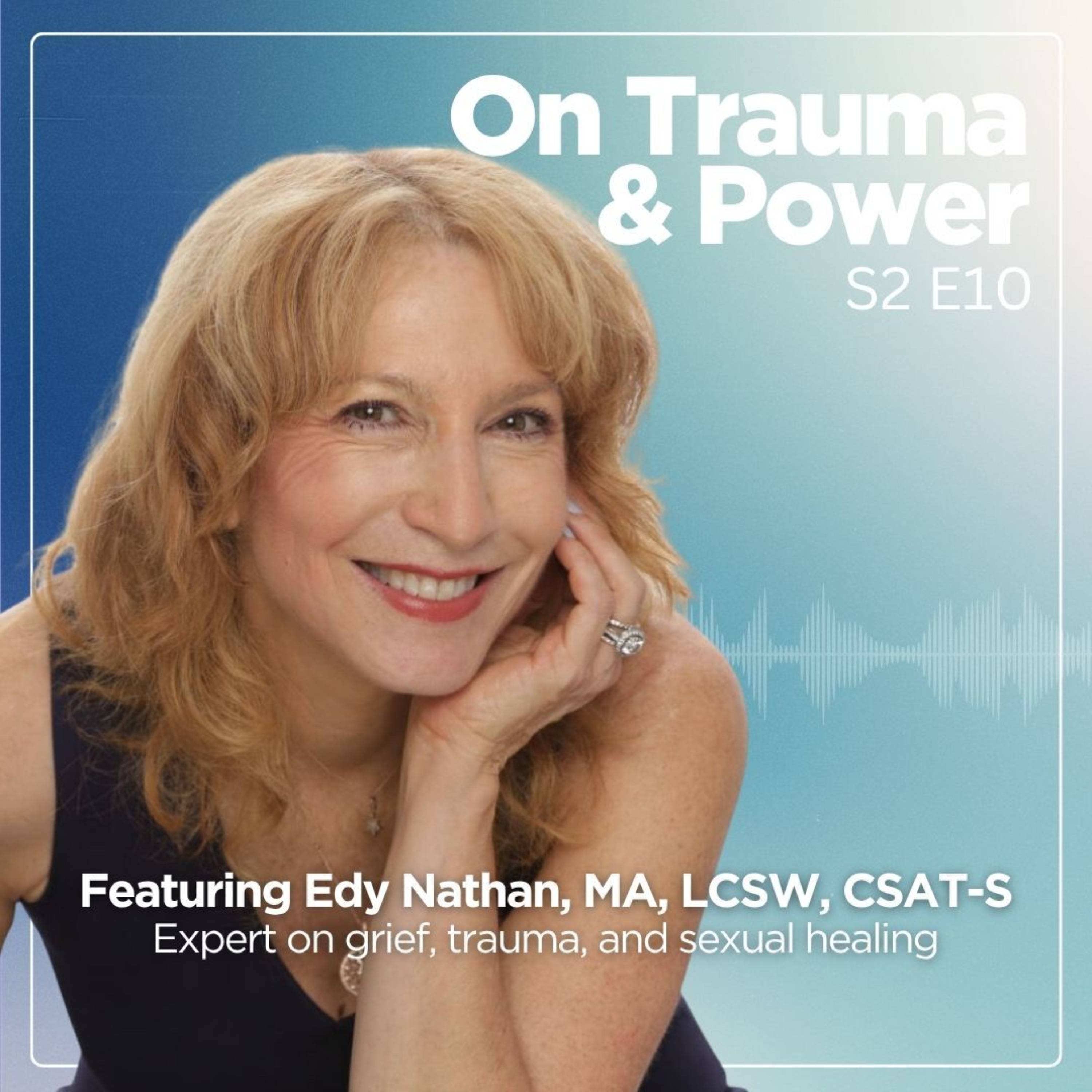
The Nervous System in the Timeout | Featuring Martin Ali Simms CPT, PES, CES
Jul 28, 202656 minS2
Martin Ali Simms has spent his career asking a question most sports coaches never think to ask: what is the nervous system doing during a 60-second timeout? His answer to that question — worked out over years of practice with athletes, coaches, and kids from kindergarten to college — is the foundation of the Dope Coach Academy and everything he brings to this conversation. Martin joins Jenn Turner to talk about what it looks like to weave nervous system regulation into the fabric of sports, from warm-ups and workout sets to the charged seconds between a whistle and returning to the floor. He opens the episode with a live demonstration of burst breathing and an arm rotation assessment that shows, in about 15 seconds, how quickly the nervous system responds to a regulatory tool. Then the conversation goes deeper: into the neurosequential model, the corrective exercise parallels that first drew Martin to it, and what it took to translate all of it for a kindergartner using call and response chants and the smell-the-flower cue for breathing. Martin also shares the story that quietly shaped his entire career: watching his 33-year-old neighbor die of a heart attack on the basketball court when Martin was 14. He didn't speak about it for 15 years. By the time he started telling it, he'd already built a career trying to keep people out of that moment without knowing that's what he was doing. Available on YouTube, Spotify, and Apple Podcasts.
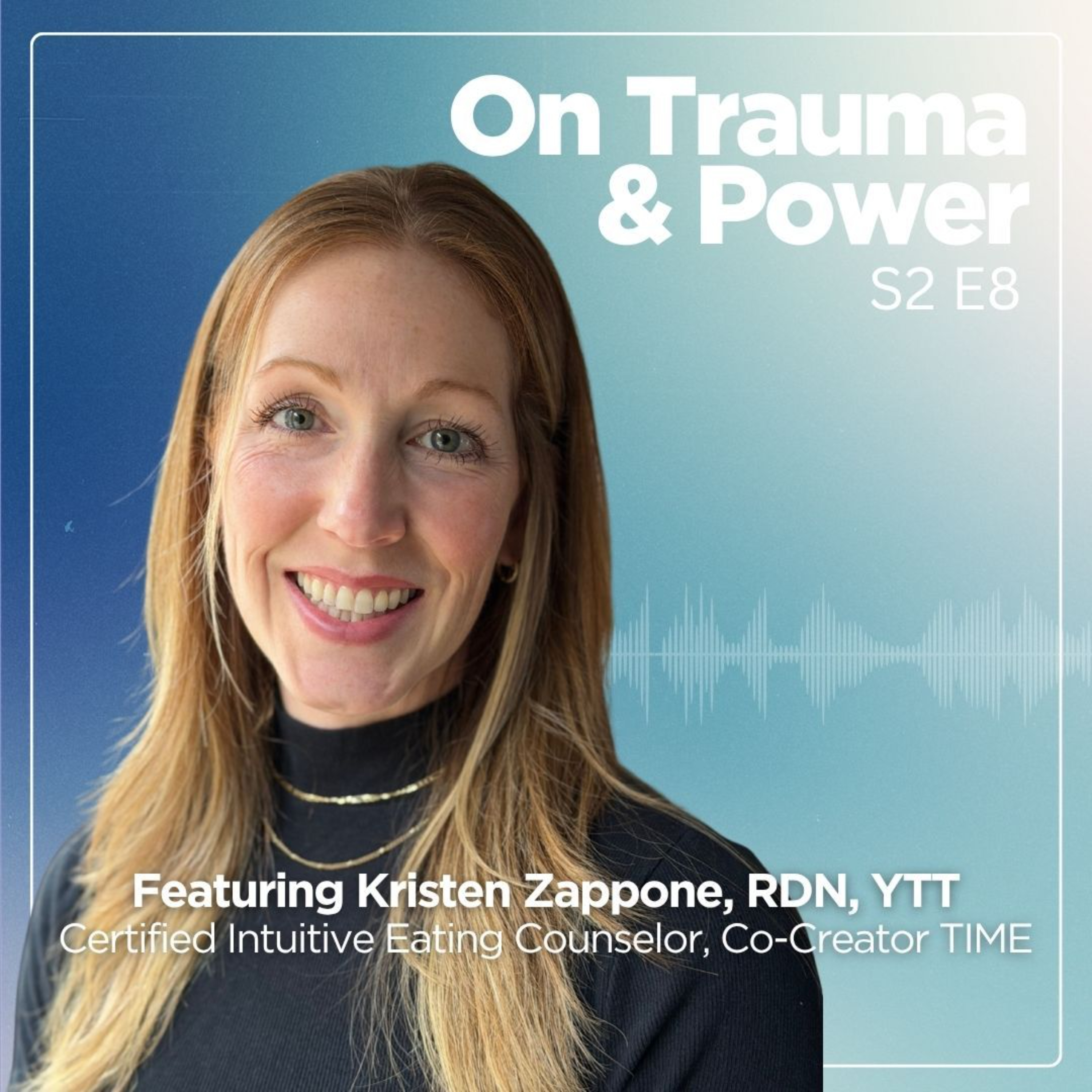
When Food is How You Survived | Featuring Kristen Zappone, RDN
Jul 7, 202654 minS2
Kristin Zappone is a registered dietitian nutritionist and co-creator of Trauma-Informed Mindful Eating (TIME), a 20-hour skills-based program developed through CFTE. She joins Jenn Turner for a conversation about what it actually looks like to rebuild a relationship with food when diet culture has been functioning as a form of chronic trauma for most of your life. Kristin starts the episode with a grounding practice — pressure through the feet, movement between heel and ball, no agenda. From there, she and Jenn move into the nine principles of TIME, including interoception, allowing food, building endurance and tolerance, and grief. The conversation is specific in ways that a lot of discussions about food and body image are not: what food scarcity actually looks like (including when there is technically food in the house but you are not allowed to eat it), what it means to work with a client whose goal is still to lose weight, and why Kristin doesn't view food-as-coping as a problem to be eliminated. They also talk about the systemic dimension of all of this — how diet culture embeds itself in family relationships and medical environments, how health messaging for people with less food access often misses the point entirely, and why so many approaches to mindful eating still have an objective hiding inside them. TIME's fall cohort begins September 2026. Available on YouTube, Spotify, and Apple Podcasts.
Healing Without Causing Harm | Featuring Lama Rod Owens
Jun 23, 202659 minS2
Lama Rod Owens — Black Buddhist teacher, Harvard Divinity School graduate, and author of Love and Rage and The New Saints — joins Jenn Turner for a conversation about what it actually takes to be in a healing role without causing harm. That question turns out to go deeper than most professional training ever reaches. They start with a practice called the Four Naturals: an opening that moves through natural body, natural breath, natural mind, and natural self — an invitation to arrive without agenda, without performance, without trying to fix what's already present. From there, the conversation goes into Lama Rod's early years as a meditation teacher, when he was regularly activating people in practice and didn't yet have the framework to understand why. He stopped teaching breathwork entirely until he figured out how to offer it in a way that gave people genuine agency. He calls that period a blessing. They talk about what keeps teachers and therapists from causing harm over time — not rules, but the internal structures that make accountability possible. Staying a student. Staying in relationship with peers and elders. Keeping a life outside of the role. They talk about the Calgon dynamic: the way people come to spiritual teachers and therapists wanting to be carried away from their suffering rather than supported in being with it — and why that fantasy is a setup for harm on both sides. And they talk about truth-telling: what it costs Lama Rod to be as open as he is, why he does it anyway, and what he believes it makes possible for the people who are watching him do it. Available on YouTube, Spotify, and Apple Podcasts.
Embodied Wellbeing as the Foundation of Healing | Elaine Miller-Karas | On Trauma & Power S2 E6
Jun 9, 202657 minS2
Elaine Miller-Karas, LCSW has spent decades doing trauma work in some of the most difficult places imaginable — post-earthquake China and Haiti, war-affected Turkey and Syria, Covenant House shelters in Atlanta, and now the neighborhoods in Los Angeles leveled by fire. What she's developed from all of it is a biologically grounded, deeply invitational approach to healing that starts with one foundational question: what does your body already know? In this conversation with Jenn Turner, Elaine shares the core frameworks of the Trauma Resiliency Model (TRM) and Community Resiliency Model (CRM), including the wellness skill of gestures — a practice she first observed organically across multiple cultures as people reached for what helped them survive. She and Jenn go deep on what it actually means to work without prescribing, on the difference between a client who isn't ready and a client who is resistant, and on what the research coming out of Rwanda on compassion and forgiveness is telling us about the power of embodied wellbeing. They also get into the word resilience itself — where it gets weaponized, why Elaine has kept it in the name of her models anyway, and what her definition of it requires that most clinical frameworks miss. Plus: why she refuses to call tending and befriending a maladaptive response, and why that reframe matters enormously for the people sitting across from us. Available on YouTube, Spotify, and Apple Podcasts.

Every question we get asked before someone starts their trial.
If you have a concern about deliverability, AI quality, data privacy, or whether this will actually work for your specific situation, it's probably answered below.
What is the difference between Founder Solo and Founder Pro?
Founder Solo gives you 50 AI pitches per month using the credit model (Standard pitches cost 1 credit, Enriched pitches cost 2). Founder Pro raises that to 200 credits per month and adds full Booking Probability access, unlimited Magic Match, Apollo enrichment credits, and data export capabilities. Both plans use the same credit system, so you can stretch your monthly budget further by using Standard-mode drafting.
How do agency tiers work?
Agency tiers have no base fee. You pay per managed client and per talent profile. Agency Standard is $199 per client per month; Agency Pro is $399 per client per month. Both add $39 per talent profile per month. Your own team's user seats are always free.
What is a talent profile?
A talent profile represents one person (founder, executive, or spokesperson) you are booking onto podcasts. It includes their bio, topics, headshots, and outreach history. Team plans include 5 profiles; agency plans are pay-as-you-go.
Can I switch plans later?
Yes, at any time. Upgrades take effect immediately; downgrades apply at the end of the current billing period. Contact support if you need help migrating between plan families.
Do you offer a free trial?
Every paid plan includes a 15-day free trial. Your card is saved at signup but you will not be charged until day 16. Cancel any time from your dashboard.
What happens if I cancel?
You keep access until the end of your current billing period. No charges after that. Your data is retained for 30 days in case you reactivate.
Is the 20% annual discount automatic?
Yes. Select Annual on the pricing toggle and the discounted price is applied automatically at checkout. The annual price shown is the full year cost.
What if I have more than 50 profiles or 20 clients?
That is our Enterprise tier. Contact our sales team and we will build a custom plan with volume pricing, a dedicated account manager, and SLA guarantees.