
Pain Coach
The Most Valuable, Yet Controversial Corner of Pain Care: Exercise | Dr Mitchell Gibbs (PhD)
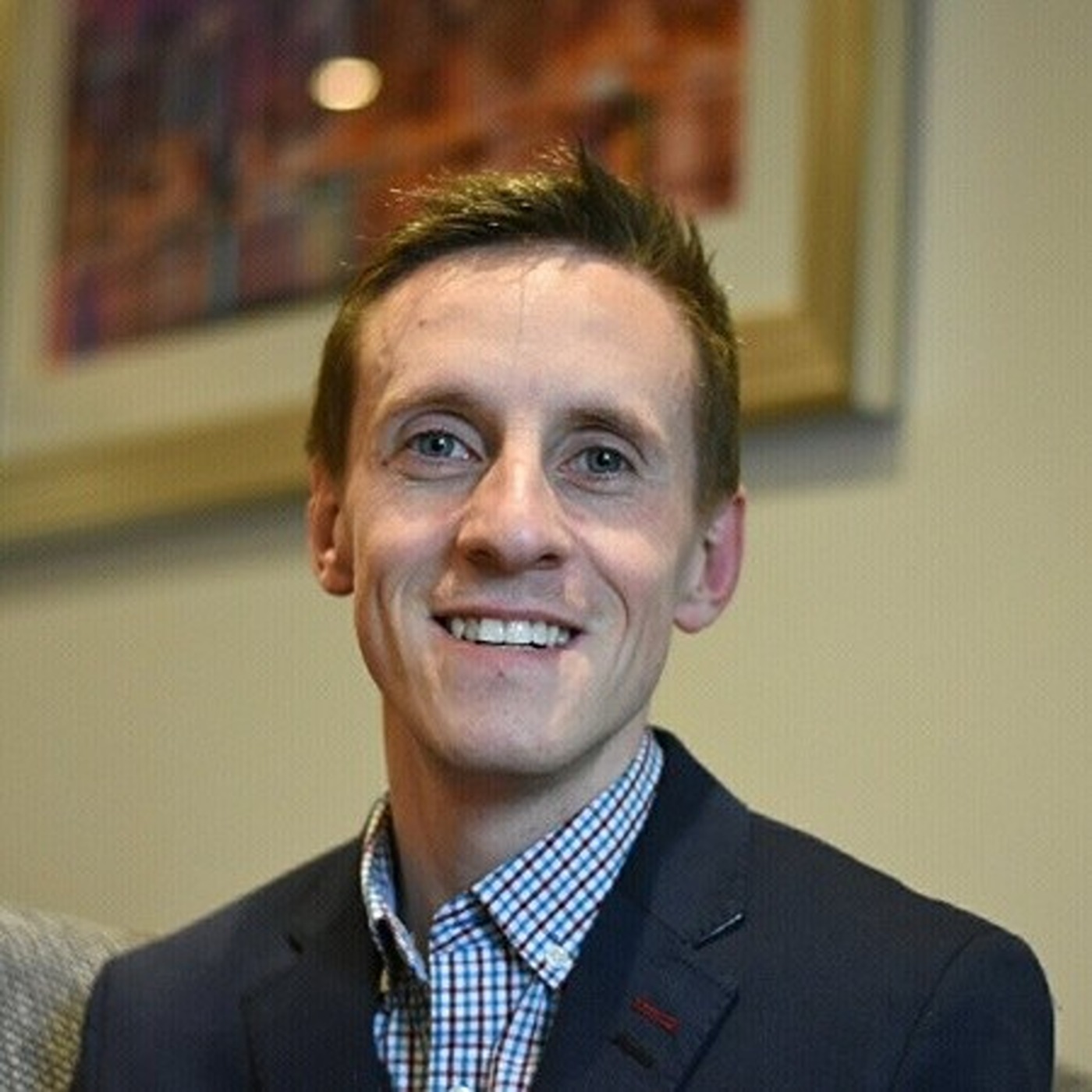
Lachlan Townend chats with Dr Mitchell Gibbs - Senior Lecturer and Program Lead in Exercise Physiology at UNSW Sydney and a researcher with NeuRA - to unpack one of the most valuable, yet contested corners of chronic pain care: exercise. Mitch's own research journey started exactly where most clinicians start - hunting for the specific exercise, the right modality, the movement pattern that would fix a person's pain. What he found, across a PhD built around powerlifting and years of research since, upended that: the evidence increasingly suggests all exercise works about the same, that getting stronger doesn't appear to be what actually helps, and that whether exercise is painful or pain-free barely moves the needle either. What matters, again and again, turns out to be self-efficacy, fear, belief, and above all whether the movement is meaningful to the person doing it. The conversation ranges from the "philosophy is a luxury" dilemma of trying to hold scientific nuance and a patient's need for a clear answer in the same hand, to why most exercise trials for back pain and knee osteoarthritis don't even come close to the physical activity levels needed for someone's broader health, to the emerging idea of "exercise snacks" as a low-barrier way back into movement. Mitch also shares the very personal story of being a supremely confident 20-year-old personal trainer who thought he'd cracked back pain and the moment his supervisor told him, "now you get it," when, despite his bravado, none of his clients were getting better. Whether you're a clinician prescribing exercise for persistent pain, a researcher, or someone living with chronic pain trying to work out what's actually worth doing, this is a grounded, refreshingly honest look at what the evidence does and doesn't tell us and what to do with that uncertainty in the room with a real person. RESOURCES: - Pain Coach: clinical software helping clinicians turn complex chronic pain into simple habit targets. Sign up for free: here - Dr Mitchell Gibbs - Research profile, UNSW Sydney - Full publication list: Google Scholar KEY TOPICS: 0:00 — Intro + Disclaimer 01:43 — The evolving landscape of exercise for chronic pain 03:27 — Mitch's own paradigm shift, from Masters to PhD 05:15 — Is "exercise cures back pain" content garbage? 07:13 — Does getting stronger actually reduce pain? 11:00 — Painful vs. pain-free exercise: the updated review 15:19 — The role of pain education 20:37 — Philosophy vs. pragmatism: research nuance vs. what patients actually need 24:46 — How to actually prescribe exercise — the CAPACITY trial and patient-led goal setting 30:44 — Chronic pain as multimorbidity, not an isolated condition 31:38 — Adherence, dose, and meaning: what really predicts success 38:34 — Case study: getting a "non-mover" moving again 41:47 — Exercise snacks and the "controlled chaos" model 44:51 — Origin story: an overconfident 20-year-old PT, and "now you get it" 50:46 — The multimorbidity research: less than 1% of trials meet WHO guidelines 57:32 — Advice for someone with chronic low back pain right now Disclaimer: This podcast is not personalised medical advice. Please consult a health professional before acting on anything discussed.