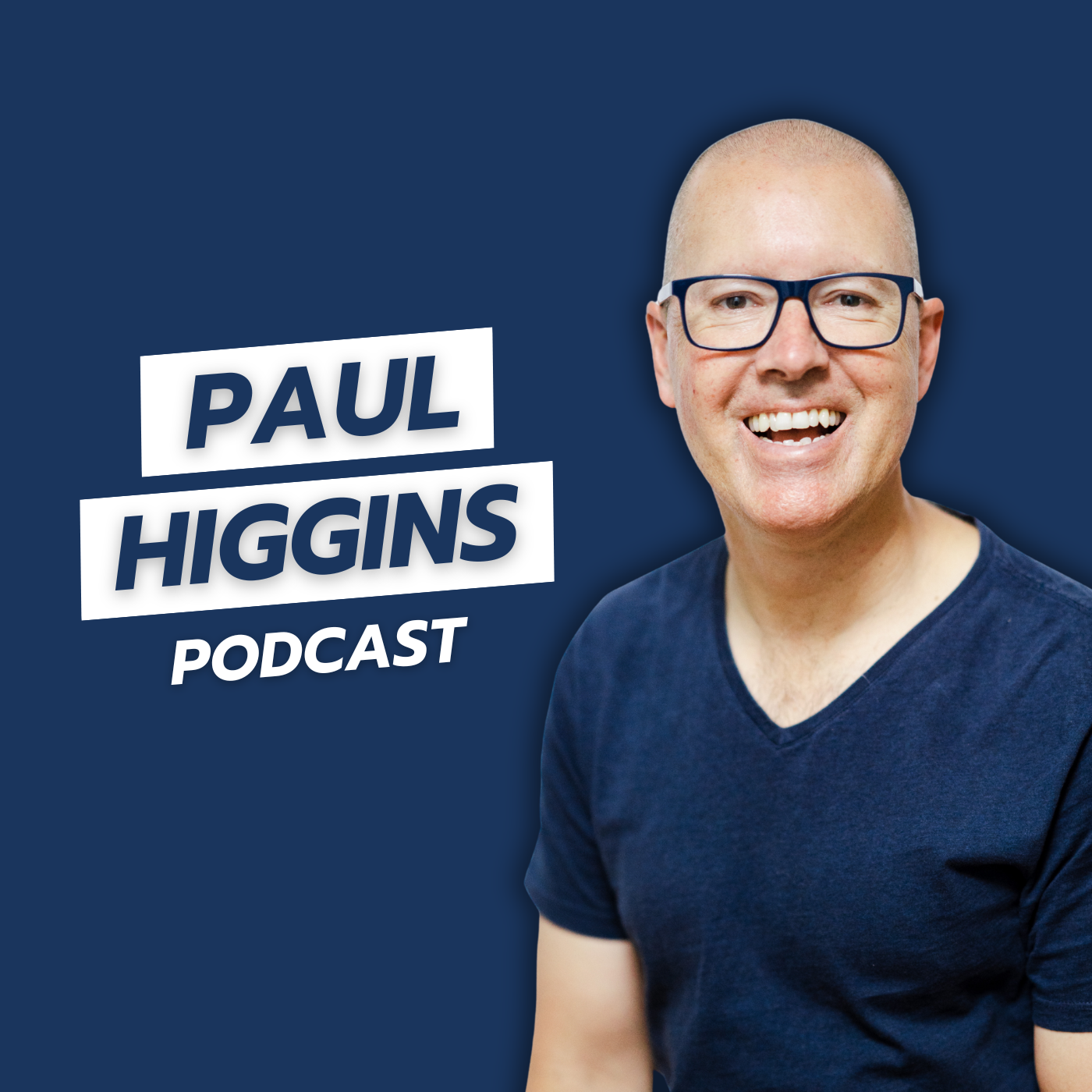
The Paul Higgins Podcast interviews the SaaS partners and platform leaders building consistent, cash-generating businesses on Salesforce, HubSpot, Zoho, Microsoft, Monday, NetSuite, Acumatica, and more. Prior guests include Jay McBain (Chief Analyst, Channels, Partnerships & Ecosystems at Omdia, and Channel Influencer of the Year), Sarah McDevitt (HubSpot), Heather Black (Salesforce), Marty Zigman (NetSuite), Brett Martin (Zoho), Barry Doucette (Microsoft), Robin Alex (GoHighLevel), Yash Tekriwal (Clay), Laurence Fitch (Slack), Gareth Pronovost (Airtable), Nick Sonnenberg (Asana), and Alex MacKay (Tequity). Host Paul Higgins helps SaaS partners escape the trap of billable hours, five verticals, and platform dependence, and move from lumpy months to consistent, cash-generating months. For episodes, show notes, and free resources, head to paulhigginsmentoring.com.
Pitch Analysis
Required Pod Score for this show. PitchCentric checks your profile against host openness, topical fit, and audience signals before you generate a pitch.
Contact path
Public web form
Booking probability
35%
Guest openness
Selective
86/100
Required Score
Sign up to generate a grounded pitch for Paul Higgins Podcast.
Our AI reads these to draft pitches. Use them as grounding for a pitch that cites a real guest and a specific topic.
Episode #706
706 - Your P&L Is Lying About Your Margin
Sep 28, 20266 min
Your P&L says you made 60 percent margin last year. The real number could be half of that, and it is not an accounting error, it is the hours you spend on delivery costed at zero. In this episode, I break down a partner agency I evaluated for acquisition that looked healthy on paper, until we moved the founder's delivery hours out of drawings and into the cost of delivery and watched the net profit collapse. I show you why drawings quietly doing the work of a salary means you are subsidizing your own business and calling that subsidy profit, and the one adjustment that rebuilds your pricing on the truth. If your margin feels fine but your bank keeps raising an eyebrow at your numbers, this is the reality check to run before your next pricing decision. Resources and Links Need help with your WHO and WHAT decisions? Apply for a FREE Multiplier Call Book a Decision Session here Previous episode: 705 - Being a certified partner is not a business. Check out more episodes of the Paul Higgins Podcast Subscribe to our YouTube channel: @PaulHigginsMentoring Join our newsletter Suggested resources
705 - Being a certified partner is not a business.
Sep 21, 20266 min
Your certification feels like the asset. It is closer to a rented seat on someone else's platform, and AI is quietly pulling the chair out from under it. In this episode, I break down a conversation with a peer of mine, an ex-client who built a Zoho consultancy from scratch, kept a strong team, and retains clients better than almost anyone I know, and still cannot sell the thing he built. So he is starting a second business in parallel, and it looks nothing like the first: one vertical, one buyer, one price, 72 percent his own software and 28 percent platform. I walk through why setup and implementation work is drying up, what stays billable when it does, and the difference between a partner sitting in a trap and a partner working a plan. If your revenue still leans on selling licenses and billing implementations, this is the shift worth hearing before the vendor forces it on you. Resources and Links Need help with your WHO and WHAT decisions? Apply for a FREE Multiplier Call Book a Decision Session here Previous episode: 704 - You Can Beat Them At Everything And Still Lose Check out more episodes of the Paul Higgins Podcast Subscribe to our YouTube channel: @PaulHigginsMentoring Join our newsletter Suggested resources
704 - You Are Competing With Other Partners Who All Sound The Same
Sep 14, 20266 min
You are one of forty partners on your platform, and every website, every LinkedIn profile, and every pitch says the same three lines: Salesforce implementation, Zoho work, Monday builds, HubSpot onboarding. In this episode, I break down the WHO decision that separates the partner who owns a vertical from the forty who blend into the directory. I share how one Monday partner became the only name listed under nonprofits, then did the part almost nobody does: she rewrote the product's own language for that buyer, renaming the CRM as a DRM so donors, donations, and households replaced leads, opportunities, and pipeline. Sales slowed while she made the pivot and two verticals stopped feeding her, but she held the line, and now the platform sends her the nonprofit deals. If you are tired of competing against partners who sound exactly like you, this one shows you the two moves that let the right buyer find you first. Resources and Links Need help with your WHO and WHAT decisions? Apply for a FREE Multiplier Call Book a Decision Session here Previous episode: 703 - You Can Beat Them At Everything And Still Lose Check out more episodes of the Paul Higgins Podcast Subscribe to our YouTube channel: @PaulHigginsMentoring Join our newsletter Suggested resources
703 - You Can Beat Them At Everything And Still Lose
Sep 7, 20267 min
You can beat the biggest partner in your ecosystem on content, on volume, on quality, and still finish the year at a quarter of their revenue with price as the only lever anyone hands you. In this episode I break down why that happens and what to do about it, starting with the rule Jack Welch laid down in a 1981 speech that almost nobody quotes correctly. Your platform, whether it is Salesforce, Zoho, HubSpot, or Microsoft, is a product, not a market, so the moment a buyer arrives the only question they can ask you is how much and how fast. I walk through the four moves that get you out of that queue, from reading back through your last 10 clients to find the industry where the scope held and you never bled hours, to packaging the fix as a priced outcome instead of billable time. If you are about to spend another year becoming a better version of a competitor you cannot beat, this one is for you. Resources and Links Need help with your WHO and WHAT decisions? Apply for a FREE Multiplier Call Book a Decision Session here Previous episode: 702 - Firing Your Agency Won't Get You More Leads Check out more episodes of the Paul Higgins Podcast Subscribe to our YouTube channel: @PaulHigginsMentoring Join our newsletter Suggested resources
Firing your agency won't get you more leads. I got on a call this week with an MSP owner in a market with over 2,500 providers, all deals mostly on price, who had burned two years and thousands of dollars on two different agencies with next to nothing to show for it. In this episode I break down why the problem was never the agency: it was that he had never picked who he serves, so every piece of content defaulted to generic, because generic is the only thing that fits everyone. I walk through the exact order that actually works, pick one type of client where your best results already live, rewrite your profile in your own words for that one buyer, and only then brief an agency or run the outreach yourself. If you've been throwing mud at the wall and blaming whoever's holding the bucket, this one's about the decision only you can make. Resources and Links Need help with your WHO and WHAT decisions? Apply for a FREE Multiplier Call Book a Decision Session here Previous episode: 701 - Why AI Makes You More Valuable, Not Less, with Sarah McDevitt Check out more episodes of the Paul Higgins Podcast Subscribe to our YouTube channel: @PaulHigginsMentoring Join our newsletter Suggested resources
Every question we get asked before someone starts their trial.
If you have a concern about deliverability, AI quality, data privacy, or whether this will actually work for your specific situation, it's probably answered below.
What is the difference between Founder Solo and Founder Pro?
Founder Solo gives you 50 AI pitches per month using the credit model (Standard pitches cost 1 credit, Enriched pitches cost 2). Founder Pro raises that to 200 credits per month and adds full Booking Probability access, unlimited Magic Match, Apollo enrichment credits, and data export capabilities. Both plans use the same credit system, so you can stretch your monthly budget further by using Standard-mode drafting.
How do agency tiers work?
Agency tiers have no base fee. You pay per managed client and per talent profile. Agency Standard is $199 per client per month; Agency Pro is $399 per client per month. Both add $39 per talent profile per month. Your own team's user seats are always free.
What is a talent profile?
A talent profile represents one person (founder, executive, or spokesperson) you are booking onto podcasts. It includes their bio, topics, headshots, and outreach history. Team plans include 5 profiles; agency plans are pay-as-you-go.
Can I switch plans later?
Yes, at any time. Upgrades take effect immediately; downgrades apply at the end of the current billing period. Contact support if you need help migrating between plan families.
Do you offer a free trial?
Every paid plan includes a 15-day free trial. Your card is saved at signup but you will not be charged until day 16. Cancel any time from your dashboard.
What happens if I cancel?
You keep access until the end of your current billing period. No charges after that. Your data is retained for 30 days in case you reactivate.
Is the 20% annual discount automatic?
Yes. Select Annual on the pricing toggle and the discounted price is applied automatically at checkout. The annual price shown is the full year cost.
What if I have more than 50 profiles or 20 clients?
That is our Enterprise tier. Contact our sales team and we will build a custom plan with volume pricing, a dedicated account manager, and SLA guarantees.