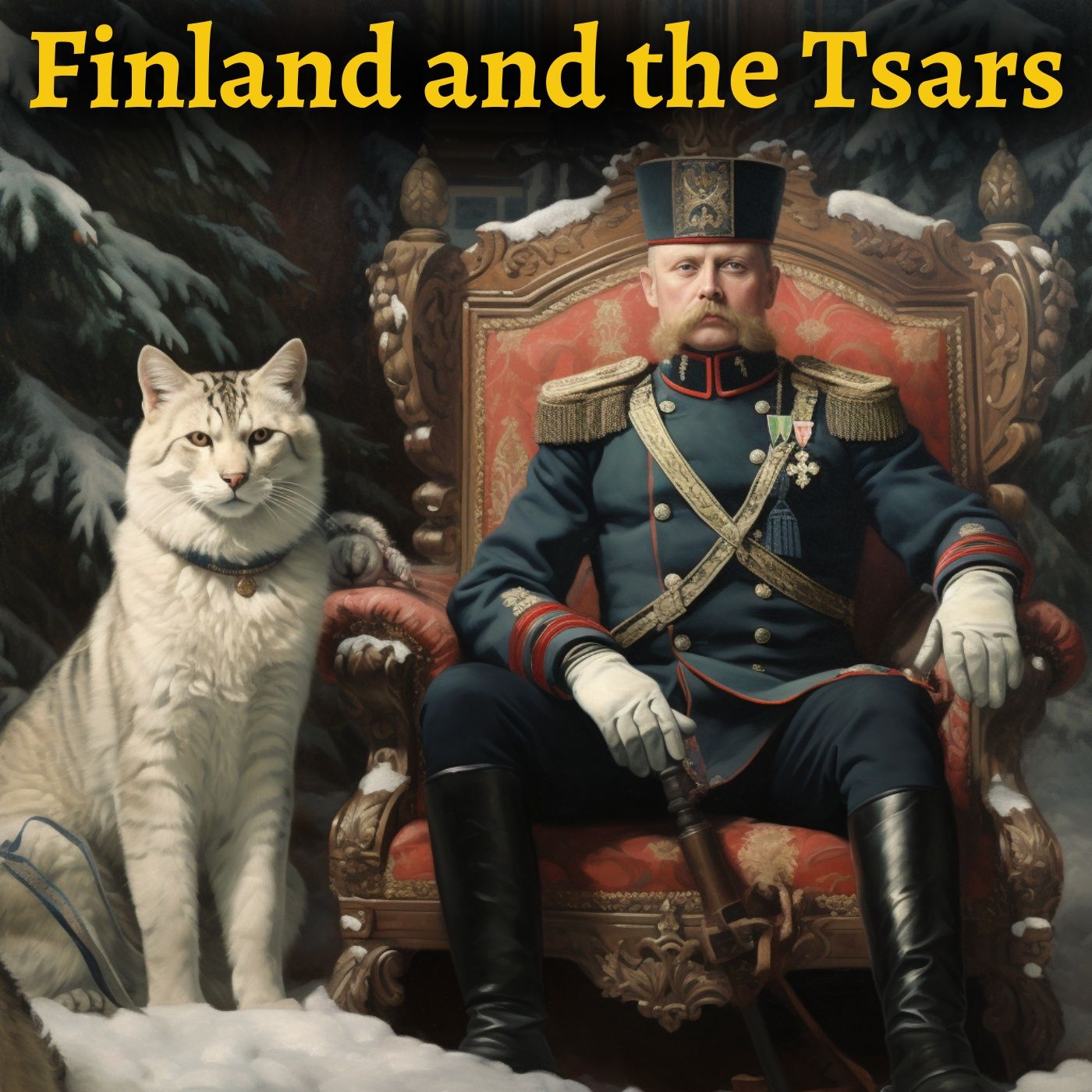
http://www.adfreebooks.com - 500+ audiobooks, all ad free Fisher’s treatment of the history of Finland, in the context of its relations with Russia, was released in 1899—at the start of the first attempted wave of Russification. At this time, it seems, many Finns regarded it as a misunderstanding. A mistake. Not a contrivance of Nicholas II, but a villainy emanating instead, fen-sucked, from the sinister Russian state machinery—the fief of a myopic and obdurate cadre of supremacists and absolutists. Men like the rabid anti-semite Konstantin Pobedonostsev who, by the camera's harsh testimony, seems to have died long before he stopped coming in to work, and like Ivan Goremykin who in an ironic twist of fate would not so very much later – after 1906 – have to stretch his mind to try to contend with the obscenity of constitutional monarchy at home. Men who all nursed a bitter grudge at the perceived slight to their omnipotence called Finland. The long-standing arrangements and understandings between Finland and the Tsars had up to this time, for the better part of a century, served both parties very well. And would undoubtedly have stood Russia in good stead into the twentieth century. Every Tsar reaffirmed a solemn pledge to maintain the Fundamental Laws underpinning the constitutional order, to uphold Alexander I's promise to respect "their religion, their laws, their liberties and their rights." Every Tsar honored it—until Nicholas II. In return, Finland turned its back on Sweden to stand at Russia's side bringing with it a domain which was loyal, orderly and industrious and soon enough became highly educated and prosperous too. Regardless of the shocks and reversals the Empire encountered, the Grand Duchy was unwavering so far as imperial internal security went, producing never "...a conspirator or an agitator against Russia. It provided instead generals for her armies and admirals for her fleet." Subversion and coercion efforts against the Finnish state would be abruptly halted in the immediate aftermath of the bitter defeat meted out by Japan in 1905; Saint Petersburg had unrest aplenty across its vast and ethnically diverse extent without manufacturing more. These efforts would resume. Finland would be driven to, at the first opportunity, declare independence in 1917. The events of the twentieth century would be profoundly influenced by the collapse of Russo-Finnish cooperation, by the Winter War and by Finland’s politics and diplomatic efforts during the Cold War. While the impact of some of these developments may be seen as broadly beneficial to Europe, much of it was to the critical detriment of the prevailing political orders in Russia.
Pitch Analysis
Required Pod Score for this show. PitchCentric checks your profile against host openness, topical fit, and audience signals before you generate a pitch.
Contact path
Verified email
Booking probability
32%
Guest openness
Selective
Verified email on file
80/100
Required Score
Sign up to generate a grounded pitch for Finland and the Tsars.
Finland and the Tsars is a history podcast hosted by Unknown Host, with 55 episodes on record and a Required Pod Score of 80. PitchCentric scores this show on Booking Probability, Listen Score, and live audience signals refreshed every 24 hours.
About the host
Unknown Host hosts Finland and the Tsars, a history show with 55 episodes published.
Our AI reads these to draft pitches. Use them as grounding for a pitch that cites a real guest and a specific topic.
Finland and the Tsars
Sagas of Vaster Britain-William Wilfred Campbell
Aug 22, 20263h 55m
"Sagas of Vaster Britain" by William Wilfred Campbell invites listeners into a rich tapestry of narratives that explore the vast and intricate history of Britain. This work resonates with themes of identity, heritage, and the enduring nature of storytelling, making it a significant piece for those interested in the cultural legacies that shape societies. Its exploration of the past offers a lens through which contemporary listeners can reflect on their own connections to history and place. The eloquent prose and vivid imagery present in Campbell's writing ensure that these sagas remain relevant, inviting audiences to ponder the complexities of their own narratives in a rapidly changing world.
"Finland and the Tsars 1809-1899" by Joseph R. Fisher explores the intricate and often tumultuous relationship between Finland and Russia during a pivotal century, culminating in the rise of Russification under Nicholas II. Fisher reveals how Finland, once a loyal Grand Duchy, faced a betrayal of trust as the Tsars, who had long upheld promises of autonomy and respect for Finnish rights, shifted towards oppressive measures. The narrative delves into the motivations of key Russian figures who viewed Finland not as an ally but as a threat to their authority, highlighting the fragility of political agreements and the consequences of imperial ambition. This historical account resonates today as it echoes themes of nationalism, the struggle for identity, and the impact of authoritarianism on regional stability, reminding us of the delicate balance between cooperation and coercion in international relations. Fisher's work serves as a cautionary tale about the dangers of neglecting established rights and the potential for resistance when autonomy is threatened.
"Watch and Wait; The Young Fugitives" by Oliver Optic invites listeners into a thrilling adventure that explores themes of resilience and courage. The story centers around young fugitives who must navigate challenges and uncertainties while relying on their wits and determination. This timeless narrative resonates today, reminding us of the importance of hope and perseverance in the face of adversity. As listeners engage with the characters' struggles and triumphs, they will find inspiration in their journey and a reflection of the human spirit's ability to endure. Dive into this classic tale that continues to captivate audiences with its enduring themes of bravery and survival.
Marie Antoinette Romances, Vol 4 Taking the Bastile-Alexandre Dumas
Aug 20, 20268h 30m
"Marie Antoinette Romances, Vol 4 Taking the Bastile" by Alexandre Dumas delves into the tumultuous events surrounding the French Revolution, focusing on the iconic figure of Marie Antoinette as she navigates the chaos of her time. This volume captures the spirit of rebellion and the struggle for justice, themes that continue to resonate in today's world, where the fight for equality and freedom remains ever relevant. Dumas’ masterful storytelling brings to life the intricacies of court intrigue and the human emotions that drive historical change, making it a compelling listen for those interested in the intersection of personal and political turmoil.
"Native Races and the War" by Josephine Butler delves into the profound implications of conflict on indigenous populations, exploring the intersection of race and war. Butler's insights into the struggles faced by native races during wartime highlight the enduring themes of resilience, identity, and the quest for justice. As contemporary discussions around race and conflict continue to resonate, this work serves as a poignant reminder of the historical injustices that have shaped societies. Its exploration of the human experience amid adversity remains relevant, inviting listeners to reflect on the lessons of the past and their impact on today's world.
Every question we get asked before someone starts their trial.
If you have a concern about deliverability, AI quality, data privacy, or whether this will actually work for your specific situation, it's probably answered below.
What is the difference between Founder Solo and Founder Pro?
Founder Solo gives you 50 AI pitches per month using the credit model (Standard pitches cost 1 credit, Enriched pitches cost 2). Founder Pro raises that to 200 credits per month and adds full Booking Probability access, unlimited Magic Match, Apollo enrichment credits, and data export capabilities. Both plans use the same credit system, so you can stretch your monthly budget further by using Standard-mode drafting.
How do agency tiers work?
Agency tiers have no base fee. You pay per managed client and per talent profile. Agency Standard is $199 per client per month; Agency Pro is $399 per client per month. Both add $39 per talent profile per month. Your own team's user seats are always free.
What is a talent profile?
A talent profile represents one person (founder, executive, or spokesperson) you are booking onto podcasts. It includes their bio, topics, headshots, and outreach history. Team plans include 5 profiles; agency plans are pay-as-you-go.
Can I switch plans later?
Yes, at any time. Upgrades take effect immediately; downgrades apply at the end of the current billing period. Contact support if you need help migrating between plan families.
Do you offer a free trial?
Every paid plan includes a 15-day free trial. Your card is saved at signup but you will not be charged until day 16. Cancel any time from your dashboard.
What happens if I cancel?
You keep access until the end of your current billing period. No charges after that. Your data is retained for 30 days in case you reactivate.
Is the 20% annual discount automatic?
Yes. Select Annual on the pricing toggle and the discounted price is applied automatically at checkout. The annual price shown is the full year cost.
What if I have more than 50 profiles or 20 clients?
That is our Enterprise tier. Contact our sales team and we will build a custom plan with volume pricing, a dedicated account manager, and SLA guarantees.