Episode #290
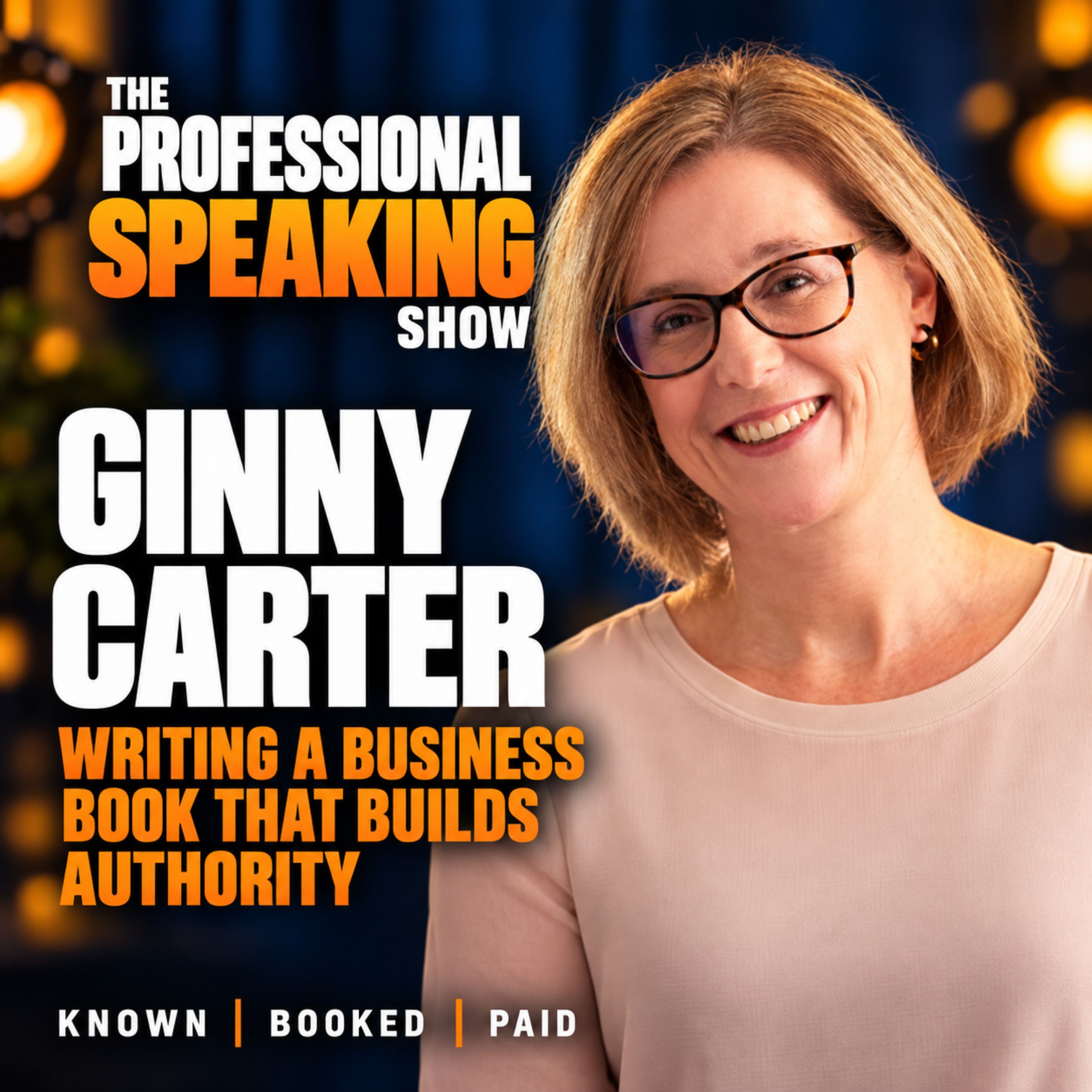
How to Write a Business Book That Builds Authority | Ginny Carter
Do speakers need a book to get booked? No. Can a relevant book be a powerful authority asset, often called your best business card and a useful tool when negotiating speaking engagements? Hell yes. In this bonus episode from the archives, John Ball speaks with ghostwriter and book coach Ginny Carter, author of Your Business, Your Book . Recorded in early 2022, the conversation is still useful for speakers and other experts considering a business book. They discuss how to decide what your book is for, when you’re ready to write it, how to keep it engaging and persuasive, and how to make it part of the marketing you already do. They also explore publishing choices, formats, editing, and the role podcasts can play in helping authors share their expertise. At the end, John shares the fast book strategy behind his forthcoming book, Serious About Speaking: The Business of Becoming Known, Booked & Paid . He explains how he’s using his existing LinkedIn newsletter articles, podcast transcripts and programme materials to build a useful, coherent book, with AI helping to compile and organise the material. It isn’t a case of asking AI to write a book and publishing the result: the process includes reviewing, editing and shaping the work. John will release a wait list for Serious About Speaking with next week’s episode. Ginny Carter’s book, Your Business, Your Book , is available at all major retailers. Find Ginny and her work at ginnycarter.co.uk . Frequently asked questions Do speakers need a book to get booked? No. You can build a professional speaking career without writing a book. A book is an asset, not a requirement. How can a book help a speaker get booked? A relevant book can demonstrate your expertise, strengthen your authority and give event organisers a tangible sense of your ideas. It can also be a useful negotiating tool when discussing a speaking engagement, if it connects to the talk, audience and client’s needs. Is a book really a speaker’s best business card? It can be. A book gives potential clients a deeper view of your expertise than a business card can. The more clearly the book relates to your speaking work, the more useful it is as an authority asset. When should an expert write a business book? When they have enough experience, examples and insight to offer readers, and they know what they want the book to achieve. Ginny advises getting clear on the book’s purpose before making decisions about its content or publishing route. How can speakers market a book without creating more work? Ginny recommends incorporating the book into marketing that’s already working, such as a podcast, blog or existing online presence, rather than automatically building separate channels just for the book. What makes a business book persuasive and readable? Stories, examples and the author’s personality help keep readers engaged. Ginny also discusses a “why, what, how, what if” structure: explain why the topic matters, what it is, how to act on it, and what could happen as a result. What is John Ball’s fast book strategy? John is developing Serious About Speaking from existing material, including LinkedIn newsletter articles, podcast transcripts and programme resources. AI helps compile and organise relevant content; John then reviews, edits and shapes it into a coherent book. Chapters Times are approximate. Check against the final published audio/video before posting. 00:00 Why this archive conversation is being released now 02:40 Introducing Ginny Carter and the value of an engaging business book 05:20 Why people struggle to start and finish books 07:40 Making book marketing part of your existing marketing 10:00 How books build authority 12:20 Is it the right time to write your book? 14:00 Book as an asset: cache, not cash 19:00 What writing a book can do for your expertise and business 24:00 What makes a business book effective? 27:00 Traditional publishing and self-publishing 29:00 Book design, production and first impressions 32:00 Print, ebook and audiobook formats 34:00 Podcasts as a way to reach relevant audiences 35:00 Writing persuasively: the “why, what, how, what if” structure 38:00 Editing, grammar and reader trust 42:00 How authors can use podcasts 44:00 Ginny’s book recommendations 47:30 John’s fast book strategy and Serious About Speaking Recommended next episode Why Great Speakers Are Often Broke Listen next for a related conversation about the business skills and assets speakers need alongside their stage craft: https://player.captivate.fm/episode/0f56e6d2-15f1-4c21-8a5b-96d44ab8c67b/ Upcoming episode Next week: Why Aren’t You Getting Booked as a Speaker? We’ll look at what may be standing between your expertise and the bookings you want. Connect with John: Find out more about the Known, Booked & Paid Blueprint Subscribe to the Serious About Speaking newsletter on LinkedIn Find me on Insta Find me on TikTok Find me on Threads Discover the bottlenecks in your speaking business with the Applause Vs Invoice Quiz For speaking/podcast enquiries or to connect with me directly, you can email john@presentinfluence.com or find me on LinkedIn You can find all our clips, episodes and more on the Present Influence YouTube channel If you know a speaker who would enjoy this show, let them know. Thanks for listening.