Episode #371
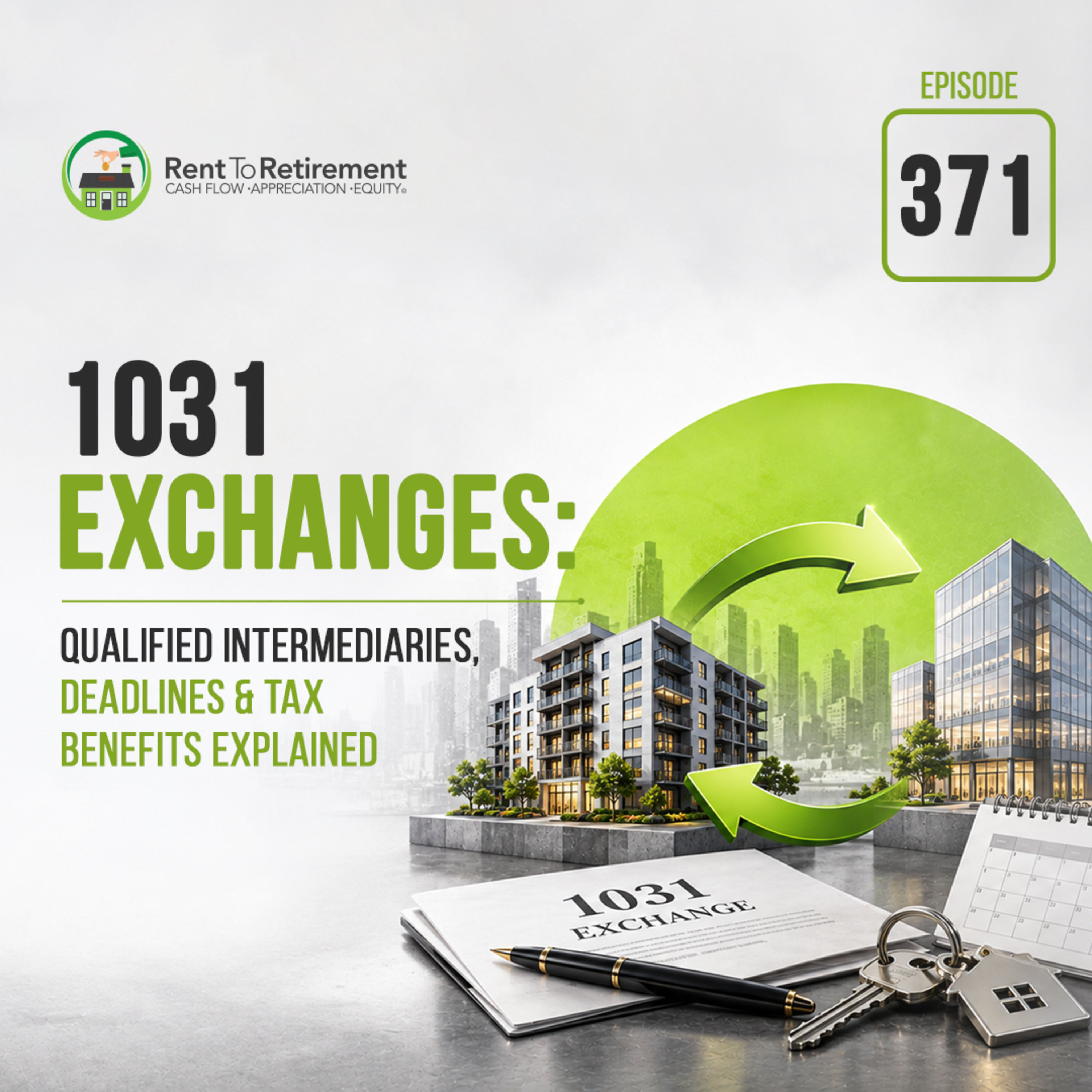
1031 Exchanges: Qualified Intermediaries, Deadlines & Tax Benefits Explained
This episode is sponsored by… NCH: Set up an LLC to protect your investments! – https://nchinc.com/rtr BLUPRINT HOME LOANS: Get pre-approved with one of RTR’s preferred lenders at - https://bluprinthomeloans.com/renttoretirement/ Thinking about selling a rental property and reinvesting the proceeds? A 1031 exchange can allow real estate investors to defer capital gains while moving their equity into another investment property—but the rules and deadlines matter. In this episode of the Rent To Retirement Podcast, host Matthew Seyoum sits down with Aristotle from Excel 1031 to break down how 1031 exchanges work, what investors need to know before selling, and some of the most common mistakes that can derail an exchange. They discuss the role of a qualified intermediary, depreciation and recapture, the critical 45-day identification and 180-day exchange deadlines, and how a reverse 1031 exchange works when you want to purchase your replacement property first. Whether you're preparing for your first 1031 exchange or looking to move equity from an existing rental into a new investment opportunity, this episode provides a practical overview of the process. ⏱️ Timestamps 0:08 – Introduction 0:47 – Aristotle’s real estate & 1031 background 4:36 – What is a 1031 exchange? 6:07 – Depreciation, recapture & tax benefits 9:04 – Why you need a qualified intermediary 12:14 – A costly 1031 exchange mistake 13:51 – The 45-day & 180-day rules 17:11 – What is a reverse 1031 exchange? 18:30 – When should an investor consider a 1031? 20:27 – 1031 exchanges & long-term wealth 21:30 – Connecting with Excel 1031 Already working with a Rent To Retirement strategist? Reach out to our team early in the process so we can help you evaluate replacement-property options and prepare for your 1031 exchange deadlines. Subscribe to Rent To Retirement for more real estate investing strategies, turnkey rental opportunities, tax education, and insights designed to help you build your portfolio. ⚠️ This episode is for educational purposes only and is not tax, legal, or financial advice. Speak with your CPA, tax professional, and qualified intermediary regarding your specific situation. Got a question or story to share? Email us at: podcast@renttoretirement.com Like this episode? Hit the thumbs up, subscribe, and turn on notifications so you don’t miss the next one! Comment below with your biggest takeaway from this episode! Explore turnkey investing opportunities: https://www.renttoretirement.com ️ Schedule a Free Consultation: https://hubs.ly/Q04wZWv40 Subscribe to the YouTube Channel: https://www.youtube.com/channel/UC_h1lnz1kM75Gj79VV8QtEg Listen to the Rent To Retirement Podcast on the Go: https://podcasters.spotify.com/pod/show/renttoretirement Join Our Newsletter Email List: Submit your info at the top right corner of the page: https://renttoretirement.com Have Questions for the Podcast? Send them to: podcast@renttoretirement.com Your question might be answered in a future episode! #1031Exchange #RealEstateInvesting #RentalProperty #CapitalGains #RealEstateTaxes #TurnkeyRealEstate #RentToRetirement