RevDem Podcast
Progressive Pronatalism? A Conversation with Kristijan Fidanovski
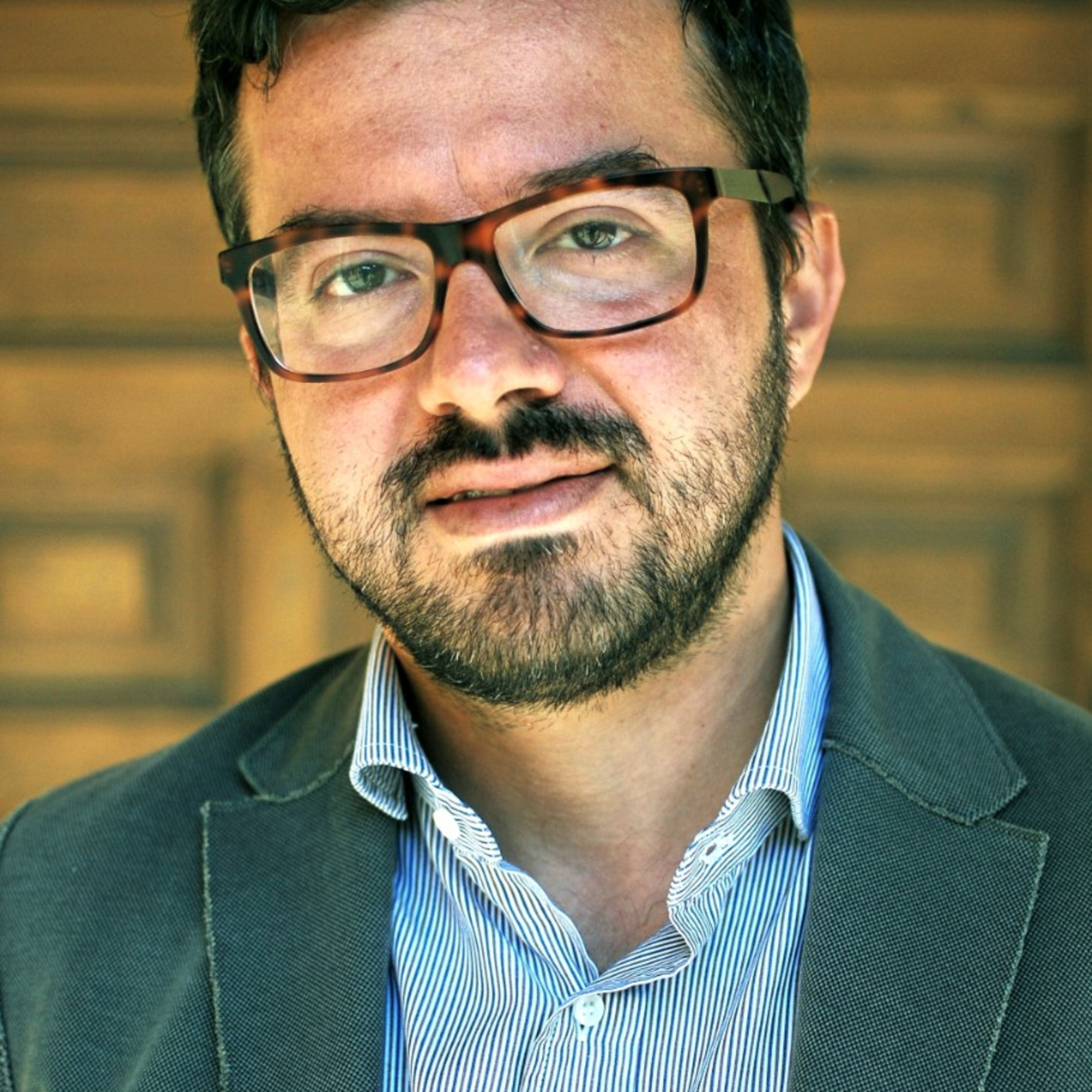
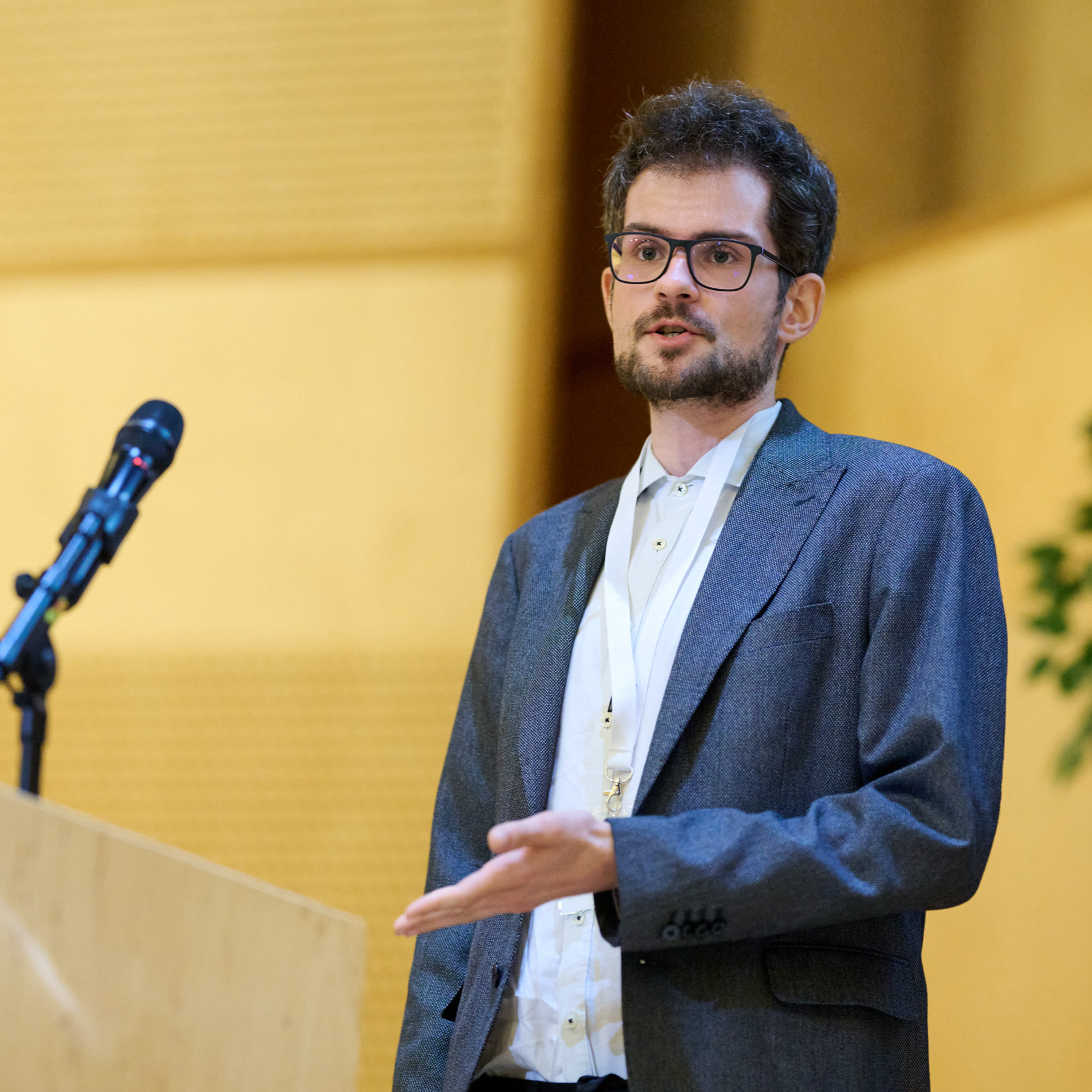
Demographic policies became one of the most defining political battlegrounds of our time. Within this debate, pronatalism is usually discussed within the framework of traditional values and nationalist agendas. This approach, as our podcast guest Kristijan Fidanovski emphasized, might obscure posing other questions. What prevents millions of people from having the families they want? How could social democratic policies reclaim the debate on social reproduction? These questions were at the core of Kristijan Fidanovski’s presentation at the Democracy Institute’s Annual Conference , held in Budapest on June 26. With the title, Imaginary Exhaustion?, this event explored to what extent today’s democracies are trapped by fear and exhaustion and how we might rebuild a more democratic future. Fidanovski spoke in the panel The People We Fear: Demography, Migration, and Civilizational Anxiety. In our conversation following his panel, we explore the implications of the low fertility rate. This demographic reality often morphs into an anxiety, which in turn politicians instrumentalize it. In this framework, he proposes the concept of “progressive pronatalism”. As Fidanovski stated for Review of Democracy, "we have a below replacement fertility rate, which means less than two point one children per woman (…). It is in essence an observable and measurable demographic trend, which has led to certain policy responses (…).The concept of progressive pronatalism seeks to capture some of these policy trends, but it also seeks to critique them in some important ways. Many policy responses have tended to be quite ideological in a similar manner, as all of them have been introduced by self-declared conservative governments." The discussion next tackles common misconceptions about the term, addressing critics who view the concept progressive pronatalism with skepticism. Afterwards, we focus on the political implications: "just because national conservative actors today as well, not just historically, are very alarmist about demography and sometimes exaggerate the objective, the otherwise objective socioeconomic challenges associated with demography, that does not mean that these are not realities. (…) If populations in developed countries continue to have below replacement fertility rates (which will happen), I think it is very unlikely that we will ever go back to above replacement fertility levels." Fidanovski argues that progressives make a strategic error by abandoning the demographical question explicitly. To counter this, Fidanovski advocates transforming demography from an instrument of population management into an ideologically neutral policy space. Kristijan Fidanovski is an economist at Vienna Institute for International Economic Studies focusing on tobacco taxation in Eastern Europe and the political economies of the Western Balkan countries. He holds a PhD from the University of Oxford’s Department of Social Policy, where he examined pronatalist policies and politics in (Eastern) Europe. His other research interests include population aging, EU integration, and electoral systems. The interview was conducted by Adrian Matus. Alina Young edited the audio file. Photo: Daniel Vegel / CEU Democracy Institute