
society
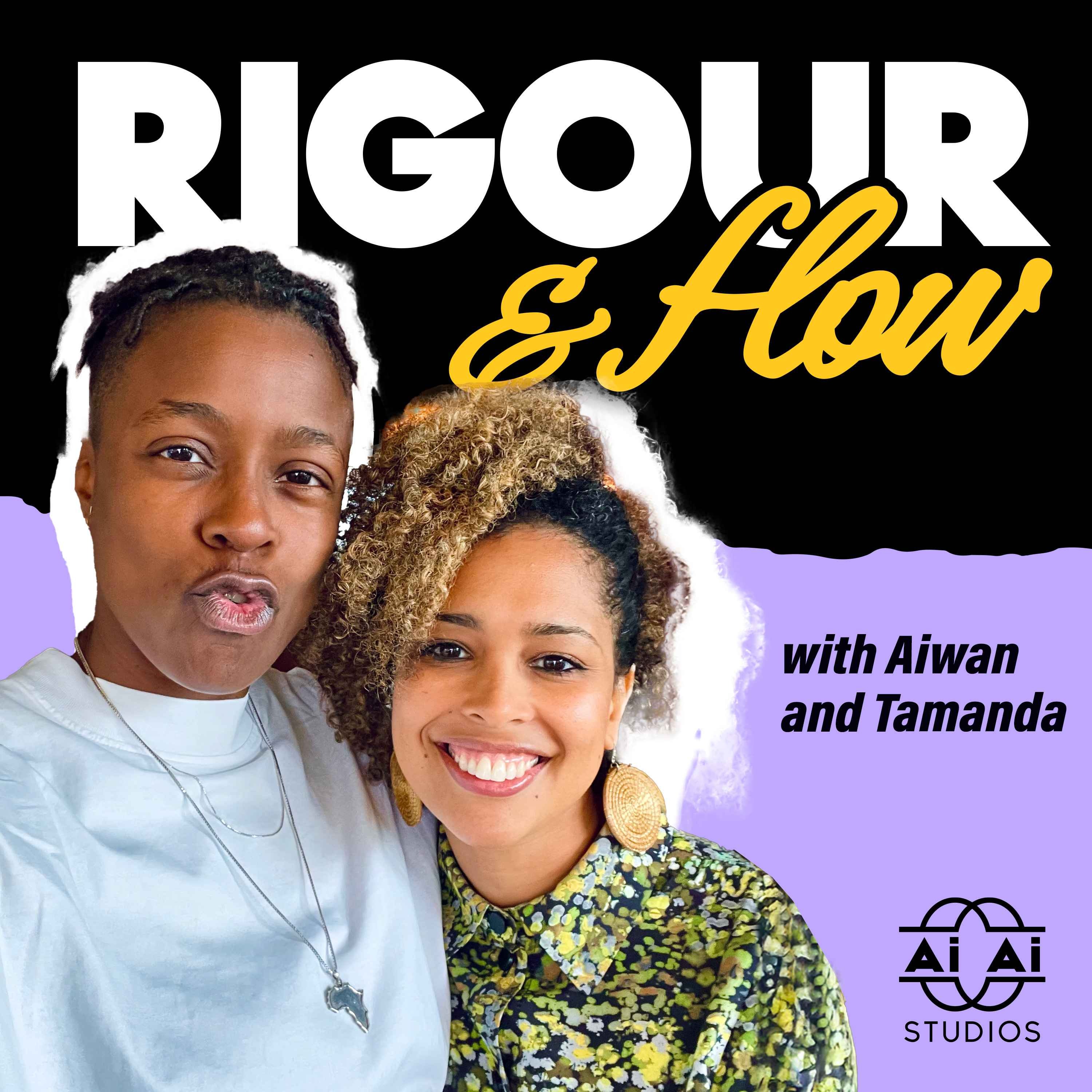
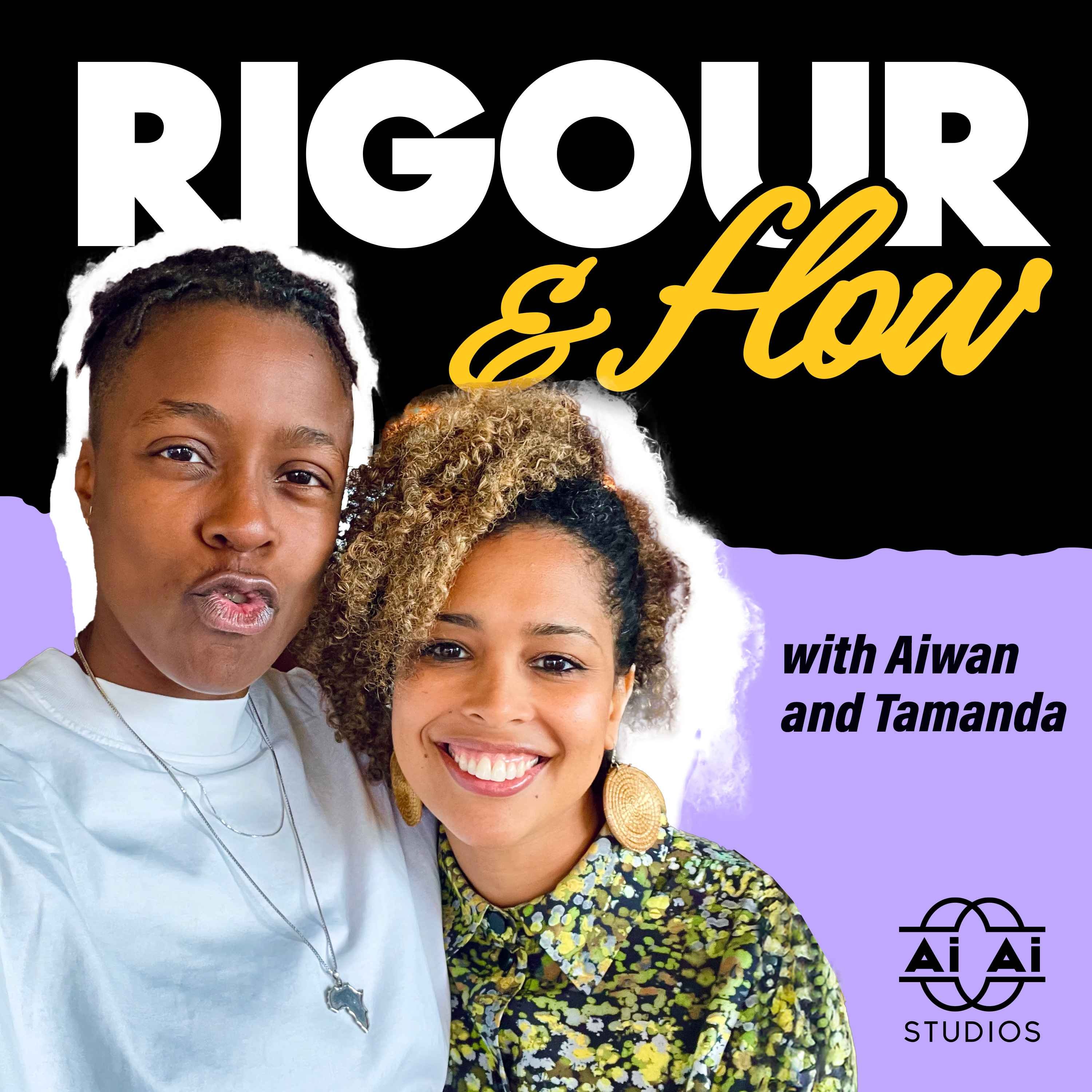
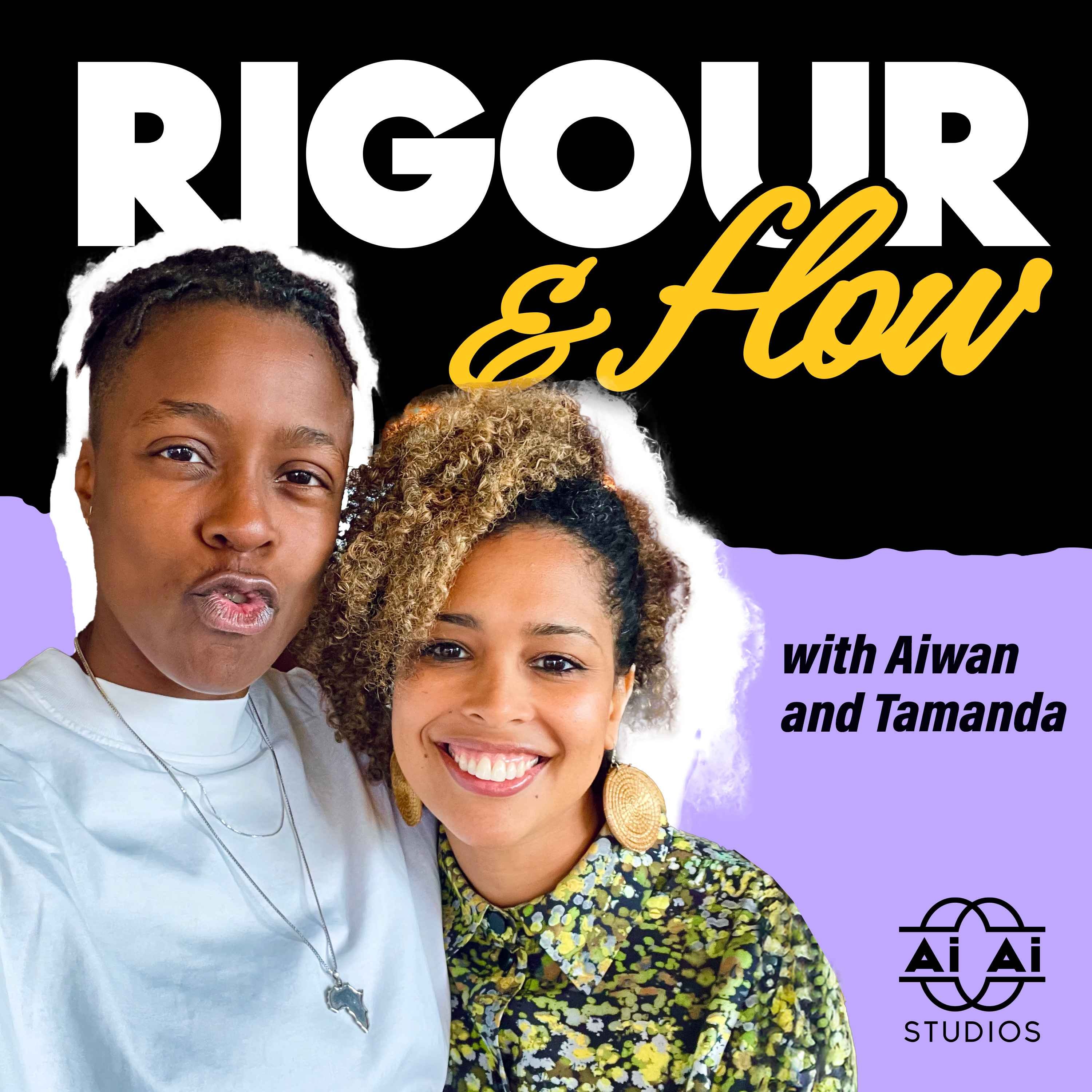
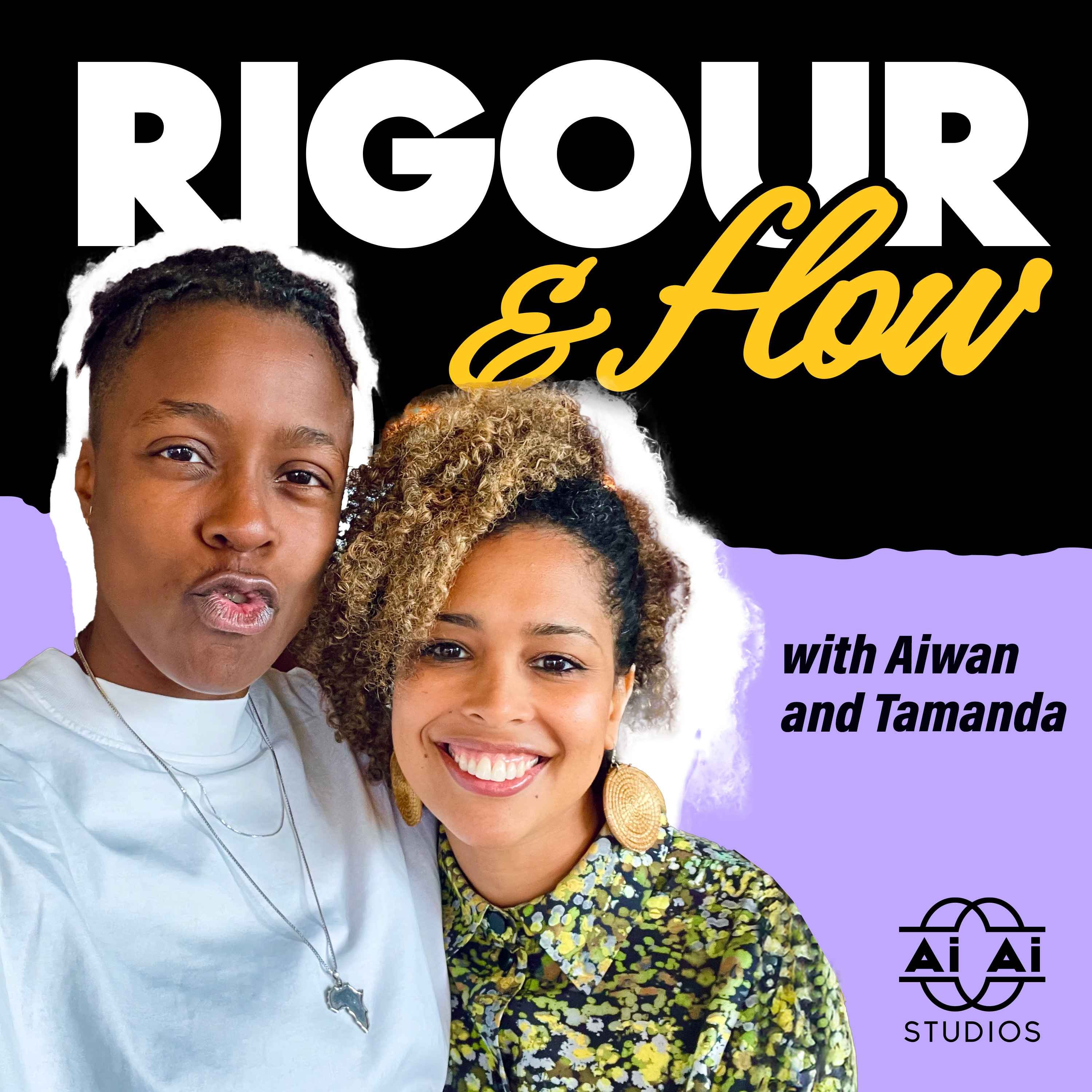
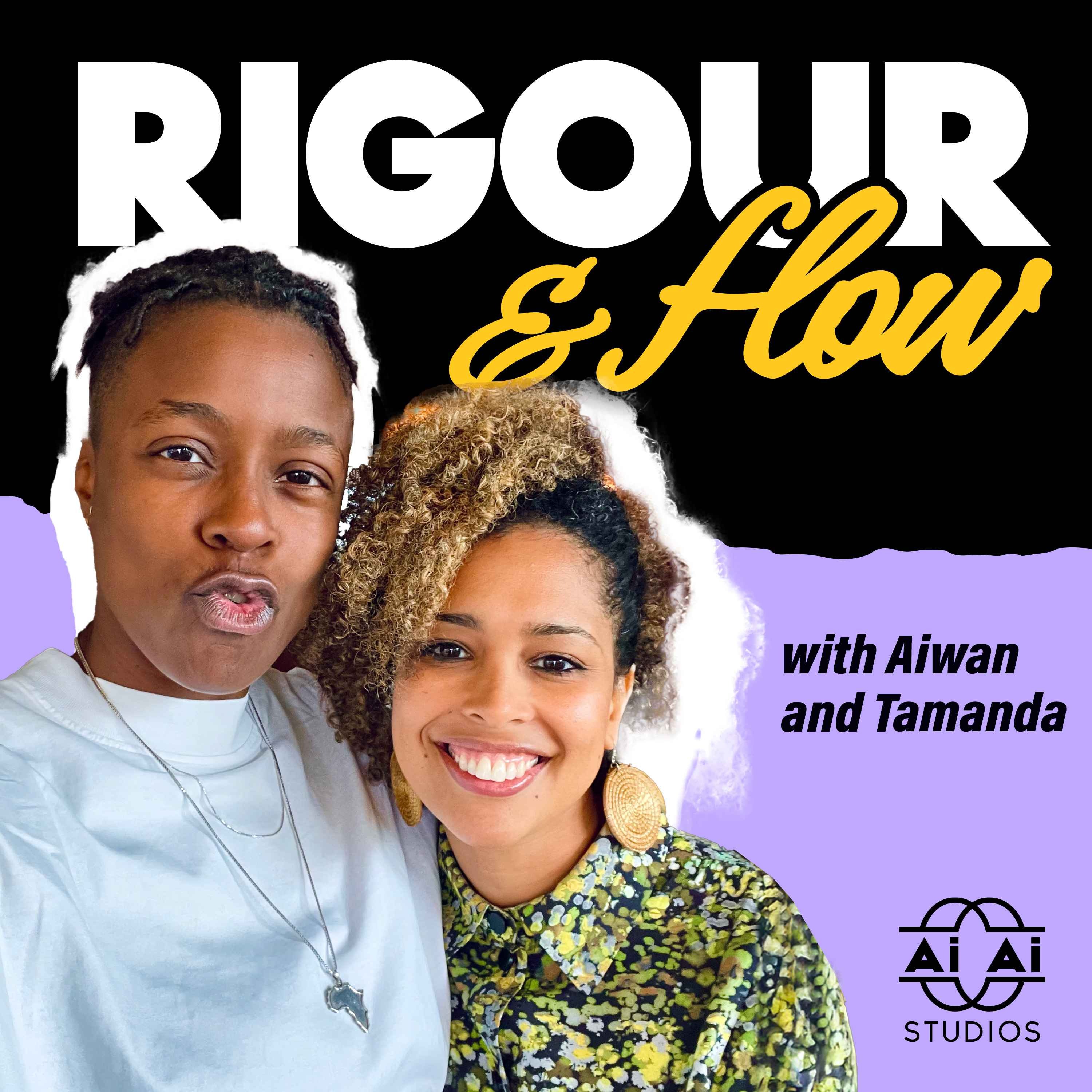
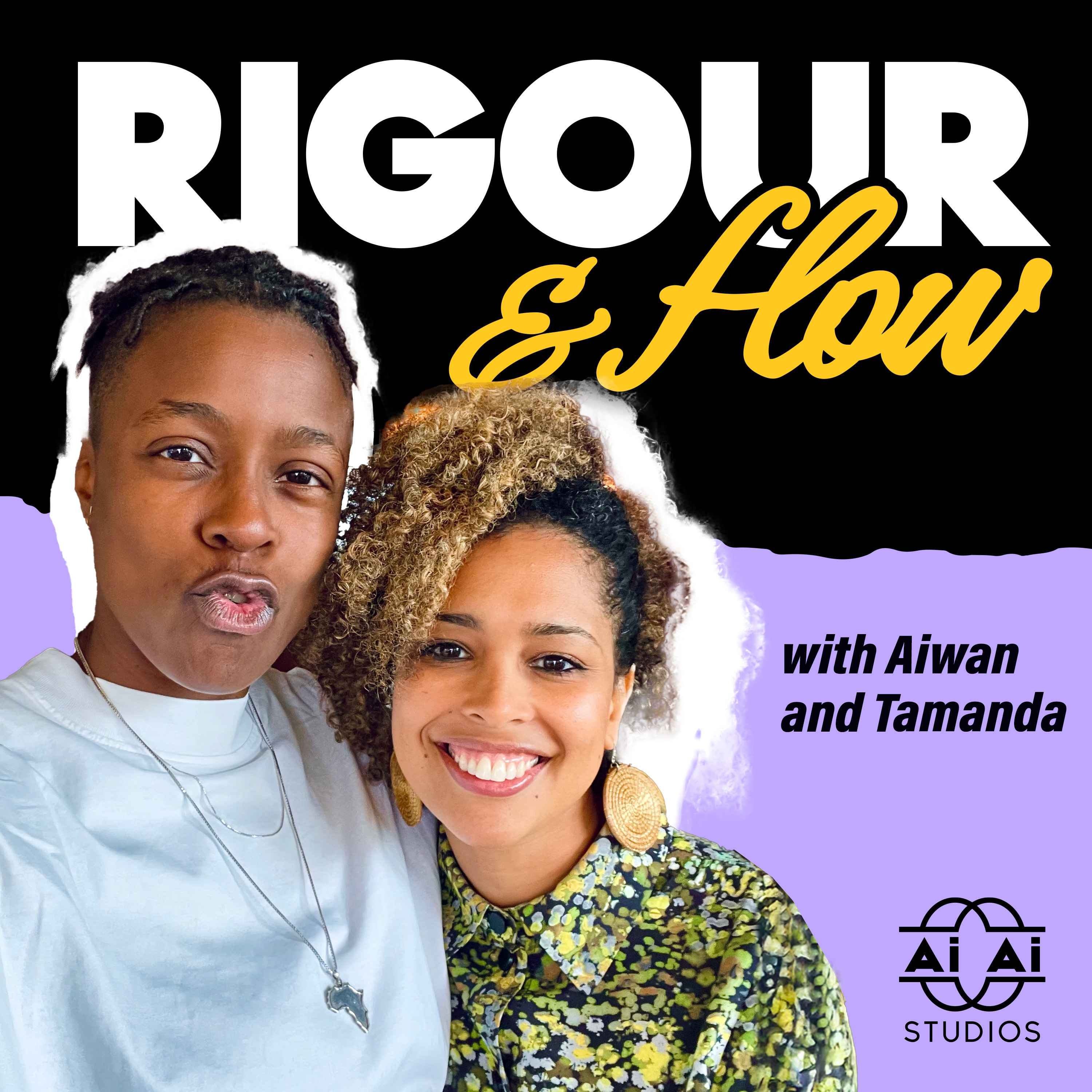
Rigour & Flow with Aiwan and Tamanda Hosted by Aiwan · society · EN · 72 episodes
About this Podcast: The show where business meets love, and culture meets critique. We’re Aiwan and Tamanda, two Black women with 20 years each in entertainment, research, and social justice. We’re also a married couple figuring out what it means to build a life and two businesses together. We'll talk about the realities of running a business, making creative work that matters, and navigating research with integrity. What You’ll Find: Honest conversations on entrepreneurship, research, and creativity. Unpacking the intersections of business, leadership, relationships, and identity. Hot takes on media, culture, and social change. Guest insights from entrepreneurs, researchers, and artists. If you’re navigating business, love, and the messiness of life while trying to do meaningful work, you’re in the right place. Episodes drop every Tuesday! Hosted on Acast. See <a s
Pitch Analysis Required Pod Score for this show. PitchCentric checks your profile against host openness, topical fit, and audience signals before you generate a pitch.
Contact path
Verified email
Verified email on file
What is Rigour & Flow with Aiwan and Tamanda? Rigour & Flow with Aiwan and Tamanda is a society podcast hosted by Aiwan, with 72 episodes on record and a Required Pod Score of 80. PitchCentric scores this show on Booking Probability, Listen Score, and live audience signals refreshed every 24 hours.
About the host Aiwan hosts Rigour & Flow with Aiwan and Tamanda, a society show with 72 episodes published.
Recent episodes Our AI reads these to draft pitches. Use them as grounding for a pitch that cites a real guest and a specific topic.
Rigour & Flow with Aiwan and Tamanda
"They Took the Land, Then Blamed the Climate" | The Battle for Laikipia "It's almost comical that you can stand on African land and say it's yours. You're an immigrant, mate." In this special Living the Archive re-release for International Day of the World's Indigenous Peoples, we revisit one of the defining conversations from Rigour & Flow's first year: ‘The Land Is Still Not Ours!’. Living the Archive isn't about replaying old conversations. It's about returning to them in light of everything we've learned since. When we first recorded this episode, it sparked a powerful debate about colonialism, Indigenous land rights, and the enduring legacy of empire. Returning to it now, we're struck not only by how much of that conversation remains unfinished, but by how urgently it speaks to the present. As climate change accelerates, debates around reparations, land ownership and Indigenous sovereignty have only become more urgent. Inspired by the documentary The Battle for Laikipia , this episode explores the generations-long conflict between the Indigenous Samburu people of Kenya and fourth-generation white settlers. Through the lens of the film, Aiwan and Tamanda connect questions of colonialism, land ownership, climate justice and belonging with their own family histories in Botswana and the UK. ️In this episode: Post-Colonial Reality: Why the struggle for Indigenous land rights didn't end with political independence. Institutional Legacy: How colonial systems of land ownership continue to shape the present. The Climate Intersection: Why climate justice and racial justice are inseparable. Property vs. Belonging: The tension between European ideas of private property and Indigenous communal traditions. A Story from Botswana: What Tamanda's family farm reveals about policing, belonging and colonial institutions. Land & Reparations: Why justice must include both land and historical reckoning. Whether you're listening for the first time or returning to this conversation, this episode is an invitation to think differently about the stories we inherit. Because before we can decide who owns the land, we first have to ask where the story begins. Listen wherever you get your podcasts Watch the full episode on YouTube: https://youtu.be/KLF0TuaoYDc Share with someone thinking about land, reparations and change ☕ Want to support the show? Buy us a coffee: https://buymeacoffee.com/rigourandflow Please rate, review and subscribe for weekly episodes. Connect with us on: TikTok Instagram LinkedIn AiAi Studios Roots & Rigour This is an AiAi Studios Production ©AiAi Studios 2025 Hosted on Acast. See acast.com/privacy for more information.
Rigour & Flow with Aiwan and Tamanda
Dangerous & Divine | How the Bible Becomes a Tool of Power In the next instalment of our Feedwarmer series, we’re sharing the creators and conversations currently shaping our own thinking. This week’s recommendation is a thoughtful, intellectually rich and deeply personal exploration of faith, power and knowledge. As Tamanda begins her postdoctoral research at the University of the Western Cape's Desmond Tutu Centre for Religion and Social Justice, she introduces Aiwan to Belonging: Gender, Sex & Spirituality - a new podcast hosted by Reverend Mpho Tutu van Furth and Professor Marceline Tutu van Furth. In this episode, they sit down with leading South African womanist theologian, Professor Sarojini Nadar, to explore embodied knowledge, biblical interpretation and what happens when religious traditions are used to justify oppression. The conversation resonates deeply with Aiwan’s own experiences growing up around fundamentalist Christianity. This opens up an honest discussion about the lasting impact of religious conditioning before exploring one of Tamanda’s more recent encounters with the Bible as a tool of oppression. ️In this episode: The Bible as a Tool of Power: Why sacred texts can become dangerous in the wrong hands. The "Three I’s" of Interpretation: Breaking down inspired, infallible, and inerrant views of scripture. Embodied Knowledge: Why your body’s "felt sense" is a vital form of authority and resistance. The Girl in the Denim: How small acts of rebellion - like wearing jeans or a denim skirt - can lead to radical scholarship or creative practice. Podcasting as Public Theology: How Black women are creating new spaces for knowledge, faith and resistance. We are playing the first half of this powerful original conversation. If it leaves you wanting more - and we think it will - we highly encourage you to listen to the full episode of Belonging: Gender, Sex & Spirituality . Listen wherever you get your podcasts Watch the full episode on YouTube: https://youtu.be/ZeEq_GXV_vA Share this with someone whose body knew something long before they had the words to explain it. ☕ Want to support the show? Buy us a coffee: https://buymeacoffee.com/rigourandflow Please rate, review and subscribe for weekly episodes. Connect with us on: TikTok Instagram LinkedIn AiAi Studios Roots & Rigour This is an AiAi Studios Production ©AiAi Studios 2025 Hosted on Acast. See acast.com/privacy for more information.
Rigour & Flow with Aiwan and Tamanda
Where Are All the Black Women Composers? | Sound, Storytelling & Hidden Histories "I had a group of people actually instigate a panic attack behind the decks... and I still had to finish the set. That was the closest I came to quitting." Where are all the Black women composers? It's a simple question but one that reveals just how invisible some of the most important creative work in film, television and audio storytelling still is. In this special feedwarmer episode of Rigour & Flow , Aiwan sits down with award-winning turntablist, composer and sound designer NikNak for a conversation about creativity, resilience and the hidden power of sound. Drawing on their collaboration on Audible's Hidden Histories , they explore what it means to build sonic worlds that audiences feel but rarely notice, why sound is one of the most overlooked elements of storytelling, and how Black women continue to navigate industries that struggle to imagine them beyond familiar creative roles. NikNak reflects on surviving racism in the music industry - including the moment she experienced a panic attack behind the decks - and why staying true to her artistic voice became an act of resistance rather than compromise. ️In this episode: Sound is 50% of Your Film: Why audio is often a filmmaker's biggest afterthought - and why great storytelling depends on getting it right Where Are All the Black Women Composers? Why so few Black women are recognised behind the mixing desk and why representation matters just as much behind the scenes as it does on screen Panic at the Decks: NikNak's powerful story of facing racism in the club scene, surviving a panic attack mid-set and choosing not to let the experience end her career The Politics of Sound: From Hidden Histories to sampling Palestinian graduation speeches, how sound becomes a way of preserving memory, resisting erasure and telling stories differently Industry Gatekeeping: Why some of the creative industry's most celebrated institutions and awards still struggle to recognise experimental Black artists and what that says about who gets to define excellence Whether you're a filmmaker, musician, podcaster, creative practitioner or simply curious about the invisible craft behind the stories we love, this conversation offers a rare glimpse into the people shaping what we hear - and why that matters. About NikNak: Award-winning turntablist, DJ, music artist/producer, composer and an afrofuturistic, sonic storyteller. A pioneering figure in the UK turntablism scene, NikNak became the first Black turntablist to win the Oram Award in 2020, and the Pop‑Experimental Award at the ZKM Gigahertz Festival in 2025. Her work pushes the boundaries of what turntables can do, merging live improvisation with immersive electronic production. Listen wherever you get your podcasts Watch the full episode on YouTube: https://youtu.be/YK1nwrMjSX4 Photo credit for artwork for this Feedwarmer: Sophie Jouvenaar Share with someone who'll never hear films, music or podcasts in quite the same way again ☕ Want to support the show? Buy us a coffee: https://buymeacoffee.com/rigourandflow Please rate, review and subscribe for weekly episodes. Connect with us on: TikTok Instagram LinkedIn AiAi Studios Roots & Rigour This is an AiAi Studios Production ©AiAi Studios 2025 Hosted on Acast. See acast.com/privacy for more information.
Rigour & Flow with Aiwan and Tamanda
"I Was a Walking Illegal Human" | Growing Up Between Botswana & South Africa "Who gets to decide who you are? And why do systems still shape who you are in the present?" In the first episode of our new Living the Archive series, we are revisiting one of the most significant and debated conversations from Rigour & Flow’s first year: "Are Mixed Race People Properly Black?" A year ago, this topic sparked a viral "storm." Our trailer reached hundreds of thousands, generating intense debate across social media and prompting hundreds of messages from listeners sharing their own experiences of identity, belonging and race across our social channels. But archives shouldn’t gather dust. As we enter Year 2, we are looking back to ask: What has changed, and what do these discussions mean now? Ahead of Nelson Mandela Day, Tamanda reflects on a recent return to South Africa for her postdoctoral research. An unexpected encounter with apartheid-era racial categories on university diversity monitoring forms reopened questions that have followed her since childhood. 🎙️In this episode: The Living Archive: Why we’re revisiting our most controversial conversations Crossing Borders: Growing up mixed race between Botswana, apartheid South Africa, and the UK Apartheid’s Legacy: Why institutional systems still use apartheid era categories and racial scripts in 2026 The Politics of Belonging: Deconstructing colourism, the "best of both worlds" myth, and competing ideas of Black identity The Intimacy of Violence: The hidden impact of racism within families and intimate relationships Whether you're discovering this conversation for the first time or returning to it with us, this episode is an invitation to think differently about race; not as a fixed category but as an evolving story. 🎧 Listen wherever you get your podcasts 🎥 Watch the full episode on YouTube: https://youtu.be/wMHY_t9Z8e0 🔁 Share with someone thinking about systems, power and change ☕ Want to support the show? Buy us a coffee: https://buymeacoffee.com/rigourandflow 👓 Subscribe for more critical deep-dives into history, storytelling and public scholarship Please rate, review and subscribe for weekly episodes. Connect with us on: TikTok Instagram LinkedIn AiAi Studios Roots & Rigour This is an AiAi Studios Production ©AiAi Studios 2025 Hosted on Acast. See acast.com/privacy for more information.
Episode #54
Why Do We Protect Powerful Men? | Academia, Algorithms & Sexual Violence It happened to us right here at Rigour & Flow. One of the stories we needed to tell turned out to be the one the digital world was least willing to amplify. In this Unfinished Business episode, Aiwan and Tamanda revisit some of the most powerful conversations from our Women's History Month series and ask: What happens when the systems designed to protect people end up protecting power instead? Across marriage, the law, academia and technology, this episode explores the uncomfortable reality that the systems built to protect people can sometimes end up protecting power instead. From debates around sex work and marital rape to the courage of survivors like Gisèle Pelicot and the disturbing rise of online "rape academies", we explore the cultures of silence that continue to shape how violence against women is understood, discussed and challenged. We also reflect on a fascinating conversation with Washington-based researcher Olga Naidenko about academic authority, survivor knowledge and the ethics of citation. Should influential thinkers still be treated as intellectual authorities when serious allegations of harm surround them? And who gets to decide whose voices deserve to be amplified? Along the way, we unpack the unexpected suppression of our own content by social media algorithms and what that reveals about technology, safety and the unintended consequences of platform moderation. 🎙️ In this episode: The Algorithm of Silence. How social media platforms unexpectedly suppressed some of our most important conversations on violence against women - and what that reveals about digital gatekeeping. When Safety Becomes Transactional. Revisiting debates around marriage, sex work, capitalism and the blurred lines between intimacy, protection and obligation. Gisèle Pelicot and the Switching of Shame. What happens when a survivor refuses silence, chooses public accountability, and forces society to confront its own complicity. The "Do Not Cite" List. The ethical minefield of academia, intellectual authority and whether influential thinkers should remain untouchable when allegations of harm emerge. The Ethics of Looking Away. Exploring the tension between protecting a cause and confronting the harm that can exist within it. Why Do We Protect Powerful Men? Across marriage, the law, academia and technology, asking why institutions so often shield the powerful while failing the people they were designed to protect. 🎧 Listen wherever you get your podcasts 🎥 Watch the full episode on YouTube: https://youtu.be/CbNxG3UeFx8 🔁 Share this with someone who is tired of being dictated to by the algorithm and is ready for rigorous conversations. ☕ Support the show: https://buymeacoffee.com/rigourandflow Please rate, review and subscribe for weekly episodes. Connect with us on: TikTok Instagram LinkedIn AiAi Studios Roots & Rigour This is an AiAi Studios Production ©AiAi Studios 2025 Hosted on Acast. See acast.com/privacy for more information.

Guest Appearances Recent guests on Rigour & Flow with Aiwan and Tamanda. Study who booked and why before you pitch.
Advertisers on this show Sponsor detection runs nightly. Check back soon.
Best industries to pitch Rigour & Flow with Aiwan and Tamanda for Based on semantic analysis of episode topics and host coverage, this show is a strong guest fit for executives in:
societystrong
Industry fit is computed by PitchCentric using vector embeddings of the show's episode catalog.
Podcasts like Rigour & Flow with Aiwan and Tamanda Is this podcast yours and you'd like to remove or correct details? Request removal or email privacy@pitchcentric.com .