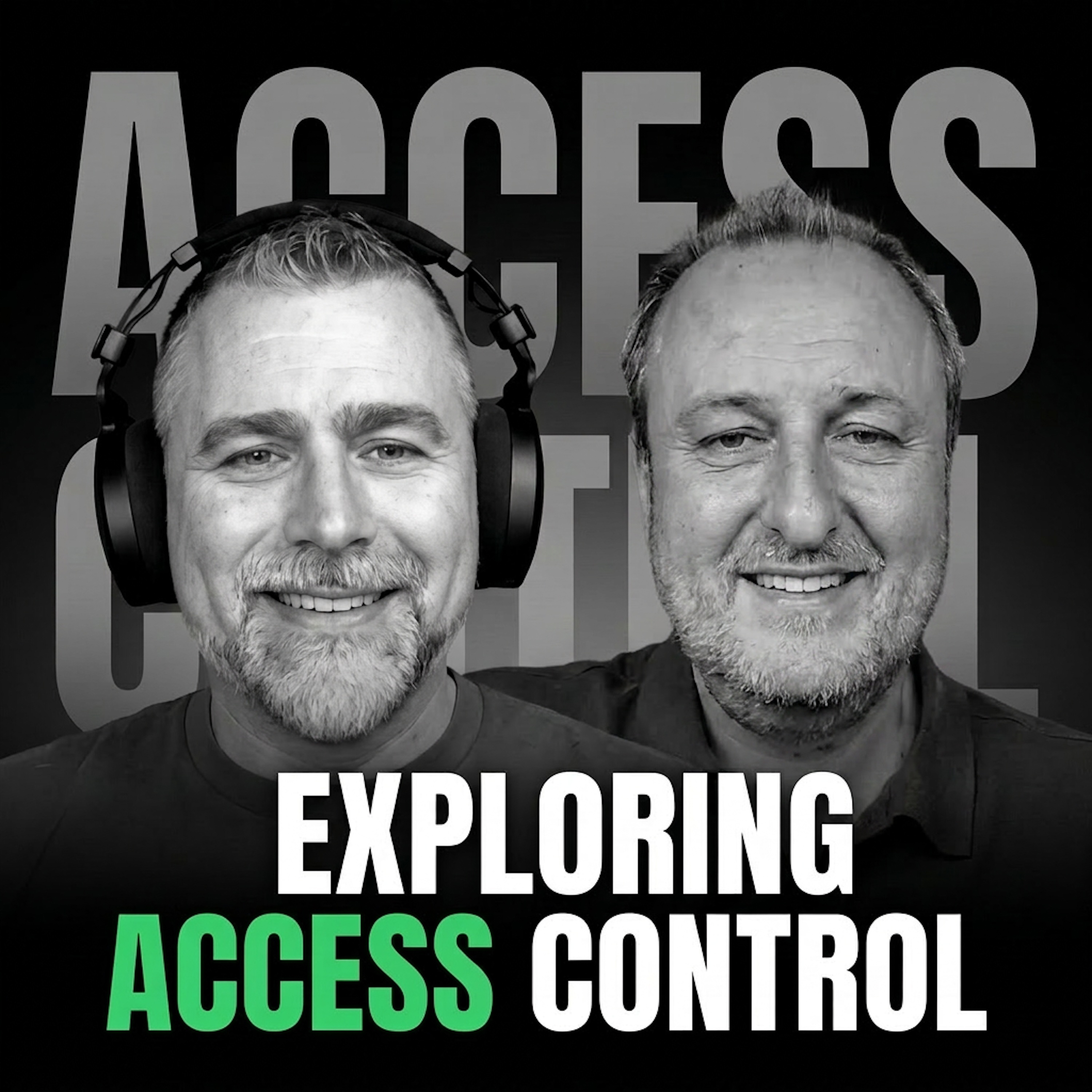
Episode #37
Navigating the Convergence of Physical Security and Digital Access | Daniel
Daniel Raines, a luminary in the realm of electronic security, shares his extensive journey through the intricate landscape of physical security and digital access. With three decades of experience, he has transitioned from hands-on installation of access control systems to software development, addressing vulnerabilities and enhancing security measures. Our discourse delves into the convergence of physical and digital security, exploring the nuances of vulnerability disclosure and the industry's response to emerging threats. Raines elucidates the complexities of hard-coded encryption keys and the imperative for robust security practices, particularly as the industry shifts towards mobile credentials and biometric solutions. This episode serves as a profound exploration of security's evolving nature, emphasizing the significance of adapting to technological advancements and fostering a culture of continuous learning and improvement. Daniel Raines' extensive career within the electronic security industry, spanning over three decades, serves as a testament to the evolving landscape of physical security and digital access. Initially immersed in the practical aspects of the field, Raines dedicated the first fifteen years to the installation of physical access control systems, including surveillance cameras and biometric solutions. However, he subsequently transitioned into software development, focusing on creating robust systems for access control and security research. This shift was catalyzed by his encounters with software vulnerabilities, which sparked a deep dive into ethical hacking and vulnerability disclosure. Raines' narrative illustrates not only his personal journey but also the critical intersection of physical and digital security, emphasizing the need for improved practices in vulnerability reporting and response within the industry. The discussion between Raines and the host, Joe Carson, delves into the intricacies of vulnerability disclosure in the realm of access control systems. Raines categorizes companies' responses to vulnerability reports into three distinct groups: those that are receptive and proactive, those that provide minimal feedback, and those that are entirely unresponsive. This classification underscores the varying maturity levels within the industry regarding security practices. Furthermore, Raines highlights the pressing issue of hard-coded credentials and encryption keys, which present significant security risks if not adequately addressed. The conversation also touches on the ongoing evolution towards mobile credentials and biometric systems, reflecting a broader trend towards enhancing security while minimizing user friction. Raines' insights serve as a clarion call for greater accountability and proactive measures in safeguarding both physical and digital access points. In a landscape increasingly characterized by the convergence of physical security and digital access, Daniel Raines' experiences and insights illuminate the paramount importance of vigilance and innovation in the electronic security industry. His journey from hands-on installation to software development exemplifies the dynamic nature of the field, where technological advancements continually reshape the strategies employed to secure environments. Raines articulates the necessity of adopting best practices in addressing vulnerabilities, particularly emphasizing the detrimental effects of hard-coded keys and unsecured systems. As the conversation progresses, it becomes evident that the industry is at a pivotal juncture, with a notable shift towards mobile credentials and cloud-based solutions. This transition not only enhances operational efficiency but also raises questions about data privacy and security in the cloud. Raines’ reflections serve as a vital reminder of the ongoing challenges and opportunities within the realm of electronic security, urging both practitioners and organizations to remain proactive in adapting to the evolving landscape. Takeaways: Daniel Raines has accumulated approximately three decades of experience in the electronic security industry, transitioning from hands-on installations to software development. The conversation highlights the critical intersection of physical security and digital access control, illustrating how these domains converge in today's security landscape. Raines emphasizes the importance of ethical vulnerability disclosure practices within the electronic security industry, advocating for responsible reporting of security flaws. As technology evolves, there is a notable shift from traditional physical access methods to more advanced mobile credentials and biometric solutions, enhancing security measures. The discussion reveals that hard-coded encryption keys and default passwords remain prevalent vulnerabilities, underscoring the need for improved security practices in software design. Raines advocates for a proactive learning approach, encouraging individuals interested in security to engage practically with hardware and software to deepen their understanding.