Stimulating Brains
#82: Doris Wang – Adaptive DBS, the Rhythm of Walking, and Restoring Human Movement
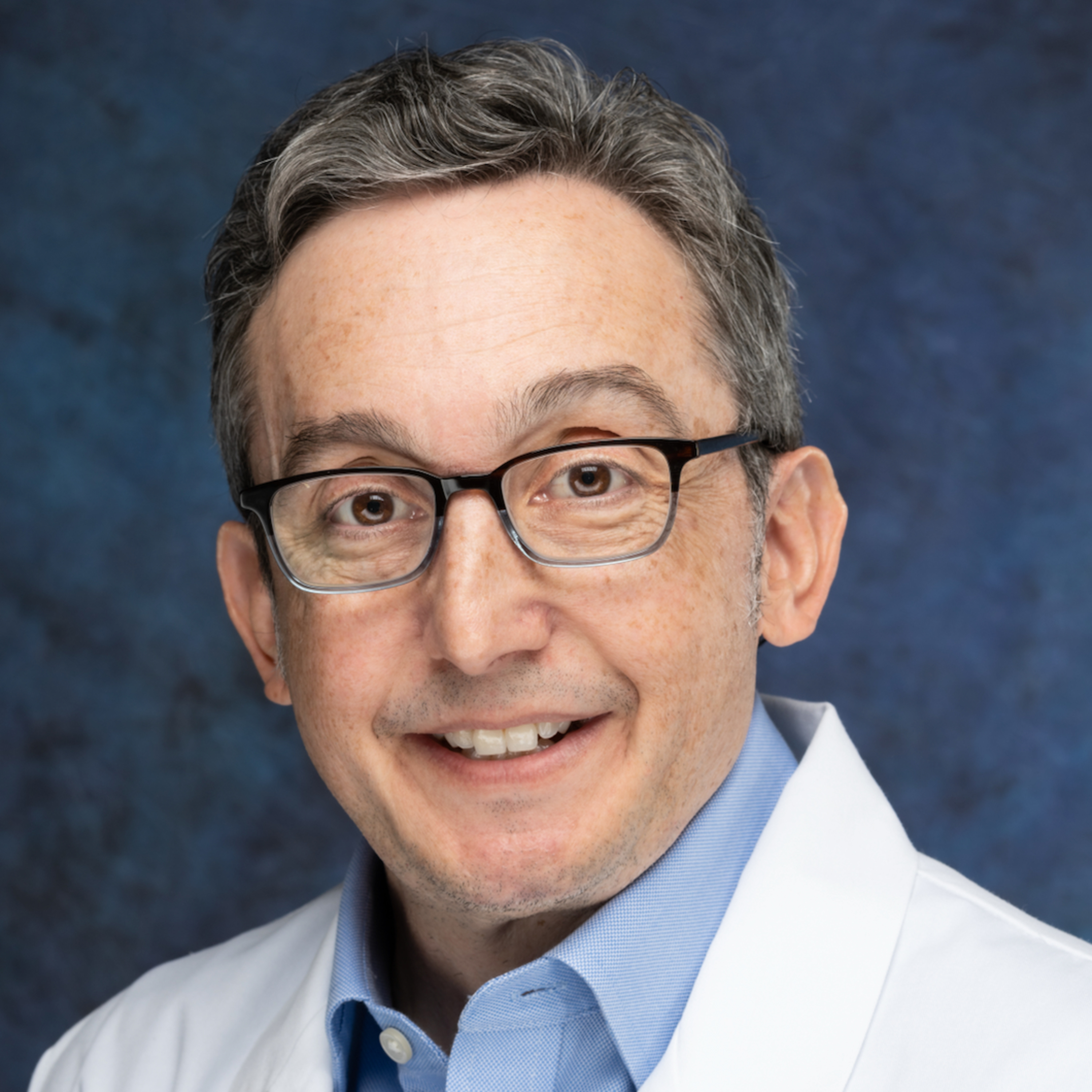
Doris D. Wang is an associate professor of neurological surgery at the University of California, San Francisco, a functional neurosurgeon specializing in movement disorders, and a systems neuroscientist studying how human brain circuits generate and restore movement. In this episode of Stimulating Brains , we focus on her new study in Nature Medicine . In five people with Parkinson’s disease, her team identified personalized brain signals associated with individual phases of walking and used them to adjust deep brain stimulation within fractions of a second. Three participants subsequently tested the fully implantable system at home in a blinded crossover study. We discuss why gait and balance remain difficult to treat even when DBS successfully controls tremor, rigidity, and bradykinesia; how falls and freezing may reflect different circuit problems; why useful neural signals differ between people and hemispheres; and what it means to synchronize stimulation with the moment-by-moment rhythm of walking. Doris also describes her path from developmental neuroscience to neurosurgery, the move from brief laboratory recordings to chronic brain sensing during everyday life, and the challenge of combining surgery, patient care, engineering, and human neurophysiology. We explore motor learning, focused ultrasound, patient agency, scientific collaboration, and whether future neuromodulation systems might do more than suppress pathological activity – perhaps restoring physiological dynamics at precisely the right moment.