Welcome to Supervision Simplified, the podcast for mental health clinical supervisors doing the real work—in the real world. Hosted by nationally credentialed clinical supervisor and leadership consultant Dr. Amy Parks, this show explores the messy, meaningful, and transformative world of clinical supervision. Whether you're guiding new clinicians, navigating complex cases, or just trying to keep your paperwork organized, you'll find practical tools, relatable stories, and candid conversations that actually help. Dr. Parks has supervised hundreds of interns and pre-licensed clinicians, trained supervisors across the country, and built a thriving group practice from the ground up. She’s on a mission to educate and elevate counselors, social workers, and psychologists—empowering them to serve their clients with integrity, clarity, and confidence. And yes—she breaks down supervision in a way even your grandma could understand. If you're ready to stop checking boxes and start creating transformational supervision experiences, Supervision Simplified is your new home. Let’s make supervision simpler, smarter, and more human—together.
Pitch Analysis
Required Pod Score for this show. PitchCentric checks your profile against host openness, topical fit, and audience signals before you generate a pitch.
Contact path
Public web form
Booking probability
31%
Guest openness
Selective
80/100
Required Score
Sign up to generate a grounded pitch for Supervision Simplified.
Supervision Simplified is a business podcast hosted by Unknown Host, with 65 episodes on record and a Required Pod Score of 80. PitchCentric scores this show on Booking Probability, Listen Score, and live audience signals refreshed every 24 hours.
About the host
Unknown Host hosts Supervision Simplified, a business show with 65 episodes published.
Our AI reads these to draft pitches. Use them as grounding for a pitch that cites a real guest and a specific topic.
Episode #65
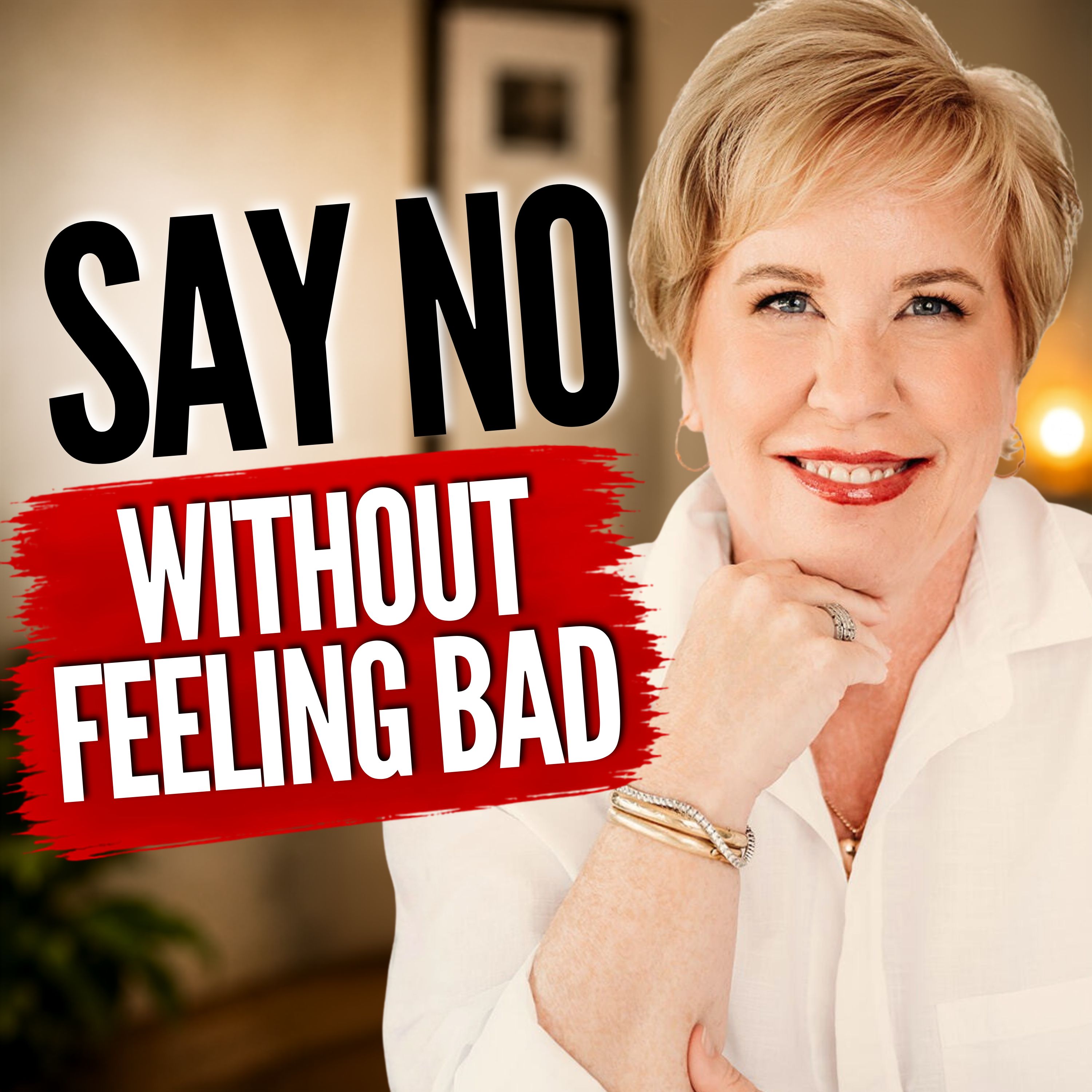
How to Say No Without Feeling Guilty
Aug 5, 202627 minS2
Saying no sounds simple—until you're sitting across from a client, responding to a colleague, talking with a supervisor, or trying not to disappoint someone who needs you. In this episode of Supervision Simplified, Dr. Amy Parks explores why so many mental health professionals struggle with boundaries—not because they don't care, but because they were never taught how to hold them under real-world pressure. You'll learn: Why guilt is often the biggest barrier to healthy boundaries. The four places clinicians most commonly struggle to say no. How supervisors can model healthy boundaries instead of unintentionally reinforcing burnout. Practical strategies you can begin using immediately. Whether you're a therapist, counselor, psychologist, social worker, supervisor, or other mental health professional, this episode will help you build healthier boundaries, reduce burnout, and care for others without sacrificing yourself.
The Leadership Blind Spot Most Supervisors Never See
Jul 8, 202640 minS2
Most supervisors don't struggle because they lack knowledge—they struggle because they don't always recognize their own blind spots. In this episode of Supervision Simplified , Dr. Amy Parks is joined by Julia Nepini, LICSW, to explore how self-awareness influences leadership, communication, conflict, and clinical supervision. Using the Enneagram as a practical framework, they discuss how personality patterns shape the way we lead, give feedback, navigate difficult conversations, and support clinicians with different needs. Whether you're an experienced supervisor, a practice owner, or stepping into leadership for the first time, this conversation offers practical insights to help you become a more intentional and effective leader. In this episode, you'll learn: Why self-awareness is one of a supervisor's greatest leadership tools How personality influences communication and conflict Common leadership blind spots that affect supervision How the Enneagram can strengthen your supervision and leadership style Practical ways to better support clinicians with different personalities If you've ever wondered why certain leadership challenges keep repeating—or why some conversations seem harder than they should—this episode will help you see your leadership through a new lens. Originally recorded in 2025, this conversation remains one of our most valuable discussions on self-awareness and clinical leadership.
Why Good Clinicians Struggle as Supervisors with Sharon Greene, LCSW
Jun 24, 202640 minS2
Many clinicians assume that being a great therapist naturally translates into being a great clinical supervisor. But supervision requires an entirely different set of skills. In this episode of Supervision Simplified, Dr. Amy Parks is joined by Sharon Greene, LCSW, clinical supervisor, educator, and founder of Mental Health CE Hub, for a conversation about what separates effective supervisors from effective clinicians. Together they discuss competency-based supervision, developmental supervision models, constructive feedback, ethics, documentation, burnout prevention, and the practical tools supervisors can use to better support the next generation of mental health professionals. Whether you're a new supervisor, seasoned clinical leader, or therapist considering a supervisory role, this episode offers actionable insights you can apply immediately. Topics discussed: • Why being a good clinician doesn't automatically make you a good supervisor • Constructive feedback that supervisees actually appreciate • Competency-based supervision and developmental models • Documentation, ethics, and risk mitigation • Building confidence as a clinical supervisor • The future of supervisor training Connect with Sharon Greene: 🌐 https://www.sharongreenelcsw.com 🙏 https://www.mentalhealthcehub.com Subscribe to Supervision Simplified for practical conversations on clinical supervision, leadership, ethics, and professional development.
No One Says This: Real Questions Every Clinician Quietly Wonders About
May 27, 202630 minS2
<p>What questions do mental health professionals quietly wonder about—but rarely ask out loud?</p><p></p><p>In this Q&A episode of Supervision Simplified, Dr. Amy Parks answers some of the most common questions she hears from clinicians, supervisors, and mental health leaders across the field.</p><p></p><p>From figuring out whether you’re ready to become a supervisor… to handling imposter syndrome… to understanding how supervision can reduce burnout and strengthen ethical decision-making… this episode is a real-world conversation about the challenges many clinicians carry quietly behind the scenes.</p><p></p><p>Inside this episo...
Your Supervisees Are Absorbing Your Nervous System
May 13, 202632 minS2
<p>Your supervisees are learning more than interventions, case conceptualization, and clinical skills… they’re learning you.</p><p>In this episode of Supervision Simplified, Dr. Amy Parks explores one of the most overlooked truths in clinical leadership: your supervisees are constantly absorbing your nervous system, emotional regulation, conflict style, and ability to stay grounded under pressure.</p><p>Whether you’re a clinical supervisor, therapist, practice owner, educator, or emerging leader in mental health, this conversation will challenge the way you think about influence, emotional safety, and the ripple effect of your leadership.</p><p>In this episode:</p><p>✔ Wh...
Every question we get asked before someone starts their trial.
If you have a concern about deliverability, AI quality, data privacy, or whether this will actually work for your specific situation, it's probably answered below.
What is the difference between Founder Solo and Founder Pro?
Founder Solo gives you 50 AI pitches per month using the credit model (Standard pitches cost 1 credit, Enriched pitches cost 2). Founder Pro raises that to 200 credits per month and adds full Booking Probability access, unlimited Magic Match, Apollo enrichment credits, and data export capabilities. Both plans use the same credit system, so you can stretch your monthly budget further by using Standard-mode drafting.
How do agency tiers work?
Agency tiers have no base fee. You pay per managed client and per talent profile. Agency Standard is $199 per client per month; Agency Pro is $399 per client per month. Both add $39 per talent profile per month. Your own team's user seats are always free.
What is a talent profile?
A talent profile represents one person (founder, executive, or spokesperson) you are booking onto podcasts. It includes their bio, topics, headshots, and outreach history. Team plans include 5 profiles; agency plans are pay-as-you-go.
Can I switch plans later?
Yes, at any time. Upgrades take effect immediately; downgrades apply at the end of the current billing period. Contact support if you need help migrating between plan families.
Do you offer a free trial?
Every paid plan includes a 15-day free trial. Your card is saved at signup but you will not be charged until day 16. Cancel any time from your dashboard.
What happens if I cancel?
You keep access until the end of your current billing period. No charges after that. Your data is retained for 30 days in case you reactivate.
Is the 20% annual discount automatic?
Yes. Select Annual on the pricing toggle and the discounted price is applied automatically at checkout. The annual price shown is the full year cost.
What if I have more than 50 profiles or 20 clients?
That is our Enterprise tier. Contact our sales team and we will build a custom plan with volume pricing, a dedicated account manager, and SLA guarantees.