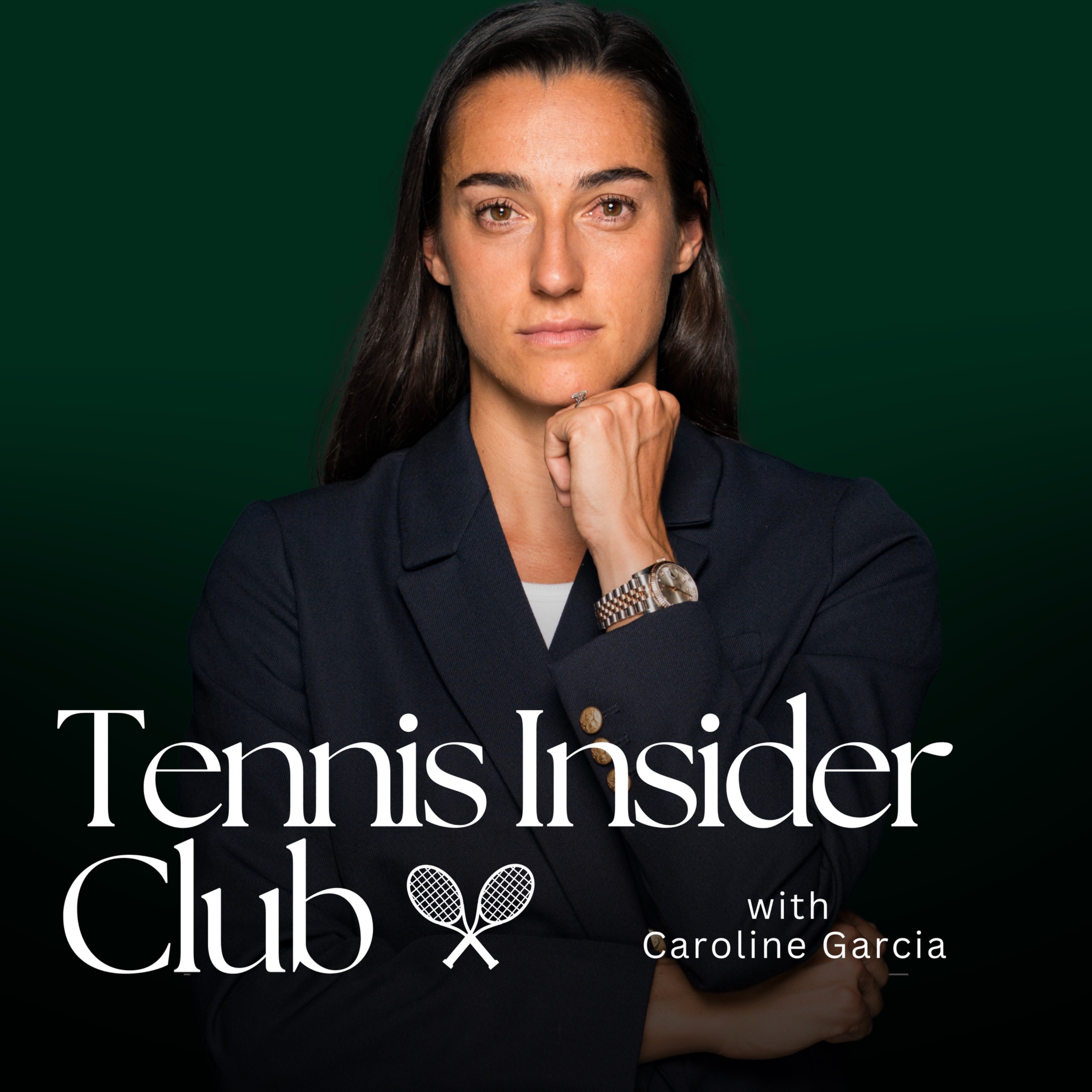
Unfiltered conversations with the world’s best tennis players, on the game, the pressure, and the person behind the rankings. Hosted by tennis pro Caroline Garcia and Borja Duran. The side of pro tennis you never see on TV. Including guests like Iga Swiatek, John McEnroe, Naomi Osaka, Taylor Fritz, Jessica Pegula, Nick Kyrgios, Ana Ivanovic, Jannik Sinner's coach, Eva Lys, Bryan Shelton, Justin Henin, Brad Gilbert. Stefanos Tsitsipas, Patrick Mouratoglou, Ons Jabeur or Andrey Rublev. Hosted on Acast. See acast.com/privacy for more information.
Pitch Analysis
Required Pod Score for this show. PitchCentric checks your profile against host openness, topical fit, and audience signals before you generate a pitch.
Contact path
Verified email
Booking probability
33%
Guest openness
Selective
Verified email on file
81/100
Required Score
Sign up to generate a grounded pitch for Tennis Insider Club with Caro Garcia.
Tennis Insider Club with Caro Garcia is a sports podcast hosted by Unknown Host, with 68 episodes on record and a Required Pod Score of 81. PitchCentric scores this show on Booking Probability, Listen Score, and live audience signals refreshed every 24 hours.
About the host
Unknown Host hosts Tennis Insider Club with Caro Garcia, a sports show with 68 episodes published.
Our AI reads these to draft pitches. Use them as grounding for a pitch that cites a real guest and a specific topic.
Episode #23
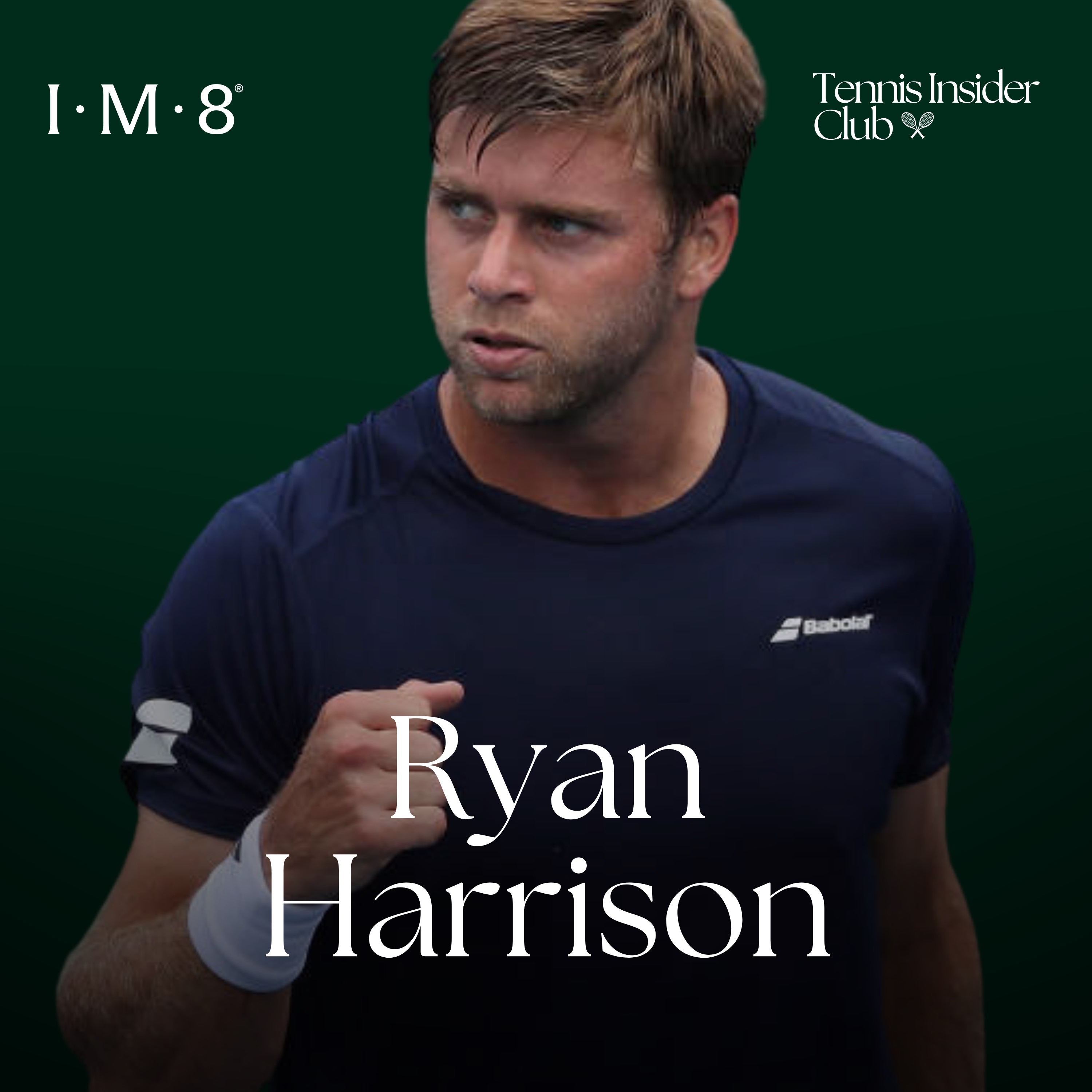
Ryan Harrison: Coaching Sebastian Korda, Beating Alcaraz & What Great Coaches Do Differently
Aug 10, 202659 minS3
Ryan Harrison joins Caroline Garcia and Borja Duran for a deep dive into what elite tennis coaching actually looks like — and why some of the most common advice players receive may not help them at all. Now coaching Sebastian Korda, Ryan takes us inside the process of helping a player navigate pressure, setbacks and the biggest moments. He explains how Korda went from losing five straight points from 5–2 up in a deciding tiebreak against Taylor Fritz to handling the pressure differently weeks later against Carlos. Ryan also reflects on his own experience as a teenage prodigy, winning an ATP match at just 15, dealing with expectations and injuries, and what he wishes he had understood much earlier in his career. We get into why players can become obsessed with results instead of improvement, why tennis practice is often too generic, how players should actually choose a coach, and why telling someone to simply “be aggressive” means very little unless you can explain how. Ryan also turns coach for Caroline, breaking down how he would approach a match against Danielle Collins, before discussing parents in tennis, team dynamics, data, on-court coaching and his relationship with his brother Christian Harrison. CHAPTERS 00:00 Ryan Harrison’s tennis upbringing & being coached by his dad 01:18 Winning an ATP match at 15: when tennis became real 02:07 Pressure, plateaus & the prodigy trap 08:00 How Ryan’s parents helped him handle the pressure 12:09 What Ryan wishes he understood as a player 15:26 Injuries, COVID & how adversity shaped him as a coach 19:08 Korda vs Fritz → Carlos: learning how to close 21:17 Coaching men vs women 23:42 How Ryan would coach Caroline against Danielle Collins 27:38 Why tennis practice is often too generic 29:52 Stop chasing immediate results 35:23 How tennis players should choose a coach 40:12 On-court coaching, trust & solving matches in real time 43:19 Why “be aggressive” means nothing 45:07 How Ryan uses data without overwhelming players 48:30 What he would tell a 15-year-old prodigy today 50:26 Parents in tennis: knowing when to step back 55:47 Christian Harrison: from sibling rivalry to unconditional support Hosted on Acast. See acast.com/privacy for more information.
Brad Gilbert: Why You Lose Matches You Should Win - Andre Agassi & Winning Ugly
Aug 3, 202623 minS3
Why do tennis players lose matches they should win? Legendary coach and former World No. 4 Brad Gilbert breaks down the tactics, mindset and tiny margins that separate winning from losing — with lessons from coaching Andre Agassi and insights on Roger Federer, Novak Djokovic and Caroline Garcia. Brad explains why he once told Agassi, “I never beat you. You lost to yourself,” and how changing the way Andre thought about risk helped transform his results. In this episode of The Insight, Brad reveals: • Why hitting more winners doesn’t necessarily mean playing better tennis • The mistake players make when a game plan stops working • Why you shouldn’t change a winning strategy until your opponent forces you to • How just 5–7 points can decide an entire match • What Roger Federer’s 53% of points won teaches us about greatness • The tactic Andre Agassi hated — even while it was helping him win • Why Novak Djokovic is so effective in pressure moments and tiebreaks • How elite players prepare before a Grand Slam • Why one bad match can never be allowed to become five Brad Gilbert built his career around understanding how to win — even when winning doesn’t look pretty. This is a masterclass in playing smarter, managing risk and trusting your strengths when the pressure is highest. CHAPTERS 00:00 “You lost to yourself” — Brad on Andre Agassi 02:00 Why Caroline Garcia plays “massively risky” 03:20 When your game plan isn’t working 05:00 Don’t change a winning hand 06:30 The tiny margins that decide tennis matches 07:20 Federer won only 53% of his points 08:15 The statistic Brad changed with Agassi 10:00 Why great players need to adapt 11:45 The tactic Andre Agassi hated 13:30 How to play under pressure 15:00 Why Djokovic is so good in tiebreaks 17:00 Greatness happens in practice 18:00 You don’t need to beat the whole draw 19:00 How champions approach Grand Slams 22:15 The matches that determine your ranking If you enjoy conversations that go beyond the headlines and inside the minds of the people who know professional tennis best, subscribe to Tennis Insider Club. #BradGilbert #AndreAgassi #Tennis #TennisTips #WinningUgly #NovakDjokovic #RogerFederer #CarolineGarcia Hosted on Acast. See acast.com/privacy for more information.
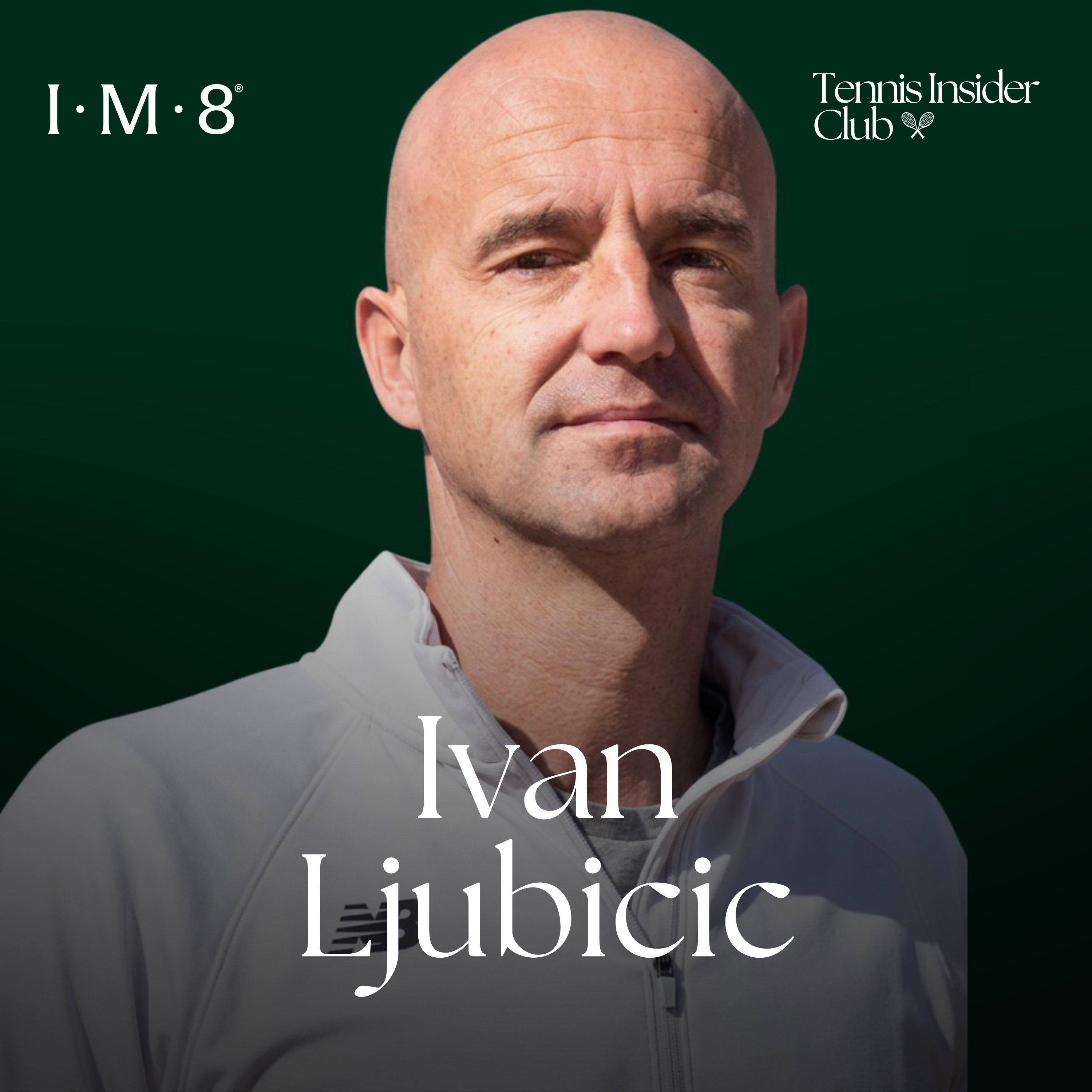
Ivan Ljubicic: How to Raise a Champion Without Breaking Them
Jul 29, 20261h 5mS3
Can a parent also be the coach? And can perfectionism create greatness without destroying the person? Former world No. 3 and Roger Federer’s former coach Ivan Ljubicic joins Caroline Garcia and Borja Duran for an honest conversation about tennis parents, junior development, elite coaching and the hidden cost of becoming one of the best. Ivan explains why parents should be responsible for developing the human being—not coaching the tennis player—and how even a small expression of doubt can undermine a child’s relationship with their coach. He discusses parents who project their own ambitions, the difficult transition toward independence, and why a parent can never fully occupy both roles. They also explore why results should not be the objective, how Jannik Sinner focuses on constant improvement, why junior success can be misleading, and what players should value when choosing a coach. Ivan then reveals what made Roger Federer so professional and coachable, how Federer treated the people around him, and why the greatest players never stop adding new tools to their game. In this episode: • The biggest mistakes tennis parents make • How to raise an ambitious but independent young athlete • Why results are outside a player’s control • The relationship between perfectionism, success and happiness • How to choose the right coach • Why player and coach must share the same ambition • The danger of becoming successful too young • How elite tennis teams are built • What players can learn from Roger Federer • Why players must take ownership of their careers Can a parent successfully be both the parent and the coach? Share your perspective in the episode comments. Follow Tennis Insider Club for more honest conversations with the greatest players, coaches and minds in tennis. Hosted on Acast. See acast.com/privacy for more information.
Corentin Moutet on Winning, Anger and the Person Behind the Headlines
Jul 13, 202657 minS3
Corentin Moutet is known for playing—and reacting—differently. But behind the emotional moments and public labels is a player trying to understand why losing once felt unbearable, why tennis celebrates personality and then punishes it, and how to find peace in a sport he still loves. In this honest conversation with Caroline Garcia and Borja Durán, Corentin explains why he never learned how to lose, how winning became connected to his self-worth, why he struggled to control his emotions, and what facing Carlos Alcaraz revealed about his game. He also opens up about being misunderstood as lazy, the freedom he finds through music, his unique relationship with Roland-Garros, why he believes tennis culture must evolve, and the goal that matters more to him than rankings or money: finding peace before his career ends. TIMESTAMPS 00:00 Why Moutet couldn’t stop breaking rackets 01:00 Growing up with tennis as a game 06:00 The origins of his unique playing style 08:00 Why he never learned how to lose 13:00 Anger, rackets and emotional control 15:00 When winning became personal worth 21:00 The mentality hurting professional athletes 23:00 Tennis promotes personality—then punishes it 27:00 What Carlos Alcaraz exposed in his game 33:00 Unlearning childhood beliefs 36:00 Music, balance and being misunderstood 44:00 Why Roland-Garros feels like home 47:00 Why tennis culture must change 49:00 “Tennis is boring” and the ATP contradiction 52:00 His goals beyond results 56:00 Finding peace before retirement Tennis Insider Club is where the people who have lived professional tennis share the stories and lessons fans rarely get to hear. Subscribe for more honest, player-to-player conversations from inside the tour. LISTEN TO TENNIS INSIDER CLUB Listen on Spotify: https://open.spotify.com/show/1SDHHtfQmUS0TyP8wqJEh9 Listen on Apple Podcasts: https://podcasts.apple.com/us/podcast/tennis-insider-club/id1721351881 FOLLOW TENNIS INSIDER CLUB Instagram: https://www.instagram.com/tennisinsiderclub/ X: https://x.com/tennisinsidercl Hosted on Acast. See acast.com/privacy for more information.
Marta Kostyuk’s Coach Sandra Zaniewska on Emotions, Pressure & Winning
Jun 15, 202659 minS3
<p>Marta Kostyuk’s coach Sandra Zaniewska joins Caroline Garcia and Borja Duran on Tennis Insider Club for a deep conversation about emotions, pressure, coaching, parents, data, recovery and what it really takes to build a top tennis player.</p><br><p>Sandra shares how she went from professional player to coach, what she learned from working with Petra Martić and Alizé Cornet, and how she built a long-term relationship with Marta Kostyuk. She explains why she loves emotional players, why the goal is not to get rid of emotions, and how Marta is learning to turn them into strength.</p><b...
Every question we get asked before someone starts their trial.
If you have a concern about deliverability, AI quality, data privacy, or whether this will actually work for your specific situation, it's probably answered below.
What is the difference between Founder Solo and Founder Pro?
Founder Solo gives you 50 AI pitches per month using the credit model (Standard pitches cost 1 credit, Enriched pitches cost 2). Founder Pro raises that to 200 credits per month and adds full Booking Probability access, unlimited Magic Match, Apollo enrichment credits, and data export capabilities. Both plans use the same credit system, so you can stretch your monthly budget further by using Standard-mode drafting.
How do agency tiers work?
Agency tiers have no base fee. You pay per managed client and per talent profile. Agency Standard is $199 per client per month; Agency Pro is $399 per client per month. Both add $39 per talent profile per month. Your own team's user seats are always free.
What is a talent profile?
A talent profile represents one person (founder, executive, or spokesperson) you are booking onto podcasts. It includes their bio, topics, headshots, and outreach history. Team plans include 5 profiles; agency plans are pay-as-you-go.
Can I switch plans later?
Yes, at any time. Upgrades take effect immediately; downgrades apply at the end of the current billing period. Contact support if you need help migrating between plan families.
Do you offer a free trial?
Every paid plan includes a 15-day free trial. Your card is saved at signup but you will not be charged until day 16. Cancel any time from your dashboard.
What happens if I cancel?
You keep access until the end of your current billing period. No charges after that. Your data is retained for 30 days in case you reactivate.
Is the 20% annual discount automatic?
Yes. Select Annual on the pricing toggle and the discounted price is applied automatically at checkout. The annual price shown is the full year cost.
What if I have more than 50 profiles or 20 clients?
That is our Enterprise tier. Contact our sales team and we will build a custom plan with volume pricing, a dedicated account manager, and SLA guarantees.