Episode #28
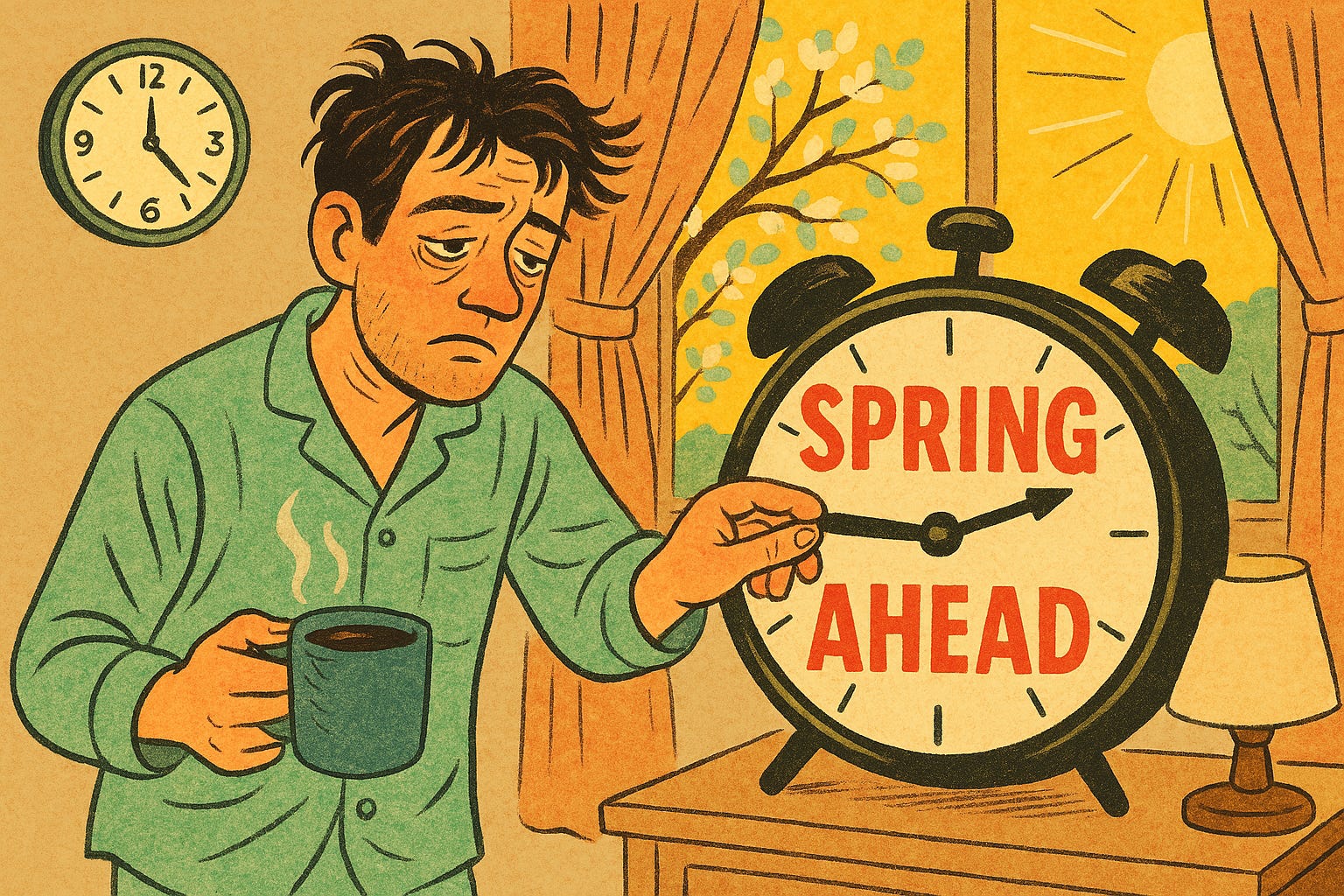
Springing Forward Without Falling Apart
Feb 25, 202615 minS0
<p>When we “spring ahead,” we don’t just lose an hour on the clock; we disrupt the internal rhythm that governs sleep, stress, mood, and recovery.</p><p>Research shows measurable increases in heart attacks, strokes, vehicle crashes, and workplace injuries in the days following the daylight saving time shift. For first responders and anyone living under chronic stress, that one-hour change can hit harder than expected - especially as we age.</p><p>In this episode, Roy breaks down:</p><p>• What daylight saving time actually does to your nervous system• Why sleep disruption costs more in your 40s and 50s...