The Catherine Plano Podcast
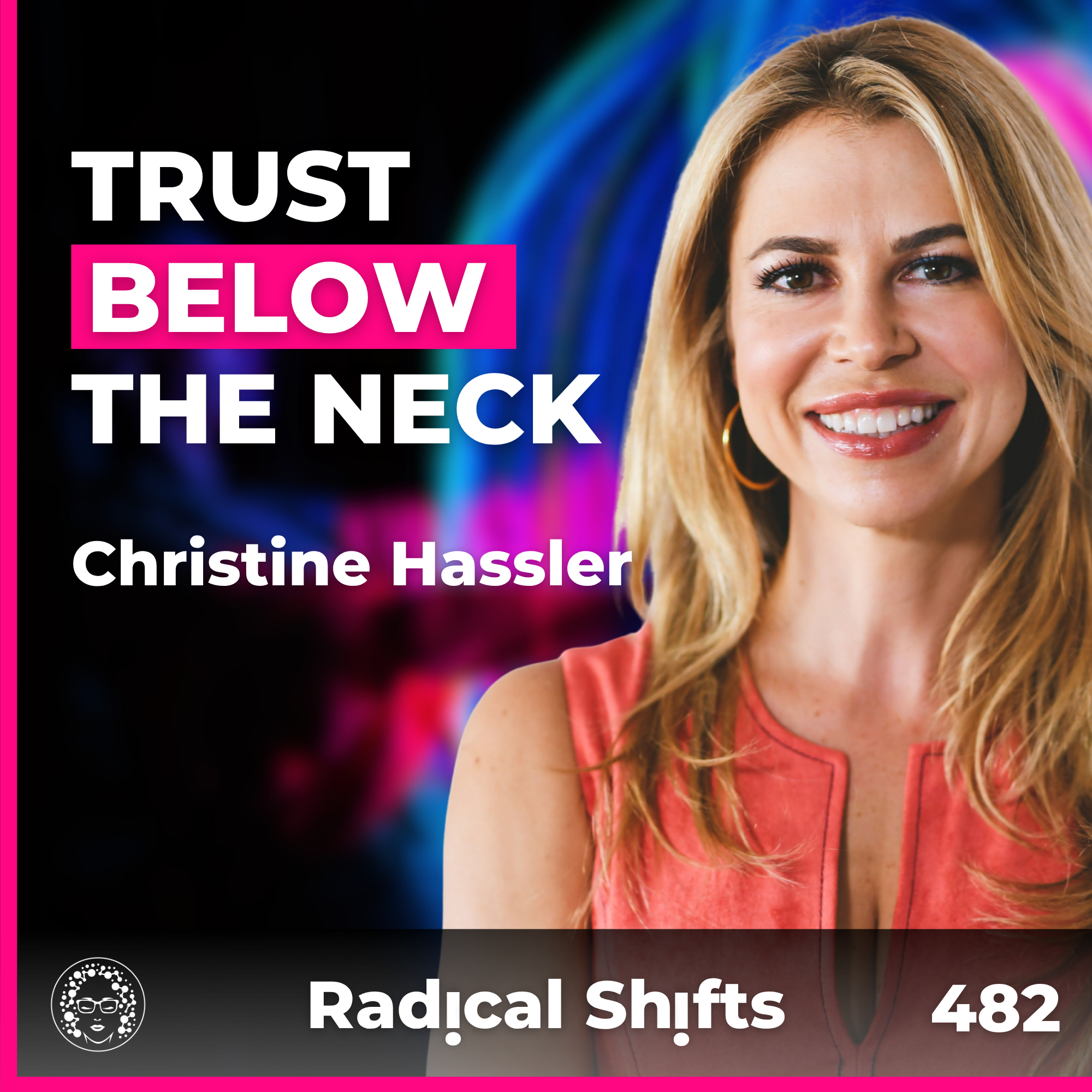
EP 482: Women Have Bought Into a Very Old Programme About Being Chosen with Christine Hassler
Ready to turn your gift for helping people into a real coaching career? Visit: https://riseandthriveglobal.com/positive-psychology-coaching/ Christine Hassler sees so many high-achieving, emotionally intelligent, spiritually focused women going from shaman to astrologer to course, trying to work out what they need to do to find love. She advises against it, because the searching itself reinforces the belief that something is wrong with you. A master coach, spiritual psychologist and best-selling author of three books, including Expectation Hangover, Christine knows the territory personally. In her early twenties, she was a successful agent in the entertainment industry, and the money, the job and the guy all arrived. She still was not happy. Then her health, her engagement, her job and her family relationships fell apart at once, and she came face to face with how little self-worth she had. It was all outsourced. She had been seeing psychiatrists and psychologists since she was 11, but the question that changed things was a new one: what is this here to teach me? The old programme of being chosen Christine believes many women have bought into a very old programme about being chosen. When partnership does not arrive, the belief, conscious or not, becomes there must be something wrong with me, and every new course or healer reinforces it. The better question, she says, is what is my partnership to myself? She finds the women who struggle most to draw in a partner have often had to become hyper-independent, whether through being hurt or parentified too early. They long for love, but a protector part steps in front of the part that wants it and says we are safer on our own. The work is not fixing something broken. It is remembering who you really are. A guard, not a wall Catherine admitted that even when she practises love, a wall goes up. Christine offered a different image. There is no wall around the heart. There is a guard who believes it is her job to keep you from getting hurt. Christine calls discernment one of the feminine superpowers that is not talked about enough, a clear bodily yes or no that is different from intuition. Once you have done the work, that wisdom is embodied, and the guard can take a break. Override it, and you simply get a do over, the chance to learn the same lesson again. You can trust below the neck over between the ears, she says, most of the time. Finding the rage At her Women’s Retreat, Christine leads a grief release and then an anger burn, in that order, because women will give themselves permission to feel sadness but rarely go for their rage. She is clear this is intentional, trauma-informed work, not reactivity and not just catharsis. She thinks something that kills women, both literally and metaphorically, is holding rage inside until it becomes resentment, depression and disease. Our anger, she says, is our power and our passion. Of course I did that Asked whether we should aim to live in our hearts all the time, Christine pushed back on the pressure. When a nationwide shortage of estrogen patches in America had her calling ten pharmacies, she was not in her heart, and she did not judge herself for it. Of course she was fired up. She forgave herself and moved on with her day. The pressure she sees women put on themselves never to be triggered is, in her words, ridiculous. Brains get hijacked. What matters is having tools to come back. Not fixing, but giving Christine was engaged three times, married twice and divorced once before meeting her husband Steph at around 40. Looking back, each relationship reflected something she was learning. She is firm that inner child work is not fixing. It is giving yourself the childhood you never had and becoming your own advocate. Her advice on where to start is to dig where you are. Find your biggest expectation hangover and ask, what does this remind me of? Christine left us with three shiny golden nuggets. When you notice yourself reacting, put a hand on your heart and try the “Of Course” method: of course I feel this way, it makes sense, it is not a problem. When you feel dysregulated, gently knock on your bones, elbows and ribs especially, while you breathe, to give your nervous system parasympathetic input. And remember you are a spiritual being having a human experience. Take the pressure off, and have compassion for your humanity. Watch the full conversation on YouTube Find Out More About Christine Hassler Website: https://www.christinehassler.com Instagram: @christinehassler YouTube: https://www.youtube.com/christinehassler Ready to turn your gift for helping people into a real coaching career? Visit: https://riseandthriveglobal.com/positive-psychology-coaching/