The Elder Tree Podcast
Ep. 194: Weight a minute... is this healthy!?
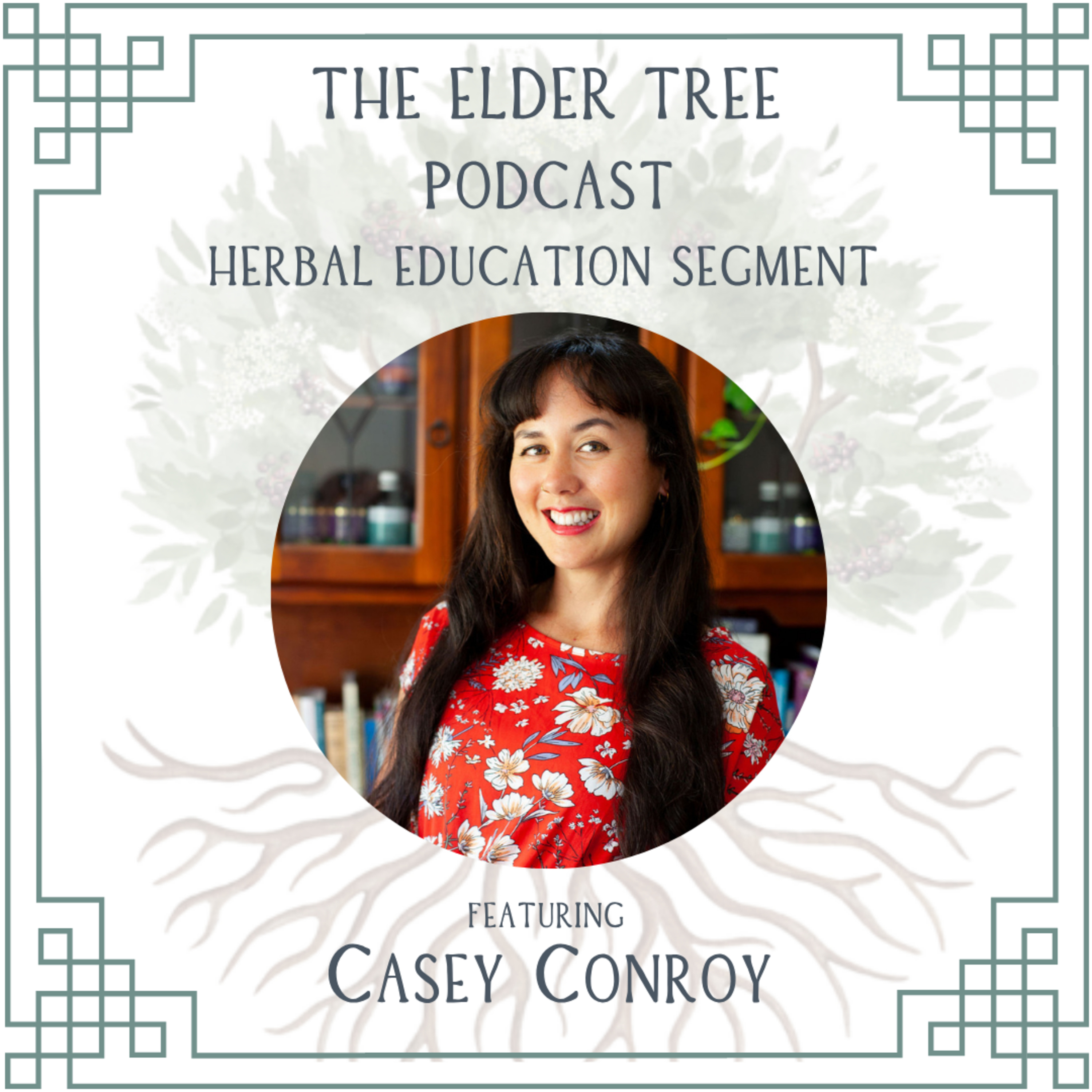
Eating "clean." Skipping breakfast for intermittent fasting. Feeling guilty after carbs. They sound like healthy habits… but are they? In this episode, Cat Green sits down with naturopathCasey Conroy to pull apart the blurry line between wellness culture and disordered eating, and why so many of us- health-conscious folk and practitioners alike- are missing the red flags hiding in plain sight. Casey shares why disordered eating is so much more commonthan most of us realise, especially when restrictive habits get dressed up as "discipline" or "clean living." Together, they explore how naturopathic principles can offer a more grounded, whole-person approach to food and body image, why weight loss so often gets used as a catch-all fix for problems it can't actually solve, and what the research says about the real cost of yo-yo dieting and weight cycling. It's an honest, wide-ranging chat covering wellness culture,body image, the history behind our obsession with body size, and how practitioners and everyday people alike can build a healthier, more compassionate relationship with food; one rooted in curiosity and care rather than control. Casey’s got a tonne of free resources: Instagram Free webinar: Shit, I Think My Client Has Disordered Eating. Now What? Free Guide: 7 Red Flags of Disordered Eating DECIDE practitioner training and her website Casey Conroy is a dietitian and naturopath with aparticular interest in eating disorders, disordered eating and helping practitioners practise in ways that support health without causing more fear around food or bodies. She started her professional life as a veterinarianbefore eventually finding her way into nutrition and natural medicine. Her work is informed by both clinical experience and her own lived experience of an eating disorder, and she now spends much of her time working at the intersection of nutrition, herbal medicine, eating disorder care and weight-inclusive practice. Casey is the creator of DECIDE, a disordered eatingtraining program for naturopaths, nutritionists, herbalists and other natural health practitioners, and she has a particular love of bringing eating disorder-informed practice back to the foundations of naturopathy: First Do No Harm, Treat the Whole Person, and the Therapeutic Order. Connect with Cat Green, Everyday Empowered Instagram and her website and learn about her online membership the Home Herbalist Club *BUY ME A CUPPA* If you liked the episode and want more, a cuppafuelsourwork and time, which is given for free. Leave a comment and a few bucks here: buymeacoffee.com/theeldertree **THE ELDER TREE TROVE PATREON COMMUNITY** You can join our Patreon and gain a deeper connectiontoourpodcast. Pay only $2 per week to have access to bonus and often exclusive resources and opportunities- plus support the Elder tree at the same time! Patreon To find out more about The Elder Tree visit the website orfollow us on Facebook or Instagram or sign up to the newsletter Find out more about this podcast and the Cat at her website, Instagram or Facebook . Get in touch with The Elder Tree at: info@theeldertree.org The intro and outro song is "Sing for the Earth"and was kindlydonated by Chad Wilkins. You can find Chad's music here and here .