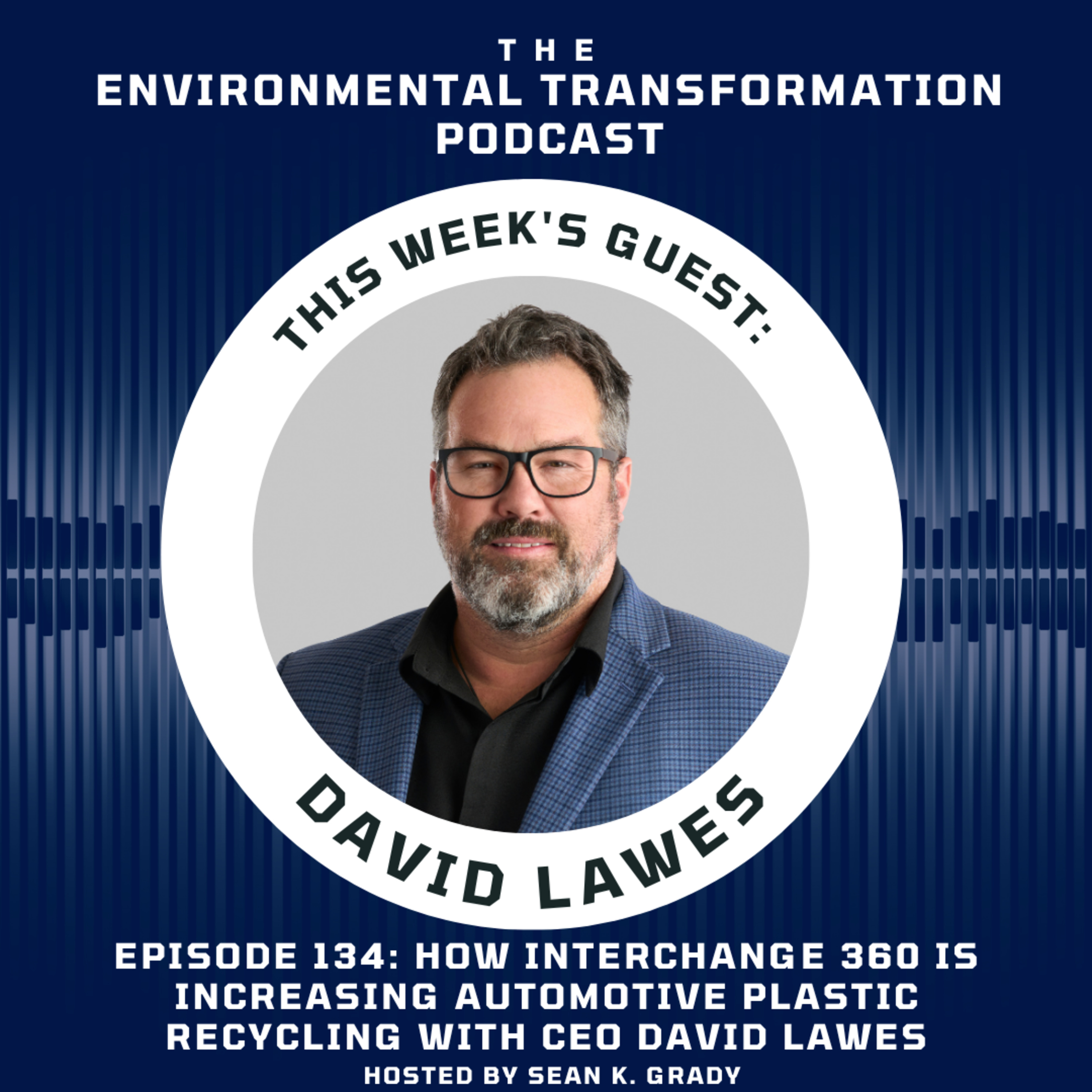
Episode #134
How Interchange 360 is Increasing Automotive Plastic Recycling with CEO David Lawes
Automotive plastic recycling is moving outside the curbside bin as EPR laws push petroleum brands to fund collection systems for used oil and antifreeze containers. David Lawes , CEO of Interchange 360 , explains why petroleum packaging needs a separate recovery system and how the organization is building one across the United States. The effort grew from a Canadian model and brings major petroleum producers under a shared compliance structure for petroleum and automotive packaging. Lawes describes a funding model based largely on product volume, with fees collected upstream and incentives paid to existing trucking, collection and recycling businesses rather than a network of Interchange-owned trucks or facilities. He also explains how auto retailers, household hazardous waste sites and other return locations can serve as convenient alternatives to curbside recycling, where residual oil can contaminate broader material streams. The conversation follows the material after collection. Motor oil containers can be shredded, warmed and processed through a centrifuge to remove residual oil, which can be recycled, while the plastic can move into post-consumer markets and potentially back into new motor oil packaging. Lawes says the long-term goal is a tighter circular system, but processing capacity remains a major constraint, especially in states such as Colorado where the program is building infrastructure from a near-zero starting point. Lawes also discusses why consumer behavior often comes down to two factors: clear communication and convenient drop-off options. He points to British Columbia, where the Canadian program has achieved collection and recycling rates above 90%, as evidence that specialized systems can scale when the network is easy to use. Learn more about the Environmental Transformation Podcast at www.seankgrady.com . #PlasticRecycling #ExtendedProducerResponsibility #CircularEconomy CHAPTERS: 0:00 Recycling Challenge and Introduction 2:00 Five Oil Brands Build a Shared EPR Model 4:00 Why the Canadian Model Was Chosen 6:00 Canada and U.S. Program Differences 9:00 How Volume Based EPR Funding Works 12:00 Incentivizing Existing Recycling Companies 15:00 Alternatives to Curbside Collection 18:00 Sponsor Break 20:00 State by State EPR Compliance 24:00 Circularity and Post Consumer Content 27:00 Building Processing Capacity From Zero 30:00 Cleaning Oil Contaminated HDPE 33:00 Other Materials That Need Separate Systems 36:00 Convenience Drives Recycling Behavior 40:00 Collection Equipment and Retail Incentives 42:00 Colorado Targets and Producer Compliance 45:00 Developing Colorado Processing Capacity 49:00 Building the System for the Long Term TAGS: David Laws recycling, Lawes lubricant recycling, Interchange360 recycling, lubricant container recovery, used oil bottle recycling, petroleum packaging stewardship, alternative collection program, motor oil jug recovery, antifreeze jug disposal, producer responsibility group, Colorado packaging compliance, Washington EPR policy, post consumer resin, HDPE oil bottle processing, circular packaging systems, automotive waste diversion, hazardous waste drop off, recycling incentive model