
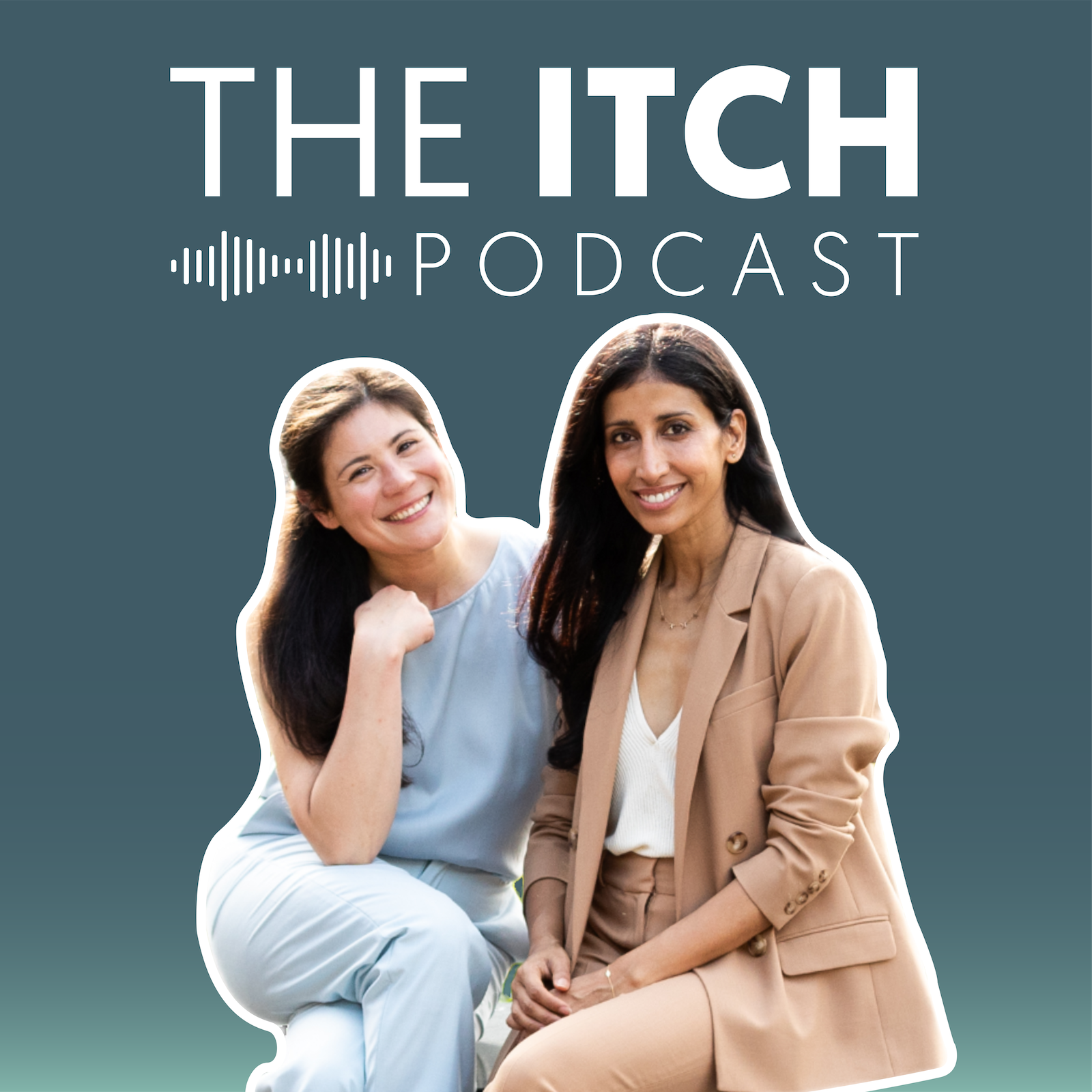
Itching to know more about environmental and food allergies, asthma or immunology? Leave Dr Google at home and tune in as Kortney (a real life food allergy girl) and Dr Gupta (allergist/immunologist) discuss all things allergies, asthma and immunology. They want to bring you the facts in an easily digestible manner. From deep dives to interviews they will cover the science and the lifestyle aspects of life with allergies, asthma or immunology.
Pitch Analysis
Required Pod Score for this show. PitchCentric checks your profile against host openness, topical fit, and audience signals before you generate a pitch.
Contact path
Verified email
Booking probability
35%
Guest openness
Selective
Verified email on file
80/100
Required Score
Sign up to generate a grounded pitch for The Itch: Allergies, Asthma, Eczema & Immunology.
What is The Itch: Allergies, Asthma, Eczema & Immunology?
The Itch: Allergies, Asthma, Eczema & Immunology is a health podcast hosted by Unknown Host, with 172 episodes on record and a Required Pod Score of 80. PitchCentric scores this show on Booking Probability, Listen Score, and live audience signals refreshed every 24 hours.
About the host
Unknown Host hosts The Itch: Allergies, Asthma, Eczema & Immunology, a health show with 172 episodes published.
Our AI reads these to draft pitches. Use them as grounding for a pitch that cites a real guest and a specific topic.
Episode #179
#170 - When Asthma Peak Week Hits Adults
Aug 13, 202629 min
Most asthma peak week coverage focuses on kids heading back to school. But adults with asthma are just as much at risk, and often don't realize it until they're already in trouble. Kortney and Dr. Payel Gupta are joined by allergist Dr. Ashwin Shankar to talk about why asthma peak week hits adults hard, how normalizing symptoms can quietly put you at risk, and what steps to take before the season catches up with you. What we cover in this episode about adult asthma peak week What asthma peak week is, and why fall hits so hard. The third week of September brings the highest asthma-related ER visits and hospitalizations of the year. Where fall triggers hide. Teachers and school staff face mold in buildings that sat closed all summer, outdoor workers get hit with ragweed and sudden cold mornings, and farm workers stir up mold and dust during harvest. Why even controlled asthma can slip during peak week. Trigger load stacks up fast this time of year, and a flare during peak week doesn't mean you're doing something wrong. The adult habit of normalizing symptoms. Skipping hikes, avoiding stairs, or accepting a lingering cough are signs asthma isn't controlled, not just signs of getting older. How to get ahead of peak week before it hits. Confirm your asthma action plan, track how often you're reaching for your rescue inhaler, and get your flu shot at least two weeks before September ramps up. Resources Do You Have an Asthma Action Plan? A Comprehensive Guide for Asthma Treatments & Medication 10 Ways to Stay Healthy During the September Asthma Peak Week Lifestyle Changes to Manage Asthma ________ Made in partnership with The Allergy & Asthma Network. Thanks to AstraZeneca and Amgen for sponsoring today’s episode. This podcast is for informational purposes only and does not substitute for professional medical advice. Always consult with your healthcare provider for any medical concerns.
#169 - What a School Nurse Wants Parents to Know About Asthma Peak Week
Aug 6, 202642 min
Every September, doctors see a jump in asthma attacks and ER visits. It's called Asthma Peak Week, and it usually hits the third week of September, right when families are settling into their school routines. Kortney and Dr. Payel Gupta are joined again by Liz Elliott, a nurse administrator in school health services for Montgomery County, Maryland, and a returning guest from our food allergy episode. This time, Liz answers the questions parents ask most about asthma at school, from what actually happens during a flare to whether their child's inhaler needs to be with them or in the health room. What we cover in this episode about Asthma Peak Week from the school nurse perspective Can my child self-carry their inhaler? The rules on self-carry, and why kindergartners and teenagers are handled differently. Does the school have stock rescue inhalers (albuterol)? What stock albuterol is, and what happens if your child's own inhaler isn't there yet. What happens if my child has a flare at school? Learn the protocol that is in place if your child experiences an asthma attack, and what happens for kids who experience their first asthma flare. Signs of asthma parents might miss that their child's asthma is not under control. Nighttime awakenings and an "asthma cough" can all be early warning signs. Closing the gap between home and school. Why the plan your provider signs has to match what's sent to school, and what to bring on day one. More resources Allergy & Asthma Network: How to Avoid the September Asthma Peak Allergy & Asthma Network: Asthma Action Plan Allergy & Asthma Network: Managing Asthma at School Allergy & Asthma Network: School Resources Listen: Ep. 135: Food Allergies in School, A School Nurse's Perspective CDC Asthma School Resources NASN Asthma CPG and Toolkit __________ Made in partnership with The Allergy & Asthma Network. Thanks to AstraZeneca and Amgen for sponsoring today’s episode. This podcast is for informational purposes only and does not substitute for professional medical advice. Always consult with your healthcare provider for any medical concerns.
#168 - Wildfire Smoke and Your Lungs, What You Need to Know
Jul 30, 202624 min
Wildfire smoke used to feel like someone else's problem. Now it can show up on air quality alerts hundreds of miles from any actual fire, and for anyone with asthma, that hazy sky can mean real trouble breathing. In this episode, Kortney and Dr. Gupta are joined by Dr. Neelu Tummala, an ENT physician and climate health expert, to talk about why wildfires are getting more frequent and intense, what is actually in wildfire smoke, and the everyday steps that can protect your lungs, your family, and even your pets. What we cover in this episode about wildfire smoke and asthma Why wildfires are intensifying. Warmer, drier conditions have extended the wildfire season by about a month compared with 35 years ago. What's actually in the smoke. PM2.5 particles make up most of wildfire smoke's mass and are small enough to slip past your body's natural filters. How it affects your body. Smoke can irritate the nose, throat, and ears before it ever reaches your lungs, and it can also affect heart and brain health. Who's most at risk. Babies, kids, older adults, pregnant women, and anyone with asthma, COPD, or heart disease need extra caution. How to protect yourself. Check the AQI, wear a well-fitted N95, run air purifiers, and keep pets indoors during smoky days. More resources How Wildfire Smoke Can Worsen Your Asthma How Climate Change Impacts Allergies and Asthma Find out about your local air quality: Asthma and Allergy Forecast American Lung Association: State of the Air report , PDF version Wildfires and asthma from the American Lung Association NYC Resources: Cooling options and Cooling centers This podcast is made in partnership with Allergy & Asthma Network
#167 - How Is Chronic Rhinosinusitis Without Nasal Polyps Diagnosed and Treated?
Jul 24, 202629 min
Chronic rhinosinusitis without nasal polyps (CRSsNP) is the type that makes up most chronic sinusitis cases. It's often mistaken for allergies, a lingering cold, or migraines, which can delay a proper diagnosis for years. Dr. Gupta and Kortney sit down with Dr. Anju Peters, an allergist at Northwestern University's Feinberg School of Medicine, to unpack how this condition is actually diagnosed, why it can take patients years to get an answer, and which treatments have real evidence behind them. What we cover in this episode about chronic sinusitis without nasal polyps Two types of chronic sinusitis. About 75% of chronic sinusitis patients do not have nasal polyps, and about 20 to 25% do, and the treatment path differs depending on which type you have. Getting the right diagnosis. Doctors confirm chronic sinusitis without nasal polyps by combining at least 12 weeks of symptoms with objective proof of inflammation. Ruling out look-alikes. Allergies, colds, and migraines can all cause similar congestion and pressure, so doctors pay close attention to how long symptoms last and whether inflammation is actually confirmed. Building a treatment toolkit. Nasal steroid sprays are the backbone of treatment. When to consider surgery. When sinus surgery becomes the next step in sinus care. Resources: Ep. 133 What Is Chronic Rhinosinusitis with Nasal Polyps (CRSwNP)? Ep. 149 What is Chronic Rhinosinusitis without Nasal Polyps Allergy & Asthma Network: chronic rhinosinusitis overview How is chronic rhinosinusitis diagnosed Treatment and management of chronic rhinosinusitis What is chronic rhinosinusitis with nasal polyps How to use the FDA-approved nasal spray *********** Made in partnership with The Allergy & Asthma Network. Thanks to Insmed for sponsoring today’s episode. This podcast is for informational purposes only and does not substitute for professional medical advice. Always consult with your healthcare provider for any medical concerns.
#166 - How Pregnancy and Your Baby's Gut Microbiome Play a Role in Food Allergy Prevention
Jul 16, 202621 min
Food allergy prevention is something most families think about once a baby starts eating. But the gut microbiome begins developing before birth, and what happens during pregnancy matters for the development of food allergies. This is a bonus episode from our conversation with Dr. Carina Venter. The clip did not make it into Episode 165, but it was too good not to share. Dr. Payel Gupta and Kortney dig into what Dr. Venter shared about pregnancy, the gut microbiome, and what families can do in that critical first year of life. What we cover in this episode about pregnancy and food allergy prevention How the gut microbiome develops before and after birth. From pregnancy through the first year of life, several key factors shape your baby's gut microbiome, including mode of delivery, breastfeeding, and the introduction of solid foods. What happens if things do not go as planned. A difficult pregnancy, a C-section, or not being able to breastfeed does not mean you have missed your chance to help your baby develop a healthy gut microbiome. What the research on pregnancy diet actually shows. A look at how maternal diet during pregnancy and breastfeeding may affect a child's risk of allergies. Early introduction and why it matters. Introducing allergenic foods between four and six months of age and keeping them in the diet consistently may reduce the risk of food allergy by ten to thirty percent. What to feed your baby to support a healthy gut. Diversity, whole foods, and sustained exposure to allergens are the key takeaways for families starting solids. More Resources: Webinar: The Microbiome and Its Role in Asthma & Allergies Podcast episode: Did I Cause My Child’s Food Allergy? Podcast episode: Early Allergen Introduction What is a food allergy? Tips for Saving Money on Allergy-Friendly Food Shopping Dr. Venter’s Studies: Study 1: The Healthy Start Study Study 2: The MEDALLION Study Study 3: Systematic Review of Maternal Dietary Patterns During Pregnancy and Offspring Allergy __________ This podcast is made in partnership with the Allergy & Asthma Network
Every question we get asked before someone starts their trial.
If you have a concern about deliverability, AI quality, data privacy, or whether this will actually work for your specific situation, it's probably answered below.
What is the difference between Founder Solo and Founder Pro?
Founder Solo gives you 50 AI pitches per month using the credit model (Standard pitches cost 1 credit, Enriched pitches cost 2). Founder Pro raises that to 200 credits per month and adds full Booking Probability access, unlimited Magic Match, Apollo enrichment credits, and data export capabilities. Both plans use the same credit system, so you can stretch your monthly budget further by using Standard-mode drafting.
How do agency tiers work?
Agency tiers have no base fee. You pay per managed client and per talent profile. Agency Standard is $199 per client per month; Agency Pro is $399 per client per month. Both add $39 per talent profile per month. Your own team's user seats are always free.
What is a talent profile?
A talent profile represents one person (founder, executive, or spokesperson) you are booking onto podcasts. It includes their bio, topics, headshots, and outreach history. Team plans include 5 profiles; agency plans are pay-as-you-go.
Can I switch plans later?
Yes, at any time. Upgrades take effect immediately; downgrades apply at the end of the current billing period. Contact support if you need help migrating between plan families.
Do you offer a free trial?
Every paid plan includes a 15-day free trial. Your card is saved at signup but you will not be charged until day 16. Cancel any time from your dashboard.
What happens if I cancel?
You keep access until the end of your current billing period. No charges after that. Your data is retained for 30 days in case you reactivate.
Is the 20% annual discount automatic?
Yes. Select Annual on the pricing toggle and the discounted price is applied automatically at checkout. The annual price shown is the full year cost.
What if I have more than 50 profiles or 20 clients?
That is our Enterprise tier. Contact our sales team and we will build a custom plan with volume pricing, a dedicated account manager, and SLA guarantees.
