Episode #189
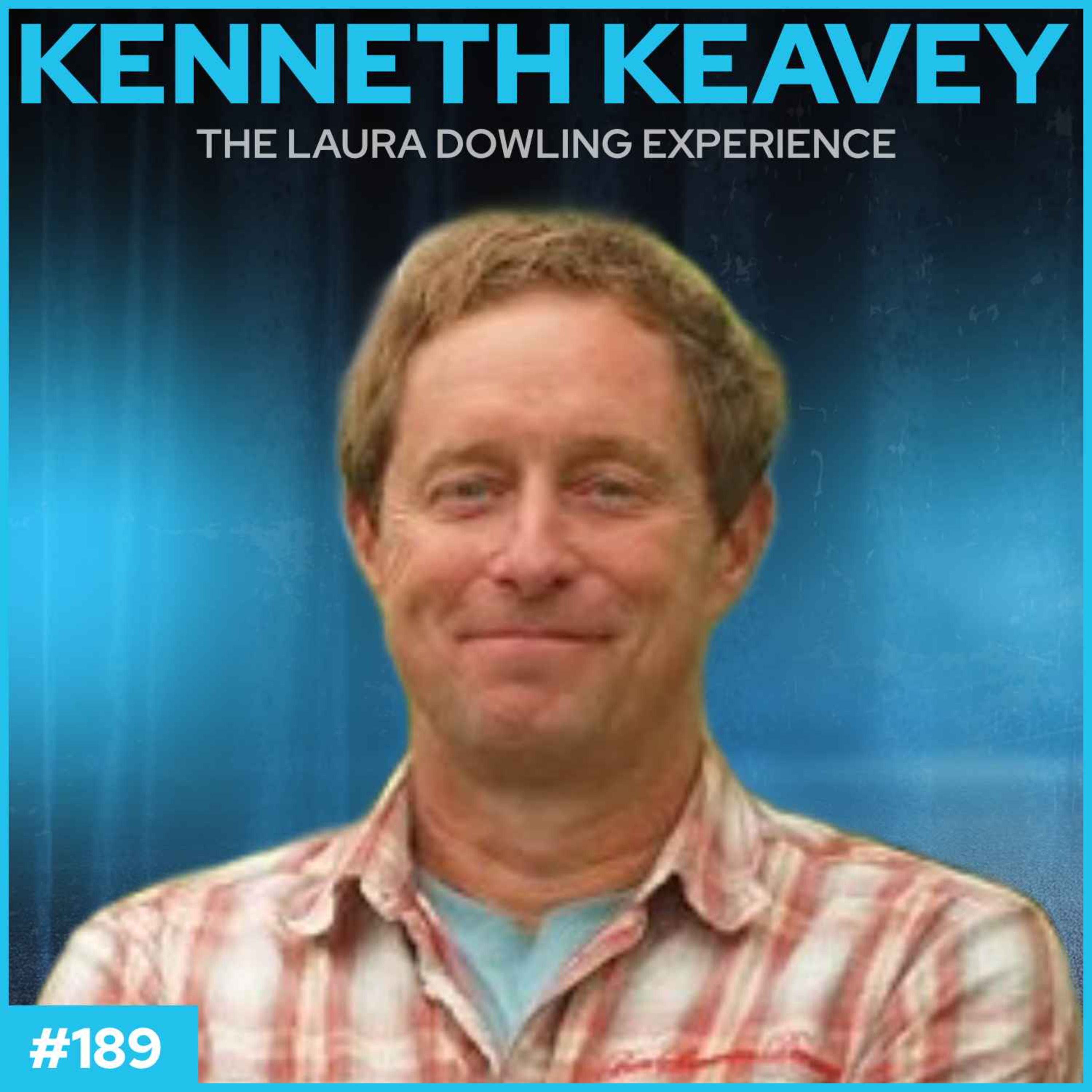
Ireland Has 60 Vegetable Growers Left with Kenneth Keavey #189
Kenneth Keavey has a PhD in chemistry and spent his early career in pharma and biotech. He now grows organic vegetables on twenty-five acres outside Galway, and he's the first to point out the irony: he was an organic chemist, and now he's an organic farmer. In this episode he takes Laura through what's actually on the food we eat, and how little of it we're told. Around 95% of conventional fruit and veg has had some treatment or another. Citrus is dipped or sprayed after harvest in waxes containing quite toxic, in some cases carcinogenic, chemicals to stop fungus growing on the skin. Most of it is legal, disclosed somewhere, and almost never read. Then comes the detail that stops the conversation. In the EU you're allowed 10mg of glyphosate per kilogram of wheat and 20mg per kilogram of oats — twice as much of a probable carcinogen in your porridge as in your toast. Kenneth and Darina Allen went to the Department of Agriculture to ask why. They were told that people eat less porridge than they do toast. It isn't all alarm. Kenneth refuses to scaremonger and is as clear about what isn't known as what is. He's also quietly hopeful: his own land is full of insects and birdsong, and he has watched how fast nature comes back when you let it. Key Points He was an organic chemist before he was an organic farmer His PhD is in chemistry and his first career was in pharma and biotech, which is where the caution comes from. Around 95% of conventional fruit and veg has had some treatment Post-harvest waxes on citrus contain toxic and in some cases carcinogenic chemicals, and some produce carries up to fifteen applications. You're allowed twice as much glyphosate in porridge as in bread The EU limit is 10mg per kilogram of wheat and 20mg per kilogram of oats. Kenneth and Darina Allen asked the Department of Agriculture why, and were told people eat less porridge than they do toast. The safety data usually comes from the manufacturers Unlike medicines, pesticide safety data is largely supplied by the companies selling the chemicals, and permitted limits have risen since the 1990s as application increased. 80% of the world's insect biomass is gone A test anyone can run from memory: a windscreen after a night drive used to be covered in insects, and now there's virtually nothing on it. Ireland has gone from 600 vegetable growers to about 60 The sector has hollowed out in twenty years, we import 85% of our fresh fruit and veg, and vegetables are the one thing that hasn't risen in price — which is why a 39c bag of carrots is a problem, not a bargain. Nature comes back faster than you'd think His farm is full of insects and birds, with nine native Irish honeybee hives that out-produce every other apiary his beekeeper runs. Resources Green Earth Organics Kenneth's organic farm and nationwide home delivery service in Co Galway Silent Spring Rachel Carson's book on the effects of blanket pesticide use, discussed in the episode IARC (World Health Organization) The classification of glyphosate as probably carcinogenic to humans ⏱️ Timestamps 01:26 — Twenty years of Green Earth Organics 02:35 — From a PhD in chemistry to organic farming 03:57 — Around 95% of conventional fruit and veg has had some treatment 06:34 — Glyphosate, the most applied chemical in history 06:59 — Twice as much allowed in your porridge as in your toast 07:17 — What the Department of Agriculture said when they asked why 10:39 — Silent Spring, and the year the birdsong stopped 12:25 — 80% of the world's insect biomass is gone 22:15 — From 600 vegetable growers to about 60 50:06 — Five summers of farm work, three sheep, and the leap Thanks for listening! You can watch the full episode on YouTube here . Don’t forget to follow The Laura Dowling Experience podcast on Instagram @lauradowlingexperience for updates and more information. You can also follow our host, Laura Dowling, @fabulouspharmacist for more insights and tips. If you enjoyed this episode, please subscribe and leave a review—it really helps us out! Stay tuned for more great conversations. Hosted on Acast. See acast.com/privacy for more information.