Reid Miles PodcastsTwo shows. One curiosity-driven mission: telling human stories that matter.Hosted by Reid Miles, this podcast feed is home to two distinct but connected conversations.The Neurodivergent Connection centers neurodivergent voices lived experience, late diagnosis, advocacy, creativity, and the realities of navigating a world not built for autistic minds. These episodes focus on understanding, accessibility, and belonging, grounded in honesty and real conversation rather than clinical distance.The Curious Storyteller began as a celebration of remarkable people and the stories that shaped them. It has since evolved into deeper, reflective conversations about identity, resilience, reinvention, and the quiet moments that change us. Guests include creators, athletes, leaders, and thinkers not to be interviewed, but to be heard.Both shows share the same foundation: unscripted conversations, emotional intelligence, and curiosity over performance. This isn’t about polished
Pitch Analysis
Required Pod Score for this show. PitchCentric checks your profile against host openness, topical fit, and audience signals before you generate a pitch.
Contact path
Verified email
Booking probability
38%
Guest openness
Selective
Verified email on file
86/100
Required Score
Sign up to generate a grounded pitch for The Neurodivergent Connection / The Curious Storyteller.
What is The Neurodivergent Connection / The Curious Storyteller?
The Neurodivergent Connection / The Curious Storyteller is a society podcast hosted by Reid, with 348 episodes on record and a Required Pod Score of 86. PitchCentric scores this show on Booking Probability, Listen Score, and live audience signals refreshed every 24 hours.
About the host
Reid hosts The Neurodivergent Connection / The Curious Storyteller, a society show with 348 episodes published.
Our AI reads these to draft pitches. Use them as grounding for a pitch that cites a real guest and a specific topic.
Episode #25
How Art Helped Ebony Make Sense of Autism and Find Her Place
Aug 19, 202622 minS20
When an Autism Diagnosis Makes the Past Finally Click What does it feel like when a diagnosis doesn’t answer everything, but it helps your life make more sense? In this episode, I sit down with Ebony Backes for a thoughtful conversation about autism, creativity, grief, comfort, and the quiet ways we come to understand ourselves over time. Ebony shares what it was like to feel confused by other kids, how drawing became the one thing that always made sense, and why a diagnosis can bring both relief and loss at the same time. We also talk about the small but meaningful things that help her feel grounded, from cooking and comics to the ocean and even African painted dogs. Along the way, I explore how self-understanding can grow slowly, especially for neurodivergent people who don’t have all the words yet. If you’ve ever wondered why certain parts of your past still sting, or why creative expression can say what words can’t, this conversation will stay with you. I think you’ll come away with a few new questions about identity, healing, and what it means to be seen. About the Guest Ebony Backes is an artist and creative who uses drawing and comics as a way to express herself, make sense of the world, and connect with others through shared experiences. Timestamps 0:02 - I welcome Ebony and ask what the world felt like as a child 1:55 - When drawing became more than a hobby 4:40 - Ebony shares the moment her autism diagnosis clicked 6:20 - The mix of grief and relief after getting answers 6:59 - Why cooking brings comfort and care 9:35 - How the beach helps her reset 11:38 - How her relationship with herself has changed over time 12:45 - What she wants young people still finding their words to hear 16:25 - Where to find Ebony online https://shop.adhddd.com/NEURODIVERGENT_CONNECTION If this episode speaks to you, listen through and share it with someone who may need these words today. #AutismAwareness #Neurodivergent #LateDiagnosis #CreativeExpression #TheNeurodivergentConnection Hosted by Reid Miles. Conversations unfold naturally — no scripts, no rush. Subscribe wherever you listen to podcasts More about the show and past episodes: https://podcast.ausha.co/neurodivergantconnection-thecuriousstroyteller Guest inquiries & media: Reid@AspergersStudio.com Hosted on Ausha. See ausha.co/privacy-policy for more information.
The Curious Storyteller: How One Caregiver Found Her Footing in Years of Medical Chaos
Aug 17, 20261h 44mS20
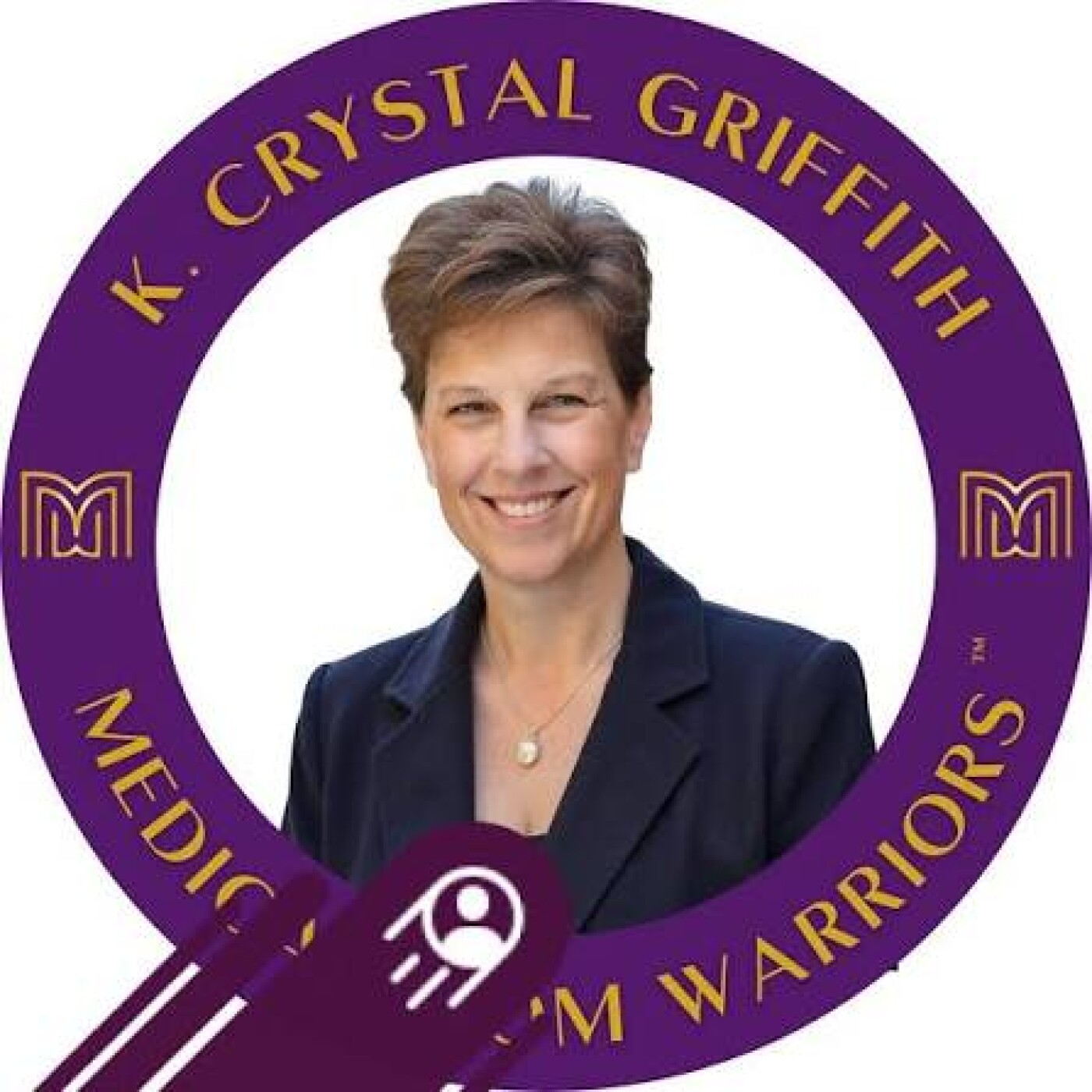
What Caregivers Carry That Most People Never See with Crystal Griffth Behind every diagnosis, ER visit, and fight to be heard, there’s often a caregiver carrying far more than anyone notices. In this conversation, I sit down with Crystal Griffin to talk about what caregiving really looks like when medical needs, burnout, grief, and advocacy all collide. We talk about the quiet weight families carry, the hospital lessons no one teaches you, and why so many caregivers feel like they have to hold everything together while falling apart in private. Crystal shares how her own traumatic brain injury, years of medical advocacy, and raising a daughter with complex needs shaped the work she does today through Medical Mom Warriors. Along the way, I explore what stability can look like when life stays unpredictable, why self-care often feels out of reach, and what families need from doctors that they still aren’t getting. If you’ve ever felt unseen after a diagnosis, worn down by appointments, or unsure how to keep going without losing yourself, this episode will meet you there. I’m also sharing a few surprising questions from our conversation that may stay with you long after it ends. About the Guest Crystal Griffth is an advocate, educator, and 4-time bestselling author. Through Medical Mom Warriors , she supports families facing medical chaos with practical tools, guidance, and real-life insight shaped by decades of lived experience as both a patient and a caregiver. Key Timestamps 0:42 - I welcome Crystal and we start at the beginning of her story 3:26 - The traumatic brain injury that changed everything 9:55 - What first pulled Crystal into medical advocacy 20:30 - How being both a patient and caregiver changed her view of healthcare 43:50 - What “medical chaos” looks like behind closed doors 47:21 - What caregivers carry every day that most people never see 57:24 - Can caregiving make you lose yourself? 76:53 - Why Crystal created the Medical Stability Blueprint 82:51 - What medical professionals need to understand about caregivers 98:06 - Who Crystal is beyond advocacy and caregiving Crystal's website : medicalmomwarriors.com Show Affiliate https://shop.adhddd.com/NEURODIVERGENT_CONNECTION If this conversation speaks to you, listen through to the end and share it with someone who needs to feel less alone. #CaregiverSupport #Neurodiversity #AutismAwareness #MedicalAdvocacy #ADHDSupport Hosted by Reid Miles. Conversations unfold naturally — no scripts, no rush. Subscribe wherever you listen to podcasts More about the show and past episodes: https://podcast.ausha.co/neurodivergantconnection-thecuriousstroyteller Guest inquiries & media: Reid@AspergersStudio.com Hosted on Ausha. See ausha.co/privacy-policy for more information.
Finding Your Place in the Autism Community and Helping Others Do the Same
Aug 14, 202618 minS20
Finding Identity, Community, and Purpose After a Late Autism Diagnosis What changes when you finally have words for a life that never quite made sense? In this episode, I sit down with Thomas Hassell to talk about that shift. Thomas shares what it was like to move through school and work without the support he needed, and how a later autism diagnosis helped him understand his past in a new way. We also talk about the hard parts that many autistic adults know too well: feeling misunderstood, struggling to find the right fit, and trying to build a life in a world that often expects you to be someone else. But this conversation doesn’t stay there. I also explore how Thomas found belonging through an adult autism support group, and how that sense of community grew into leadership, advocacy, and writing. You’ll hear what helped him keep going, what inclusion means to him now, and why his message to others still carries so much weight. About the Guest Thomas Hassell is an autistic self-advocate, writer, and longtime community leader. He has led adult autism support spaces, contributed to advocacy work, and continues to speak up for autistic people and their families. Timestamps 0:02 - I welcome Thomas and ask what learning felt like before diagnosis 2:17 - Thomas reflects on getting support through an alternative learning program 4:15 - What changed after his autism diagnosis at 44 5:59 - How community and friendship helped him feel understood 6:09 - Stepping into leadership in an adult autism support group 8:13 - Why society still misunderstands autistic adults 9:04 - What writing gives Thomas that conversation sometimes can’t 11:04 - What he would say to his younger self now If you’re autistic, newly diagnosed, or supporting someone who is, I think this episode will stay with you. Listen in, then share it with someone who needs the reminder that they’re not alone. #AutismAcceptance #NeurodivergentConnection #AutisticAdults #DisabilityAdvocacy #Neurodiversity Hosted by Reid Miles. Conversations unfold naturally — no scripts, no rush. Subscribe wherever you listen to podcasts More about the show and past episodes: https://podcast.ausha.co/neurodivergantconnection-thecuriousstroyteller Guest inquiries & media: Reid@AspergersStudio.com Hosted on Ausha. See ausha.co/privacy-policy for more information.
How One Mom Found Steady Ground While Raising Two Kids With Different Needs
Aug 12, 20261h 24mS20
What Caregiving Really Looks Like When the System Falls Short What happens when you’re raising two neurodivergent children and the help you need still doesn’t meet real life? In this episode, I sit down with Danielle for an honest conversation about Autism, ADHD, cerebral palsy, single parenthood, and the kind of caregiving most people never fully see. I’m sharing a story that speaks to parents, caregivers, and anyone trying to support a family carrying more than most people realize. Danielle opens up about the daily pressure of meeting both of her children where they are, while also facing financial strain, burnout, and the quiet loneliness that can come with doing so much on your own. At the same time, this conversation isn’t only about hardship. You’ll also hear about the small moments of joy, the hidden strengths people often miss in nonverbal children, and the kind of real support that actually makes a difference. If you’ve ever wondered what families like Danielle’s wish the world understood, this episode will stay with you. About the Guest Danielle is a single mother raising two children with special needs: her teenage son, Brian, who is autistic and has ADHD, and her daughter, Ava, who is autistic and has cerebral palsy. She shares her family’s day-to-day reality with honesty, heart, and hope. Timestamps 0:03 - I introduce Danielle’s story and what this conversation explores 1:20 - Danielle shares her family’s background and her children’s diagnoses 10:53 - What an ordinary day of caregiving actually looks like 23:19 - What caregiving feels like from the inside 28:19 - Why even grocery shopping can become a major task 32:47 - How Ava experiences the world beyond spoken words 43:39 - Who Brian is beyond his Autism label 51:06 - What the support gap looks like in everyday life 69:07 - What real support truly looks like for a family like Danielle’s 74:15 - Danielle’s message for listeners who feel unseen or overwhelmed https://shop.adhddd.com/NEURODIVERGENT_CONNECTION If this episode speaks to you, listen all the way through, share it with someone who needs it, and keep being part of this neurodivergent community conversation. #Neurodivergent #AutismAwareness #Caregiving #SpecialNeedsParenting #ADHD Hosted by Reid Miles. Conversations unfold naturally — no scripts, no rush. Subscribe wherever you listen to podcasts More about the show and past episodes: https://podcast.ausha.co/neurodivergantconnection-thecuriousstroyteller Guest inquiries & media: Reid@AspergersStudio.com Hosted on Ausha. See ausha.co/privacy-policy for more information.
Invisible Illness When Doctors Miss What Your Body Knows
Aug 10, 202655 minS20
When Chronic Illness Changes Your Identity: My Conversation with Dr. Jeff Bone What do you do when your body says something is wrong, but no one seems to hear you? In this episode, I sit down with Dr. Jeff Bone to talk about the hidden weight of chronic illness, what it feels like to be misdiagnosed, and how life can change when your health no longer feels predictable. This conversation goes far beyond symptoms. We get into grief, loneliness, identity, and the quiet fear that comes with living in a body you can’t fully trust. Dr. Bone is a psychologist, writer, and host of To the Bone: Conversations on Pain, Illness, and Meaning . After years of searching for answers, he was eventually diagnosed with an immune disorder linked to toxic mold exposure. What stayed with me most was how honestly he spoke about being dismissed, rebuilding meaning, and learning how to live with pain without turning against himself. If you’ve ever felt unseen, overwhelmed, or unsure how to explain what you’re carrying, I think this episode will stay with you. I also share why curiosity, self-compassion, and being truly present can matter more than having all the answers. Timestamps 0:02 - Why chronic illness can affect identity, relationships, and the future you pictured 1:15 - What life looked like before everything changed 6:43 - The pain of being misdiagnosed and not believed 8:21 - The first real clues behind his illness 12:25 - Realizing this wasn’t something that would simply pass 15:33 - The part of chronic illness most people don’t see 19:20 - How poetry became a way to cope and make sense of the chaos 25:37 - Grieving the life you thought you’d have 35:01 - A small practice that can help when everything feels too heavy 41:34 - Changing your relationship with pain 48:46 - What I hope people hear when they feel dismissed or alone If this conversation speaks to you, listen to the full episode and share it with someone who needs to feel less alone. #ChronicIllness #InvisibleIllness #NeurodivergentConnection #MentalHealth #DisabilitySupport Hosted by Reid Miles. Conversations unfold naturally — no scripts, no rush. Subscribe wherever you listen to podcasts More about the show and past episodes: https://podcast.ausha.co/neurodivergantconnection-thecuriousstroyteller Guest inquiries & media: Reid@AspergersStudio.com Hosted on Ausha. See ausha.co/privacy-policy for more information.
Every question we get asked before someone starts their trial.
If you have a concern about deliverability, AI quality, data privacy, or whether this will actually work for your specific situation, it's probably answered below.
What is the difference between Founder Solo and Founder Pro?
Founder Solo gives you 50 AI pitches per month using the credit model (Standard pitches cost 1 credit, Enriched pitches cost 2). Founder Pro raises that to 200 credits per month and adds full Booking Probability access, unlimited Magic Match, Apollo enrichment credits, and data export capabilities. Both plans use the same credit system, so you can stretch your monthly budget further by using Standard-mode drafting.
How do agency tiers work?
Agency tiers have no base fee. You pay per managed client and per talent profile. Agency Standard is $199 per client per month; Agency Pro is $399 per client per month. Both add $39 per talent profile per month. Your own team's user seats are always free.
What is a talent profile?
A talent profile represents one person (founder, executive, or spokesperson) you are booking onto podcasts. It includes their bio, topics, headshots, and outreach history. Team plans include 5 profiles; agency plans are pay-as-you-go.
Can I switch plans later?
Yes, at any time. Upgrades take effect immediately; downgrades apply at the end of the current billing period. Contact support if you need help migrating between plan families.
Do you offer a free trial?
Every paid plan includes a 15-day free trial. Your card is saved at signup but you will not be charged until day 16. Cancel any time from your dashboard.
What happens if I cancel?
You keep access until the end of your current billing period. No charges after that. Your data is retained for 30 days in case you reactivate.
Is the 20% annual discount automatic?
Yes. Select Annual on the pricing toggle and the discounted price is applied automatically at checkout. The annual price shown is the full year cost.
What if I have more than 50 profiles or 20 clients?
That is our Enterprise tier. Contact our sales team and we will build a custom plan with volume pricing, a dedicated account manager, and SLA guarantees.